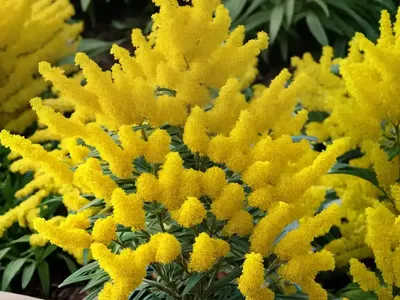
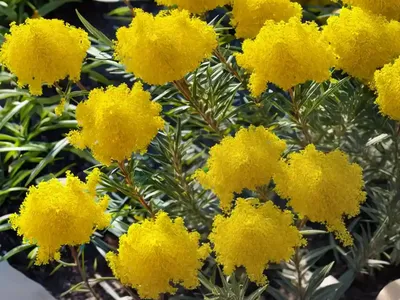
Cosmos Sulphureus ‘Cosmic Orange’)
Cosmos sulphureus ‘Cosmic Orange’ is a vibrant and popular annual flowering plant known for its brilliant orange or yellow blooms. This plant belongs to.



What is plant :Cosmos sulphureus ‘Cosmic Orange’
Cosmos sulphureus ‘Cosmic Orange’ is a vibrant and popular annual flowering plant known for its brilliant orange or yellow blooms. This plant belongs to the Asteraceae family, which is native to Mexico. Its common names include orange cosmos, sulfur cosmos, and yellow cosmos. The ‘Cosmic Orange’ cultivar is a particularly striking variety that adds a burst of color to gardens, landscapes, and containers.
Key Takeaways – Cosmos sulphureus ‘Cosmic Orange’
- Botanical Name: Cosmos sulphureus ‘Cosmic Orange’
- Common Names: Orange cosmos, sulfur cosmos, yellow cosmos
- Family: Asteraceae
- Plant Type: Annual
- Native to: Mexico
- Notable Feature: Vibrant orange or yellow blooms
- Cultivar: ‘Cosmic Orange’
Culture
Water
Cosmos sulphureus ‘Cosmic Orange’ generally prefers moderate watering. While the plant is relatively drought-tolerant once established, it thrives with consistent moisture. Water the plants deeply when the soil becomes dry, ensuring that the water reaches the root zone. Avoid overwatering, as cosmos plants are susceptible to root rot in waterlogged conditions.
Sunlight
‘Cosmic Orange’ cosmos thrives in full sunlight, requiring at least 6-8 hours of direct sunlight per day. In regions with hot climates, providing some afternoon shade can benefit the plants, preventing them from wilting during extreme heat.
Fertilizer
When it comes to fertilizing ‘Cosmic Orange’ cosmos, a balanced, all-purpose fertilizer can be applied every 4-6 weeks. However, avoid excessive use of high-nitrogen fertilizers, as they can promote lush foliage at the expense of flower production.
Soil
Well-draining, moderately fertile soil is ideal for cosmos plants. They can adapt to various soil types, ranging from sandy to clayey, as long as the soil is not waterlogged. Amending the soil with organic matter can improve its fertility and drainage, creating a conducive environment for ‘Cosmic Orange’ cosmos to flourish.
Pruning
Pruning cosmos is not necessary for the plant’s overall health, but deadheading spent blooms can encourage continuous flowering. Simply pinch or snip off faded flowers to promote new bloom development.
Propagation
‘Cosmic Orange’ cosmos can be propagated from seeds, which are easily collected from the dried seed heads in autumn. Direct sowing the seeds in the garden bed or containers after the last frost date in spring is a common method. The seeds require light for germination, so they should be lightly pressed into the soil surface.
Container Popularity
‘Cosmic Orange’ cosmos is well-suited for container gardening, adding a pop of color to porches, patios, and balconies. Its manageable size and vibrant blooms make it an attractive choice for container displays, attracting pollinators and brightening outdoor spaces.
Common Diseases
Disease Diagnosis
- Powdery Mildew – Characterized by white, powdery spots on the leaves and stems, powdery mildew can affect ‘Cosmic Orange’ cosmos, particularly in humid conditions. Adequate spacing between plants, proper air circulation, and avoiding overhead watering can help prevent powdery mildew.
- Leaf Spot – Leaf spot diseases manifest as brown or black spots on the leaves, often caused by fungal pathogens. To prevent leaf spot, avoid overhead watering and remove and dispose of infected plant debris.
Common Pests
‘Cosmic Orange’ cosmos may encounter several common pests, including:
- Aphids
- Spider Mites
- Thrips
- Whiteflies
Regular monitoring of the plants and implementing integrated pest management strategies can help mitigate pest infestations.
Botanist’s Tips
-
Attracting Pollinators: Cosmos sulphureus ‘Cosmic Orange’ is excellent for attracting pollinators, such as bees, butterflies, and other beneficial insects, to the garden.
-
Versatile Landscaping: Due to its vibrant blooms and upright growth habit, ‘Cosmic Orange’ cosmos can be used in borders, mass plantings, and mixed perennial or annual beds, creating eye-catching displays.
Fun Facts
- The genus name “Cosmos” is derived from the Greek word for harmony or ordered universe, reflecting the plant’s balanced and symmetrical appearance.
- Cosmos flowers are also known for their drought tolerance and vibrant, daisy-like blooms, making them a favorite choice for xeriscaping and low-maintenance landscapes.
Links to External Resources
For further information on growing and caring for ‘Cosmic Orange’ cosmos, consider exploring the following external resources:
- Texas A&M AgriLife Extension – Cosmos
- University of Florida IFAS Extension – Cosmos sulphureus
- The Royal Horticultural Society – Cosmos
In conclusion, Cosmos sulphureus ‘Cosmic Orange’ is a delightful and versatile annual plant suitable for a range of garden and landscape settings. Its vibrant color, low-maintenance nature, and ability to attract pollinators make it a valuable addition to any outdoor space. With the appropriate care and attention, this beautiful cosmos cultivar can thrive and bring joy to gardeners and wildlife alike.
Insert Images: