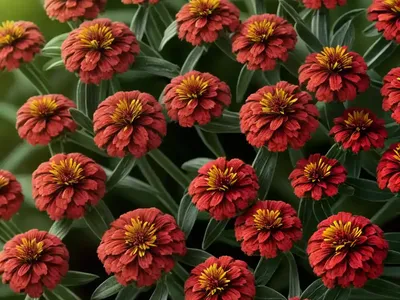
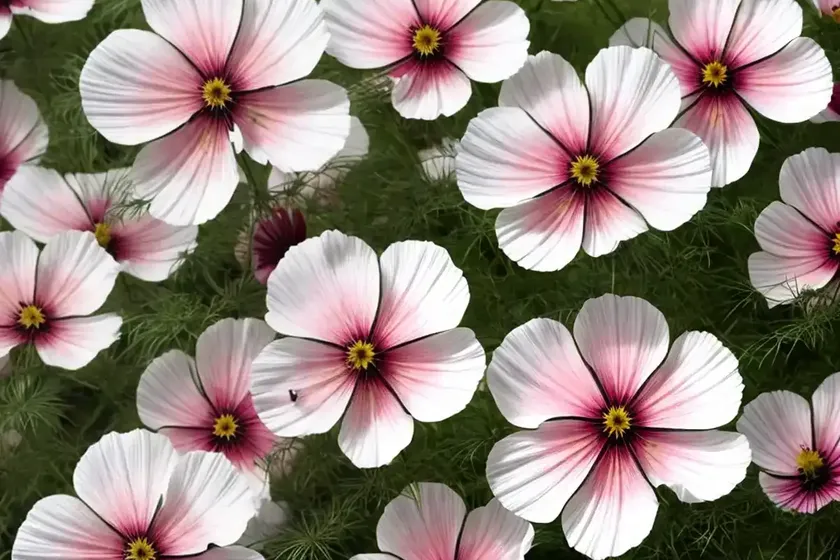
Cosmos Bipinnatus ‘Sonata Carmine’)
Plants are essential organisms for life on earth. They play a pivotal role in providing oxygen, food, and habitat for various species, including humans..

What is Plant?
Plants are essential organisms for life on earth. They play a pivotal role in providing oxygen, food, and habitat for various species, including humans. The diverse world of plants includes a wide array of species, each with unique characteristics and requirements for growth.
One such fascinating plant is Cosmos bipinnatus ‘Sonata Carmine’, a captivating flowering plant known for its vibrant blooms and ease of cultivation. In this comprehensive guide, we will delve into the world of Cosmos bipinnatus ‘Sonata Carmine’, exploring its cultural requirements, uses, and maintenance tips to help gardening enthusiasts and botanists cultivate and appreciate this stunning plant.
Key Takeaways
Before diving into the specifics of Cosmos bipinnatus ‘Sonata Carmine’, let’s highlight some key takeaways that we’ll explore in detail:
- Cultural requirements of Cosmos bipinnatus ‘Sonata Carmine’, including water, sunlight, fertilizer, soil, and pruning.
- Methods for propagation of Cosmos bipinnatus ‘Sonata Carmine’, including tips for container gardening.
- Common diseases and pests affecting Cosmos bipinnatus ‘Sonata Carmine’, along with diagnosis and management strategies.
- Fun facts and botanist’s tips to enhance the understanding and appreciation of this beautiful plant.
Now, let’s embark on a journey to unravel the enchanting world of Cosmos bipinnatus ‘Sonata Carmine’.
Plant Name: Cosmos bipinnatus ‘Sonata Carmine’
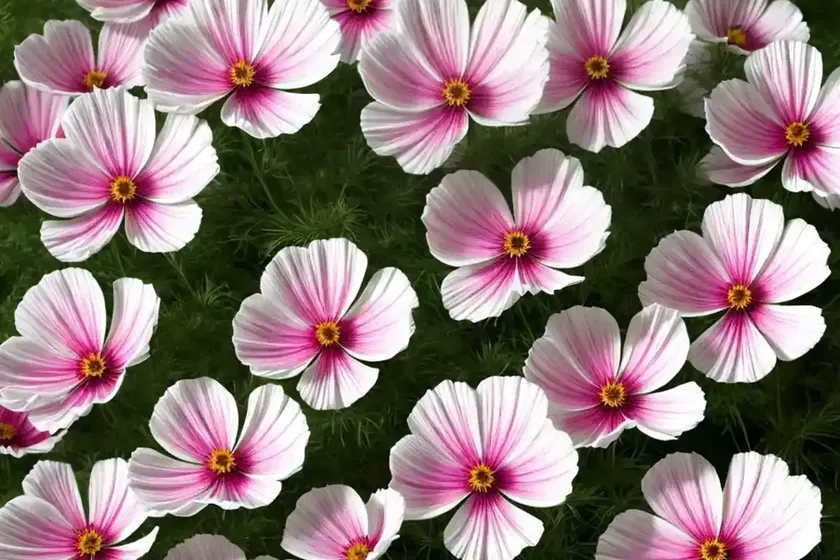
Cosmos bipinnatus ‘Sonata Carmine’ is a stunning annual plant that belongs to the family Asteraceae. It is renowned for its elegant, daisy-like flowers that bloom prolifically and add a pop of color to gardens, landscapes, and floral arrangements. The variety ‘Sonata Carmine’ specifically features captivating carmine-pink flowers, making it a sought-after choice for gardeners and flower enthusiasts.
Cultural Requirements
Successful cultivation of Cosmos bipinnatus ‘Sonata Carmine’ hinges on understanding and satisfying its specific cultural requirements. Let’s explore the key aspects of its cultural needs:
Water
- Cosmos bipinnatus ‘Sonata Carmine’ thrives in well-draining soil and prefers consistently moist conditions, especially during the initial stages of growth and establishment.
- While it appreciates regular watering, it is crucial to avoid waterlogging the soil, which can lead to root rot and other moisture-related issues.
Sunlight
- This plant flourishes in full sunlight and thrives in locations with ample sunlight exposure. It’s essential to provide at least 6-8 hours of direct sunlight for optimal growth and profuse flowering.
Fertilizer
- For healthy growth and abundant blooms, Cosmos bipinnatus ‘Sonata Carmine’ benefits from regular feeding with a balanced, all-purpose fertilizer. It is advisable to follow the manufacturer’s recommendations for application frequency and dosage, typically every 4-6 weeks during the growing season.
Soil
- Cosmos bipinnatus ‘Sonata Carmine’ prefers well-drained, moderately fertile soil with a slightly acidic to neutral pH range. Amending the soil with organic matter or compost can enhance its texture and nutrient content, promoting robust growth and flowering.
Pruning
- Regular deadheading and pruning of spent flowers not only maintain the plant’s aesthetic appeal but also encourage continuous blooming. Removing faded blooms prevents seed formation and redirects the plant’s energy into producing new flowers.
Propagation
Propagation of Cosmos bipinnatus ‘Sonata Carmine’ can be achieved through various methods, including seed sowing, division, and cuttings. Here are some insights into each propagation method:
-
Seed Sowing: Cosmos bipinnatus ‘Sonata Carmine’ can be readily propagated from seeds, making it an accessible option for both experienced and novice gardeners. Sow the seeds directly into the desired location after the last frost date, ensuring good seed-to-soil contact and consistent moisture for germination.
-
Cuttings: While less commonly practiced than seed propagation, Cosmos bipinnatus ‘Sonata Carmine’ can be propagated from stem cuttings. Select healthy, non-flowering stems and root them in a suitable propagation medium to establish new plants.
-
Division: As an annual plant, division is not typically practiced with Cosmos bipinnatus ‘Sonata Carmine’. However, it can be a viable propagation method for perennial varieties of cosmos.
Container Popularity
Cosmos bipinnatus ‘Sonata Carmine’ is well-suited for container gardening, making it an attractive choice for individuals with limited outdoor space or those seeking to adorn patios, balconies, and other urban settings with its charming blooms. When grown in containers, it is essential to ensure adequate drainage and provide the cultural requirements mentioned earlier, such as regular watering, sunlight, and fertilization.
Common Diseases
Like all plants, Cosmos bipinnatus ‘Sonata Carmine’ is susceptible to certain diseases that can affect its overall health and vigor. Being aware of common diseases and their diagnosis can enable timely intervention and effective management. Some of the prevalent diseases include:
-
Powdery Mildew: A fungal disease characterized by the appearance of powdery white patches on the leaves and stems. It thrives in humid conditions and can hinder plant growth and flowering.
-
Leaf Spot: Caused by various fungal pathogens, leaf spot presents as circular or irregularly shaped lesions on the plant’s foliage. In severe cases, it can lead to leaf yellowing and premature defoliation.
-
Damping Off: Particularly relevant during the seedling stage, damping off is a disease caused by soil-borne fungi that can cause sudden wilting and death of young seedlings.
Disease Diagnosis
Prompt identification of diseases is crucial for implementing appropriate control measures. By closely monitoring the plant for any signs of disease and understanding the characteristic symptoms of common ailments, gardeners can effectively diagnose and address issues before they escalate.
Common Pests
In addition to diseases, Cosmos bipinnatus ‘Sonata Carmine’ may attract certain pests that can compromise its health and appearance. Some common pests include:
-
Aphids: Small, sap-sucking insects that can cluster on the plant’s new growth, causing distortion of leaves and potential spread of viral diseases.
-
Spider Mites: These tiny arachnids can infest the undersides of leaves and spin fine webbing, leading to stippled or discolored foliage.
-
Thrips: Thrips are slender insects that feed on plant tissues, causing stippling, leaf discoloration, and distortion.
Botanist’s Tips
To maximize the success of growing and caring for Cosmos bipinnatus ‘Sonata Carmine’, consider the following botanist’s tips:
-
Regular Monitoring: Vigilantly observe the plant for any signs of stress, disease, or pest infestation, intervening promptly when necessary to maintain its health and vitality.
-
Adequate Support: Depending on the plant’s growth habit and overall structure, providing suitable support, such as stakes or trellises, can prevent lodging and ensure an upright, aesthetically pleasing appearance.
-
Mulching: Applying a layer of organic mulch around the base of the plant can conserve soil moisture, inhibit weed growth, and contribute to a more uniform soil temperature.
-
Companion Planting: Explore compatible plant species to create harmonious combinations that enhance the visual appeal and ecological balance of the garden.
Fun Facts
To deepen the appreciation for Cosmos bipinnatus ‘Sonata Carmine’, consider these intriguing fun facts:
- Cosmos bipinnatus ‘Sonata Carmine’ is native to Mexico, where it thrives in the warm climate and well-drained soils of its natural habitat.
- The name “Cosmos” is derived from the Greek word for “harmony” or “ordered universe”, reflecting the plant’s balanced and symmetrical floral displays.
Now that we’ve journeyed through the diverse aspects of Cosmos bipinnatus ‘Sonata Carmine’, it’s time to delve into additional resources and information to support the understanding and cultivation of this enchanting plant.
Links to External Resources
To further explore the world of Cosmos bipinnatus ‘Sonata Carmine’ and deepen your knowledge about its cultivation and care, consider the following external resources:
- Growing Cosmos bipinnatus Sonata Carmine – The Spruce
- Cosmos Sonata Carmine – Proven Winners
- Cosmos bipinnatus ‘Sonata Carmine’ – Missouri Botanical Garden
In conclusion, Cosmos bipinnatus ‘Sonata Carmine’ captivates with its vibrant blooms, ease of cultivation, and versatility in various gardening settings. Whether adorning landscapes, containers, or floral arrangements, this charming plant adds an irresistible allure to any environment. By understanding its cultural requirements, propagation methods, disease and pest management, and other valuable insights, enthusiasts can cultivate and appreciate Cosmos bipinnatus ‘Sonata Carmine’ with confidence and success.