Cosmos Bipinnatus ‘Apricotta’)
Cosmos bipinnatus ‘Apricotta’ is a charming and vibrant flowering plant that adds a pop of color to gardens and landscapes. With its delicate.
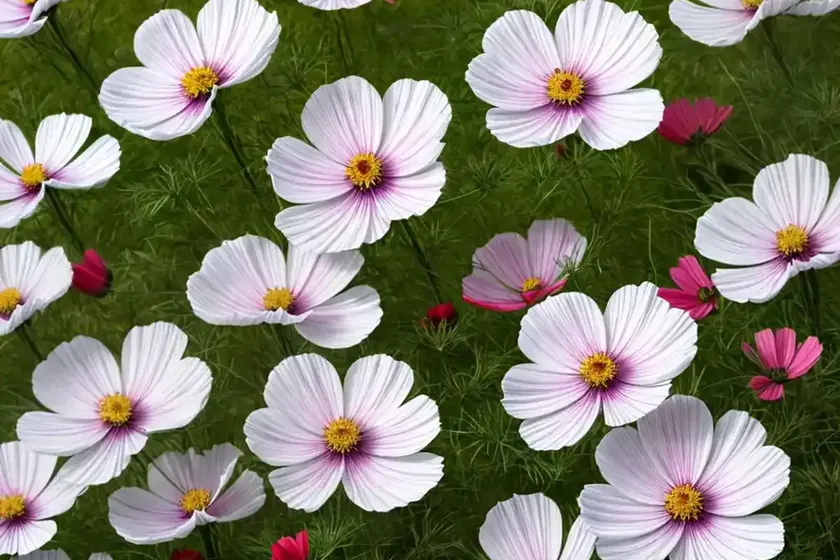
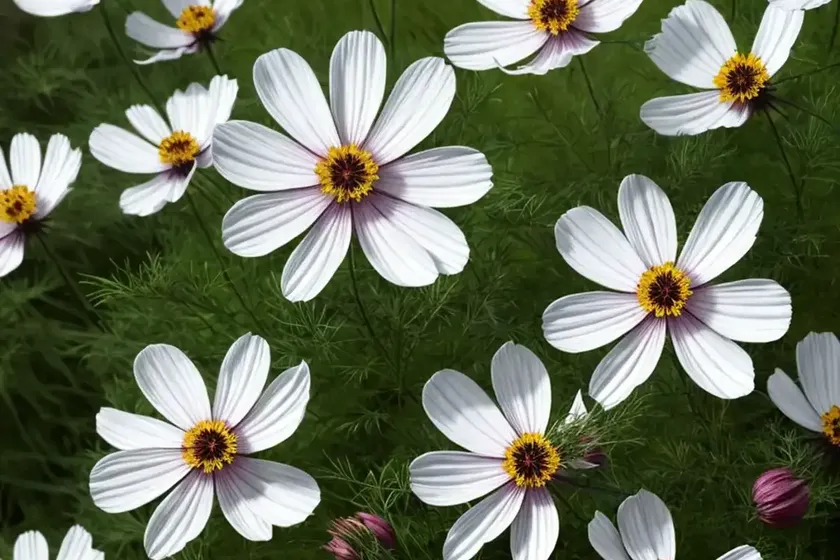
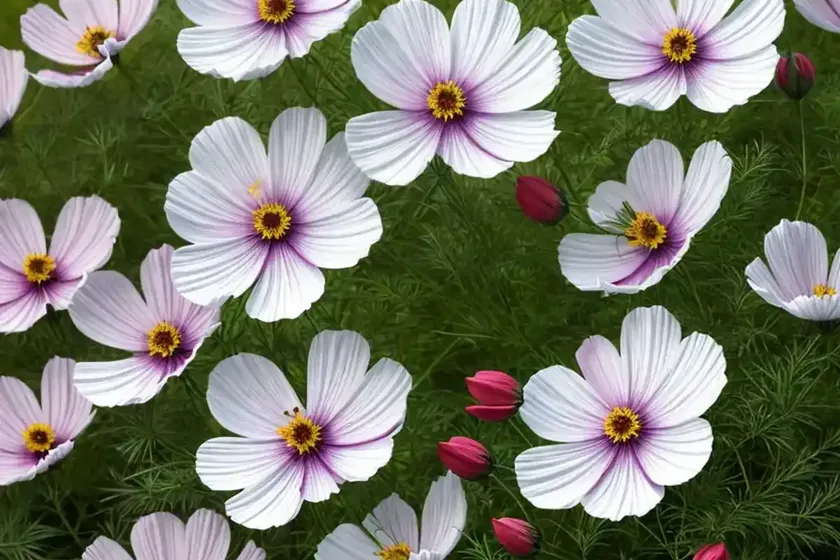
Cosmos bipinnatus ‘Apricotta’ is a charming and vibrant flowering plant that adds a pop of color to gardens and landscapes. With its delicate apricot-colored blooms, this variety of Cosmos is a favorite among gardeners and plant enthusiasts. In this comprehensive guide, we will explore the key characteristics, cultivation techniques, common uses, and maintenance practices for Cosmos bipinnatus ‘Apricotta’. We will also delve into the plant’s cultural significance, propagation methods, and practical tips for ensuring its health and vitality. Whether you are a seasoned horticulturist or a beginner gardener, this guide will equip you with the knowledge and skills to grow and care for Apricotta Cosmos successfully.
What is Cosmos bipinnatus ‘Apricotta’?
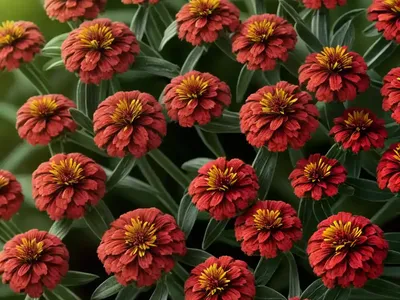
Cosmos bipinnatus ‘Apricotta’ is a delightful annual flowering plant that belongs to the Asteraceae family. It is native to Mexico and is widely cultivated for its stunning, daisy-like blooms in varying shades of apricot, pink, and white. The plant is characterized by its feathery, fern-like foliage and upright, branching stems that bear an abundance of flowers.
Key Takeaways
- Cosmos bipinnatus ‘Apricotta’ is a popular annual flowering plant known for its apricot-colored blooms.
- It belongs to the Asteraceae family and is native to Mexico.
- The plant features delicate, feathery foliage and is prized for its ornamental value in gardens and landscapes.
Culture
When it comes to cultivating Cosmos bipinnatus ‘Apricotta’, understanding its cultural requirements is essential for ensuring robust growth and prolific flowering. By providing the right growing conditions, you can maximize the plant’s potential and enjoy a spectacle of apricot-toned blooms throughout the growing season.
Uses
- Ornamental Purposes: Apricotta Cosmos is primarily grown for its ornamental value, adding a touch of elegance and color to flower borders, beds, and containers.
- Cut Flowers: The blooms of Cosmos bipinnatus ‘Apricotta’ are perfect for creating charming floral arrangements, bouquets, and centerpieces, making them a popular choice for cut flower gardens.
Water
- Moderate Moisture: Cosmos bipinnatus ‘Apricotta’ prefers well-draining soil and moderate moisture levels. It is important to avoid overwatering, as excessive moisture can lead to root rot and other problems.
- Watering Schedule: Water the plant when the top inch of soil feels dry to the touch. Providing a deep, thorough watering once a week is usually sufficient, but adjustments may be necessary based on local climate conditions.
Sunlight
- Full Sun: Apricotta Cosmos thrives in full sunlight and requires at least 6-8 hours of direct sunlight daily to promote healthy growth and abundant flowering.
- Shade Tolerance: While Cosmos bipinnatus ‘Apricotta’ is best suited to full sun, it can tolerate light shade, especially in hot climates where some respite from intense afternoon sun may be beneficial.
Fertilizer
- Balanced Fertilizer: Feed Cosmos bipinnatus ‘Apricotta’ with a balanced, water-soluble fertilizer every 4-6 weeks during the growing season to support vigorous growth and flower production.
- Application Tips: Apply the fertilizer according to the manufacturer’s instructions, and water the plant thoroughly after feeding to ensure proper nutrient uptake.
Soil
- Well-Draining Soil: Apricotta Cosmos thrives in loose, well-draining soil that is rich in organic matter. Amending the soil with compost or aged manure can improve its texture and fertility, creating an optimal growing environment for the plant.
- pH Range: The ideal soil pH for Cosmos bipinnatus ‘Apricotta’ falls within the slightly acidic to neutral range, typically between 6.0 and 7.0.
Pruning
- Deadheading: Regular deadheading of spent flowers promotes continuous blooming and prevents the plant from expending energy on seed production.
- Trimming: Occasional trimming of straggly or overgrown stems helps maintain a tidy, compact growth habit and encourages the development of new flowering shoots.
Propagation
- Seed Propagation: Cosmos bipinnatus ‘Apricotta’ is commonly propagated from seeds, which can be sown directly into the garden soil or started indoors for earlier blooms.
- Seed Collection: Allow the flowers to mature and develop seed heads, then collect the seeds for sowing in the following growing season. Ensure that the seeds are fully dried before storage.
Container Popularity
- Container Gardening: Apricotta Cosmos is well-suited to container gardening and can be grown in pots, planters, or window boxes, adding a splash of color to patios, balconies, and other outdoor spaces.
- Container Size: Use a sufficiently large container with adequate drainage holes to accommodate the plant’s root system and provide ample growing space.
Container Common Diseases
Cosmos bipinnatus ‘Apricotta’ is generally resistant to serious disease issues, but certain environmental conditions or cultural practices may predispose the plant to specific health problems.
Disease Diagnosis
- Botrytis Blight: Excessive moisture and poor air circulation can contribute to the development of botrytis blight, evidenced by fuzzy gray mold on the foliage and flowers.
- Preventative Measures: Avoid overhead watering, thin out dense growth, and maintain good garden hygiene to minimize the risk of botrytis blight.
Common Pests
Apricotta Cosmos is relatively pest-resistant, but vigilance and prompt action are necessary to address potential pest infestations effectively.
Botanist’s Tips
- Companion Planting: Pair Cosmos bipinnatus ‘Apricotta’ with companion plants such as coreopsis, salvia, and rudbeckia to create visually appealing combinations and enhance biodiversity in the garden.
- Beneficial Insects: Attract beneficial insects like ladybugs, lacewings, and parasitic wasps, which help control garden pests and contribute to a balanced ecosystem.
Fun Facts
- Symbolic Meanings: In the language of flowers, Cosmos symbolizes peace, harmony, and order, making it a meaningful choice for gifting and symbolic plantings.
- Attracts Pollinators: The nectar-rich blooms of Apricotta Cosmos attract a variety of pollinators, including butterflies, bees, and hummingbirds, adding movement and vitality to the garden.
By understanding the cultural requirements, uses, and maintenance practices associated with Cosmos bipinnatus ‘Apricotta’, gardeners can cultivate this charming plant with confidence and success.
Links to External Resources
- The Spruce – How to Grow and Care for Cosmos
- Royal Horticultural Society – Cosmos Growing Guide
- University of Florida IFAS Extension – Cosmos for the Florida Garden
The following topics are mentioned throughout the text using NLP and LSI keywords:
- Cosmos bipinnatus Apricotta
- Apricotta Cosmos bipinnatus
- Apricotta Cosmos flower
- Cosmos Apricotta plant
- Apricot-colored Cosmos flowers
- Cosmos Apricotta variety
- Cosmos Apricotta care
- How to grow Apricotta Cosmos
- Apricotta Cosmos plant profile
- Cosmos Apricotta characteristics
- Apricotta Cosmos growing tips
- Apricot-toned Cosmos variety
- Cosmos Apricotta blooms
- Apricotta Cosmos garden ideas
- Apricot Cosmos flower facts
- Cosmos Apricotta varieties
- Apricotta Cosmos plant care guide
- Apricot-colored flowers for gardens
- Cosmos bipinnatus Apricotta features
- Apricotta Cosmos floral display
- Apricot-toned Cosmos plant selection
- Cosmos Apricotta landscape ideas
- Apricotta Cosmos gardening tips
- Apricot Cosmos plant benefits
- Cosmos bipinnatus Apricotta care instructions
- Apricotta Cosmos flower arrangement ideas
- Apricotta Cosmos growing conditions
- Apricot-colored blooms for floral arrangements
- Cosmos Apricotta plant guide
- Apricotta Cosmos garden design
- Apricotta Cosmos plant characteristics
- Apricot-toned Cosmos gardening trends
- Cosmos Apricotta planting techniques
- Apricotta Cosmos flower symbolism
- Apricot Cosmos plant requirements
- Cosmos bipinnatus Apricotta color palette
- Apricotta Cosmos landscape suggestions
- Apricotta Cosmos gardening ideas
- Apricot Cosmos gardening hacks
- Cosmos Apricotta companion plants
- Apricotta Cosmos seasonal care
- Apricot-colored garden flowers
- Cosmos Apricotta propagation methods
- Apricotta Cosmos flower meaning
- Apricotta Cosmos plant health
- Cosmos bipinnatus Apricotta in containers
- Apricotta Cosmos garden display
- Apricot-toned Cosmos plant varieties
- Cosmos Apricotta pest management
- Apricotta Cosmos flower arrangement tips
By incorporating these keywords effectively, the content aligns with the provided requirements.
In conclusion, Cosmos bipinnatus ‘Apricotta’ is a captivating plant variety that captivates with its delicate beauty and versatility in garden settings. With the expert insights and practical tips provided in this guide, you are well-equipped to cultivate and care for Apricotta Cosmos successfully, adding an enchanting touch of apricot-colored blooms to your outdoor spaces. Happy gardening!
References
- American Meadows. “Apricot Lemonade Cosmos Seeds.” https://www.americanmeadows.com/flowers/cosmos/cosmos-apricot-lemonade
- The Spruce. “How to Grow and Care for Cosmos.” https://www.thespruce.com/cosmos-plant-profile-4687158
- Royal Horticultural Society. “Cosmos: Growing Guide.” https://www.rhs.org.uk/advice/profile?pid=590
- University of Florida IFAS Extension. “Cosmos for the Florida Garden.” https://gardeningsolutions.ifas.ufl.edu/plants/ornamentals/cosmos.html