Cosmos Atrosanguineus Chocamocha (Chocolate Cosmos)
Plants have always fascinated human beings with their diversity, beauty, and functionality. From the towering trees of the tropical rainforests to the.



Introduction to Cosmos atrosanguineus Chocamocha
Plants have always fascinated human beings with their diversity, beauty, and functionality. From the towering trees of the tropical rainforests to the delicate wildflowers that carpet the forest floor, each plant has its unique characteristics and purpose. Among these fascinating and diverse plant species is the Cosmos atrosanguineus Chocamocha, or Chocolate Cosmos.
The Chocolate Cosmos, scientifically known as Cosmos atrosanguineus, is a stunning flowering plant that is beloved by horticulturists and garden enthusiasts for its unique chocolatey fragrance and deep maroon-brown flowers. Native to Mexico, this plant is a member of the Asteraceae family and is renowned for its distinctively rich color and delightful aroma.
In this comprehensive guide, we will delve into the various aspects of the Chocolate Cosmos, covering its culture, uses, care requirements, propagation, common diseases, pests, and more. Whether you are a seasoned gardener or a beginner looking to delve into the world of ornamental plants, this article will provide you with valuable insights into the cultivation and maintenance of the exquisite Cosmos atrosanguineus Chocamocha.
Key Takeaways – Cosmos atrosanguineus Chocamocha
Before diving into the specifics of cultivating and caring for the Chocolate Cosmos, let’s take a look at the key takeaways that will be covered in this comprehensive guide.
Culture
- Propagation: Understanding the various methods to propagate Cosmos atrosanguineus (Chocolate Cosmos).
Uses
- Gardening: Incorporating Chocolate Cosmos in garden designs and landscape architecture.
- Fragrance: Appreciating the delightful chocolatey aroma of the flowers.
- Cultural Significance: Exploring the symbolic and cultural significance associated with the plant.
Care
- Water: Determining the optimal watering regimen for Chocolate Cosmos.
- Sunlight: Understanding the sunlight requirements for healthy growth.
- Fertilizer: Identifying the appropriate fertilization techniques to promote vigorous flowering.
- Soil: Assessing the soil requirements for optimal growth.
- Pruning: Learning about the pruning practices to maintain the plant’s shape and vitality.
Propagation
- Methods: Exploring different methods of propagating Cosmos atrosanguineus, such as seeds and division.
Container Popularity
- Gardening in Pots: Understanding the suitability of Chocolate Cosmos for container gardening.
Common Diseases
- Disease Resistance: Exploring the plant’s resistance to common diseases and recommended preventive measures.
Common Pests
- Pest Control: Identifying common pests that affect Chocolate Cosmos and implementing effective pest control measures.
Botanist’s Tips
- Expert Advice: Gaining insights from plant experts and botanists on caring for Cosmos atrosanguineus.
Fun Facts
- Interesting Tidbits: Discovering fascinating and lesser-known facts about the Chocolate Cosmos.
Links to External Resources
- Further Reading: Providing access to additional resources for in-depth exploration of Chocolate Cosmos cultivation.
With these key takeaways in mind, let’s embark on a journey to discover the enchanting world of the Cosmos atrosanguineus Chocamocha.
Plant Name: “Cosmos atrosanguineus Chocamocha (Chocolate Cosmos)”
Before delving into the intricacies of cultivating Chocolate Cosmos, it is essential to familiarize ourselves with the botanical details of this captivating plant. Understanding its taxonomy, natural habitat, and physical attributes provides a holistic perspective that enriches the cultivation experience.
Taxonomy
The Chocolate Cosmos, scientifically known as Cosmos atrosanguineus, belongs to the Asteraceae family. This family encompasses a wide array of flowering plants, commonly referred to as the aster, daisy, or sunflower family. In the case of Cosmos atrosanguineus, the plant’s taxonomical classification offers insights into its genetic relationships and evolutionary history.
Common Names
The plant is often referred to by its common name, “Chocolate Cosmos,” which aptly captures the deep, rich color and delectable fragrance of its flowers. Additionally, the Chocamocha variety of Cosmos atrosanguineus has gained popularity among gardening enthusiasts for its unique characteristics.
Physical Attributes
Flowers
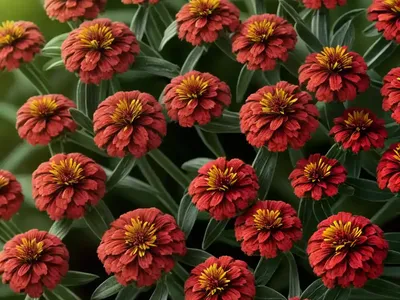
The distinguishing feature of Chocolate Cosmos is its striking maroon-brown flowers that exude a delightful scent reminiscent of dark chocolate. These velvety blooms, with their deep coloration and intricate petal formation, are a standout feature in gardens and floral arrangements.
Foliage
Complementing the captivating flowers, the plant’s foliage consists of slender, lance-shaped leaves that provide an elegant backdrop to the blooms. The lush green foliage serves as a contrasting element to the dark-hued flowers, enhancing the visual appeal of the plant.
Fragrance
One of the most alluring characteristics of Chocolate Cosmos is its captivating fragrance. The flowers emit a distinct chocolatey scent, adding a sensory dimension to the plant’s allure. The enticing aroma makes Chocolate Cosmos a desirable addition to gardens and indoor spaces.
Natural Habitat
The native habitat of Cosmos atrosanguineus is Mexico, where it thrives in warm, sunny conditions with well-draining soil. The plant’s natural environment provides valuable insights into its preferred growing conditions, enabling horticulturists to replicate and optimize these conditions in cultivated settings.
Chocamocha Variety
The Chocamocha variety of Cosmos atrosanguineus is distinguished by its specific traits and characteristics, which set it apart from other varieties of the species. As we explore the cultivation and care of Chocolate Cosmos, we will delve into the distinctive attributes that make the Chocamocha variety an attractive choice for gardeners and plant enthusiasts.
With a foundational understanding of the botanical details and distinguishing features of Cosmos atrosanguineus Chocamocha, we are primed to explore the various facets of its culture and cultivation.
Culture of Cosmos atrosanguineus Chocamocha
Cultivating Chocolate Cosmos is a rewarding endeavor that allows individuals to experience the visual and olfactory delights of this distinctive plant. Whether integrated into outdoor landscapes, flower beds, or containers, understanding the cultural requirements of Chocolate Cosmos is essential for nurturing thriving, flowering specimens.
Uses of Chocolate Cosmos
Before delving into the specific care requirements, it is important to appreciate the diverse uses of Chocolate Cosmos, ranging from its ornamental value to its cultural significance and fragrance.
Gardening
Chocolate Cosmos is a cherished ornamental plant that adds depth and visual interest to gardens, border plantings, and mixed flower beds. Its deep maroon-brown flowers create striking focal points, enhancing the overall aesthetic of the landscape. The graceful foliage serves as an excellent backdrop to the vibrant blooms, contributing to a balanced and harmonious garden composition.
Fragrance
The chocolatey fragrance of Cosmos atrosanguineus is a significant draw for enthusiasts and connoisseurs of scented plants. The alluring aroma not only enriches outdoor spaces but also makes Chocolate Cosmos an ideal candidate for indoor floral displays and cut flower arrangements. The delightful scent adds a sensory dimension to garden landscapes and interior settings, creating an immersive olfactory experience.
Cultural Significance
Beyond its aesthetic and aromatic appeal, Chocolate Cosmos holds cultural significance in various traditions and practices. From symbolizing love and admiration to its association with culinary and medicinal applications, the plant carries a rich tapestry of cultural meanings and practical uses.
With its versatile applications and cultural resonance, Chocolate Cosmos enriches horticultural landscapes and personal spaces, making it a treasured addition to gardening endeavors.
Care Requirements for Chocolate Cosmos
Caring for Cosmos atrosanguineus involves attending to several essential aspects of its cultivation, including watering, sunlight exposure, soil conditions, fertilization, and pruning. By understanding and addressing these care requirements, gardeners can ensure that Chocolate Cosmos thrives and produces an abundance of its distinctive, fragrant flowers.
Water
Providing adequate moisture is crucial for the health and vigor of Chocolate Cosmos. While the plant requires consistent watering, it is important to strike a balance to prevent waterlogged conditions that can lead to root rot. Understanding the optimal watering regimen is essential for promoting healthy growth and flowering.
- Watering Guidelines
- Established Plants: Water deeply once or twice a week, allowing the soil to dry out slightly between watering sessions.
- Container Plants: Ensure proper drainage in containers to prevent water accumulation, and water when the top layer of soil feels dry to the touch.
Sunlight
Like many flowering plants, Chocolate Cosmos thrives in a sunny environment that provides ample sunlight for photosynthesis and flower production. Understanding the sunlight requirements of the plant is integral to its successful cultivation.
- Sunlight Needs
- Full Sun: Chocolate Cosmos flourishes in full sun, requiring at least 6 to 8 hours of direct sunlight each day.
- Shade Tolerance: While the plant prefers full sun, it can tolerate some afternoon shade, especially in regions with intense heat.
Fertilizer
Applying appropriate fertilizers provides Chocolate Cosmos with essential nutrients required for robust growth and prolific flowering. Understanding the fertilization needs of the plant ensures that it receives the necessary elements for healthy development.
- Fertilization Techniques
- Balanced Fertilizer: Apply a balanced, all-purpose fertilizer with a formulation such as 10-10-10 or 20-20-20 in early spring to support active growth and blooming.
- Frequency: Fertilize every 4 to 6 weeks during the growing season, following manufacturer recommendations for application rates.
Soil
The quality of the soil in which Chocolate Cosmos is planted significantly impacts its overall health and performance. Understanding the soil requirements and making appropriate am…