Corydalis Sempervirens (Rock Harlequin)
Plants play an essential role in our environment. They not only add beauty to our surroundings but also contribute to the ecosystem in numerous ways. As a.
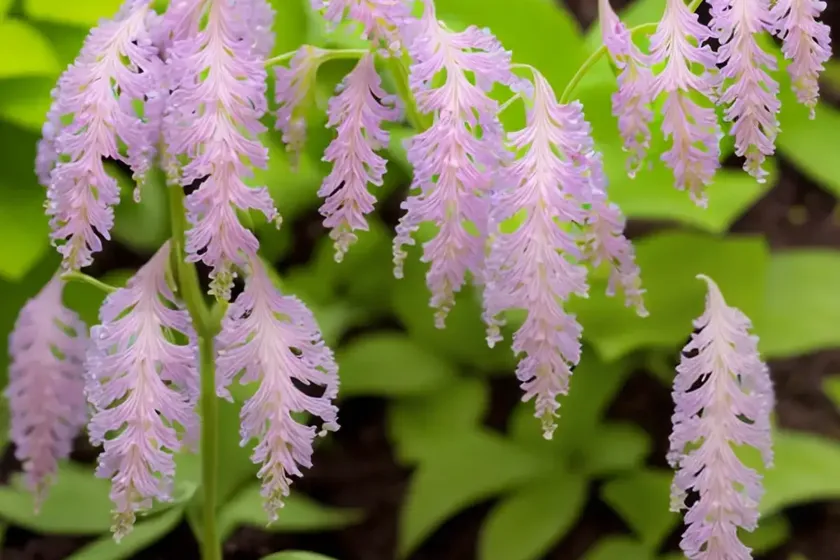
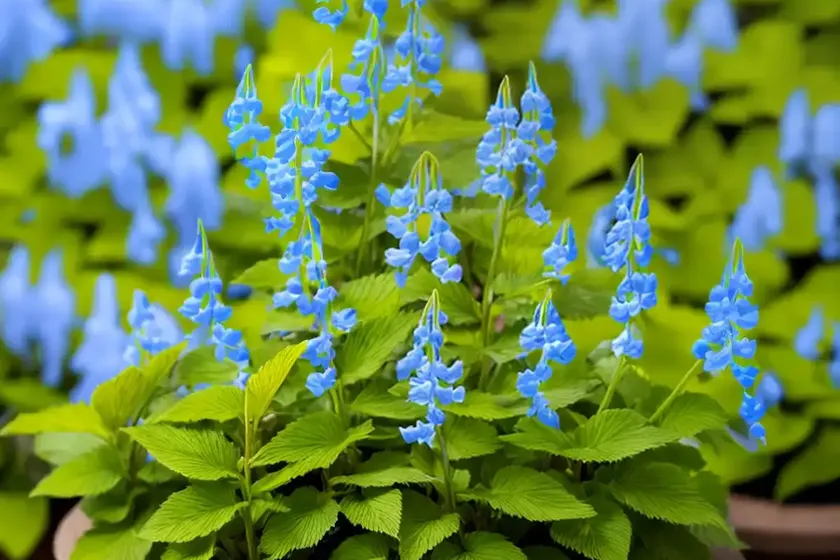
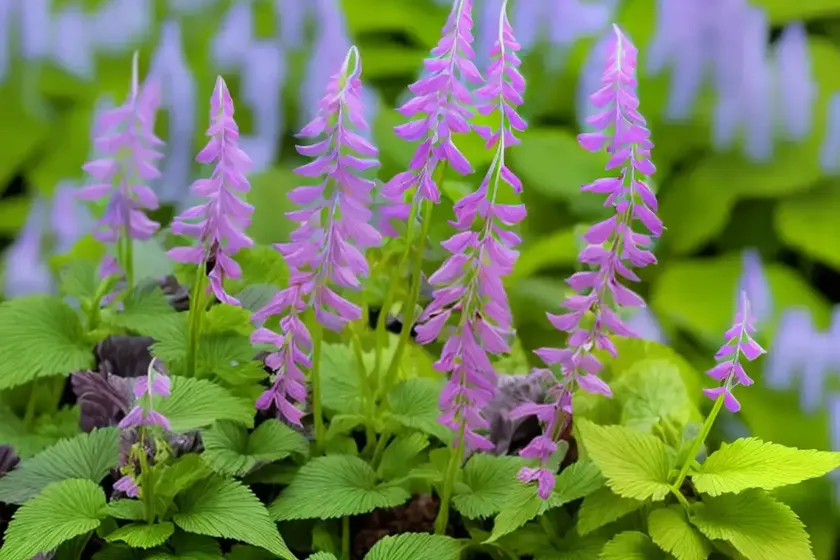
Plants play an essential role in our environment. They not only add beauty to our surroundings but also contribute to the ecosystem in numerous ways. As a plant scientist, I find it fascinating to delve into the intricate details of various plant species. In this comprehensive guide, we will explore the characteristics, cultivation, and uses of Corydalis sempervirens, commonly known as Rock Harlequin.
What is Corydalis sempervirens?
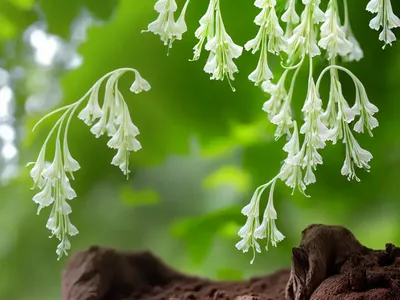
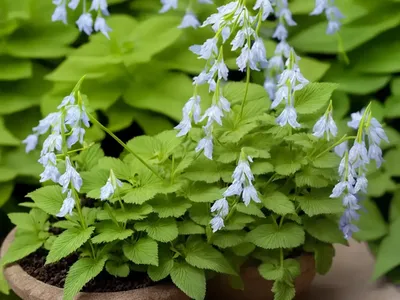
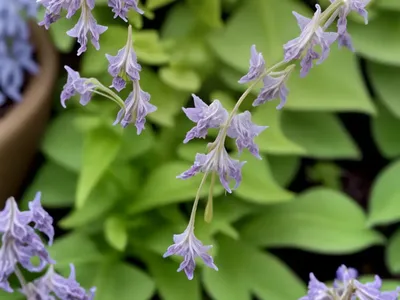
Corydalis sempervirens, commonly referred to as Rock Harlequin, is a flowering plant species that belongs to the Papaveraceae family. Native to rocky woodlands and slopes of North America, especially the Appalachian region, this perennial herbaceous plant is known for its delicate flowers and fern-like foliage.
Taxonomic Classification
Before we proceed further, let’s take a look at the taxonomic details of Corydalis sempervirens:
- Kingdom: Plantae
- Order: Ranunculales
- Family: Papaveraceae
- Genus: Corydalis
- Species: Sempervirens
Key Takeaways – Corydalis sempervirens (Rock Harlequin)
Before we delve into the details of cultivation and care for Corydalis sempervirens, let’s summarize some key takeaways about this charming plant.
- Corydalis sempervirens is a native North American plant that thrives in rocky woodlands and slopes.
- It is characterized by delicate, spurred flowers and attractive fern-like foliage.
- Rock Harlequin is a perennial herbaceous plant, meaning that it lives for more than two years and goes through seasonal growth.
- It belongs to the Papaveraceae family and is closely related to other Corydalis species.
Now that we have a basic understanding of Corydalis sempervirens, let’s delve into the details of its cultivation, care, and uses.
Culture
Understanding the cultural requirements of Corydalis sempervirens is essential for successfully growing and nurturing this plant. The cultural aspects include its preferred habitat, suitable growing conditions, and specific requirements for optimal growth.
Native Habitat
Corydalis sempervirens is indigenous to the rocky woodlands, slopes, and shale barrens of eastern North America. It is often found in regions with well-drained, rocky soils where it can thrive in partial shade.
Planting Guide
When introducing Corydalis sempervirens to a new garden or landscape, consider the following planting guide:
- Soil Requirements: Well-drained, rocky or sandy soil with a slightly acidic to neutral pH.
- Sun Exposure: Partial shade to full shade, especially in regions with hot summers.
- Water Needs: Moderate watering, especially during the growing season, while ensuring the soil does not become waterlogged.
Propagation
Rock Harlequin can be propagated through seeds or division. When propagating through seeds, it is best to start them indoors approximately 8-10 weeks before the last spring frost. Division of mature plants can be done in early spring, separating the rhizomes to create new plantings.
Uses
Understanding the various uses of Corydalis sempervirens adds value to its presence in gardens and natural habitats. From aesthetic appeal to potential medicinal uses, this plant offers a range of benefits.
Ornamental Value
The delicate and colorful flowers of Corydalis sempervirens make it a preferred choice for ornamental gardening. It adds a touch of elegance and natural beauty to shaded or woodland garden areas.
Wildlife Benefits
As a nectar source, Corydalis sempervirens attracts pollinators such as bees and butterflies, contributing to the overall health and biodiversity of the ecosystem.
Medicinal Uses
In traditional herbal medicine, some species of Corydalis are used to alleviate pain and inflammation. While the medicinal uses of Corydalis sempervirens are not as well-documented, it is believed to have potential applications in herbal remedies.
Care
Proper care and maintenance are crucial for the overall health and vitality of Corydalis sempervirens. From watering and pruning to disease control, here are some essential care tips for successfully cultivating Rock Harlequin.
Water
Corydalis sempervirens has moderate water needs. It is important to ensure that the soil is consistently moist but not waterlogged. During hot and dry periods, supplemental watering may be necessary to support the plant’s growth.
Sunlight
Corydalis sempervirens thrives in partial to full shade. In regions with intense sunlight and high temperatures, providing afternoon shade can help protect the plant from heat stress.
Fertilizer
Organic, well-balanced fertilizers can be applied in spring to support the initial growth and development of Corydalis sempervirens. However, excessive fertilization should be avoided to prevent rapid, weak growth.
Soil
Well-drained, sandy or rocky soil with a slightly acidic to neutral pH is ideal for Corydalis sempervirens. Improving soil drainage with organic matter can further enhance the plant’s growth.
Pruning
Regular deadheading of spent flowers can encourage continuous blooming in Corydalis sempervirens. Additionally, removing damaged or diseased foliage supports the overall health of the plant.
Container Gardening
For gardening enthusiasts with limited space or those looking to add a charming touch to their patios and balconies, Corydalis sempervirens can be grown in containers. Here are some key considerations for container gardening with Rock Harlequin:
- Container Size: Choose a container with sufficient depth for the plant’s root system, allowing for adequate growth and development.
- Soil: Use well-draining potting mix to ensure proper moisture levels and prevent waterlogged conditions.
- Sunlight: Place the container in an area with partial to full shade, especially in regions with intense sunlight.
Common Diseases
While Corydalis sempervirens is relatively resistant to diseases and pests, being familiar with potential issues is essential for timely intervention and prevention.
Disease Diagnosis
Some common diseases that may affect Corydalis sempervirens include:
- Powdery Mildew: A fungal disease that appears as a powdery white coating on the foliage.
- Crown Rot: Caused by waterlogged soil conditions, leading to rotting of the plant’s crown and root system.
Proper sanitation, adequate air circulation, and well-drained soil can help prevent these diseases.
Common Pests
Pest infestations can pose a threat to the health and vitality of Corydalis sempervirens. Being aware of potential pests and their management is essential for effective pest control.
Pest Management
- Slugs and Snails: These pests are particularly attracted to the succulent foliage of Corydalis sempervirens. Manual removal and the use of natural repellents can help manage their populations.
- Aphids: Regularly inspect the plant for aphid infestations and use water sprays or insecticidal soaps for control.
Botanist’s Tips
As a plant scientist, I would like to share some additional insights and tips for cultivating Corydalis sempervirens based on my research and experience:
- Companion Plants: Pair Corydalis sempervirens with other shade-loving perennials such as Hosta, Astilbe, and Bleeding Heart for a harmonious woodland garden.
- Mulching: Applying a layer of organic mulch around the base of the plant can help maintain soil moisture and inhibit weed growth. However, avoid mulch buildup against the stem to prevent crown rot.
Fun Facts
To add a touch of intrigue and fascination, here are some interesting and lesser-known facts about Corydalis sempervirens:
- The genus name “Corydalis” is derived from the Greek word “korydalis,” which refers to the crested lark, alluding to the spurred flowers of the plant.
- Corydalis sempervirens is known for its extended blooming period, offering colorful flowers from spring through early summer.
Links to External Resources
If you’d like to explore further information on Corydalis sempervirens, here are some valuable external resources:
As we conclude this comprehensive guide on Corydalis sempervirens, I hope you have gained valuable insights into the cultivation, care, and uses of this charming plant. Whether you are an avid gardener seeking to enhance your landscape or a nature enthusiast intrigued by the beauty of native flora, Corydalis sempervirens undoubtedly offers a delightful addition to any garden or natural setting.
Remember to embrace the delicate allure of Rock Harlequin, and may your gardening endeavors bloom with joy and abundance!
Featured image source: Corydalis sempervirens by Rex Trulove