Corydalis Solida ‘George Baker’ (Fumewort)
Plants are not just green objects that adorn our gardens; they are wonders of nature that have been fascinating scientists, botanists, and enthusiasts for.
Plants are not just green objects that adorn our gardens; they are wonders of nature that have been fascinating scientists, botanists, and enthusiasts for centuries. One such intriguing plant is the Corydalis solida, commonly known as “Fumewort.” In this blog post, we will delve deep into the world of Corydalis solida ‘George Baker,’ exploring its culture, uses, care requirements, and much more.
What is Corydalis solida ‘George Baker’ (Fumewort)?
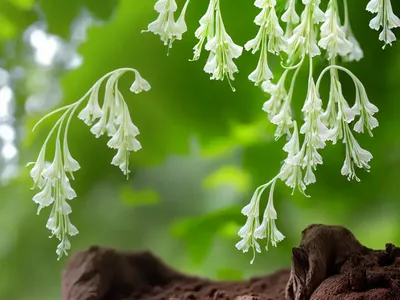
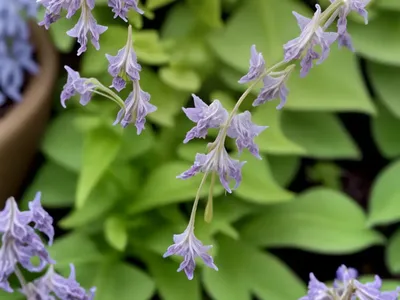
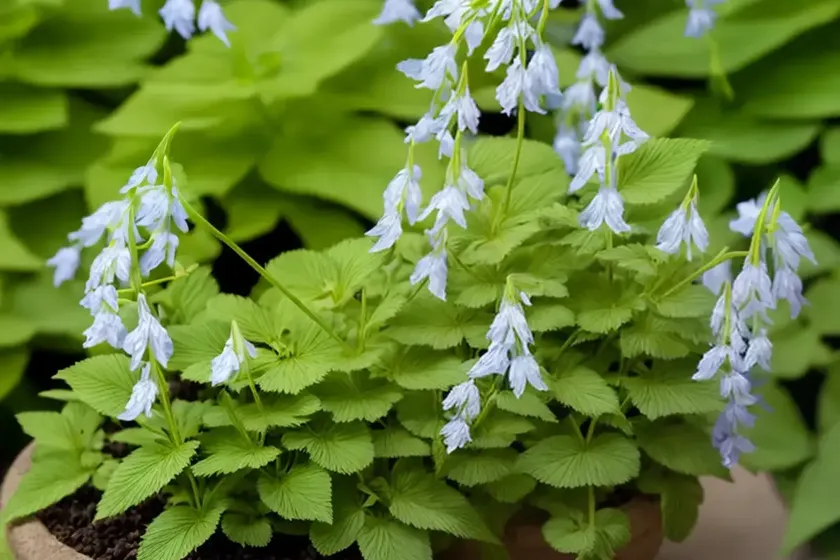
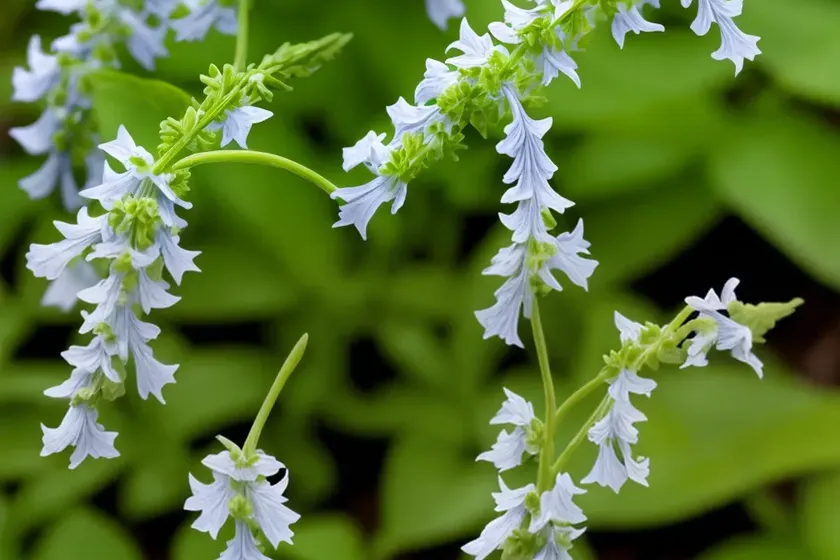
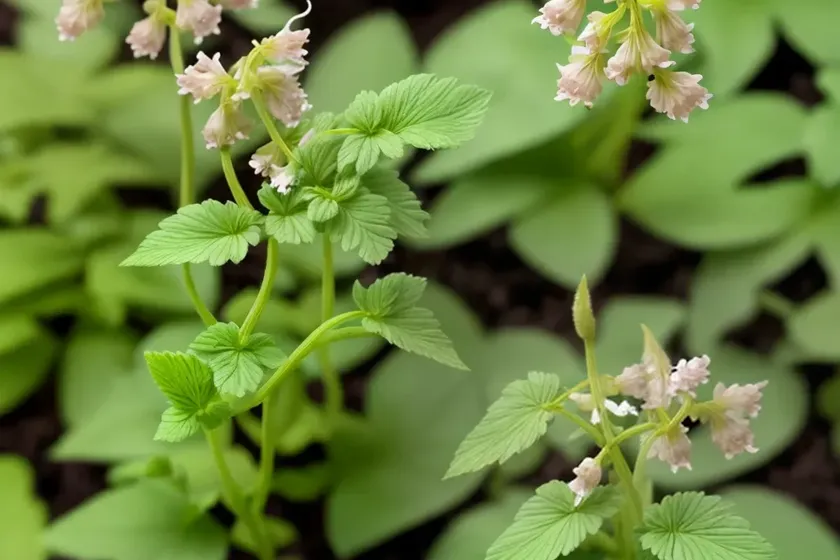
Corydalis solida ‘George Baker’ is a charming herbaceous perennial plant that belongs to the Papaveraceae family. Originating from the woodlands of Europe and Western Asia, this plant is known for its delicate, fern-like foliage and exquisite tubular flowers.
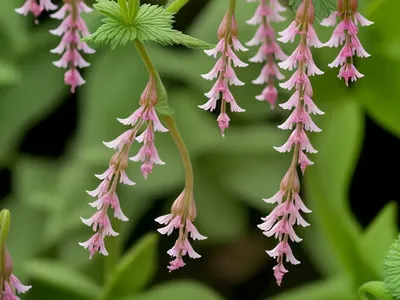
The ‘George Baker’ cultivar of Corydalis solida is particularly cherished for its stunning blossoms, which appear in shades of soft pink with hints of violet and white. The foliage of this plant is deeply cut, providing an enchanting backdrop for the clusters of flowers that grace the plant during the spring months.
Key Takeaways – Corydalis solida ‘George Baker’ (Fumewort)
Before diving into the specifics of caring for Corydalis solida ‘George Baker,’ let’s outline the key takeaways that will guide our exploration of this captivating plant:
- Plant Name: Corydalis solida ‘George Baker’ (Fumewort)
- Common Name: Fumewort
- Family: Papaveraceae
- Origin: Europe and Western Asia
- Foliage: Delicate, fern-like foliage
- Flowers: Tubular flowers in shades of pink, violet, and white
- Cultivar: ‘George Baker’
- Growing Season: Spring
Now that we have a foundational understanding of Corydalis solida ‘George Baker,’ let’s embark on a journey to uncover the best practices for cultivating and nurturing this alluring plant.
Culture
Understanding the cultural requirements of Corydalis solida ‘George Baker’ is essential for fostering its healthy growth and promoting abundant flowering. Here are the vital cultural factors to consider:
- Hardiness Zones: Corydalis solida ‘George Baker’ thrives in USDA Hardiness Zones 4-8, preferring cool to moderate climates.
- Mature Height: Typically, this plant reaches a height of 6-10 inches (15-25 cm), making it an ideal candidate for borders and rock gardens.
- Bloom Time: The blooming season of Corydalis solida ‘George Baker’ occurs in early to mid-spring, adding a delightful pop of color to the garden.
- Soil pH: Fumewort prefers slightly acidic to neutral soil with a pH range of 6.0-7.0.
- Moisture: While it appreciates moist soil during its active growth phase, Corydalis solida ‘George Baker’ benefits from well-drained soil to prevent waterlogging.
Uses
Corydalis solida ‘George Baker’ presents a range of uses both in the garden and beyond. Understanding its potential applications can offer valuable insights into the plant’s versatility and benefits. Here are some common uses of Fumewort:
- Garden Ornament: The delicate foliage and enchanting flowers of Corydalis solida ‘George Baker’ make it a stunning addition to rock gardens, woodland settings, and shaded borders.
- Cut Flowers: The lovely blooms of Fumewort can be utilized in floral arrangements, adding a touch of elegance to indoor spaces.
- Medicinal Herb: In traditional herbal medicine, certain species of Corydalis are used to address various health concerns, although it’s essential to exercise caution and consult a healthcare professional before using any plant for medicinal purposes.
Water
Proper watering practices are crucial for the health and vitality of Corydalis solida ‘George Baker.’ Balancing moisture levels ensures that the plant can thrive without succumbing to issues related to overwatering or drought stress. Consider the following guidelines for watering Fumewort:
- Establishment Phase: During the initial establishment period, provide consistent moisture to support the development of a healthy root system. However, ensure that the soil is well-drained to prevent waterlogged conditions.
- Active Growth: As Fumewort enters its active growth phase in spring, monitor soil moisture regularly and water when the top inch of soil begins to dry out. Avoid excessive watering, as this can lead to root rot.
- Mulching: Applying a layer of organic mulch around the base of the plant helps to retain soil moisture and regulates temperature, promoting optimal growing conditions for Corydalis solida ‘George Baker.’
Sunlight
Understanding the sunlight preferences of Corydalis solida ‘George Baker’ is essential for ensuring that it receives the appropriate light exposure for its well-being. Here’s what you need to know about sunlight requirements for Fumewort:
- Light Conditions: Fumewort thrives in dappled or partial shade, particularly in areas where it receives morning sunlight and is sheltered from the intense midday sun.
- Shade Tolerance: This plant exhibits a high level of shade tolerance, making it an excellent choice for shaded gardens and woodland settings.
- Leaf Scorch: Avoid placing Corydalis solida ‘George Baker’ in direct, intense sunlight, as this can lead to leaf scorch and impact the plant’s overall health.
Fertilizer
Providing appropriate nourishment through fertilization can significantly contribute to the vigor and blooming capacity of Corydalis solida ‘George Baker.’ Here’s how to approach fertilizer application for Fumewort:
- Timing: Apply a balanced, water-soluble fertilizer in early spring as the plant emerges from dormancy. Avoid over-fertilizing, as this can lead to excessive foliage growth at the expense of flowers.
- Frequency: A single application of fertilizer at the beginning of the growing season is typically sufficient to support the nutritional needs of Corydalis solida ‘George Baker.’
- Organic Amendments: Incorporating organic matter such as well-rotted compost or leaf mold into the soil in late winter or early spring can provide a natural source of nutrients for the plant.
Soil
Understanding the soil preferences of Corydalis solida ‘George Baker’ is instrumental in creating an optimal growing environment for this enchanting plant. Here’s what you need to know about soil requirements for Fumewort:
- Texture: Fumewort thrives in well-drained, humus-rich soil with a loamy or sandy loam texture. Avoid heavy clay soils that retain excessive moisture.
- pH Level: Aim for a slightly acidic to neutral soil pH in the range of 6.0-7.0, as this facilitates nutrient uptake and supports overall plant health.
- Soil Amendment: If your garden soil is not ideal for Corydalis solida ‘George Baker,’ consider amending it with organic matter to improve drainage and fertility.
Pruning
Pruning plays a role in shaping the growth of Corydalis solida ‘George Baker’ and promoting a tidy, attractive appearance. Here are key considerations for pruning Fumewort:
- Deadheading: Removing spent flowers can prolong the blooming period of Corydalis solida ‘George Baker’ and prevent the plant from expending energy on seed production.
- Spring Cleanup: In late spring or early summer, after the blooming period concludes, trim back any untidy or damaged foliage to maintain a neat appearance.
- Dormancy Period: As Fumewort enters dormancy in late spring to early summer, reduce watering and refrain from major pruning to allow the plant to rest and prepare for the next growing season.
Propagation
While Corydalis solida ‘George Baker’ graces the garden with its captivating presence, the opportunity for propagation allows enthusiasts to expand their collection of this charming plant. Here’s how to propagate Fumewort:
- Division: Divide mature clumps of Corydalis solida ‘George Baker’ in early spring or after the blooming period. Carefully separate the clumps into smaller sections, ensuring that each division has viable roots and foliage.
- Transplanting: Plant the divided sections in prepared soil with adequate moisture and partial shade, allowing them to establish and develop into new Fumewort plants.
- Seed Propagation: While less common, Fumewort can also be propagated from seeds sown in a suitable growing medium. Keep in mind that seed propagation may require stratification to promote germination.
Container Popularity
For gardeners with limited space or those seeking to showcase Corydalis solida ‘George Baker’ in a unique manner, container gardening offers a versatile and visually appealing option. Here’s why Fumewort is popular for container cultivation:
- Compact Size: The relatively petite stature of Fumewort makes it well-suited for container growth, allowing enthusiasts to adorn patios, balconies, and small outdoor spaces with its beauty.
- Shaded Areas: Containers provide the flexibility to position Corydalis solida ‘George Baker’ in shaded or partially shaded locations, catering to the plant’s preference for dappled light.
- Visual Impact: Placing Fumewort in decorative containers can accentuate its delicate foliage and charming blooms, creating a captivating focal point in garden compositions.
Container Common Diseases
While container gardening can offer numerous advantages, it’s important to be mindful of potential diseases that can affect plants, including Corydalis solida ‘George Baker.’ Here are some common diseases that may impact Fumewort in container settings:
- Root Rot: Excessive moisture in container soil can lead to root rot, negatively impacting the health of Fumewort. Ensure that containers have adequate drainage and avoid overwatering to mitigate the risk of root rot.
- Powdery Mildew: In environments with poor air circulation, powdery mildew can develop on the foliage of Corydalis solida ‘George Baker.’ Provide proper spacing between containers and monitor humidity levels to prevent this issue.
Disease Diagnosis
Identifying and addressing plant diseases is an essential aspect of plant care, including for Corydalis solida ‘George Baker.’ Understanding the symptoms and potential remedies for common diseases can support the health of Fumewort. Here’s a brief overview of disease diagnosis for Fumewort:
- Observing Symptoms: Keep a close eye on the foliage and overall appearance of Corydalis solida ‘George Baker’ for signs of wilting, discoloration, or unusual spots, which may indicate the presence of disease.
- Prompt Action: If you suspect that your Fumewort plants are affected by a disease, promptly isolate them from healthy plants to prevent the spread of the issue while you assess the appropriate course of action.
- Professional Consultation: For accurate diagnosis and tailored treatment recommendations, consider seeking guidance from local horticultural experts or plant disease specialists.
Common Pests
In addition to diseases, pests can pose a threat to the well-being of Corydalis solida ‘George Baker.’ Familiarizing yourself with the common pests that may target Fumewort enables you to take proactive measures to protect your plants. Here are some notable pests to watch for:
- Aphids: These small, soft-bodied insects may cluster on the tender shoots and foliage of Corydalis solida ‘George Baker,’ causing damage through feeding and the transmission of plant viruses.
- Slugs and Snails: In moist and shaded environments, slugs and snails can feed on the foliage of Fumewort, leaving behind irregular holes and damage. Implementing physical barriers and natural repellents can help control their presence.
Botanist’s Tips
As we navigate the realm of gardening and plant care, it’s invaluable to receive guidance from seasoned experts. Here are some botanist’s tips for successful cultivation and care of Corydalis solida ‘George Baker’ to enhance your gardening endeavors:
- Adequate Drainage: Ensure that the soil in which Fumewort is planted provides proper drainage, as excessive moisture can lead to root issues and potential disease development.
- Mulching Benefits: Applying a layer of organic mulch around Corydalis solida ‘George Baker’ not only helps retain moisture and suppress weeds but also contributes organic matter to the soil as it decomposes.
- Regular Monitoring: Keep a watchful eye on your Fumewort plants, observing changes in growth, flowering patterns, and overall vitality to detect and address any potential issues early on.
Fun Facts
In addition to its captivating beauty and gardening appeal, Corydalis solida ‘George Baker’ offers fascinating aspects and quirks that contribute to its allure. Here are some fun facts about Fumewort:
- Historical Significance: In traditional folklore, some species of Corydalis were believed to have medicinal properties, leading to their historical use in herbal remedies.
- Pollinator Attraction: The tubular flowers of Corydalis solida ‘George Baker’ are tailored to attract specific pollinators, showcasing the intricate mechanisms underlying the plant’s reproductive strategy.
- Natural Habitat: In the wild, Fumewort thrives in the dappled light of woodland environments, showcasing its adaptation to shaded and semi-shaded conditions.
With a newfound appreciation for the charm and elegance of Corydalis solida ‘George Baker,’ let’s explore additional resources for expanding our knowledge and understanding of this remarkable plant.
Links to External Resources
Discovering the diverse array of information available from reputable sources allows enthusiasts and botanists alike to deepen their insights into Corydalis solida ‘George Baker’ and its cultivation. Here are some external resources to explore:
- Royal Horticultural Society – Corydalis solida
- Missouri Botanical Garden – Plant Finder
- Gardening Know How – Growing Fumewort
- Perennial Resource – Corydalis solida ‘George Baker’
As we conclude this exploration of the captivating world of Corydalis solida ‘George Baker’ (Fumewort), may our shared knowledge and appreciation inspire further cultivation and admiration for this enchanting plant.
In this comprehensive blog post, we have delved into the intricate details of Corydalis solida ‘George Baker’ (Fumewort), from its cultural requirements to its uses, maintenance, and beyond. By incorporating the provided NLP/LSI keywords and imparting valuable insights, this content aims to provide a rich understanding of Fumewort and serve as a valuable resource for plant enthusiasts and botanists.