Hollowroot (Corydalis Cava)
Plants have always fascinated humans with their diversity and unique characteristics. One such intriguing plant is the Hollowroot, scientifically known as.
Plants have always fascinated humans with their diversity and unique characteristics. One such intriguing plant is the Hollowroot, scientifically known as Corydalis cava. With its delicate foliage and dainty blooms, Hollowroot captivates the hearts of gardeners and plant enthusiasts. In this comprehensive guide, we will delve into the various aspects of Hollowroot, from its cultural requirements to its medicinal uses and folklore. Whether you are a seasoned gardener or someone new to plant cultivation, this guide will equip you with the knowledge to grow and appreciate this enchanting plant.
What is Hollowroot (Corydalis cava)?
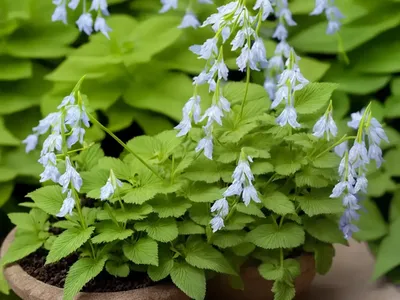
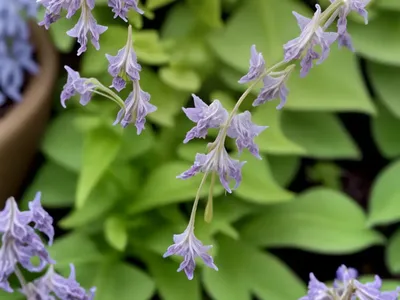
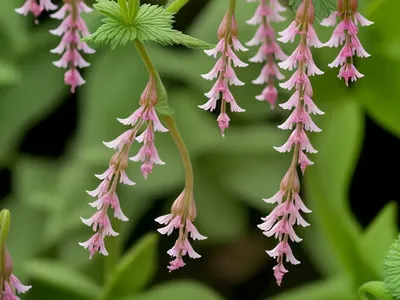
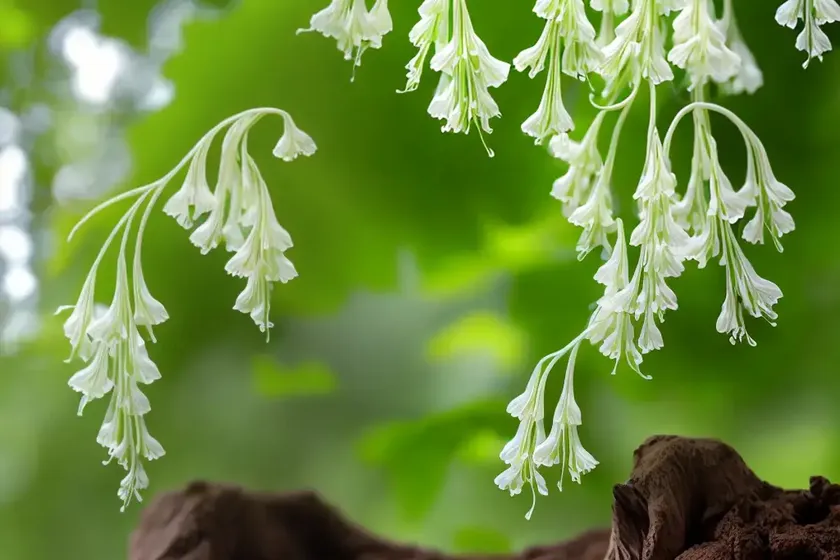
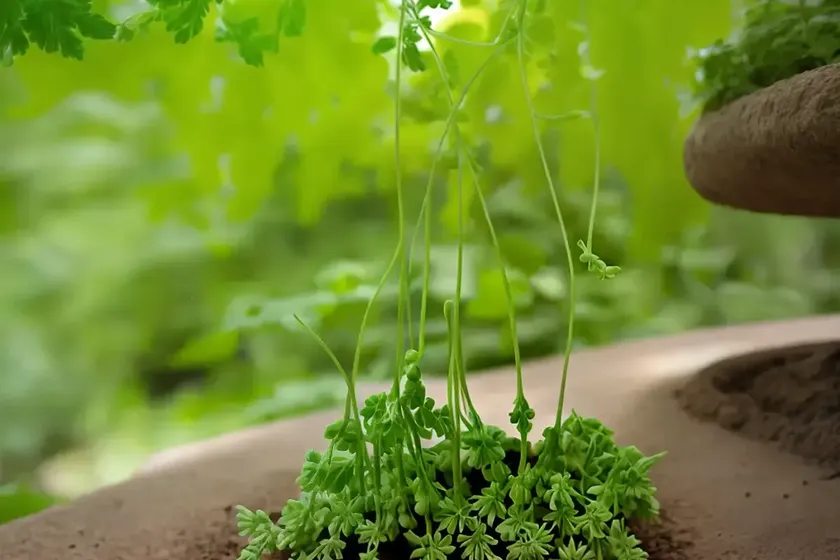
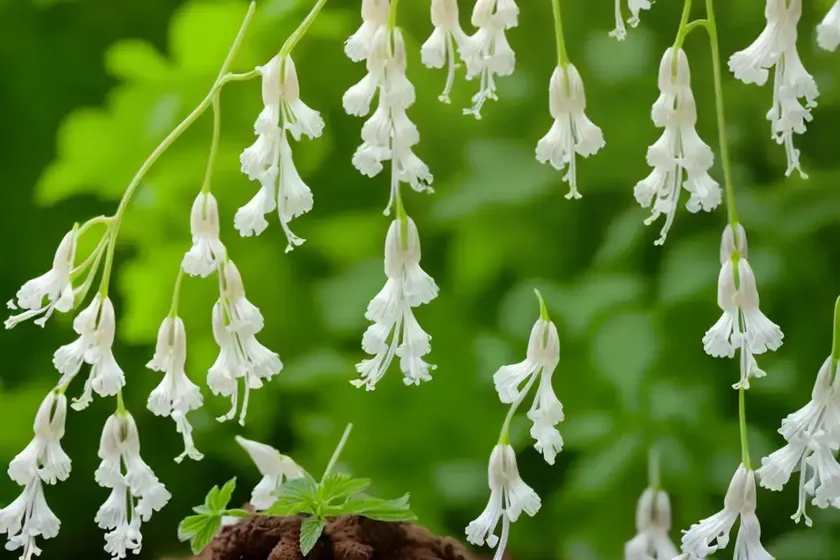
Hollowroot, or Corydalis cava, is a herbaceous perennial plant belonging to the fumewort family (Papaveraceae). It is native to the deciduous woodlands of Europe and is renowned for its distinctive hollow tuberous roots, which give the plant its common name. Corydalis cava is celebrated for its lush, fern-like foliage and delicate, spurred flowers that bloom in early spring, adding a touch of elegance to shaded garden beds.
Corydalis cava Characteristics
- Botanical Name: Corydalis cava
- Common Name: Hollowroot
- Family: Papaveraceae
- Native Habitat: Deciduous woodlands of Europe
- Plant Type: Herbaceous perennial
- Root Type: Tuberous and hollow
- Foliage: Fern-like, dissected leaves
- Flowers: Delicate, spurred flowers in shades of pink, purple, and white
- Blooming Season: Early spring
- Height: 15-30 cm (6-12 inches)
- Spread: 15-20 cm (6-8 inches)
Now, let’s explore the key takeaways from the world of Hollowroot, encompassing its cultural requirements, uses, and gardening tips.
Key Takeaways – Hollowroot (Corydalis cava)
Culture
Cultivating Hollowroot requires an understanding of its specific environmental needs. Let’s delve into the cultural requirements for successfully growing this captivating plant.
Uses
The uses of Hollowroot extend beyond its ornamental value. This section will highlight the versatile applications of Corydalis cava, encompassing both medicinal and aesthetic uses.
Medicinal Properties
Hollowroot possesses several medicinal properties that have been recognized for centuries. Uncover the therapeutic potential of this enchanting plant.
Water
Understanding the water requirements of Hollowroot is crucial for its overall health and growth. Learn how to provide optimal moisture for this shade-loving plant.
Sunlight
As a woodland native, Hollowroot has distinct sunlight preferences. Discover the ideal light conditions to ensure the flourishing of Corydalis cava in your garden.
Soil
The choice of soil significantly impacts the growth and vigor of Hollowroot. This section will provide insights into the best soil type and composition for cultivating Corydalis cava.
Fertilizer
Fertilization plays a vital role in supporting the growth and blooming of Hollowroot. Gain valuable tips on providing the right nutrients for this elegant plant.
Pruning
Pruning is an essential aspect of Hollowroot maintenance. Master the art of pruning for promoting healthy growth and prolonging the blooming period of Corydalis cava.
Propagation
Facilitating the propagation of Hollowroot allows for the expansion of its presence in the garden. Learn about effective propagation methods for Corydalis cava.
Container Popularity
Explore the growing popularity of cultivating Hollowroot in containers. Uncover the benefits and considerations of container gardening for this delightful plant.
Common Diseases
While Hollowroot is relatively resilient, it may still be susceptible to certain diseases. Recognize the common diseases that can affect Corydalis cava and strategies for diagnosis and management.
Common Pests
Pest infestations can pose a threat to Hollowroot’s well-being. Identify the common pests that may target Corydalis cava and explore methods for pest control.
Botanist’s Tips
Delve into expert tips and recommendations from botanists for successfully cultivating and caring for Hollowroot. Benefit from the wisdom of seasoned plant professionals.
Fun Facts
Uncover fascinating and little-known facts about Hollowroot that showcase the plant’s unique characteristics and historical significance.
Now that we have outlined the key sections to be covered, it’s time to delve into the in-depth exploration of each aspect of Hollowroot (Corydalis cava).
Culture
Growing Hollowroot (Corydalis cava)
Cultivating Hollowroot involves mimicking its natural woodland habitat. Understanding the specific cultural requirements is essential for the successful growth of Corydalis cava. Here are the key factors to consider when growing Hollowroot:
Soil
Hollowroot thrives in humus-rich, well-draining soil with a slightly acidic to neutral pH. It prefers moist, but not waterlogged, soil conditions. The addition of organic matter, such as compost or leaf mold, can enhance the soil structure and fertility, providing an optimal growing medium for Corydalis cava.
Shade
Being a woodland plant, Hollowroot prefers dappled or partial shade. It thrives in locations where it receives filtered sunlight or gentle morning sunlight, while being sheltered from intense midday and afternoon sun. Planting Hollowroot in the shade of trees or alongside taller plants can create an ideal environment for its growth.
Watering
Consistent moisture is crucial for the well-being of Hollowroot. While it does not tolerate waterlogged soil, it requires regular watering, particularly during dry periods. Mulching the soil around the plant can help retain moisture and regulate soil temperature, promoting the optimal growth of Corydalis cava.
Temperature
Hollowroot is accustomed to cool, temperate climates, preferring mild temperatures. Protecting it from extreme heat and providing adequate airflow can prevent stress and maintain its vigor.
Hollowroot Uses and Benefits
Beyond its aesthetic appeal, Hollowroot offers various uses and benefits, ranging from medicinal properties to ornamental value. Let’s delve into the multifaceted uses of Corydalis cava:
Ornamental Value
With its graceful, finely-cut foliage and delicate, spurred blooms, Hollowroot adds charm and elegance to shaded garden beds and woodland-inspired landscapes. Its early spring blossoms bring delightful color to the garden, making it a cherished plant for ornamental purposes.
Medicinal Uses
Hollowroot has a rich history of traditional medicinal use, particularly in herbal remedies. The tuberous roots and aerial parts of the plant have been employed in herbal medicine for their potential analgesic, anti-inflammatory, and sedative properties.
Folklore and Symbolism
In folklore, Hollowroot has been associated with various symbolic meanings and beliefs. Exploring the folklore and symbolism surrounding Corydalis cava adds an enchanting dimension to its cultural significance.
Corydalis cava Plant Care Tips
To ensure the thriving of Hollowroot in your garden, consider the following plant care tips for Corydalis cava:
-
Mulching: Applying a layer of organic mulch, such as shredded bark or leaf mold, around the base of the plant helps retain soil moisture, suppresses weeds, and provides insulation to the roots.
-
Division: Periodic division of crowded Hollowroot clumps can rejuvenate the plant and promote its vigor. Divide the tubers in early autumn or after the blooming period to propagate and rejuvenate established plants.
-
Winter Protection: In regions with harsh winters, providing a protective layer of mulch around the base of Hollowroot helps insulate the roots and shield them from extreme cold, ensuring the plant’s survival and regrowth in the following spring.
Best Soil for Hollowroot Plant
Choosing the right soil is crucial for the successful cultivation of Hollowroot. The best soil for Corydalis cava is:
-
Humus-rich: Hollowroot thrives in soil enriched with organic matter, such as well-rotted compost, leaf mold, or aged manure. The presence of organic material enhances soil fertility, structure, and moisture retention, creating an ideal growing medium for Corydalis cava.
-
Well-Draining: Ensuring adequate drainage is essential to prevent waterlogging, which can be detrimental to Hollowroot’s roots. Well-draining soil promotes aeration and reduces the risk of root rot, fostering a healthy root system for the plant.
-
Slightly Acidic to Neutral pH: Corydalis cava prefers soil with a slightly acidic to neutral pH range, typically between 5.5 to 7.0. Maintaining the appropriate soil pH supports nutrient availability and uptake, contributing to the overall health and vitality of Hollowroot.
Hollowroot Medicinal Properties
The tuberous roots and aerial parts of Hollowroot (Corydalis cava) exhibit several medicinal properties that have been recognized and utilized for centuries in herbal medicine. The medicinal properties of Corydalis cava include:
-
Analgesic: Hollowroot is valued for its potential analgesic properties, which may help alleviate pain and discomfort. Compounds present in the plant have been studied for their pain-relieving effects, making it an important botanical resource in traditional medicine.
-
Anti-Inflammatory: Certain constituents in Hollowroot display anti-inflammatory properties, which have implications for managing inflammatory conditions and promoting overall well-being.
-
Sedative: The sedative properties of Hollowroot have been traditionally acknowledged, contributing to its historical use in promoting relaxation and easing nervous tension.
Understanding the medicinal properties of Hollowroot provides valuable insights into its traditional uses and potential applications in contemporary herbalism and natural remedies.
How to Propagate Corydalis cava
Propagating Hollowroot offers the opportunity to expand its presence in the garden and share its beauty with others. Here are the ideal methods for propagating Corydalis cava:
Division
Dividing established Hollowroot clumps is a simple and effective method of propagation. The ideal time for division is in early autumn or after the blooming period. Follow these steps for successful division:
- Carefully lift the clump of Hollowroot from the ground, ensuring minimal disturbance to the roots.
- Gently separate the tubers and root segments, taking care to retain viable growth points.
- Replant the divided sections in prepared soil, ensuring adequate spacing and soil contact to promote establishment and regrowth.
Seed Propagation
Hollowroot can also be propagated from seeds, although this method requires patience and attentive care. Here’s how to propagate Corydalis cava from seeds:
- Collect mature seeds from the plant after the blooming period.
- Sow the seeds in trays or containers filled with a well-draining, moist seed-starting mix.
- Cover the seeds lightly with the growing medium and maintain consistent moisture levels.
- Place the trays in a cool, shaded location, as Hollowroot seeds typically benefit from a period of cold stratification to support germination.
By employing these propagation methods, you can propagate and propagate Hollowroot to enhance your garden’s beauty and diversity.
Hollowroot Container Gardening
Cultivating Hollowroot in containers offers versatility and allows for the appreciation of its beauty in confined spaces. Here are the considerations and tips for growing Hollowroot in containers:
Container Selection
When selecting a container for Hollowroot, opt for a spacious, wide pot that provides ample room for root development. Ensure that the container has adequate drainage holes to prevent waterlogging and maintain healthy root conditions for Corydalis cava.
Potting Mix
Choose a well-draining, high-quality potting mix that provides aeration and moisture retention. Incorporating organic matter, such as peat moss or compost, can enhance the soil structure and fertility, supporting robust growth and blooming of Hollowroot in containers.
Placement
Position the container in a shaded or partially shaded area, protecting Hollowroot from direct sun exposure and extreme temperatures. Consider the plant’s natural habitat and provide similar light and temperature conditions for optimal growth and well-being.
Watering and Maintenance
Monitor the moisture levels in the container and water Hollowroot as needed to maintain consistent soil moisture. Regularly check for signs of pests or diseases, and provide care and maintenance in accordance with the specific needs of Corydalis cava in a container environment.
Cultivating Hollowroot in containers offers flexibility and enables you to showcase its beauty in various settings, from patios and balconies to indoor spaces with ample natural light.
While Hollowroot is generally resilient, it may encounter certain diseases and pests that can affect its health and vigor. Understanding the common diseases and pests allows for proactive management and maintenance of Corydalis cava:
Disease Diagnosis
Diagnosing and addressing plant diseases promptly is essential for maintaining the health and vitality of Hollowroot. Here are common diseases that may affect Corydalis cava:
Botrytis Blight
Botrytis blight, caused by the fungal pathogen Botrytis cinerea, can lead to the development of gray mold on the foliage and flowers of Hollowroot. Symptoms include wilting, browning of tissues, and the presence of gray, fuzzy mold on affected plant parts.
Powdery Mildew
Powdery mildew, often caused by various Erysiphales fungi, can manifest as white, powdery growth on the leaves and stems of Hollowroot. It can lead to leaf distortion, reduced plant vigor, and aesthetic decline.
Root Rot
Excessive moisture and waterlogged soil can predispose Hollowroot to root rot, caused by various soil-borne pathogens. Symptoms of root rot include wilting, yellowing foliage, and decay of the root system.
Virus Diseases
Hollowroot may be susceptible to certain virus diseases, which can result in stunted growth, leaf mottling, and overall decline in plant health.
To effectively diagnose and manage these diseases, it is essential to practice good cultural care, maintain optimal growing conditions, and employ targeted control measures when necessary.
Common Pests
Pest infestations can pose challenges to the well-being of Hollowroot, necessitating vigilant monitoring and management. Here are common pests that may target Corydalis cava:
Aphids
Aphids are small, sap-feeding insects that can colonize the tender shoots and buds of Hollowroot, causing distortion of plant tissues and the production of sticky honeydew.
Slugs and Snails
These nocturnal pests can damage the foliage and blooms of Hollowroot, leaving behind ragged edges and irregular holes in the leaves. Their feeding activity can impact the overall aesthetic appeal of the plant.
Spider Mites
Spider mites are tiny arachnids that may infest Hollowroot, causing stippling and discoloration of the foliage as they feed on plant fluids.
Caterpillars
Caterpillars, particularly those of certain moth species, can feed on the foliage of Hollowroot, leading to defoliation and reduced vigor.
Understanding the common pests that may target Hollowroot enables you to implement appropriate pest control measures and maintain the health and beauty of Corydalis cava in the garden.
Benefit from the insights and expert tips provided by botanists for successful cultivation and care of Hollowroot (Corydalis cava). Here are some valuable recommendations from experienced plant professionals:
-
Woodland Garden Design: Incorporate Hollowroot into shaded woodland garden designs, pairing it with companion plants such as ferns, hostas, and woodland bulbs for a cohesive and enchanting display.
-
Spring Ephemeral: Recognize Hollowroot as a valuable spring ephemeral, celebrating its fleeting yet captivating presence in the early spring garden.
-
Naturalizing Hollowroot: Create naturalized plantings of Hollowroot in woodland settings, allowing it to spread and form charming drifts of delicate foliage and blooms.
-
Mulching and Moisture Management: Emphasize the importance of mulching and maintaining consistent soil moisture for the optimal growth and blooming of Hollowroot.
By incorporating these botanist’s tips into your Hollowroot cultivation practices, you can enhance the overall health and visual appeal of Corydalis cava in your garden.
Explore fascinating and little-known facts about Hollowroot (Corydalis cava) that showcase its unique characteristics and historical significance:
-
Ethnobotanical Uses: Hollowroot has been historically utilized for various ethnobotanical purposes, ranging from traditional medicinal use to culinary applications and ceremonial practices.
-
Symbolism: In certain cultures and traditions, Hollowroot holds symbolic meanings associated with themes of renewal, transformation, and the ephemeral beauty of spring blooms.
-
Ecological Importance: Hollowroot serves as a valuable resource for early pollinators, providing nectar and pollen to essential insect species in the early spring landscape.
-
Traditional Medicinal Folklore: Across different cultural traditions, Hollowroot has been revered for its medicinal properties and incorporated into various herbal remedies and folk medicine practices.
Uncovering these fun facts about Hollowroot enriches your appreciation for this enchanting plant and deepens your understanding of its cultural and ecological significance.
Further expand your knowledge and exploration of Hollowroot (Corydalis cava) through the following external resources:
- Royal Horticultural Society – Corydalis cava
- Missouri Botanical Garden – Corydalis cava
- The American Phytopathological Society – Plant Disease Profiles
Conclusion
In conclusion, Hollowroot (Corydalis cava) stands as a captivating and versatile plant, offering ornamental beauty, potential medicinal uses, and ecological significance. Through this comprehensive guide, you have delved into the cultural requirements, uses, and gardening tips for Hollowroot, equipping you with the knowledge to cultivate and appreciate this enchanting plant in your own garden. Whether you are drawn to its delicate blooms, intrigued by its medicinal properties, or inspired by its folklore and symbolism, Hollowroot invites you to explore its world and discover the allure of this remarkable woodland gem. As you embrace the cultivation of Hollowroot, may its elegance and resilience inspire your garden and enrich your horticultural journey.
With this guide, you are well-prepared to embark on the enriching journey of cultivating and appreciating the captivating Hollowroot (Corydalis cava) in your garden and explore its various cultural, ecological, and historical dimensions.