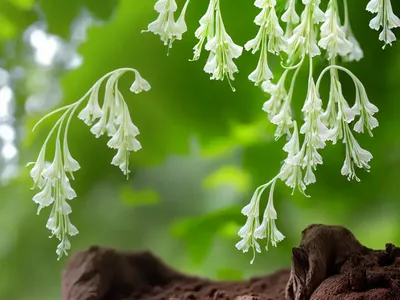
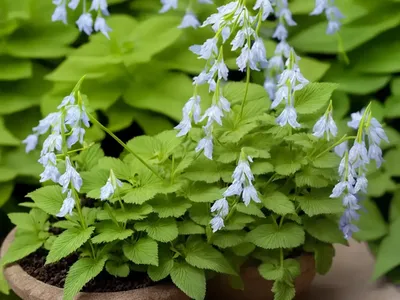
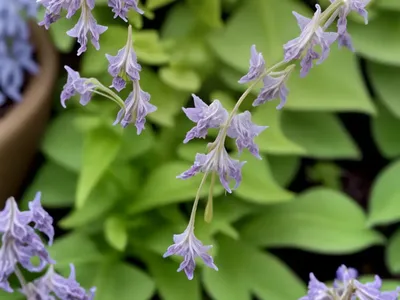
Corydalis Flexuosa ‘Porcelain Blue’ (Fumewort)
Corydalis flexuosa ‘Porcelain Blue’, commonly known as Fumewort, is a delicate and charming perennial plant that belongs to the Papaveraceae family. This.
Introduction to Corydalis flexuosa ‘Porcelain Blue’
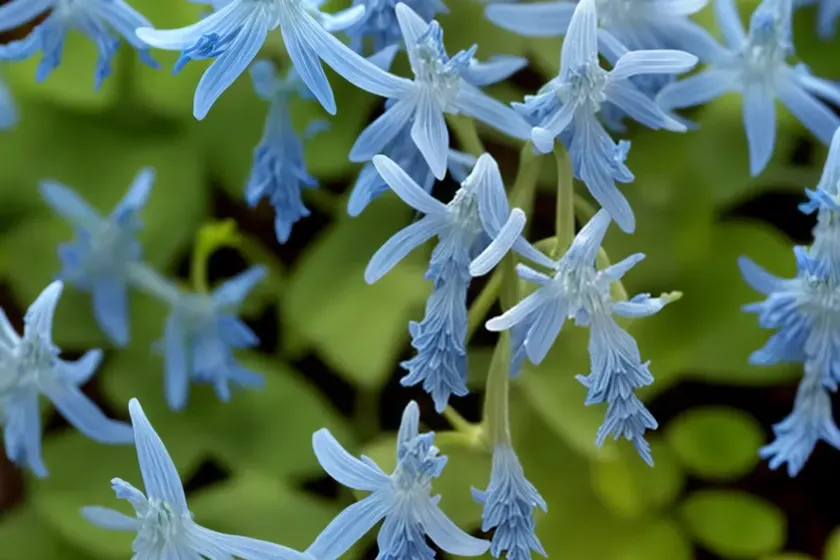
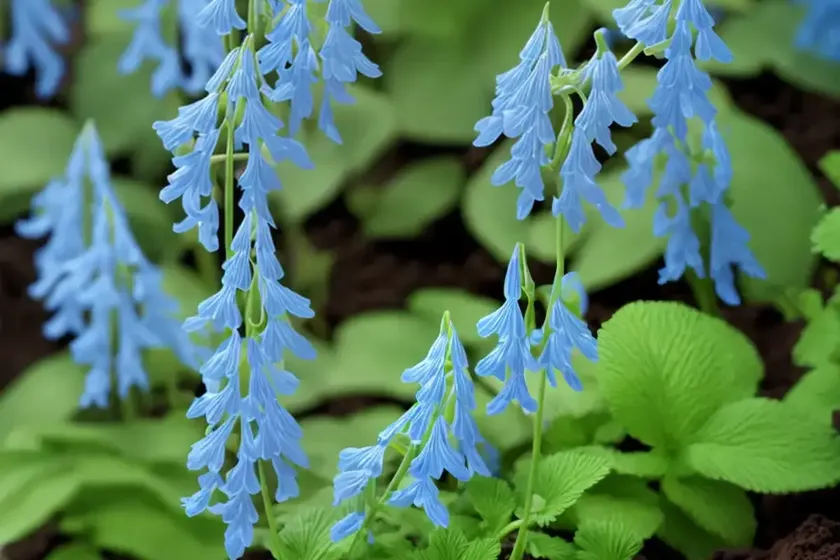
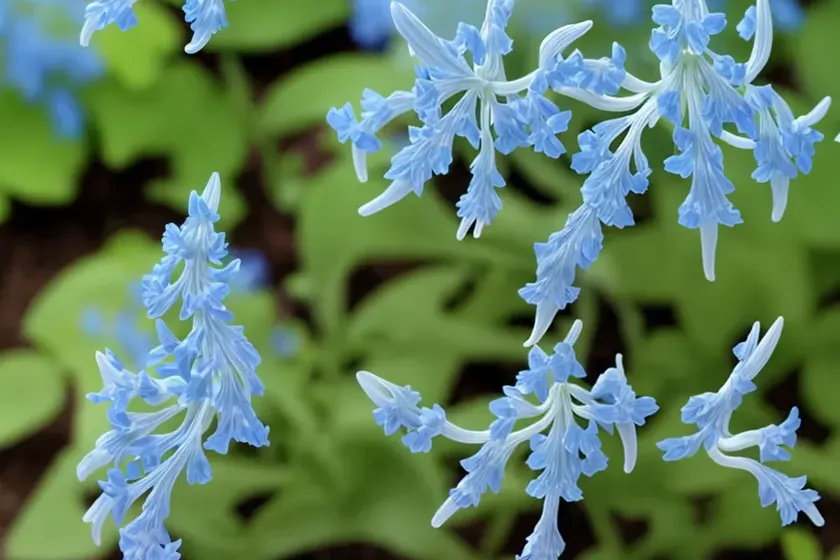
Corydalis flexuosa ‘Porcelain Blue’, commonly known as Fumewort, is a delicate and charming perennial plant that belongs to the Papaveraceae family. This plant is native to the woodlands and rocky slopes in East Asia, including China and Japan. With its unique and enchanting appearance, ‘Porcelain Blue’ is revered by gardeners and plant enthusiasts, attracting attention for its distinctive blue flowers and fern-like foliage.
Key Takeaways – Corydalis flexuosa ‘Porcelain Blue’ (Fumewort)
Finding the perfect balance in caring for Corydalis flexuosa ‘Porcelain Blue’ can be rewarding as it is a visually striking and adaptable plant. Here are some key takeaways to keep in mind when cultivating this captivating species:
- Culture: ‘Porcelain Blue’ thrives in cool, moist environments akin to its native habitat, making it an ideal choice for shaded gardens or woodland settings.
- Uses: The unique charm of ‘Porcelain Blue’ makes it a perfect addition to rock gardens, border plantings, and shaded areas, where its delicate flowers and foliage can shine.
- Water: This plant prefers consistently moist soil and benefits from regular watering, especially during dry periods.
- Sunlight: While it prefers partial to full shade, ‘Porcelain Blue’ can also tolerate some morning sun, providing flexibility in placement within the garden.
- Fertilizer: Light and regular fertilization can support the health and vitality of ‘Porcelain Blue’, especially when growing in containers or nutrient-poor soils.
Cultivating Corydalis flexuosa ‘Porcelain Blue’
Caring for Corydalis flexuosa ‘Porcelain Blue’ can be an enriching and fulfilling experience. When understanding its cultural requirements, from soil preferences to propagation techniques, it becomes apparent that this plant is a versatile and welcome addition to various garden landscapes.
Water
Proper watering is essential for the cultivation of Corydalis flexuosa ‘Porcelain Blue’. This plant thrives in consistently moist soil and benefits from regular watering, particularly during dry spells. While it requires adequate moisture, it’s crucial to avoid waterlogged conditions as this can lead to root rot. Mulching around the base of the plant can help to retain soil moisture and regulate the temperature, contributing to its overall health and vigor.
Sunlight
‘Porcelain Blue’ excels in shaded environments, making it an exceptional choice for woodland gardens or shaded borders. Its delicate nature and susceptibility to heat stress emphasize the importance of protecting it from intense sunlight. While it prefers partial to full shade, it can tolerate some morning sun, providing some flexibility in placement within the garden.
Soil
The ideal soil for Corydalis flexuosa ‘Porcelain Blue’ is well-draining, rich in organic matter, and slightly acidic. It thrives in humus-rich, loamy soils that replicate the conditions of its native woodland habitat. When cultivating this plant, it’s essential to ensure that the soil remains consistently moist, as it is sensitive to dry conditions.
Fertilizer
Applying a balanced, slow-release fertilizer in early spring can provide the necessary nutrients to support the growth and blooming of Corydalis flexuosa ‘Porcelain Blue’. Feeding it with a fertilizer formulated for flowering perennials can bolster its overall health and resilience. When growing ‘Porcelain Blue’ in containers, regular fertilization becomes even more critical, as the confined space limits its access to soil nutrients.
Pruning
Pruning can play a vital role in maintaining the health and aesthetics of Corydalis flexuosa ‘Porcelain Blue’. After the blooming period, spent flowers and any damaged or dead foliage can be removed to encourage a tidy appearance and potential reblooming. Additionally, regular pruning can help manage the plant’s size and prevent overcrowding, ensuring ample airflow and reducing the risk of disease.
Propagating Corydalis flexuosa ‘Porcelain Blue’
Propagation of Corydalis flexuosa ‘Porcelain Blue’ offers an opportunity to expand its presence in the garden and share its beauty with others. Whether through division or seed sowing, these methods provide avenues for multiplying ‘Porcelain Blue’ and perpetuating its charm.
Division
Dividing mature clumps of Corydalis flexuosa ‘Porcelain Blue’ in early spring can rejuvenate the plant and create new growth points. Carefully extracting the clump and separating it into smaller sections, each containing healthy roots and shoots, enables the propagation of multiple plants. These divisions can be replanted in suitable locations, where they can establish and flourish.
Seed Sowing
Collecting and sowing the seeds of Corydalis flexuosa ‘Porcelain Blue’ offers a rewarding way to propagate this enchanting plant. By harvesting the seeds when they are ripe, sowing them in a suitable growing medium, and providing the necessary warmth and moisture, new seedlings can emerge. This method allows for the creation of a diverse array of ‘Porcelain Blue’ plants, each with its unique characteristics and potential for future blooms.
Container Gardening with Corydalis flexuosa ‘Porcelain Blue’
The allure of Corydalis flexuosa ‘Porcelain Blue’ extends to container gardening, where its delicate blooms and graceful foliage can thrive in a controlled environment. Whether displayed alone or as part of a captivating arrangement, ‘Porcelain Blue’ brings its unique charm to container gardens.
Popularity in Container Gardening
The graceful and compact nature of ‘Porcelain Blue’ makes it a popular choice for container gardening. Its ability to thrive in shaded conditions suits it well for placement on patios, balconies, or in areas with limited sunlight. The striking contrast between its delicate blue flowers and the surrounding foliage adds a touch of elegance to container displays, making ‘Porcelain Blue’ a sought-after addition to garden settings.
Common Diseases in Container Gardening
While ‘Porcelain Blue’ is generally resilient, certain diseases can affect it, especially when grown in containers. Common fungal diseases such as powdery mildew and leaf spot can pose a threat to the plant’s health and appearance. Maintaining proper spacing between plants, providing adequate airflow, and avoiding overhead watering can help mitigate the risk of these diseases. Additionally, using well-draining soil and practicing proper sanitation measures can contribute to a healthier growing environment for ‘Porcelain Blue’ in containers.
Disease Diagnosis and Management
When caring for Corydalis flexuosa ‘Porcelain Blue’ in containers, it’s crucial to monitor the plant for any signs of disease and take prompt action to address potential issues. Early diagnosis of common diseases such as powdery mildew and leaf spot can facilitate targeted management strategies. Swift interventions, such as applying fungicidal treatments or adjusting cultural practices, can help contain the spread of diseases and promote the overall well-being of ‘Porcelain Blue’ in container gardens.
Botanist’s Tips for Growing Corydalis flexuosa ‘Porcelain Blue’
As a plant enthusiast, understanding the nuances of cultivating Corydalis flexuosa ‘Porcelain Blue’ enables a deeper appreciation for its unique qualities and requirements. With some expert tips, you can optimize your approach to growing and caring for this captivating species.
Fun Facts
- In traditional herbal medicine, certain Corydalis species, including Corydalis flexuosa, have been used to address various health concerns due to their alkaloid content and potential medicinal properties.
- The distinctive coloring of ‘Porcelain Blue’ reflects its ability to thrive in shaded environments, where its delicate flowers stand out against the verdant backdrop.
- Corydalis species are known for their rapid growth and ability to naturalize in suitable environments, making them valuable additions to woodland and shade gardens.
Links to External Resources
- Royal Horticultural Society – Corydalis
- University of Vermont Extension Department of Plant and Soil Science – Flowering Perennials: Corydalis
- North Carolina State University Extension – Growing Perennials: Corydalis
Understanding the unique characteristics and requirements of Corydalis flexuosa ‘Porcelain Blue’ provides a comprehensive perspective on its potential in garden settings. Whether showcased in shaded landscapes, container displays, or woodland gardens, ‘Porcelain Blue’ captivates with its delicate blooms and elegant foliage. By embracing its charm and catering to its cultural needs, you can cultivate a thriving and enchanting presence of ‘Porcelain Blue’ in your own garden sanctuary.