Corydalis ‘Canary Feathers’ (Fumewort)
Plants have always held a special place in human society, providing food, shelter, medicine, and beauty. Among the vast variety of plant species, Corydalis.
Introduction
Plants have always held a special place in human society, providing food, shelter, medicine, and beauty. Among the vast variety of plant species, Corydalis ‘Canary Feathers’ (Fumewort) stands out as a delightful and elegant perennial that adds charm to any garden or landscape setting. In this comprehensive guide, we will delve into every aspect of this beautiful plant, from its cultural requirements to its uses, diseases, and more.
What is Corydalis ‘Canary Feathers’ (Fumewort)?
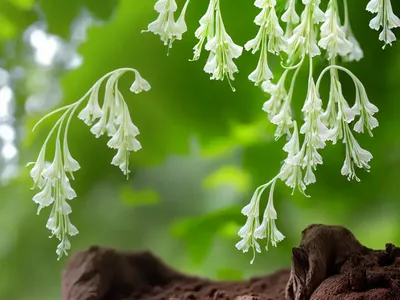
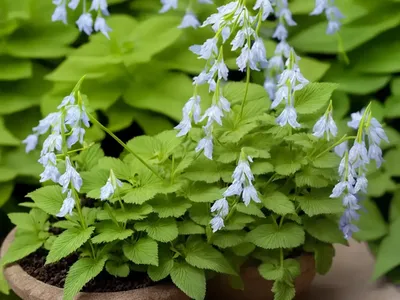
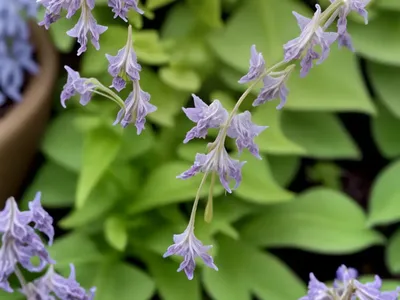
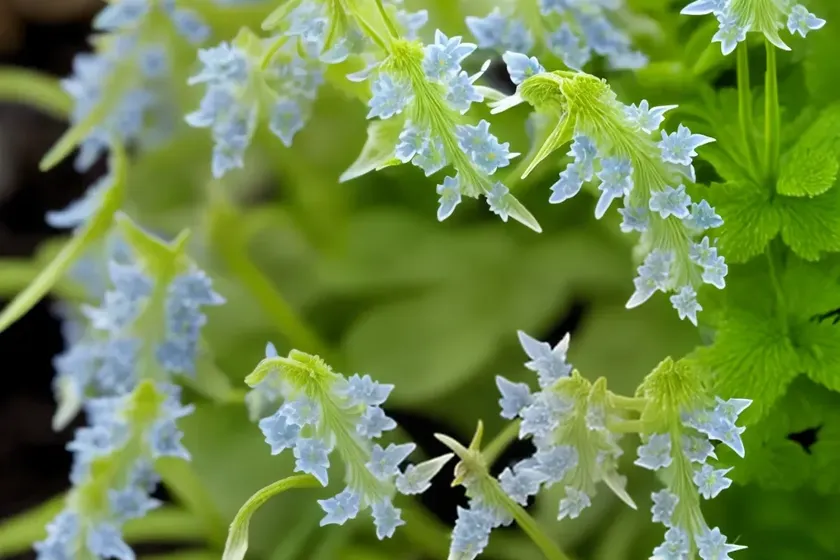
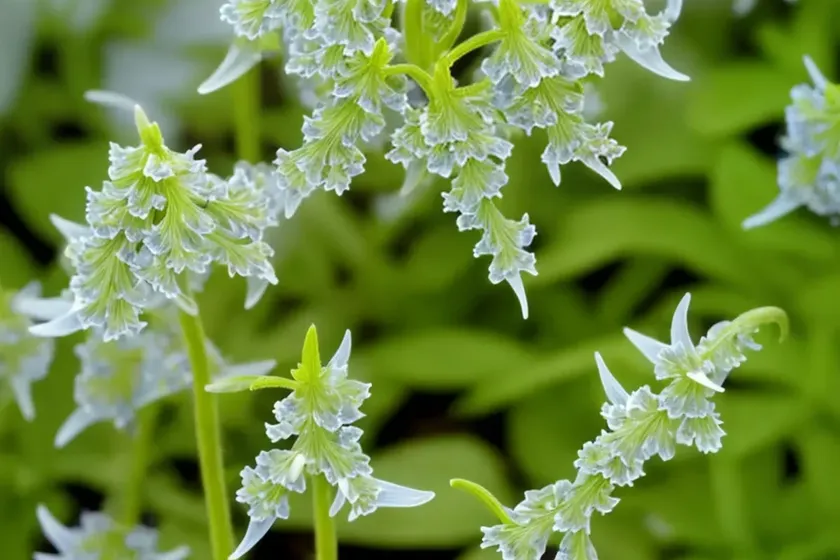
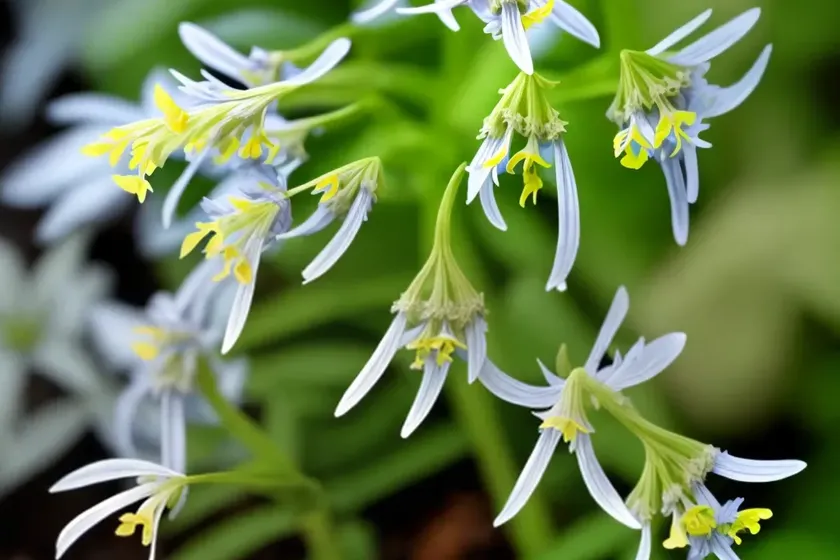
Corydalis ‘Canary Feathers’ is a species of flowering plant in the family Papaveraceae, native to the woodlands of the Caucasus. It is a clump-forming perennial that produces intricately cut, blue-green foliage and clusters of vibrant, canary-yellow flowers on slender stems, creating an exquisite visual display. The delicate and feathery appearance of its foliage and flowers makes it a popular choice for adding texture and color to shaded gardens.
Key Takeaways – Corydalis ‘Canary Feathers’ (Fumewort)
Corydalis ‘Canary Feathers’ is an enchanting plant that offers a plethora of benefits and aesthetic appeal in various garden settings. Let’s explore its key takeaways:
- Culture
- Uses
- Water
- Sunlight
- Fertilizer
- Soil
- Pruning
- Propagation
- Container Popularity
- Common Diseases
- Common Pests
- Botanist’s Tips
- Fun Facts
- Links to External Resources
Culture
Corydalis ‘Canary Feathers’ is a shade-loving perennial that thrives in woodland gardens, shady borders, and rock gardens. Its preference for cool, moist locations with rich, well-drained soil makes it an excellent choice for adding interest and color to areas with limited sunlight. It can also be cultivated in containers, providing a captivating addition to shaded patios and balconies.
Uses
This beautiful plant serves various purposes in the garden and beyond. Whether used as a ground cover, border plant, or accent in a mixed perennial bed, Corydalis ‘Canary Feathers’ adds an ethereal charm to any setting. Additionally, its delicate blooms make stunning cut flowers for floral arrangements, bringing a touch of the outdoors into your home.
Water
In terms of watering, Corydalis ‘Canary Feathers’ prefers consistently moist soil, especially during the growing season. While it thrives in moist conditions, it is important to avoid waterlogged soil, as it may lead to root rot and other issues. Mulching around the plant can help retain soil moisture and regulate temperature.
Sunlight
While Corydalis ‘Canary Feathers’ is renowned for its shade tolerance, it benefits from some morning sun or dappled light, particularly in cooler climates. In hotter regions, it appreciates shelter from intense afternoon sun to prevent leaf scorch and excessive stress. Understanding the balance of light and shade is crucial for optimizing its growth and flowering potential.
Fertilizer
When it comes to feeding Corydalis ‘Canary Feathers’, a balanced, water-soluble fertilizer applied in spring can support healthy growth and abundant flowering. It is important to avoid over-fertilization, as this can lead to excessive foliage growth at the expense of flowers. Following the recommended dosage and frequency is essential for maintaining the plant’s overall vigor.
Soil
The ideal soil for Corydalis ‘Canary Feathers’ is rich, humusy, and well-drained. It thrives in slightly acidic to neutral soil pH and benefits from the incorporation of organic matter, such as compost or peat moss, to enhance soil structure and fertility. A loose, crumbly texture allows for optimal root development and the efficient uptake of nutrients.
Pruning
Pruning Corydalis ‘Canary Feathers’ primarily involves the removal of spent flower stems and old, withered foliage to promote a tidy appearance and encourage continuous blooming. Thinning out overcrowded growth can also improve air circulation and reduce the risk of disease. Regular maintenance pruning is best performed during the growing season.
Propagation
This perennial gem can be propagated through various methods, including division, seed sowing, and stem cuttings. Division is often the preferred approach, as it allows for the rapid establishment of new plants and maintains genetic uniformity. Seed propagation can be rewarding but requires patience, as germination may take time. Rooting stem cuttings in a well-draining medium offers another way to expand your Corydalis ‘Canary Feathers’ collection.
Container Popularity
For those with limited garden space or those looking to add a touch of elegance to patios and outdoor living areas, Corydalis ‘Canary Feathers’ is an enchanting choice for container gardening. Its preference for shade and moist soil makes it suitable for thriving in large pots, where its delicate beauty can be admired up close.
Common Diseases
While Corydalis ‘Canary Feathers’ is relatively resistant to most diseases, it may occasionally encounter issues such as powdery mildew and leaf spot, particularly in humid conditions. Implementing good cultural practices, such as proper spacing, adequate air circulation, and avoiding overhead watering, can help prevent these problems and maintain the plant’s health and vigor.
Common Pests
In terms of pests, Corydalis ‘Canary Feathers’ may attract slugs and snails, especially in damp environments. These voracious feeders can cause damage to the foliage and flowers, but various control methods, including traps, barriers, and organic controls, can effectively mitigate their impact and safeguard the plant’s beauty.
Botanist’s Tips
Over the years, botanists and horticulturists have gained valuable insights into the cultivation and care of Corydalis ‘Canary Feathers’, contributing to the accumulation of practical tips for optimal success. From selecting the right planting location to providing attentive maintenance, these tips can aid both beginners and experienced gardeners in nurturing healthy and flourishing specimens.
Fun Facts
In addition to its ornamental value, Corydalis ‘Canary Feathers’ carries some intriguing facts and qualities that contribute to its allure. Discovering the unique characteristics and folklore associated with this plant adds depth to the gardening experience and fosters a deeper appreciation for its natural beauty.
Links to External Resources
To further enrich your knowledge and expand your horizons, we have curated a selection of reliable external resources that offer valuable insights, expert advice, and inspiration related to Corydalis ‘Canary Feathers’ and its cultivation. These resources encompass a wide range of topics, from detailed care guides to captivating photographs of this enchanting plant in diverse garden settings.
With its charming appearance and versatile nature, Corydalis ‘Canary Feathers’ (Fumewort) holds immense appeal for both seasoned gardeners and horticultural enthusiasts seeking to enhance their outdoor spaces with a touch of elegance and grace. By understanding and catering to its cultural requirements, utilizing its ornamental attributes, and applying effective maintenance practices, you can cultivate thriving specimens that bring joy and beauty to your garden throughout the seasons.
As we continue our exploration of this captivating perennial, we will delve deeper into its qualities and applications, empowering you to unlock its full potential and create enchanting garden displays that showcase its timeless allure.
References
- Royal Horticultural Society. “Corydalis ‘Canary Feathers’.” www.rhs.org.uk
- Missouri Botanical Garden. “Corydalis ‘Canary Feathers’.” www.missouribotanicalgarden.org