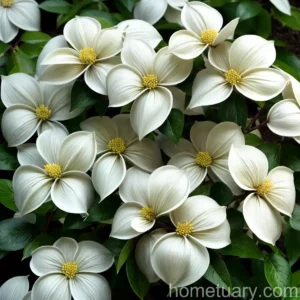
All About Cornus kousa ‘Miss Satomi’ (Kousa Dogwood)
Plants play a significant role in our lives, not only by adding natural beauty to our surroundings but also by contributing to the overall well-being of the environment. In this blog post, we will delve deep into the world of Cornus kousa ‘Miss Satomi’ (Kousa Dogwood), exploring its characteristics, care requirements, uses, and much more. This guide is a comprehensive resource for plant enthusiasts, gardeners, and anyone interested in learning about this stunning plant species.
What is Cornus kousa ‘Miss Satomi’ (Kousa Dogwood)?
Cornus kousa, commonly known as Kousa Dogwood, is a small deciduous tree or multi-stemmed shrub that belongs to the Cornaceae family. It is native to East Asia, including Korea, China, Japan, and Taiwan. The ‘Miss Satomi’ variety, in particular, is celebrated for its exceptional beauty and is a popular choice among gardeners and landscaping professionals.
Key Takeaways – Cornus kousa ‘Miss Satomi’ (Kousa Dogwood)
Let’s start our exploration of Cornus kousa ‘Miss Satomi’ by highlighting some key takeaways about this beautiful plant:
- Care: Cornus kousa ‘Miss Satomi’ care is relatively low-maintenance, making it a great addition to gardens and landscapes.
- Growth: The Kousa Dogwood ‘Miss Satomi’ is known for its vigorous and healthy growth habit.
- Pruning Tips: Proper pruning is essential for maintaining the health and aesthetics of Cornus kousa ‘Miss Satomi’.
- Planting Guide: Understanding the planting requirements is crucial for the successful establishment of this plant.
- Varieties: There are several varieties of Cornus kousa, each with its distinct characteristics and appeal.
- Diseases: Being aware of potential diseases and their management is essential for ensuring the plant’s well-being.
- Landscaping Ideas: Kousa Dogwood ‘Miss Satomi’ can be incorporated into various landscaping designs and themes.
- Maintenance: Regular maintenance practices contribute to the long-term health and vitality of this plant.
- Watering Requirements: Understanding the water needs is crucial for avoiding issues related to over or under-watering.
- Blooming Season: The blooming season of Cornus kousa ‘Miss Satomi’ adds a stunning visual display to outdoor spaces.
Now that we have a glimpse of what we’ll cover, let’s dive deeper into each aspect of this remarkable plant.
Culture
Understanding the cultural requirements of Cornus kousa ‘Miss Satomi’ is essential for creating an optimal growing environment for this plant. Here are the key aspects of its culture:
Water
- Regular Moisture: While Cornus kousa ‘Miss Satomi’ is relatively tolerant of dry conditions, it thrives best when provided with consistent moisture, especially during dry periods.
- Avoid Waterlogged Soils: Ensuring well-draining soil is crucial to prevent waterlogging, which can lead to root rot and other issues.
- Establishment Period: Adequate watering is essential during the initial establishment period to promote healthy root development and overall plant vigor.
Sunlight
- Partial Shade to Full Sun: Cornus kousa ‘Miss Satomi’ thrives in partial shade to full sun, making it adaptable to various lighting conditions.
- Protection from Afternoon Sun: In regions with intense afternoon sun, providing some protection during the hottest part of the day can prevent potential sunscald and stress on the plant.
Fertilizer
- Balanced Fertilization: Applying a balanced fertilizer in early spring can support healthy growth and flowering.
- Organic Amendments: Incorporating organic matter into the soil can enhance fertility and contribute to the overall health of the plant.
Soil
- Well-Draining Loamy Soil: Cornus kousa ‘Miss Satomi’ prefers well-draining, slightly acidic to neutral soil.
- Moisture Retention: Soil with good moisture retention properties can benefit the plant, especially during hot and dry periods.
Pruning
Proper pruning plays a crucial role in maintaining the health, shape, and aesthetics of Cornus kousa ‘Miss Satomi’. Key pruning tips include:
- Pruning Time: Late winter to early spring is the ideal time for pruning to promote vigorous growth and flowering.
- Dead or Diseased Wood: Regularly removing dead or diseased wood helps maintain the overall health of the plant.
- Thinning Out: Thinning out the canopy can improve air circulation and light penetration, reducing the risk of disease and promoting healthy growth.
Propagation
Propagation of Cornus kousa ‘Miss Satomi’ can be achieved through various methods, including:
- Seeds: Growing the plant from seeds is one method, but it may take longer to establish.
- Cuttings: Propagating from stem cuttings is a common and effective method for producing new plants.
- Grafting: Grafting onto suitable rootstocks can also be a successful propagation method.
Container Popularity
Cornus kousa ‘Miss Satomi’ is well-suited for container cultivation, offering versatility and beauty in various settings. Its popularity as a container plant is attributed to:
- Adaptability: The plant can thrive in containers on patios, balconies, and other confined spaces.
- Aesthetic Appeal: The stunning blooms and foliage of Kousa Dogwood ‘Miss Satomi’ make it a desirable addition to container gardens.
- Space Management: For those with limited garden space, container cultivation offers an excellent way to enjoy the beauty of this plant.
Common Diseases
While Cornus kousa ‘Miss Satomi’ is generally resilient, it is susceptible to certain diseases that can impact its health and appearance. Some common diseases include:
- Anthracnose: This fungal disease can cause leaf spots and blights, potentially affecting the overall aesthetics of the plant.
- Powdery Mildew: A common problem in humid conditions, powdery mildew can affect the foliage of the plant.
- Root Rot: Overly wet or poorly drained soil can lead to root rot, impacting the plant’s health and vigor.
Disease Diagnosis
Diagnosing potential diseases in Cornus kousa ‘Miss Satomi’ requires careful observation and understanding of the symptoms. Signs of common diseases may include:
- Leaf Spots: Irregularly shaped spots or lesions on the leaves can indicate the presence of fungal diseases like anthracnose.
- White Powdery Coating: The presence of a white powdery substance on the foliage is a typical symptom of powdery mildew.
- Wilting and Decline: Symptoms of wilting, yellowing, or decline in the plant’s overall vigor may point to potential root issues.
Common Pests
Cornus kousa ‘Miss Satomi’ may face challenges from various pests, including:
- Borers: Insect borers can cause damage to the stems and branches, impacting the plant’s health.
- Scale Insects: These sap-feeding pests can affect the overall vigor and appearance of the plant if left unmanaged.
- Aphids: These small insects can cluster on the foliage, causing damage and potential stress to the plant.
Botanist’s Tips
Here are some expert tips to consider when caring for Cornus kousa ‘Miss Satomi’:
- Mulching: Applying a layer of organic mulch around the base of the plant can help conserve moisture, regulate soil temperatures, and inhibit weed growth.
- Regular Monitoring: Periodically inspecting the plant for signs of diseases, pests, or nutrient deficiencies can aid in early intervention and management.
- Proper Watering: Maintaining consistent moisture, especially during periods of drought, can contribute to the plant’s overall health and vitality.
Fun Facts
- The name “Kousa” is derived from the Japanese name for the plant.
- Cornus kousa ‘Miss Satomi’ is known for its stunning pink bracts, which are often mistaken for flowers.
Now that we’ve explored various aspects of Cornus kousa ‘Miss Satomi’, let’s delve into some additional resources for further information and guidance.
Links to External Resources
To expand your knowledge and understanding of Cornus kousa ‘Miss Satomi’ and related topics, consider exploring the following external resources:
- Cornus kousa ‘Miss Satomi’ – Plant Profile and Care Guide
- Kousa Dogwood ‘Miss Satomi’ – Growing and Maintenance Tips
- Pruning Tips for Cornus kousa ‘Miss Satomi’
- Comprehensive Planting Guide for Kousa Dogwood ‘Miss Satomi’
- Varieties of Cornus kousa – Exploring Different Options
These resources offer valuable insights, tips, and guidance for plant enthusiasts and gardening professionals, enhancing their knowledge and expertise in the world of horticulture.
In conclusion, Cornus kousa ‘Miss Satomi’ (Kousa Dogwood) is a remarkable plant species that enriches our outdoor spaces with its beauty and vitality. By understanding its cultural requirements, maintenance practices, and potential challenges, we can cultivate healthy and thriving specimens, creating captivating landscapes and gardens for all to enjoy. Whether you are a seasoned gardener or just starting your horticultural journey, incorporating this stunning plant into your outdoor spaces can bring joy, natural beauty, and a deeper appreciation for the wonders of the plant kingdom.