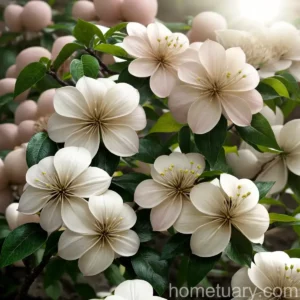
Cornus alternifolia (Pagoda Dogwood): A Complete Guide for Cultivation and Care

Dogwoods are a beloved genus of flowering trees known for their stunning beauty, and the Cornus alternifolia, commonly known as Pagoda Dogwood, is no exception. This native North American plant offers breathtaking seasonal interest, making it a valued addition to gardens and landscapes. In this comprehensive guide, we will explore everything you need to know about the Cornus alternifolia, from its cultural requirements to its pests and diseases.
What Is Cornus alternifolia (Pagoda Dogwood)
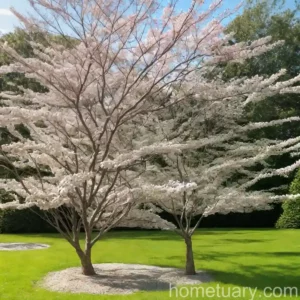
Cornus alternifolia, also referred to as the Pagoda Dogwood, is a deciduous tree or large shrub that belongs to the family Cornaceae. It is native to eastern North America, specifically the Appalachian Mountains and surrounding areas. The Pagoda Dogwood is prized for its distinctive tiered horizontal branching habit, which resembles a pagoda and gives the tree its common name. This unique branching structure provides an attractive architectural element, especially during the winter months when the branches are bare.
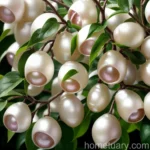
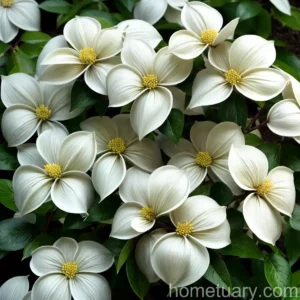
The Pagoda Dogwood blooms in late spring to early summer, producing clusters of small, creamy-white flowers that give way to bluish-black fruits. In the fall, the foliage turns a beautiful reddish-purple, adding a splash of vibrant color to the landscape. With its multi-seasonal interest, the Cornus alternifolia is a valuable ornamental tree that can serve as a focal point in gardens and naturalized landscapes.
Key Takeaways – Cornus alternifolia (Pagoda Dogwood)
Before delving into the specific cultural requirements and care tips for the Pagoda Dogwood, let’s highlight the key takeaways about this remarkable plant:
-
Common Name: Pagoda Dogwood
-
Botanical Name: Cornus alternifolia
-
Family: Cornaceae
-
Native Range: Eastern North America
-
Growth Form: Deciduous tree or large shrub
-
Distinctive Features: Tiered horizontal branching, creamy-white flowers, bluish-black fruits, colorful fall foliage
Now that we have a foundational understanding of the Pagoda Dogwood, let’s explore its cultural requirements and how to cultivate and care for this beautiful species.
Culture
Cultivating the Pagoda Dogwood requires a keen understanding of its cultural preferences, including its requirements for water, sunlight, soil, and fertilizer. By providing the right growing conditions, you can ensure the health and vitality of this stunning plant.
Water
Proper watering is essential for the health and growth of the Pagoda Dogwood. While it is drought-tolerant once established, young trees and shrubs require regular watering to establish a strong root system. During periods of dry weather, be sure to provide supplemental irrigation to keep the soil consistently moist, especially in the first few years after planting. In general, aim to provide about 1 inch of water per week, either through rainfall or manual watering.
Sunlight
The Pagoda Dogwood thrives in partial shade to full sun, making it a versatile plant for various light conditions. In its native habitat, it is often found growing under the canopy of larger trees, where it receives dappled sunlight throughout the day. When selecting a planting site, consider a location that offers partial shade, especially in regions with hot summer temperatures. However, the Pagoda Dogwood can also tolerate full sun as long as the soil remains consistently moist.
Soil
The Pagoda Dogwood thrives in well-draining, slightly acidic soils. It prefers moist, fertile soils with a pH level between 5.5 and 7.5. When planting, amend the soil with organic matter such as compost or peat moss to improve its texture and fertility. Additionally, a layer of mulch around the base of the tree will help retain soil moisture and suppress weed growth.
Fertilizer
While the Pagoda Dogwood is not overly demanding when it comes to fertilizer, applying a balanced, slow-release fertilizer in spring can support healthy growth and blooming. Opt for a fertilizer with a formulation of 10-10-10 or similar, and follow the manufacturer’s recommended application rates. Avoid over-fertilizing, as excessive nutrients can lead to lush foliage at the expense of flower production.
Uses
The Pagoda Dogwood offers a range of uses in both residential and natural landscapes, thanks to its ornamental attributes and ecological benefits. Here are some common uses of this versatile plant:
-
Ornamental Tree: Planted as a standalone specimen or in groupings, the Pagoda Dogwood adds visual interest throughout the year, from its spring blooms to its fall foliage.
-
Wildlife Habitat: The fruits of the Pagoda Dogwood are attractive to birds, making it a valuable tree for wildlife gardens and naturalized areas. Additionally, the tree provides shelter for small animals and birds.
-
Erosion Control: With its fibrous root system, the Pagoda Dogwood can help stabilize soil on slopes and prevent erosion.
-
Understory Planting: In woodland gardens, the Pagoda Dogwood thrives as an understory tree, adding vertical layering and texture to the landscape.
-
Shade Tree: Planted in groups, the Pagoda Dogwood can provide dappled shade for gardens and outdoor living spaces.
-
Naturalizing: Due to its native status, the Pagoda Dogwood is well-suited for naturalizing in woodland, riparian, and restoration areas.
Pruning
Pruning is an essential aspect of Pagoda Dogwood care, as it helps maintain its attractive shape and promotes healthy growth. Here are some pruning guidelines to follow:
-
Timing: Prune the Pagoda Dogwood during the dormant season, preferably in late winter to early spring, before new growth emerges.
-
Objective: Remove any dead, damaged, or diseased branches to encourage overall tree health. Additionally, thin out crowded or crossing branches to improve air circulation and maintain the tree’s open growth habit.
-
Techniques: Use clean, sharp pruning tools to make precise cuts. When removing branches, make clean cuts just outside the branch collar to promote efficient healing.
Propagation
If you’re interested in propagating the Pagoda Dogwood to expand your garden or share it with others, you can consider the following methods of propagation:
-
Seeds: Collect seeds from mature fruits in the fall and sow them in a well-prepared seedbed. Keep the soil consistently moist, and the seeds should germinate within a few months.
-
Cuttings: Take softwood or hardwood cuttings from healthy, disease-free branches and root them in a well-draining potting mix. Softwood cuttings can be taken in early summer, while hardwood cuttings are best collected in late winter.
-
Layering: Bend a low-hanging branch to the ground and secure it in place. Once roots have formed at the point of contact with the soil, the branch can be detached and transplanted.
Container Popularity
Due to its attractive appearance and manageable size, the Pagoda Dogwood is well-suited for container cultivation. When grown in a container, it can be placed on patios, decks, or balconies, adding a touch of beauty and seasonal interest to outdoor living spaces. Additionally, container-grown Pagoda Dogwoods can be moved to different locations as needed, providing flexibility in landscape design.
Common Diseases
While the Pagoda Dogwood is relatively resilient, it is susceptible to certain diseases that can affect its overall health and appearance. Understanding these common diseases and their treatments is crucial for maintaining the tree’s vitality.
Disease Diagnosis
Common diseases that may afflict the Pagoda Dogwood include:
-
Powdery Mildew: This fungal disease appears as a powdery, white coating on the leaves, often causing them to distort and curl. Good air circulation and fungicidal treatments can help manage powdery mildew.
-
Dogwood Anthracnose: Caused by the fungus Discula destructiva, this disease can lead to leaf blight, stem cankers, and dieback. Prune and destroy infected branches, and apply fungicidal treatments if necessary.
-
Leaf Spot: Several fungal species can cause leaf spot on Pagoda Dogwoods, resulting in dark spots on the foliage. Remove and destroy affected leaves and improve air circulation to prevent the spread of leaf spot.
-
Root Rot: Overly wet or poorly drained soils can lead to root rot in Pagoda Dogwoods. Plant in well-draining soils and avoid overwatering to mitigate the risk of root rot.
Disease Prevention
To prevent the occurrence of diseases, follow these proactive measures:
-
Prune Wisely: Regularly prune your Pagoda Dogwood to remove dead or diseased branches, as well as to improve air circulation within the canopy.
-
Provide Proper Care: Meet the tree’s cultural requirements for water, sunlight, and soil to ensure its vigor and resilience against pests and diseases.
-
Monitor Vigilantly: Keep a close eye on the tree for any signs of disease, and take prompt action if disease symptoms are observed.
Common Pests
Like many ornamental trees, the Pagoda Dogwood may encounter pest infestations that can compromise its health and aesthetics. Being aware of these common pests and implementing integrated pest management strategies can help protect the tree from damage.
Pest Identification
Common pests that may affect the Pagoda Dogwood include:
-
Dogwood Borer: The larvae of these wood-boring beetles tunnel into the stems and branches of dogwood trees, leading to weakened and damaged growth. Apply preventive insecticidal treatments to protect against dogwood borer infestations.
-
Scale Insects: Various scale insect species may infest Pagoda Dogwoods, feeding on the sap and excreting honeydew, which can attract sooty mold. Use horticultural oil sprays or insecticidal soaps to control scale infestations.
-
Spider Mites: These tiny pests can cause leaf stippling and webbing on the foliage of Pagoda Dogwoods. Mitigate spider mite infestations with regular spraying of water to increase humidity and the use of predatory insects such as ladybugs.
Pest Management
Integrated pest management (IPM) practices can help effectively manage pest issues while minimizing the use of chemical controls. Consider the following IPM strategies:
-
Cultural Controls: Maintain overall plant health through proper watering, fertilization, and pruning, which can improve the tree’s resilience against pests.
-
Mechanical Controls: Handpick and destroy pests when feasible, such as manually removing scales or spider mites from the foliage.
-
Biological Controls: Introduce natural predators of pests, such as ladybugs or lacewings, to help keep pest populations in check.
Botanist’s Tips
To ensure the success of your Pagoda Dogwood cultivation and maintenance, consider these expert tips from botanists and horticulturists:
-
Monitor Soil Moisture: Regularly check the moisture level of the soil around the Pagoda Dogwood, especially during hot and dry periods. Adjust your watering practices to meet the tree’s specific needs.
-
Observe Seasonal Changes: Take note of the tree’s seasonal changes, from the emergence of spring blooms to the development of fall foliage. Understanding these natural cycles can help you appreciate and care for the tree more effectively.
-
Promote Biodiversity: Incorporate a diverse range of plants in your garden to create a more resilient and ecologically balanced landscape. Consider companion plants that complement the Pagoda Dogwood and support local wildlife.
Fun Facts
Let’s conclude our exploration of the Pagoda Dogwood with some intriguing and fun facts about this remarkable plant:
-
The Pagoda Dogwood is not only prized for its ornamental value but also holds cultural significance among Indigenous communities, who historically utilized various parts of the tree for medicinal and ceremonial purposes.
-
In addition to its visual appeal, the Pagoda Dogwood provides ecological benefits by supporting pollinators with its nectar-rich flowers and offering food for birds through its fruits.
-
While the Pagoda Dogwood is known for its tiered branching habit, the cultivar ‘Golden Shadows’ stands out with its striking golden-yellow foliage, adding a radiant touch to the landscape.
By incorporating these fun facts into our understanding of the Pagoda Dogwood, we gain a deeper appreciation for this species and its multifaceted contributions to our natural and cultivated environments.
Links to External Resources
For further exploration and in-depth information on Pagoda Dogwoods, I recommend visiting the following external resources:
-
Cornus alternifolia: Shadows’ Tree – Missouri Botanical Garden
-
Pagoda Dogwood: A Must-Have Native Species – National Wildlife Federation
These resources provide valuable insights, growing tips, and additional perspectives on the cultivation and care of Pagoda Dogwoods, enriching your knowledge and enhancing your gardening experience.
In conclusion, the Cornus alternifolia (Pagoda Dogwood) stands as a captivating and rewarding addition to gardens and natural landscapes, offering visual appeal, ecological benefits, and compelling seasonal interest. By understanding its cultural requirements, uses, and management strategies, you can cultivate and cherish this native North American species while contributing to the biodiversity and beauty of your surroundings.
I hope this comprehensive guide has equipped you with the knowledge and inspiration to cultivate and care for the Pagoda Dogwood with confidence and appreciation for its natural splendor.
Keywords: Dogwood varieties, Cornus alternifolia information, Pagoda Dogwood facts, Growing Cornus alternifolia, Cornus alternifolia care, Pagoda Dogwood tree, Cornus alternifolia cultivation, Pagoda Dogwood varieties, Cornus alternifolia characteristics, Pagoda Dogwood growing tips, Cornus alternifolia planting, Pagoda Dogwood diseases, Cornus alternifolia pruning, Pagoda Dogwood landscape, Cornus alternifolia maintenance, Pagoda Dogwood garden ideas, Cornus alternifolia pests, Pagoda Dogwood landscape design, Cornus alternifolia flowering, Pagoda Dogwood shade tree, Cornus alternifolia leaves, Pagoda Dogwood landscape ideas, Cornus alternifolia tree care, Pagoda Dogwood native habitat, Cornus alternifolia growth rate, Pagoda Dogwood planting tips, Cornus alternifolia diseases and treatments, Pagoda Dogwood ecosystem benefits, Cornus alternifolia fall colors, Pagoda Dogwood wildlife attractor, Cornus alternifolia companion plants, Pagoda Dogwood ornamental features, Cornus alternifolia shade tolerance, Pagoda Dogwood garden border ideas, Cornus alternifolia soil requirements, Pagoda Dogwood natural habitat, Cornus alternifolia garden design, Pagoda Dogwood landscape focal point, Cornus alternifolia winter care, Pagoda Dogwood water needs, Cornus alternifolia sun exposure, Pagoda Dogwood flowering season, Cornus alternifolia wildlife habitat, Pagoda Dogwood ornamental tree, Cornus alternifolia native plant, Pagoda Dogwood hedge, Cornus alternifolia garden centerpiece, Pagoda Dogwood hardiness, Cornus alternifolia landscape uses, Pagoda Dogwood soil preferences