Cornus florida f. rubra (Pink Flowering Dogwood): A Comprehensive Guide
Plant Name: Cornus florida f. rubra (Pink Flowering Dogwood)
What is Cornus florida f. rubra?
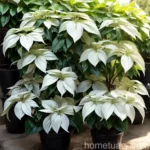
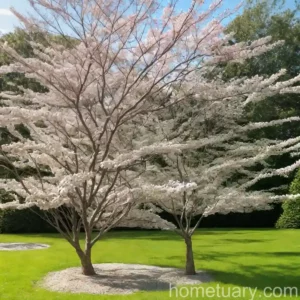
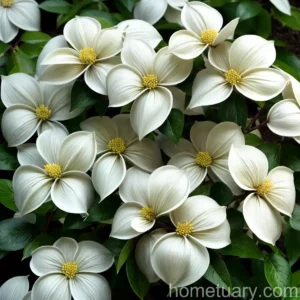
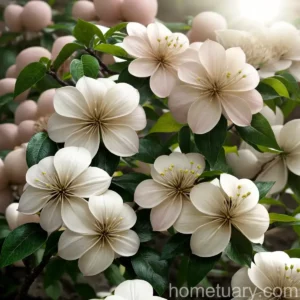
Cornus florida f. rubra, commonly known as the Pink Flowering Dogwood, is a small deciduous tree that is native to eastern North America. This stunning tree is celebrated for its showy pink or red bracts that surround the tiny, inconspicuous flowers. It belongs to the Cornaceae family and is a beloved ornamental tree, prized for its aesthetic appeal and ecological significance. In this comprehensive guide, we will explore the cultivation, characteristics, uses, and maintenance of Cornus florida f. rubra, providing valuable insights for both seasoned gardeners and enthusiasts alike.
Key Takeaways – Cornus florida f. rubra (Pink Flowering Dogwood)
Before delving into the specifics of cultivating and caring for the Pink Flowering Dogwood, let’s establish the key takeaways regarding this magnificent tree:
- Botanical Name: Cornus florida f. rubra
- Common Name: Pink Flowering Dogwood
- Family: Cornaceæ
- Native Range: Eastern North America
- Foliage: Deciduous, deep green leaves turning vibrant red in fall
- Flowers: Showy pink or red bracts with small, greenish-yellow flowers
- Fruit: Clusters of red berries that are attractive to birds
- Growth Habit: Small, multi-branched, spreading canopy
- Ecological Value: Provides food and shelter for wildlife
- Ornamental Value: Aesthetic appeal in landscapes and gardens
Now that we have an overview of the Pink Flowering Dogwood, let’s delve into the details of its culture, uses, and care requirements to understand how to best cultivate and appreciate this captivating tree.
Culture
The cultivation of Cornus florida f. rubra requires attention to various factors, including water, sunlight, fertilizer, soil, and pruning. Understanding these components is crucial to ensure the tree’s optimal health and development.
Water
Watering Requirements: Adequate and consistent moisture is essential for the healthy growth of Cornus florida f. rubra, especially during its early years and in periods of drought. However, it is also crucial to avoid waterlogging, as excessively wet soil can lead to root rot and other detrimental conditions. As a general guideline, the tree should receive approximately 1 inch of water per week, either through rainfall or supplemental irrigation, particularly during dry spells.
Watering Practices:
– Young Trees: Newly planted Pink Flowering Dogwood trees should be watered regularly, ensuring that the soil remains consistently moist but not waterlogged.
– Established Trees: Once the tree is well-established, it typically requires less frequent watering, primarily during extended dry periods. However, it is important to monitor soil moisture and adjust watering practices as needed to meet the tree’s specific requirements.
Sunlight
Sunlight Requirements: Cornus florida f. rubra thrives in partial shade to full sun. While it prefers partial shade, especially in warmer regions, it can also tolerate full sun with adequate moisture and protection from harsh afternoon sunlight. When selecting a planting site, consider the tree’s tolerance for varying light conditions and choose a location that provides the appropriate balance of sunlight and shade.
Planting Considerations:
– Partial Shade: In areas with intense or prolonged sunlight, planting the Pink Flowering Dogwood in partial shade can help protect it from excessive heat and potential sunscald.
– Full Sun: In cooler regions or locations with moderate temperatures, the tree can be situated in a spot that receives ample sunlight throughout the day.
Fertilizer
Fertilization Needs: Providing the Pink Flowering Dogwood with the necessary nutrients is vital for promoting healthy growth and abundant flowering. While the tree can adapt to various soil conditions, supplementing with a balanced fertilizer can enhance its vigor and overall performance. It is recommended to fertilize the tree in early spring, just before the onset of new growth, using a well-balanced, slow-release fertilizer.
Fertilization Guidelines:
– Application Timing: Apply fertilizer in early spring, following the manufacturer’s instructions regarding rates and application methods.
– Even Distribution: Spread the fertilizer evenly around the tree’s root zone, avoiding direct contact with the trunk to prevent potential damage.
Soil
Soil Requirements: Cornus florida f. rubra prefers well-drained, fertile soil with a slightly acidic to neutral pH. It can adapt to various soil types, including loamy, sandy, or clay soils, as long as they offer adequate drainage and aeration. Conducting a soil test can provide valuable insights into the composition and pH of the soil, facilitating the implementation of appropriate amendments if necessary.
Amending Soil:
– pH Adjustment: If the soil pH is outside the ideal range (slightly acidic to neutral), amendments such as elemental sulfur or lime can be used to modify the pH as per the tree’s requirements.
– Organic Matter: Incorporating organic matter, such as compost or well-rotted manure, into the soil can improve its structure and fertility, benefiting the growth of the Pink Flowering Dogwood.
Pruning
Pruning Practices: Proper pruning is essential for maintaining the health and aesthetics of Cornus florida f. rubra. Regular pruning can help shape the tree, remove dead or diseased branches, and promote robust flowering. Pruning should be conducted during the dormant season, typically in late winter to early spring, before the onset of new growth.
Pruning Guidelines:
– Deadwood Removal: Identify and remove any dead, damaged, or diseased branches, promoting overall tree health and vigor.
– Thinning and Shaping: Thinning out crowded branches and shaping the canopy can enhance air circulation, sunlight penetration, and overall tree structure.
– Caution: Avoid excessive pruning, particularly of healthy, living branches, as it can stress the tree and diminish its vitality.
Uses
The Pink Flowering Dogwood is valued for its diverse uses, ranging from its ornamental appeal to its ecological significance. Understanding the various purposes of Cornus florida f. rubra can illuminate its importance in both natural and cultivated settings.
Ornamental Value
Landscape Beauty: As a flowering ornamental tree, Cornus florida f. rubra contributes to the aesthetic appeal of landscapes, gardens, and natural settings. Its captivating display of pink or red bracts and lush green foliage enhances the visual richness of the environment.
Seasonal Interest: The tree’s vibrant bracts and striking fall foliage add seasonal interest, evolving with changing colors and textures throughout the year. It serves as a focal point in ornamental plantings, accentuating its surroundings with its beauty and charm.
Wildlife Habitat: Beyond its visual allure, the Pink Flowering Dogwood provides an essential habitat and food source for various wildlife species. The berries attract birds, while the tree’s branches and foliage offer shelter and nesting sites.
Ecological Significance
Wildlife Support: Cornus florida f. rubra plays a crucial role in supporting wildlife, including birds, small mammals, and pollinators. It provides sustenance in the form of berries, nectar, and shelter, fostering biodiversity and ecological balance.
Soil Stabilization: The tree’s root system aids in soil stabilization, erosion control, and moisture retention, contributing to the overall health and resilience of the ecosystem.
Conservation: By recognizing and preserving the ecological significance of the Pink Flowering Dogwood, conservation efforts can be directed toward safeguarding its natural habitats and supporting its role in native ecosystems.
Understanding the multiple uses of Cornus florida f. rubra underscores its value as an ornamental centerpiece and an ecological cornerstone, enriching the environment and benefiting wildlife.
Popularity
The Pink Flowering Dogwood’s popularity stems from its exceptional ornamental attributes, ecological contributions, and adaptability to diverse environmental conditions. Its widespread appeal has earned it a revered status in horticulture and ecological conservation initiatives.
Cultivation in Gardens and Landscapes
Garden Settings: The Pink Flowering Dogwood is a cherished addition to home gardens, estate grounds, and public parks, where its visual splendor and ecological benefits are esteemed.
Landscaping Applications: Landscape designers and horticulturalists frequently incorporate Cornus florida f. rubra into their designs, leveraging its striking appearance and ecological contributions to enhance the overall beauty and function of landscapes.
Ecological Restoration
Native Plant Initiatives: Conservation organizations and ecological restoration projects prioritize the inclusion of native species such as the Pink Flowering Dogwood to support biodiversity and preserve natural heritage.
Habitat Enhancement: By planting and protecting Cornus florida f. rubra, habitat enhancement efforts are advanced, fostering the well-being of local wildlife and sustaining native ecosystems.
The enduring popularity of the Pink Flowering Dogwood reflects the widespread recognition of its ornamental allure and its indispensable role in ecological stewardship and conservation.
Container Cultivation
While the Pink Flowering Dogwood is commonly planted in outdoor landscapes, it is also amenable to container cultivation under the right conditions. Container-grown Cornus florida f. rubra can thrive on patios, balconies, and other outdoor spaces, offering an enchanting display of blossoms and foliage.
Container Selection
Size and Depth: Select a spacious container with adequate depth to accommodate the tree’s root system and promote healthy root development. A container with drainage holes is essential to prevent waterlogging.
Material and Insulation: Choose a durable, well-insulated container to protect the tree’s roots from temperature extremes, particularly during the winter months.
Potting Mix
Well-Draining Medium: A well-draining potting mix enriched with organic matter provides an optimal growing environment for the Pink Flowering Dogwood. It should offer sufficient aeration and moisture retention while preventing water accumulation.
Placement and Care
Sunlight: Position the container in a location that receives partial shade, especially in regions with intense sunlight. Ensure that the tree receives adequate sunlight while being shielded from excessive heat.
Watering: Monitor the moisture levels in the container to ensure consistent, adequate watering without waterlogging the soil. Container-grown trees may require more frequent watering than those planted directly in the ground.
Winter Protection: In colder climates, provide insulation and protection for the container, safeguarding the roots from freezing temperatures and harsh winter conditions.
Container cultivation of Cornus florida f. rubra offers a versatile option for showcasing its beauty and elegance in various outdoor spaces, enhancing the aesthetic appeal of patios, decks, and urban environments.
Common Diseases
While the Pink Flowering Dogwood is renowned for its resilience, it can be susceptible to certain diseases that can impact its health and vigor. Understanding these common diseases and their associated symptoms is crucial for timely diagnosis and effective management.
Anthracnose
Causing Agent: Various species of the fungus Discula are responsible for anthracnose in Cornus florida f. rubra.
Symptoms: The disease manifests as leaf spots, twig dieback, and cankers on the tree. Infected leaves may exhibit blotchy discoloration and premature defoliation, weakening the tree’s overall health.
Powdery Mildew
Causing Agent: Powdery mildew is caused by fungal pathogens such as Erysiphe pulchra, which thrive in humid environments.
Symptoms: The appearance of white, powdery patches on the leaves and young shoots is characteristic of powdery mildew. The affected foliage may become distorted, and severe infections can lead to premature leaf drop.
Dogwood Anthracnose
Causing Agent: The pathogen Discula destructiva is responsible for dogwood anthracnose, posing a significant threat to Cornus florida f. rubra.
Symptoms: Dogwood anthracnose presents as necrotic lesions on the leaves, twig dieback, and cankers, which can spread throughout the tree and cause severe defoliation and decline.
Botryosphaeria Canker
Causing Agent: Various species of the Botryosphaeria fungus can cause cankers and dieback in the Pink Flowering Dogwood.
Symptoms: Cankers appear as sunken, discolored lesions on the branches and trunk, often leading to dieback and reduced vitality in the affected areas.
Phytophthora Root Rot
Causing Agent: Soil-borne Phytophthora pathogens contribute to root rot in trees, including Cornus florida f. rubra.
Symptoms: Above-ground symptoms of root rot include wilting, sparse foliage, and general decline in tree health. Below-ground, root discoloration and decay may be evident upon inspection.
Environmental Stressors
Drought: Prolonged periods of drought can stress the Pink Flowering Dogwood, predisposing it to various secondary issues and compromising its resilience.
Winter Injury: Extreme cold, fluctuating temperatures, and frost can cause damage to the tree’s bark, buds, and branches, impacting its overall health.
Soil Compaction: Soil compaction resulting from foot traffic or construction activities can impede root growth and hinder nutrient uptake, leading to stress and reduced vigor.
Disease Management and Prevention
Cultural Practices: Implementing proper cultural practices, such as adequate watering, mulching, and regular pruning, can promote the tree’s overall health and resilience, reducing its susceptibility to diseases.
Resistant Varieties: Selecting disease-resistant cultivars of Cornus florida f. rubra can mitigate the risks associated with specific pathogens, enhancing the tree’s durability.
Sanitation: Prompt removal and disposal of infected plant material, including fallen leaves and twigs, can prevent the spread of diseases within the tree and surrounding environment.
Fungicidal Treatments: In cases of severe or recurring infections, targeted fungicidal applications can be employed under the guidance of a professional to manage disease outbreaks effectively.
By acknowledging the common diseases that can affect Cornus florida f. rubra and adopting proactive management strategies, gardeners and arborists can safeguard the tree’s health and vitality, supporting its long-term well-being.
Disease Diagnosis
Accurately diagnosing and identifying diseases affecting the Pink Flowering Dogwood is integral to implementing timely and effective management strategies. Observing and understanding the symptoms associated with common diseases can aid in precise diagnosis and treatment.
Symptom Observation
Leaf Lesions: Noting the size, shape, and coloration of lesions on the leaves can provide valuable clues regarding the potential disease causing the symptoms.
Twig Dieback: Monitoring the occurrence of dieback in the tree’s twigs, branches, and stems can indicate the presence of fungal or bacterial pathogens.
Canker Development: Identifying the formation of cankers on the tree’s bark and wood and understanding their progression can aid in disease diagnosis.
Environmental Context: Considering the prevailing environmental conditions, such as humidity levels, temperature fluctuations, and soil moisture, can offer insights into potential disease triggers.
Professional Consultation
Arborist Evaluation: Engaging the expertise of a certified arborist or plant pathologist can facilitate accurate disease diagnosis and the development of a targeted management plan.
Laboratory Analysis: Submitting samples of affected plant material, such as leaves, twigs, or soil, to diagnostic laboratories can enable detailed analysis and identification of specific pathogens.
Accurate disease diagnosis is an intricate process that necessitates careful observation, professional consultation, and, at times, specialized analysis to discern the underlying causes of symptoms and implement precise management measures.
Common Pests
In addition to diseases, the Pink Flowering Dogwood can be vulnerable to certain pests that can compromise its health and aesthetic appeal. Recognizing these common pests and their associated symptoms is instrumental in instituting effective pest management practices.
Dogwood Borer
Symptoms: The presence of entry and exit holes in the tree’s bark, sawdust-like frass near the wounds, and canopy dieback are indicative of dogwood borer infestations.
Management: Pruning out infested branches, promoting overall tree vigor, and employing targeted insecticide applications can help manage dogwood borer populations.
Dogwood Sawfly
Symptoms: Feeding damage on the leaves, including skeletonization and defoliation, indicates the presence of dogwood sawfly larvae.
Management: Handpicking and removing the larvae, promoting natural predators, and applying insecticidal treatments when necessary can aid in controlling dogwood sawfly populations.
Scale Insects
Symptoms: Look for the presence of scale insects on the tree’s branches and twigs, which can manifest as raised, waxy coverings, and honeydew secretions.
Management: Utilizing horticultural oils, insecticidal soaps, or systemic insecticides can effectively target and manage scale insect populations on the Pink Flowering Dogwood.
Caterpillars
Symptoms: The presence of caterpillars feeding on the foliage and the formation of webbing or shelters within the branches are indicative of caterpillar infestations.
Management: Employing biological controls, such as predatory insects, and implementing selective insecticidal treatments can help address caterpillar infestations.
Aphids
Symptoms: Formation of dense clusters of aphids on the foliage, accompanied by sticky honeydew secretions and sooty mold growth, signifies aphid infestations.
Management: Regulating aphid populations using natural enemies, targeted insecticidal treatments, or strong water sprays can aid in managing aphid infestations.
Pest Prevention and Control
Pruning Practices: Regularly inspect and prune the Pink Flowering Dogwood to remove infested branches and create an environment conducive to tree vigor and resilience.
Cultural Measures: Implementing cultural practices, such as adequate watering, balanced fertilization, and promoting beneficial insect populations, can deter pest infestations.
Integrated Pest Management (IPM): Embracing an IPM approach that integrates preventive actions, monitoring, and targeted interventions based on pest thresholds can effectively manage pest populations.
By identifying common pests that can impact Cornus florida f. rubra and employing proactive pest management strategies, gardeners and arborists can protect the tree from infestations and promote its overall health and vitality.
Botanist’s Tips
As a renowned plant scientist with expertise in the cultivation and management of diverse plant species, I am pleased to offer valuable botanical insights and recommendations for successfully growing and caring for Cornus florida f. rubra.
Best Cultivation Practices
Site Selection: Choose a planting site that provides partial shade and well-drained soil to create an optimal growing environment for the Pink Flowering Dogwood.
Mulching: Apply a layer of organic mulch around the base of the tree, extending to the dripline, to conserve moisture, suppress weeds, and insulate the roots.
Pruning Techniques: Practice cautious pruning, focusing on selective branch removal, deadwood removal, and overall structural enhancement to maintain the tree’s form and vigor.
Soil Care: Conduct regular soil tests to monitor the pH and nutrient levels, amending the soil as needed to ensure it meets the tree’s requirements.
Watering Considerations: Water the tree deeply and consistently, particularly during its establishment phase and during dry periods, while avoiding waterlogging.
Seasonal Maintenance
Spring Care: Fertilize the tree in early spring using a balanced, slow-release fertilizer to support robust growth and vibrant flowering.
Summer Attention: Monitor soil moisture levels and provide supplemental watering during prolonged dry spells to sustain the tree’s health and vitality.
Fall Preparations: Prepare the