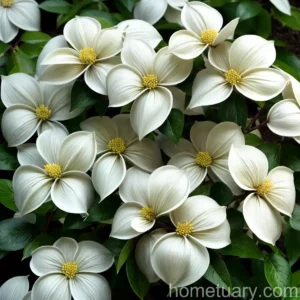
Cornus drummondii (Roughleaf Dogwood): A Comprehensive Guide
What is Cornus drummondii (Roughleaf Dogwood)?
Cornus drummondii, commonly known as Roughleaf Dogwood, is a deciduous shrub native to the central and eastern United States. It is a member of the Cornaceae family and is characterized by its rough-textured leaves, white flowers, and bluish-white fruit. This resilient plant is valued for its ornamental beauty, wildlife habitat support, and adaptability to various environmental conditions.
Key Takeaways – Cornus drummondii (Roughleaf Dogwood)
Before delving into the specifics of caring for Cornus drummondii, it’s important to highlight some key takeaways about this remarkable plant:
- Botanical Name: Cornus drummondii (Roughleaf Dogwood)
- Common Name: Roughleaf Dogwood
- Family: Cornaceae
- Native Range: Central and eastern United States
- Habitat: Open woods, wooded slopes, streamsides, and prairies
- Uses: Ornamental plant, wildlife habitat, erosion control
- Characteristics: Rough-textured leaves, white flowers, bluish-white fruit
Now that we have a general understanding of Cornus drummondii, let’s delve into the specific care requirements for this species.
Culture
Water
Roughleaf Dogwood generally prefers moist, well-drained soils, especially during its initial establishment phase. However, once established, it exhibits good drought tolerance and can adapt to occasional dry spells. While it can thrive in moist conditions, it is important to avoid waterlogged soil, as this can lead to root rot and other issues.
Sunlight
For optimal growth and flowering, Cornus drummondii thrives in partial shade to full sun. In the wild, it often grows along the edges of woodlands and in open areas where it can receive varying degrees of sunlight throughout the day. In landscaping settings, providing it with partial shade can help prevent stress during hot summer months.
Fertilizer
When it comes to fertilizing Roughleaf Dogwood, a balanced, slow-release fertilizer applied in early spring can provide the necessary nutrients for healthy growth and floral display. It’s important not to over-fertilize, as this can lead to excessive foliage growth at the expense of flower production.
Soil
Roughleaf Dogwood thrives in a range of soil types, including loamy, well-drained soils. It has an adaptable nature, allowing it to grow in slightly acidic to slightly alkaline soils. When planting, ensuring good soil drainage is essential for preventing waterlogged conditions.
Pruning
Pruning Roughleaf Dogwood is generally minimal, with the main focus being the removal of dead, damaged, or crossing branches. This can be done in late winter or early spring before new growth begins. Additionally, light summer pruning can help maintain a tidy appearance and promote air circulation within the canopy.
Propagation
Propagation of Cornus drummondii can be achieved through several methods, including:
- Seed Propagation: Collecting and sowing seeds in a suitable growing medium can lead to new plants. However, keep in mind that seeds may require a period of stratification to enhance germination.
- Softwood Cuttings: Taking softwood cuttings in late spring and placing them in a moist, well-draining rooting medium can yield new plants with adequate care and attention.
Container Popularity
While Roughleaf Dogwood is often grown in garden and landscape settings, it can also thrive in large containers. When growing it in containers, ensure that the container has ample drainage holes, and use a well-draining potting mix to prevent waterlogging.
Common Diseases
While generally resistant to many common diseases, Roughleaf Dogwood can occasionally be affected by the following issues:
- Anthracnose: This fungal disease can lead to leaf spots, stem cankers, and dieback. Ensuring good air circulation and avoiding overhead watering can help prevent its occurrence.
- Powdery Mildew: A common fungal disease that can affect the leaves, leading to a powdery white coating. Providing adequate spacing between plants and avoiding excess moisture can help mitigate its impact.
Disease Diagnosis
Diagnosing diseases in Roughleaf Dogwood involves careful examination of the plant’s symptoms, including leaf spots, discoloration, or unusual growth patterns. In some cases, consulting a plant health specialist or local extension office can help in accurately identifying and addressing potential disease issues.
Common Pests
While relatively resistant to pest infestations, Roughleaf Dogwood can occasionally be impacted by pests such as:
- Aphids: These small, sap-sucking insects can cause distortion and discoloration of foliage. Natural predators and regular monitoring can help keep aphid populations in check.
- Scale Insects: These pests can appear as small, waxy bumps on stems and leaves, sapping the plant’s vitality. Manual removal and horticultural oils can be effective control measures.
Botanist’s Tips
To ensure the successful cultivation of Cornus drummondii, it’s important to keep the following botanist’s tips in mind:
- Regular monitoring for signs of stress, disease, or pests is crucial for maintaining plant health.
- Pruning should be performed judiciously, focusing on the removal of dead or damaged branches while preserving the plant’s natural form.
- Providing adequate watering, especially during the establishment phase, can promote healthy root development and overall plant vigor.
Fun Facts
As we explore the fascinating world of Roughleaf Dogwood, here are some intriguing fun facts about this species:
- Wildlife Support: The fruits of Roughleaf Dogwood are an important food source for various birds, including robins, bluebirds, and thrushes.
- Native American Uses: Indigenous tribes utilized various parts of the Roughleaf Dogwood for medicinal and functional purposes, ranging from treating ailments to making tools and baskets.
- Fall Color: In autumn, the foliage of Cornus drummondii can transition to vibrant shades of red, adding to its ornamental appeal.
Now that we’ve gained valuable insights into the cultural aspects of caring for Roughleaf Dogwood, let’s explore some additional resources for further information.
Links to External Resources
For further information on Roughleaf Dogwood and related topics, explore the following resources:
- Wildflower.org: Cornus drummondii
- USDA Plants Database: Cornus drummondii
- Missouri Botanical Garden: Roughleaf Dogwood
- Lady Bird Johnson Wildflower Center: Roughleaf Dogwood
As we wrap up our comprehensive guide to Cornus drummondii, it’s evident that this versatile plant holds significant value in both natural and cultivated settings. From its resilience in various habitats to its role in supporting wildlife, Roughleaf Dogwood stands as a testament to the beauty and ecological importance of native plant species. Whether used in landscaping, restoration projects, or wildlife gardens, its presence enriches and enhances the natural environment.
Let us continue to appreciate and celebrate the ecological wonders of plants like Cornus drummondii, recognizing their contributions to biodiversity, conservation, and sustainable horticulture. Through attention to care, preservation of natural habitats, and sharing of knowledge, we can ensure the enduring presence of Roughleaf Dogwood and other valuable plant species for generations to come.