Cornus Florida ‘Appalachian Spring’ (Flowering Dogwood): A Comprehensive Guide
Cornus florida ‘Appalachian Spring’, commonly known as Flowering Dogwood, is a beloved deciduous tree cherished for its elegant spring blooms, vibrant fall foliage, and its rich history in North America. As a plant scientist with a passion for botany, I am excited to delve into the nuances of this stunning tree, exploring its cultural significance, care requirements, uses in landscaping, common diseases, and much more.
What is Cornus Florida ‘Appalachian Spring’?
Description
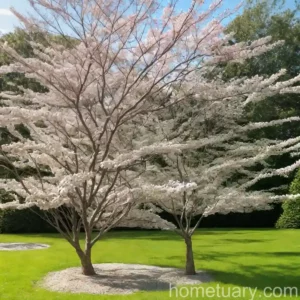
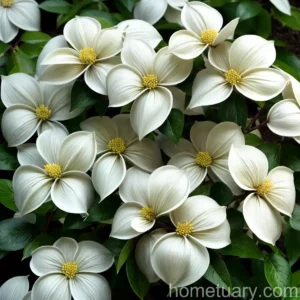
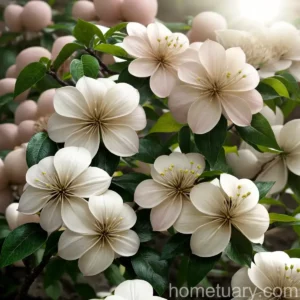
Cornus florida ‘Appalachian Spring’ is a variety of the flowering dogwood (Cornus florida) species, renowned for its exceptional ornamental features. This deciduous tree typically grows to a height of 15-30 feet with a spread of 15-20 feet, forming a broadly pyramidal or horizontal branching structure. The distinctive branching pattern and the showy springtime display of bracts, which are often mistaken for flowers, make this tree a sought-after addition to gardens and landscapes.
History
Dogwoods, including Cornus florida, hold a special place in American history and culture. The flowering dogwood, with its iconic four-petaled blossoms, has been regarded as a symbol of strength, resilience, and natural beauty. It has been associated with various legends, including the belief that its wood was used to craft the cross on which Jesus was crucified, leading to the common name “The Legend of the Dogwood.”
Key Takeaways – Cornus Florida ‘Appalachian Spring’ (Flowering Dogwood)
Culture
- USDA Hardiness Zones: 5-9
- Growth Rate: Moderate
- Lifespan: 15-30 years
- Companion Plants: Rhododendrons, Azaleas, Hostas, Ferns
Uses
- Landscaping: The Appalachian Spring dogwood is a popular choice for gardens, parks, and woodland areas due to its ornamental value.
- Wildlife Habitat: It serves as a valuable food and habitat source for various bird species and other wildlife.
Planting and Care
Water
Maintaining adequate soil moisture is crucial for the health and vitality of Cornus florida ‘Appalachian Spring’. While the tree is moderately drought-tolerant, it thrives best in consistently moist, well-drained soils.
Sunlight
- Sun Exposure: Partial shade to full sun
- Ideal Conditions: Filtered sunlight or dappled shade during the hottest part of the day
Fertilizer
Applying a balanced, slow-release fertilizer designed for woody plants in spring can provide the necessary nutrients for healthy growth and flowering.
Soil
- pH: Slightly acidic to neutral (pH 5.5-7.0)
- Composition: Rich, loamy soil with good drainage
Pruning
Regular pruning is essential for shaping the tree, removing damaged or diseased branches, and promoting air circulation within the canopy. It is best carried out during the tree’s dormant season in late winter to early spring.
Propagation
Propagation of Cornus florida ‘Appalachian Spring’ can be accomplished through various methods, including:
- Seeds: Sowing fresh seeds in a well-prepared seedbed in autumn.
- Softwood Cuttings: Rooting young, tender stem cuttings in a controlled environment.
- Grafting: Joining a scion from the desired cultivar onto a compatible rootstock.
Container Popularity
While Cornus florida ‘Appalachian Spring’ is primarily grown in outdoor landscapes, it can also thrive in large containers when provided with adequate space for root development, moisture, and nutrients.
Common Diseases and Pests
Disease Diagnosis
Identifying and addressing potential diseases promptly is essential for maintaining the health and vigor of flowering dogwoods. Common diseases include:
- Anthracnose: Caused by the fungus Discula destructiva, leading to leaf spot, twig dieback, and cankers.
- Powdery Mildew: Characterized by a white, powdery coating on leaves, often resulting from poor air circulation and high humidity.
- Dogwood Anthracnose: A lethal disease caused by the fungus Discula destructiva, prevalent in areas with humid climates.
Common Pests
- Dogwood Borers: Larvae of certain clearwing moths that tunnel into the tree’s trunk and branches, causing damage and weakening the tree.
- Scale Insects: Sap-feeding insects that can weaken the tree and excrete a sticky substance (honeydew), leading to the growth of sooty mold.
Botanist’s Tips
- Site Selection: Choose a location with well-drained soil and dappled sunlight to ensure optimal growth and flowering.
- Mulching: Apply a 2- to 4-inch layer of organic mulch around the base of the tree to conserve soil moisture and suppress weed growth.
- Pruning Techniques: When pruning, ensure clean cuts to minimize the risk of disease entry and promote rapid healing.
Fun Facts
- The Flowering Dogwood is the state tree and flower of Virginia and North Carolina in the United States.
- Its wood is dense, hard, and shock-resistant, making it suitable for crafting tools, mallets, and golf club heads.
Links to External Resources
To further expand your knowledge about Cornus florida ‘Appalachian Spring’ and flowering dogwoods, I highly recommend exploring the following resources:
– The American Society of Consulting Arborists
– International Society of Arboriculture
– Missouri Botanical Garden – Flowering Dogwood
In summary, Cornus florida ‘Appalachian Spring’ (Flowering Dogwood) stands as a cherished symbol of natural beauty, resilience, and cultural significance. Its timeless appeal in gardens and landscapes, coupled with its ecological importance, underscores the value of this magnificent tree in the horticultural world. By understanding its unique characteristics and providing appropriate care, enthusiasts can continue to celebrate the enduring beauty of the Appalachian Spring dogwood for generations to come.