Cornus Capitata (Evergreen Dogwood) – A Comprehensive Guide
Introduction
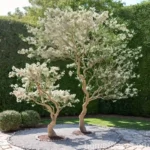
The Cornus capitata, commonly known as the Evergreen Dogwood, is a charming and versatile plant that is popular for its ornamental features and landscape uses. This evergreen tree is native to the Himalayas, China, and Japan and is renowned for its distinctive large, creamy-white flowers, and attractive foliage. As a plant scientist, it is imperative to comprehensively understand the culture, uses, care needs, diseases, and pests associated with Cornus capitata. In this guide, we will delve into the various aspects of the Cornus capitata, providing valuable insights into its cultivation, maintenance, and ecological importance.
What is Cornus Capitata (Evergreen Dogwood)?
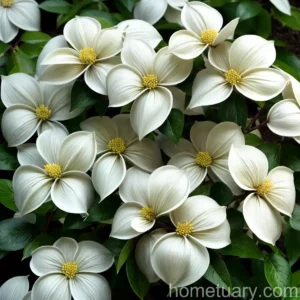
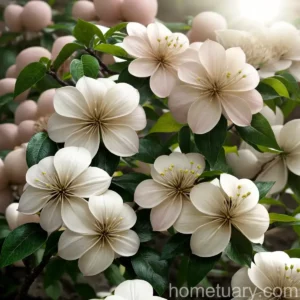
Cornus capitata, belonging to the Cornaceae family, is an evergreen flowering tree that can also be grown as a large shrub. Its common names include Evergreen Dogwood, Himalayan Strawberry Tree, and Chinese Evergreen Dogwood. The tree boasts large, broad, lance-shaped leaves that are glossy and dark green. However, one of its most prominent features is its flowers. The Evergreen Dogwood produces a dense cluster of small, yellow flowers surrounded by large, creamy bracts that resemble those of the familiar flowering dogwood (Cornus florida). The tree yields red, strawberry-like fruit that is edible for humans and attracts several species of birds.
The versatile nature of the Cornus capitata makes it an exceptional addition to gardens, parks, and urban landscapes. Its year-round appeal and adaptability to various climatic conditions further enhance its desirability as an ornamental plant.
Key Takeaways – Cornus Capitata (Evergreen Dogwood)
Culture
- Hardiness Zone: 7 – 9
- Height: 20 – 40 feet
- Spread: 20 – 30 feet
- Growth Rate: Moderate to fast
Uses
- Ornamental: Suitable for gardens, parks, and urban landscaping
- Wildlife Habitat: Provides food and shelter for birds and wildlife
Water
- Water Needs: Regular watering until established, then becomes drought tolerant
- Soil Moisture: Well-drained soil
Sunlight
- Exposure: Full sun to partial shade
- Sun Needs: Thrives in full sun
Fertilizer
- Fertilization: Requires balanced fertilizer during the growing season
Soil
- pH: Neutral to slightly acidic (pH 6.1 – 7.8)
- Type: Well-drained, fertile soil
- Texture: Loamy
Pruning
- Pruning Time: Best pruned in winter or early spring
- Purpose: To maintain shape and remove dead or damaged branches
- Pruning Needs: Minimal
Propagation
- Methods: Semi-hardwood cuttings, seeds
- Timing: Propagate from seeds in autumn or semi-hardwood cuttings in summer
Container
- Suitability: Can be grown in containers
- Size: Requires a large container for unrestricted growth
Popularity
- A popular choice for ornamental trees and landscape design
Culture of Cornus Capitata
The successful cultivation of the Evergreen Dogwood relies on understanding its specific cultural requirements. Whether grown in home gardens or public spaces, it is essential to provide suitable conditions for the plant’s optimal growth and development.
Hardiness and Growth Conditions
The Cornus capitata is ideally suited to hardiness zones 7 to 9, where it thrives in moderate to fast-growing conditions. Its average height ranges from 20 to 40 feet, with a spread of 20 to 30 feet, making it a suitable addition to medium to large-sized landscapes. The tree is well-adapted to various soil types, provided they are well-drained and nutrient-rich. Additionally, it can withstand strong winds and urban pollution, making it a versatile choice for urban and suburban areas.
Uses and Landscape Adaptability
The Evergreen Dogwood is primarily grown for its ornamental value. Its striking flowers, attractive foliage, and decorative berries make it a popular choice for gardens, parks, and public landscapes. Furthermore, its ability to attract wildlife, such as birds and pollinators, adds to its ecological significance. Whether used as a standalone specimen or in mixed plantings, the Cornus capitata adds visual interest and diversity to the landscape, making it a favored choice among landscape designers and garden enthusiasts.
Watering Needs
The water requirements of the Cornus capitata are relatively straightforward. During the initial establishment phase, regular watering is essential to ensure proper root development and overall plant health. Once established, the Evergreen Dogwood exhibits a good level of drought tolerance, reducing its dependence on supplemental watering. However, during prolonged periods of drought or extreme heat, it is advisable to provide adequate irrigation to maintain the tree’s vigor and vitality.
Sunlight Requirements
The Cornus capitata thrives in full sun to partial shade, making it adaptable to various light conditions. However, to ensure optimal flowering and fruiting, it is best to provide the tree with ample sunlight. In regions with intense summer heat, partial shade during the hottest part of the day can protect the tree from excessive stress and sunburn.
Fertilization Practices
To support healthy growth and prolific flowering, the Cornus capitata benefits from regular fertilization. A balanced, slow-release fertilizer applied during the growing season provides the necessary nutrients for robust growth and vibrant blooms. Additionally, organic amendments, such as compost and well-rotted manure, can be incorporated into the soil to enhance its fertility and structure, fostering an ideal environment for the Evergreen Dogwood’s development.
Soil Requirements
The soil requirements of the Cornus capitata are relatively flexible, provided the soil is well-drained and nutrient-rich. However, the tree thrives in neutral to slightly acidic soil with a pH in the range of 6.1 to 7.8. The ideal soil type for the Evergreen Dogwood is loamy, offering a balanced mix of sand, silt, and clay. Adequate soil moisture is crucial for the tree’s establishment and subsequent growth, emphasizing the importance of maintaining proper soil conditions to facilitate its long-term success.
Pruning Guidelines
Pruning plays a vital role in maintaining the structure and health of the Cornus capitata. While the tree generally requires minimal pruning, selective trimming may be necessary to remove dead, damaged, or congested branches, promoting better air circulation and overall vigor. The best time to prune the Evergreen Dogwood is in winter or early spring, before the onset of new growth. This timing minimizes stress on the tree and allows for seamless healing of pruning wounds.
Propagation Methods
The propagation of Cornus capitata can be achieved through various methods, including seeds and semi-hardwood cuttings. Propagating from seeds is typically carried out in the autumn, while semi-hardwood cuttings are prepared and rooted during the summer months. Both methods require careful attention to environmental conditions and proper care to ensure successful establishment.
Container Gardening
The Evergreen Dogwood can also be cultivated in containers, providing an excellent opportunity to showcase its beauty on patios, decks, or within small garden spaces. When grown in containers, it is essential to select a spacious pot that allows for unrestricted root growth. Additionally, attention to watering, fertilization, and overall plant care is crucial to support the tree’s growth and longevity in a containerized environment.
Popularity and Landscape Uses
The Cornus capitata continues to enjoy popularity as an ornamental tree and landscaping feature due to its attractive flowers, evergreen foliage, and wildlife-supporting attributes. Its versatility in various landscape settings, including woodland gardens, urban plantings, and mixed borders, further contributes to its widespread appeal. Moreover, its adaptability to diverse climatic conditions and soil types expands its potential for inclusion in a wide range of garden designs and horticultural applications.
Common Diseases and Remedies
While the Cornus capitata is generally resilient, it may be susceptible to certain diseases under unfavorable growing conditions or stress. Common diseases affecting the Evergreen Dogwood include powdery mildew, leaf spot, and root rot. Employing good cultural practices, such as providing proper air circulation, adequate irrigation, and regular plant inspections, can help prevent disease outbreaks. Additionally, using disease-resistant varieties and implementing prompt measures, such as targeted fungicidal treatments, can effectively manage and mitigate disease issues.
Disease Diagnosis and Management
Diagnosing diseases in the Cornus capitata involves careful observation of symptoms such as abnormal leaf discoloration, wilting, or fungal growth on foliage. If disease symptoms are observed, it is essential to promptly identify the specific disease pathogen and implement appropriate management strategies. Cultural adjustments, disease-resistant cultivars, and timely fungicidal applications are effective measures for disease prevention and control in the Evergreen Dogwood.
Common Pests and Control Measures
Pest infestations can pose challenges to the health and vitality of the Cornus capitata. Common pests that may affect the Evergreen Dogwood include aphids, scale insects, and borers. Regular monitoring, early detection of pest populations, and implementing timely interventions, such as insecticidal treatments or biological controls, are essential in managing pest issues and protecting the tree from potential damage.
Botanist’s Tips for Successful Cultivation
- Selecting Varieties: Choose disease-resistant and well-adapted varieties for optimal performance.
- Soil Management: Maintain well-drained, fertile soil to support healthy root development and overall plant vigor.
- Pruning Techniques: Practice selective pruning to encourage an open canopy and enhance air circulation within the tree.
- Watering Practices: Balance watering to establish a healthy root system and ensure sufficient moisture during dry periods.
- Integrated Pest Management: Employ a holistic approach to pest management, integrating cultural, biological, and chemical control methods as needed.
Fun Facts about Cornus Capitata
- The fruits of the Cornus capitata are edible and are used in the production of jellies and preserves.
- The flowers of the Evergreen Dogwood are a significant source of nectar for pollinators and are popular with bees and butterflies.
- The tree’s red, strawberry-like fruits are an attractive food source for birds, contributing to its value in wildlife habitats.
Links to External Resources
For further information and resources on Cornus capitata and its cultivation, the following external links are recommended:
- The Royal Horticultural Society – Cornus capitata
- Missouri Botanical Garden – Cornus Capitata
- University of Florida IFAS Extension – Flowering Dogwood
- Cornus Capitata – PlantZAfrica
Conclusion
As a plant scientist, understanding the intricate details of plant species such as Cornus capitata is essential for promoting their successful cultivation, ecological significance, and ornamental value. By comprehensively exploring the culture, uses, care needs, diseases, and pests associated with the Evergreen Dogwood, we can effectively contribute to the dissemination of knowledge and best practices in horticulture and landscape management. The beauty, adaptability, and ecological contributions of the Cornus capitata make it a valuable addition to diverse landscapes, enriching our natural surroundings and providing essential habitat and sustenance for wildlife. The insights shared in this comprehensive guide aim to equip enthusiasts, horticultural professionals, and nature lovers with the tools and information needed to appreciate, cultivate, and conserve this remarkable evergreen tree.