All About Tatarian Dogwood (Cornus alba ‘Regnzam’ RED GNOME)
Tatarian dogwood, scientifically known as Cornus alba ‘Regnzam’ RED GNOME, is a popular deciduous shrub with a remarkable winter interest. It belongs to the Cornaceae family and is native to Siberia, Korea, and parts of China. This ornamental shrub is widely cultivated for its stunning foliage, attractive bark, and its ability to thrive in a variety of growing conditions.
In this comprehensive guide, we will delve into the fascinating world of the Tatarian dogwood, exploring its cultural requirements, uses in landscaping, propagation methods, common diseases and pests, and much more. By the end of this article, you will have a deep understanding of this captivating plant and how to cultivate it in your garden.
What is Tatarian Dogwood (Cornus alba ‘Regnzam’ RED GNOME)?
Tatarian dogwood, also known as Cornus alba ‘Regnzam’ RED GNOME, is a cultivar of the species Cornus alba, commonly referred to as the Tatarian dogwood. This deciduous shrub is prized for its vibrant red stems, which create a stunning visual impact in the winter landscape. Its compact size, easy maintenance, and ability to thrive in a variety of growing conditions make it a popular choice for gardens and landscapes.
Key Takeaways – Tatarian Dogwood (Cornus alba ‘Regnzam’ RED GNOME)
Before we dive into the specifics of growing and caring for Tatarian dogwood, it’s important to highlight some key takeaways about this beautiful plant.
Tatarian Dogwood Benefits
- Provides stunning red stems for winter interest
- Attracts wildlife, especially birds, with its berries
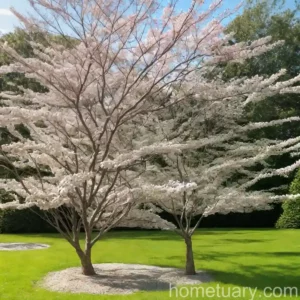
- Offers versatility in landscaping, including use as a hedge or border plant
Now, let’s explore the cultural requirements, uses, and maintenance tips for Tatarian dogwood.
Culture
Understanding the cultural needs of Tatarian dogwood is essential for ensuring its successful growth and development. From water requirements to sunlight preferences, a well-rounded grasp of its cultural needs is crucial for cultivating a healthy and vibrant shrub.
Uses
Tatarian dogwood is valued for a range of uses, both practical and aesthetic. Understanding these uses allows gardeners and landscapers to maximize the potential of this versatile plant.
- Ornamental Value: Its striking red stems make it a standout feature in winter landscapes.
- Wildlife Attraction: The plant’s berries are a valuable food source for birds, making it an excellent choice for wildlife-friendly gardens.
- Erosion Control: Its dense root system and adaptable nature make it an effective erosion control plant in landscaping projects.
Water
Determining the water requirements of Tatarian dogwood is crucial for establishing proper irrigation practices. Consistent and appropriate watering plays a significant role in maintaining the health and vigor of this plant.
- Water Requirements: Tatarian dogwood prefers consistently moist soil, especially during the establishment phase. Once established, it exhibits good drought tolerance.
Sunlight
Understanding the sunlight preferences of Tatarian dogwood is essential for selecting the right planting location and ensuring optimal growth and development.
- Sunlight Needs: While it can tolerate partial shade, Tatarian dogwood thrives in full sun to partial shade, with at least 4-6 hours of direct sunlight per day.
Fertilizer
Applying the right type and amount of fertilizer is crucial for providing Tatarian dogwood with essential nutrients for healthy growth and development.
- Fertilizer Requirements: A balanced, slow-release fertilizer applied in spring can support the shrub’s growth. Avoid excessive nitrogen, which can stimulate excessive vegetative growth at the expense of winter stem color.
Soil
Understanding the soil preferences and requirements of Tatarian dogwood is vital for ensuring optimal growing conditions.
- Soil Preferences: Tatarian dogwood thrives in well-draining, slightly acidic to neutral soils. It adapts well to a variety of soil types, including clay and loamy soils.
Pruning
Pruning is an essential aspect of Tatarian dogwood maintenance, contributing to its overall health, shape, and aesthetic appeal. Proper pruning techniques for this shrub are essential for preserving its attractive form and vibrant winter stems.
Pruning Tips
- Winter Pruning: Conduct rejuvenation pruning in late winter to early spring, removing older stems to stimulate new growth and maintain vibrant stem color.
- Remove Suckers: Regularly remove any suckers to control the plant’s spread and maintain a tidy appearance.
- Thinning: Thinning out older stems promotes air circulation within the plant, reducing the risk of disease.
Propagation
Understanding the propagation methods for Tatarian dogwood allows enthusiasts to expand their plant collection and share this delightful shrub with others.
- Propagation Techniques: Tatarian dogwood can be propagated from hardwood cuttings, softwood cuttings, or by dividing established plants.
- Timing: Hardwood cuttings are best taken during the dormant season, while softwood cuttings are typically harvested in late spring to early summer.
Container Popularity
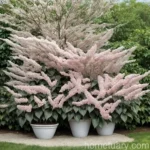
Tatarian dogwood’s compact size, attractive appearance, and adaptability to container cultivation make it a popular choice for container gardening.
- Container Suitability: Tatarian dogwood is well-suited to container gardening, provided that the containers are large enough to accommodate its growth and the soil has good drainage.
Container Common Diseases
When growing Tatarian dogwood in containers, it’s essential to be aware of potential disease issues associated with container cultivation.
- Root Rot: Overly moist or poorly drained soil in containers can lead to root rot, compromising the plant’s health.
Disease Diagnosis
Identifying and understanding common diseases that affect Tatarian dogwood is crucial for implementing timely and effective disease management strategies.
Common Diseases
- Powdery Mildew: This fungal disease can affect the plant’s foliage, leading to white powdery patches.
- Leaf Spot: Circular, dark lesions on the leaves indicate the presence of this common fungal disease.
Disease Resistance
Selecting disease-resistant cultivars like Cornus alba ‘Regnzam’ RED GNOME can significantly reduce the risk of disease and minimize the need for chemical treatments.
Common Pests
Knowing the common pests that pose a threat to Tatarian dogwood is essential for implementing appropriate pest management measures.
Common Pests
- Aphids: These tiny, sap-sucking insects can infest the foliage, causing distortion and stunted growth.
- Scale Insects: The presence of scales on stems and leaves can indicate an infestation, leading to weakened plant vigor.
Pest Control
Implementing cultural practices such as proper irrigation and adequate spacing can help reduce the risk of pest infestations. Additionally, natural predators and beneficial insects can contribute to pest control in the garden.
Botanist’s Tips
Insights from botanists and plant experts can offer valuable guidance for cultivating and caring for Tatarian dogwood.
- Selecting Cultivars: When choosing Tatarian dogwood cultivars, consider characteristics such as stem color, growth habit, and disease resistance to ensure the best possible performance in your garden.
- Winter Interest: Tatarian dogwood’s vibrant red stems make it an excellent choice for adding visual interest to winter landscapes.
Fun Facts
Discovering intriguing and lesser-known facts about Tatarian dogwood adds an extra layer of fascination to this captivating shrub.
- Native Range: Tatarian dogwood is native to regions including Siberia, Korea, and parts of China.
- Attractive Bark: Apart from its vibrant winter stems, Tatarian dogwood also boasts attractive mottled bark, adding visual interest year-round.
Links to External Resources
For further information about Tatarian dogwood, explore the following resources:
1. Tatarian Dogwood – University of Florida
2. Growing Tatarian Dogwood – University of Minnesota Extension
3. Tatarian Dogwood Facts – Missouri Botanical Garden
In conclusion, Tatarian dogwood (Cornus alba ‘Regnzam’ RED GNOME) is a remarkable shrub that offers year-round interest, wildlife appeal, and versatility in landscaping. By understanding its cultural requirements, uses, and maintenance needs, gardeners and landscaping enthusiasts can successfully grow and enjoy the beauty of this captivating plant.
This comprehensive guide aims to equip readers with the knowledge and insights to cultivate Tatarian dogwood with confidence, creating stunning landscapes and enriching wildlife habitats. Whether as a standalone specimen, a hedge, or a container plant, Tatarian dogwood holds immense potential for enhancing the beauty and biodiversity of garden spaces.