Cornus canadensis (Bunchberry) – A Delightful Woodland Ground Cover
As a plant scientist with a passion for exploring the diverse world of flora, I find myself drawn to the unique and charming attributes of Cornus canadensis, commonly known as Bunchberry. This diminutive yet resilient plant belongs to the dogwood family and thrives as an integral part of the forest floor, contributing to the delicate balance of the woodland ecosystem.
In this comprehensive guide, we will delve into the fascinating characteristics of Cornus canadensis, exploring its culture, uses, maintenance requirements, and the nuances of its propagation. Additionally, we will discuss potential diseases and pests that may affect this delightful ground cover, along with effective diagnosis and management strategies. So, let’s embark on a journey to uncover the wonders of this enchanting plant while keeping in mind the numerous keywords associated with this plant’s identity and uses.
What is Cornus canadensis (Bunchberry)?
Cornus canadensis, more commonly known as Bunchberry, Canadian Bunchberry, or Dwarf Dogwood, is a native perennial plant that thrives in the forests of North America. Its petite stature and exquisite flowers make it a sought-after addition to woodland gardens and naturalistic landscapes.
Key Takeaways – Cornus canadensis (Bunchberry)
Before we delve into the details of Bunchberry’s culture and care, let’s briefly explore its key characteristics:
- Scientific Name: Cornus canadensis
- Other Common Names: Canada dogwood, Bunchberry dogwood, Creeping dogwood
- Plant Type: Low-growing perennial ground cover
- Habitat: Naturalized across North American forests, particularly thriving on the forest floor
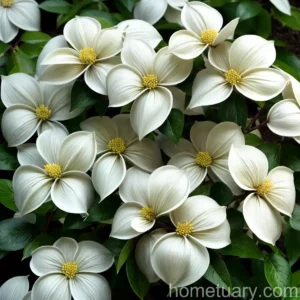
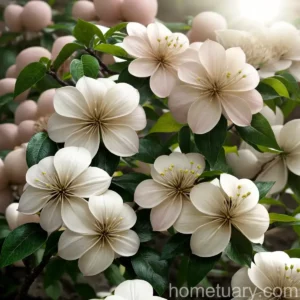
- Distinct Features: Delicate four-petaled white flowers, clusters of crimson berries, broad green foliage
- Ecological Role: Provides ground cover, supports wildlife, and enriches forest ecosystems
Now that we have a broad overview of Bunchberry, let’s delve deeper into its culture, uses, and maintenance requirements to understand how to cultivate and appreciate this charming plant.
Culture of Cornus canadensis
Understanding the cultural requirements of Cornus canadensis is crucial for nurturing this plant successfully. From sunlight and water needs to soil preferences, each aspect plays a pivotal role in supporting the healthy growth of this delightful ground cover.
Water
Bunchberry plants thrive in moist, well-drained soil, mirroring the conditions commonly found on the forest floor. While they appreciate consistent moisture, they are also resilient in handling periods of moderate drought once established. However, consistent watering, especially during the growing season, is essential to support robust growth and flowering.
Sunlight
In their natural habitat, Bunchberry plants flourish in the dappled light and partial shade of the forest understory. When cultivated in home gardens, they exhibit optimal growth in similar conditions, thriving under the canopy of taller trees or in areas with filtered light. Excessive exposure to direct sunlight can stress the plants, particularly in regions with intense summer heat.
Fertilizer
Due to their adaptation to nutrient-rich forest soils, Bunchberry plants generally have low fertilizer requirements. Organic amendments such as compost or well-rotted leaf litter can be beneficial when establishing new plantings, providing a gentle boost to the soil’s fertility without overwhelming the delicate root system.
Soil
Acidic, humus-rich soils that retain moisture without becoming waterlogged are ideal for cultivating Bunchberry. Additionally, the presence of leaf litter and organic debris in the soil mimics their natural habitat, enhancing the overall health and vigor of the plants. Ensuring proper soil structure and fertility sets the stage for robust growth and profuse flowering.
Pruning
Minimal pruning is necessary for Bunchberry plants, primarily focusing on the removal of dead or damaged foliage and occasional thinning to promote air circulation. These interventions help maintain the plant’s compact and tidy appearance while supporting its overall health. Care should be taken to avoid excessive pruning, as it may impede the development of flowers and berries.
Propagation
The propagation of Cornus canadensis can be achieved through various methods, including division, seed sowing, and stem cuttings. Each approach offers unique advantages and challenges, empowering gardeners to expand their Bunchberry population through their preferred means.
Division
Division serves as an effective means of propagating Bunchberry, particularly during the plant’s dormant season or early spring. Carefully dividing the rhizomes and root mass allows for the creation of new plantings, each with the potential to establish itself and flourish in suitable habitats.
Seed Sowing
While Bunchberry seeds require stratification to break their dormancy, they present a rewarding option for propagation. By mimicking the natural processes of seed germination that occur in the forest environment, gardeners can sow Bunchberry seeds in prepared soil, setting the stage for the emergence of new plants in due course.
Stem Cuttings
Utilizing stem cuttings to propagate Bunchberry offers a reliable method of creating genetically identical clones of the parent plant. Selecting healthy stems, preparing them appropriately, and providing favorable conditions for rooting facilitates the development of new plants that perpetuate the desirable traits of the original specimen.
Container Popularity
The charming appeal of Bunchberry, coupled with its manageable size, makes it a popular choice for container gardening. Whether utilized as a standalone specimen or incorporated into mixed plantings, Bunchberry brings a touch of woodland enchantment to outdoor living spaces, patios, and balcony gardens.
Container Uses
Container-grown Bunchberry adds a captivating element to various garden settings, including:
- Shade Gardens: Thriving in the sheltered environment of shade gardens, Bunchberry enriches the understory with its delicate flowers and foliage.
- Woodland-themed Landscapes: Incorporating Bunchberry in containers contributes to the creation of woodland-themed displays, evoking the tranquility of natural forest settings.
- Patios and Balconies: Lending its allure to urban gardens, containerized Bunchberry offers a glimpse of native woodland flora in compact living spaces.
Container Care
Successful cultivation of Bunchberry in containers hinges on key considerations, such as:
- Optimal Pot Size: Selecting appropriately sized containers that accommodate the plant’s root system while allowing for healthy growth
- Moisture Management: Ensuring consistent moisture levels in the growing medium, maintaining the balance between adequate hydration and proper drainage
- Placement: Positioning containers in shaded or partially shaded areas to provide the dappled light conditions that mimic the plant’s natural habitat
Common Diseases of Cornus canadensis
While generally robust and resilient, Bunchberry plants may encounter specific diseases that warrant vigilance and prompt intervention. Recognizing the symptoms and addressing potential concerns proactively enhances the overall health and vitality of these woodland gems.
Disease Diagnosis
Key diseases that may affect Bunchberry include:
- Powdery Mildew (Erysiphe pulchra): Manifests as a white, powdery growth on the foliage, potentially leading to leaf distortion and reduced vigor.
- Leaf Spot (Mycosphaerella cornicola): Notable by the presence of dark spots or lesions on the leaves, often leading to premature leaf drop and aesthetic decline.
Disease Management
Mitigating disease challenges in Bunchberry involves employing strategies such as:
- Cultural Practices: Maintaining proper spacing between plants, ensuring good air circulation, and promoting overall plant health through appropriate water and light management.
- Fungicidal Treatments: When warranted, targeted fungicidal applications can aid in controlling disease outbreaks, particularly during periods conducive to pathogen proliferation.
Common Pests Affecting Cornus canadensis
Pests can pose localized challenges for Bunchberry, necessitating vigilance and proactive measures to safeguard the plants from potential harm. By identifying common pests and implementing effective control strategies, gardeners can ensure the enduring health and beauty of their Bunchberry plantings.
Common Pests
Notable pests that may affect Bunchberry include:
- Aphids: These sap-feeding insects can cluster on new growth, leading to distorted foliage and the potential for honeydew excretion and subsequent sooty mold development.
- Spider Mites: Infestations of spider mites may result in stippled, discolored foliage and the presence of fine webbing on the plant, signaling their activity.
Pest Management
Effectively managing pest pressures in Bunchberry involves initiatives such as:
- Natural Predators: Encouraging the presence of beneficial insects and predatory arthropods that help mitigate pest populations, such as ladybugs and lacewings.
- Horticultural Oils and Insecticidal Soaps: Targeted applications of these products can provide effective control of aphids and spider mites, minimizing pest damage while avoiding broad-spectrum pesticide use.
Botanist’s Tips for Cultivating Cornus canadensis
When cultivating Bunchberry, several botanist-approved tips and recommendations can enhance the success and satisfaction of nurturing these captivating plants. From site selection to maintenance practices, incorporating these insights into Bunchberry care fosters an environment that supports their optimal growth and well-being.
Soil Enrichment
Amending the soil with organic matter and well-decomposed leaf litter replicates the nutrient-rich, humus-laden conditions that Bunchberry thrives in naturally. This approach fosters a fertile and moisture-retentive substrate that nourishes the plants and promotes healthy development.
Embracing Shade
Embracing the inherent preference for shade and filtered light aligns with Bunchberry’s ecological adaptations. Providing a sheltered environment that mimics the conditions of the forest floor ensures that the plants flourish and exhibit their charming floral display to the fullest.
Seasonal Observations
Observing the seasonal nuances of Bunchberry, from its ephemeral flowers to the formation of vibrant berries, enhances the appreciation of its life cycle. Engaging with the plants across seasons creates a deeper connection to their natural rhythms and captivating beauty.
Fun Facts about Cornus canadensis
Unveiling intriguing and delightful details about Cornus canadensis adds a layer of fascination to the experience of cultivating and observing these remarkable plants. These fun facts offer insight into the plant’s ecological role, cultural significance, and engaging attributes, enriching our understanding of this woodland gem.
Ecological Relationships
Bunchberry plays a vital role in the forest ecosystem, serving as a ground cover that supports soil stability and moisture retention. Additionally, the berries it produces serve as a valuable food source for various wildlife species, contributing to the intricate web of interactions that characterize woodland habitats.
Indigenous Uses
Native communities have long valued Bunchberry for its diverse uses, including medicinal and culinary applications. From utilizing its astringent properties to treat various ailments to incorporating its vibrant berries into traditional recipes, Bunchberry holds cultural relevance that spans generations.
Floral Mimicry
The showy white bracts of Bunchberry’s flowers resemble petals, while the true flowers are tucked inconspicuously at the center. This clever adaptation enhances the plant’s appeal, mimicking the structure of its larger dogwood relatives while remaining perfectly suited to its understory habitat.
Now that we’ve delved into the delightful facets of Bunchberry, from its cultural requirements to its intriguing attributes, let’s explore additional resources and research to further enrich our understanding of this captivating plant.
Links to External Resources
For further exploration of Bunchberry and related topics, the following external resources provide valuable insights and information:
- Wildflower Search: Cornus canadensis
- USDA Plants Database: Cornus canadensis
- Missouri Botanical Garden: Bunchberry
- Encyclopedia of Life: Cornus canadensis
Conclusion
Cornus canadensis, with its endearing flowers, charming berries, and vital role in forest ecosystems, stands as a testament to the captivating beauty and ecological significance of native woodland plants. By understanding its cultural requirements, propagation methods, and potential disease and pest challenges, we can foster a deeper appreciation for this enchanting ground cover and enrich our connection to the natural world.
As we continue to explore the captivating realm of plants, may our curiosity and reverence for these botanical wonders inspire us to cultivate, conserve, and celebrate their remarkable contributions to the tapestry of life on Earth.
Happy gardening and botanical adventures!
Keywords: Bunchberry plant, Canada dogwood, Dwarf dogwood, Cornus canadensis, Ground cover plants, Forest floor plants, Native plants, Wildflowers, Canadian bunchberry, Bunchberry dogwood, Dogwood ground cover, Shade-loving plants, Low-growing plants, Understory plants, Indigenous flora, Woodland plants, Small flowering plants, Perennial ground cover, Spring blooming plants, Medicinal plants, Edible plants, Berry-bearing plants, Wildlife-friendly plants, Attractive foliage plants, Trailing plants, Creeping plants, North American flora, Low-maintenance plants, Hardy ground cover, Dogwood family plants, Creeping dogwood, Cold-hardy plants, Shade-tolerant plants, Ground-hugging plants, Deciduous ground cover, Carpet-forming plants, Forest shrubs, Moisture-loving plants, Rainforest floor plants, Woodland garden plants, Underplanting options, Native ground cover, Naturalized plants, Wild ground cover, Spring woodland plants, Compact dogwood, Herbaceous plants, Drought-tolerant ground cover, Evergreen ground cover, Subarctic plants