Red Twig Dogwood (Cornus sericea): A Comprehensive Guide
Red twig dogwood (Cornus sericea) is a versatile and visually appealing plant that has gained popularity in landscaping and gardening circles. Known for its striking red branches, this shrub offers a range of uses and benefits, making it a valuable addition to any garden or landscape design. In this comprehensive guide, we will explore the culture, uses, maintenance, and other essential aspects of red twig dogwood, providing valuable insights for both novice and experienced plant enthusiasts.
What is Red Twig Dogwood (Cornus sericea)?
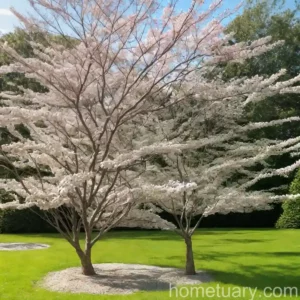
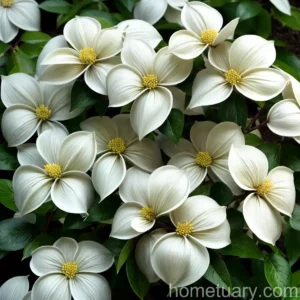
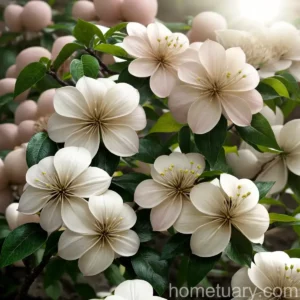
Red twig dogwood, scientifically known as Cornus sericea, is a deciduous shrub native to North America. It belongs to the Cornaceae family and is commonly found in wetland habitats, such as stream banks, pond edges, and damp wooded areas. The plant is characterized by its striking red stems, particularly prominent during the winter months when the foliage has shed. The botanical features and ornamental value of red twig dogwood have made it a sought-after plant for landscaping and conservation purposes.
Key Takeaways – Red Twig Dogwood (Cornus sericea)
Before delving into the in-depth details, let’s take a quick look at the key takeaways associated with red twig dogwood:
- Scientific Name: Cornus sericea
- Common Name: Red twig dogwood
- Family: Cornaceae
- Native Habitat: North America
- Notable Feature: Striking red branches
- Uses: Landscaping, erosion control, wildlife habitat creation
Now, let’s explore the various aspects of red twig dogwood in detail, providing valuable insights into its culture, maintenance, uses, and more.
Culture of Red Twig Dogwood
Understanding the cultural requirements of red twig dogwood is essential for ensuring its healthy growth and optimal visual appeal. From sunlight exposure to soil preferences, here’s a comprehensive overview of the plant’s cultural needs:
Water
Red twig dogwood thrives in moist to wet conditions, making it an ideal choice for areas with poorly-drained soil or wetland planting. The plant can tolerate periodic flooding and is well-suited to rain gardens and riparian zones. When establishing red twig dogwood, it is crucial to provide consistent moisture, especially during the initial growth phase. However, the plant can also adapt to moderately dry conditions once established, further enhancing its versatility.
Sunlight
While red twig dogwood displays optimal growth in full sun to partial shade, it is remarkably adaptable to various light conditions. In partial shade, the plant may exhibit a more open and less dense growth habit, while full sun exposure typically results in dense foliage and vibrant stem coloration. As a landscaping feature, red twig dogwood can be strategically positioned to leverage its sunlight preferences based on the desired visual impact.
Soil
The soil preferences of red twig dogwood encompass a broad spectrum, ranging from moist, clay-rich soils to nutrient-poor, sandy substrates. The plant demonstrates a remarkable tolerance for different soil types, making it suitable for a wide range of environmental conditions. However, it thrives in slightly acidic to neutral soils with good moisture retention capabilities. Incorporating organic matter and mulching around the base of the plant can further enhance its performance in various soil types.
Fertilizer
Red twig dogwood typically does not require frequent fertilization, especially when grown in naturalized settings or established landscapes. In most cases, incorporating organic mulch around the plant’s base can provide adequate nutrients to support healthy growth. However, if the plant is displaying signs of nutrient deficiency, a balanced, slow-release fertilizer can be applied in early spring, before the onset of new growth. Care should be taken to avoid excessive fertilization, which can lead to rapid, leggy growth and diminished stem coloration.
Pruning
Pruning is an essential aspect of red twig dogwood maintenance, particularly for enhancing its vibrant stem coloration and managing its growth habit. Proper pruning techniques are crucial for promoting the plant’s ornamental value and ensuring a balanced, healthy appearance. Here are some key aspects to consider when pruning red twig dogwood:
- Pruning Time: The best time to prune red twig dogwood is during late winter or early spring, before the onset of new growth. This allows for easy identification of older, less vibrant stems that can be selectively pruned to encourage new growth and enhance color contrast.
- Pruning Technique: When pruning red twig dogwood for stem coloration, it is advisable to remove one-third to one-quarter of the oldest stems annually. This encourages the development of vigorous, brightly-colored new growth, ensuring an attractive display in the subsequent season.
- Thinning and Shaping: In addition to stem coloration, pruning can also be used to thin out overcrowded growth and shape the plant to achieve the desired form and density. Regular inspection and selective pruning contribute to a balanced, visually appealing appearance throughout the year.
Propagation
Propagation of red twig dogwood can be achieved through various methods, including:
- Cuttings: Stem cuttings can be collected from healthy, actively growing stems during the summer months. These cuttings can be rooted in a well-draining propagation medium under controlled humidity and temperature conditions.
- Division: Mature red twig dogwood specimens can be divided during the dormant season to produce multiple plants. Care should be taken to retain a sufficient root system for each division, promoting successful establishment.
Container Popularity
Red twig dogwood is well-suited for container cultivation, offering a dynamic and visually striking addition to patio settings, entrances, and outdoor living spaces. The vibrant stem coloration and versatile growth habits of the plant make it an appealing choice for container gardening, allowing individuals to enjoy its ornamental value in a confined space. When selecting containers for red twig dogwood, it is essential to choose options with sufficient drainage and ample room for root development, ensuring the plant’s long-term health and vigor.
Container Common Diseases
While red twig dogwood is relatively resistant to major diseases, certain environmental conditions and stress factors can contribute to the development of issues such as leaf spot, powdery mildew, and canker diseases. Common diseases associated with container-grown red twig dogwood include:
- Leaf Spot: Characterized by dark lesions on the foliage, leaf spot can affect the overall aesthetic appeal of the plant, particularly in high humidity conditions. Utilizing proper watering practices and ensuring good air circulation can mitigate the risk of leaf spot.
- Powdery Mildew: This fungal disease appears as a powdery, white coating on the leaves, often leading to diminished vigor and unsightly foliage. Adequate spacing and maintaining moderate humidity levels can help minimize powdery mildew incidence.
- Canker Diseases: Canker diseases can affect the stems and branches of red twig dogwood, leading to dieback and weakened structural integrity. Pruning and removing affected sections in a timely manner can prevent the spread of canker diseases within container-grown specimens.
Disease Diagnosis
Diagnosing and addressing potential diseases in red twig dogwood requires attentiveness to visual cues and symptom identification. When inspecting the plant for signs of disease, focus on the following key indicators:
- Foliage Condition: Monitor the overall health and appearance of the foliage, looking for discoloration, spotting, wilting, or abnormal growth patterns.
- Stem and Branch Health: Check the stems and branches for signs of cankers, dieback, or unusual lesions that may indicate disease presence.
- Environmental Factors: Consider the prevailing environmental conditions, such as humidity levels, air circulation, and soil moisture, which can influence disease susceptibility.
Common Pests
Red twig dogwood is generally resistant to major pest infestations, owing to its natural resilience and robust growth habits. However, certain pests can occasionally impact the plant’s health and appearance. Common pests that may affect red twig dogwood include:
- Aphids: These small, sap-sucking insects can cluster on the foliage and stems, leading to distorted growth and diminished plant vigor. Insecticidal soap or horticultural oils can be used to manage aphid populations while minimizing environmental impact.
- Scale Insects: Scale insects can latch onto the stems and foliage of red twig dogwood, forming hard, protective coverings that shield them from traditional insecticide applications. Careful inspection and targeted treatment are essential for effectively managing scale infestations.
- Spider Mites: These tiny arachnids can cause stippling and discoloration of the foliage, particularly in hot, dry conditions. Maintaining adequate moisture levels and employing natural predators such as ladybugs can help control spider mite populations without resorting to chemical intervention.
Botanist’s Tips
For enthusiasts and professionals seeking to maximize the ornamental value and ecological benefits of red twig dogwood, the following tips can offer valuable insights and practical guidance:
- Companion Planting: Pair red twig dogwood with complementary species, such as winterberry (Ilex verticillata), inkberry (Ilex glabra), and native grasses, to create visually appealing and ecologically diverse landscapes.
- Habitat Restoration: Incorporate red twig dogwood into wetland restoration projects, stream bank stabilization efforts, and wildlife habitat enhancement initiatives to leverage its natural attributes and ecological contributions.
- Pruning Technique: When pruning red twig dogwood for stem coloration, selectively remove the oldest and least vibrant stems to allow space for new growth and encourage robust color development.
- Winter Interest: Utilize red twig dogwood in winter landscape designs to add vibrant pops of color and visual interest during the dormant season, creating captivating outdoor environments.
Fun Facts
Exploring the unique characteristics and attributes of red twig dogwood can reveal several intriguing and memorable details that contribute to its allure and appeal. Here are some fun facts about red twig dogwood:
- The vibrant red stems of red twig dogwood intensify in color as the winter cold sets in, creating a striking visual display against the backdrop of snow and dormant landscapes.
- Red twig dogwood is a valuable food source for various wildlife species, including birds that consume the berries, and insects that feed on its foliage and nectar.
- The plant’s adaptability to wetland environments makes it a valuable candidate for erosion control and stream bank stabilization initiatives, contributing to ecological conservation and restoration efforts.
Links to External Resources
To further enhance your understanding of red twig dogwood and its applications, consider exploring the following external resources:
- Missouri Botanical Garden – Cornus sericea
- University of Florida IFAS Extension – Red Twig Dogwood
- United States Department of Agriculture – Plants Database
In conclusion, red twig dogwood (Cornus sericea) stands out as a resilient, visually appealing, and ecologically valuable plant with diverse applications in landscaping, conservation, and horticulture. By understanding its cultural needs, uses, and maintenance requirements, individuals and professionals can leverage the ornamental and ecological potential of red twig dogwood, enriching outdoor spaces and contributing to sustainable landscape designs. Whether utilized for erosion control, wildlife habitat creation, or winter interest, this versatile shrub exemplifies the intersection of botanical beauty and ecological functionality.