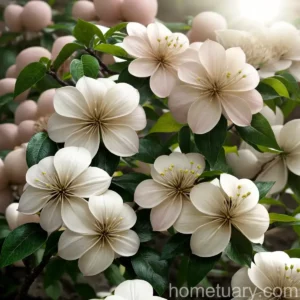
Cornus florida (Flowering Dogwood): A Comprehensive Guide

The Cornus florida, commonly known as the Flowering Dogwood, is a majestic and beloved tree species native to eastern North America. It is renowned for its stunning beauty, making it a popular choice among gardeners and landscapers alike. In this comprehensive guide, we will delve into the various aspects of the Cornus florida, including its culture, uses, maintenance, and much more. Whether you are a seasoned gardener or a beginner, this guide will provide you with valuable insights into cultivating and caring for this iconic tree.
Key Takeaways – Cornus florida (Flowering Dogwood)
Before we dive into the specifics of the Flowering Dogwood, let’s take a moment to highlight some key takeaways about this remarkable plant:
- Scientific Name: Cornus florida
- Common Name: Flowering Dogwood
- Native To: Eastern North America
- Lifespan: Up to 80 years
- USDA Hardiness Zones: 5-9
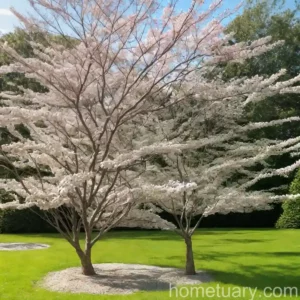
- Growth Habit: Small to medium-sized deciduous tree
- Flowering Period: Spring
- Uses: Ornamental, wildlife habitat, medicinal
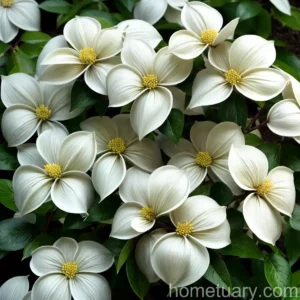
- Notable Feature: Distinctive bracts that resemble flowers
- Common Pests: Dogwood borer, scale insects, powdery mildew
Now that we have an overview of the Flowering Dogwood, let’s explore its various aspects in detail.
What is Cornus florida (Flowering Dogwood)?
Cornus florida, commonly known as the Flowering Dogwood, is a species of flowering tree in the genus Cornus. It belongs to the family Cornaceae and is native to the eastern regions of North America. The tree is renowned for its elegant and showy bracts that are often mistaken for petals. These bracts, which surround the actual flowers, come in various colors, including white, pink, and red, adding to the tree’s visual appeal.
Cornus florida Varieties
There are several noteworthy varieties and cultivars of Cornus florida, each with its unique characteristics and features. Some popular varieties include:
- Cherokee Chief: Known for its deep pink to red bracts.
- Cherokee Brave: Notable for its dark pink to red bracts and disease resistance.
- Cloud Nine: Renowned for its large, white flowers and vigorous growth.
- Appalachian Spring: Celebrated for its abundant, white flowers and excellent disease resistance.
These varieties offer diverse options for growers and landscapers, allowing them to select a Flowering Dogwood variety that best suits their specific preferences and requirements.
Culture of Cornus florida
Cultivating and caring for Cornus florida requires attention to several key factors, including water, sunlight, soil, and maintenance practices. Let’s delve into each of these aspects in detail.
Water
Proper watering is essential for the health and vitality of Flowering Dogwoods, especially during the tree’s establishment phase. It is crucial to ensure that the tree receives an adequate amount of water, particularly during dry periods. However, it is equally important to avoid overwatering, as this can lead to root rot and other water-related issues.
Watering Guidelines for Cornus florida:
- Establishment Phase: Water deeply to ensure moisture reaches the tree’s root system.
- Mature Trees: Water during prolonged dry spells, aiming to provide around 1-1.5 inches of water per week.
Sunlight
Flowering Dogwoods thrive in partial shade to full sun conditions. While they can tolerate some shade, they typically exhibit their best growth and flowering potential when planted in locations with ample sunlight. However, in regions with hot summers, providing some afternoon shade can help protect the tree from heat stress.
Soil
The Flowering Dogwood prefers well-draining, slightly acidic soil with a pH range of 5.5 to 6.5. It is essential to plant the tree in soil that retains moisture without becoming waterlogged. Additionally, incorporating organic matter into the soil can further improve its structure and fertility, creating an optimal growing environment for the tree.
Fertilizer
Applying a balanced, slow-release fertilizer in spring can provide the necessary nutrients to support the tree’s growth and blooming. It is advisable to follow the recommended dosage based on the tree’s age and size, avoiding excessive fertilizer application, which can lead to nutrient imbalances and potential harm to the tree.
Pruning
Pruning Flowering Dogwoods is generally minimal and primarily focused on removing dead, damaged, or diseased branches. Additionally, light shaping can be performed to maintain the tree’s form and structure. It is crucial to conduct pruning during the tree’s dormant season to minimize stress and ensure optimal healing of pruning wounds.
Propagation
Flowering Dogwoods can be propagated through various methods, including:
- Seeds: Propagating from seeds is possible, but it requires patience and specific conditions for successful germination.
- Cuttings: Softwood or hardwood cuttings can be utilized to propagate new trees, although this method may require specialized knowledge and equipment.
- Grafting: This method involves joining a scion from a desirable cultivar onto a compatible rootstock, allowing for the production of genetically identical trees.
These propagation methods offer options for growers who are interested in expanding their Flowering Dogwood collection or propagating trees for commercial purposes.
Container Popularity
The Flowering Dogwood is also well-suited for container cultivation, allowing individuals with limited outdoor space to enjoy the tree’s beauty on patios, balconies, or other confined areas. When cultivating in containers, it is essential to select a sizeable, well-draining container and provide adequate care to ensure the tree’s health and vigor.
Uses of Cornus florida
Whether as an ornamental tree in residential landscapes or as a valuable wildlife habitat component, the Flowering Dogwood serves a multitude of purposes. Let’s explore some of its notable uses:
- Ornamental Value: With its striking flowers, colorful bracts, and attractive foliage, the Flowering Dogwood is a favored choice for adding visual interest and charm to gardens, parks, and urban spaces.
- Wildlife Support: The tree’s flowers, fruits, and foliage provide essential food and habitat for various wildlife species, including birds, mammals, and insects. It contributes to biodiversity and ecological balance within natural ecosystems.
- Medicinal Properties: Certain parts of the Flowering Dogwood, such as the bark and roots, have been utilized in traditional medicine for their potential medicinal properties. However, it is essential to consult with a healthcare professional before using any plant-based remedies.
Common Diseases of Cornus florida
While the Flowering Dogwood is known for its stunning appearance, it is susceptible to certain diseases that can impact its health and vigor. Being aware of these diseases and their symptoms is crucial for effective management and preventative measures.
Disease Diagnosis
Some prevalent diseases that affect Cornus florida include:
- Powdery Mildew: This fungal disease appears as a powdery white growth on the leaves, often leading to leaf distortion and premature leaf drop.
- Anthracnose: Caused by various species of fungi, anthracnose can result in leaf spots, stem cankers, and dieback, particularly during periods of high moisture.
- Dogwood Bacterial Blight: This bacterial disease leads to leaf blight, stem cankers, and dieback, posing a significant threat to the tree’s health.
- Dogwood Anthracnose: Caused by the fungus Discula destructiva, this disease results in leaf and twig blight, cankers, and dieback, particularly affecting native Dogwood species.
Early diagnosis and prompt intervention are crucial for managing these diseases effectively. Implementing cultural practices and, if necessary, employing targeted treatments can help mitigate the impact of these diseases on Flowering Dogwoods.
Common Pests Affecting Cornus florida
In addition to diseases, Flowering Dogwoods are susceptible to infestations by various insect pests. Being mindful of these pests and their potential damage can aid in implementing proactive measures to safeguard the tree’s health.
Common Pests
Some common pests that affect Cornus florida include:
- Dogwood Borer (Synanthedon scitula): The larvae and adults of this insect bore into the tree, causing damage to the cambium and leading to weakened and stressed trees.
- Scale Insects: Scale insects are known to infest the branches and foliage of Flowering Dogwoods, feeding on plant sap and potentially causing stunted growth and decline.
- Dogwood Clubgall Midge (Resseliella clavula): These tiny insects can induce the formation of galls on the leaves and shoot tips, impacting the tree’s aesthetic appeal and overall health.
Vigilance and timely intervention, including the use of targeted insecticidal treatments when necessary, can help manage pest infestations and minimize their impact on Flowering Dogwoods.
Botanist’s Tips for Growing Cornus florida
To ensure the successful cultivation and care of Cornus florida, consider the following tips from experienced botanists and horticulturists:
- Selecting the Right Location: Choose a well-drained site with partial shade to full sun for optimal growth and flowering.
- Routine Monitoring: Regularly inspect the tree for signs of diseases, pests, or environmental stress, allowing for early detection and intervention.
- Proper Pruning: Conduct minimal, selective pruning to improve air circulation, remove dead or damaged branches, and maintain the tree’s natural form.
- Appropriate Watering: Practice mindful watering, ensuring the tree receives adequate moisture without being waterlogged, particularly during its establishment phase.
- Soil Amendment: Incorporate organic matter into the soil to enhance its fertility, structure, and moisture-retention capabilities.
Implementing these tips can contribute to the overall health and resilience of Flowering Dogwoods, promoting their longevity and vitality in garden and landscape settings.
Fun Facts About Cornus florida
While the Flowering Dogwood is renowned for its ornamental beauty, there are several intriguing and lesser-known facts about this iconic tree:
- State Tree: The Flowering Dogwood is the state tree of Virginia and Missouri, symbolizing its cultural and ecological significance.
- Native American Use: Native American tribes used different parts of the Dogwood tree for various purposes, including crafting tools, making dyes, and utilizing its medicinal properties.
- Symbolic Significance: In Christian tradition, the distinctive bracts of the Flowering Dogwood are believed to represent the crucifixion of Jesus Christ, with the four white petals symbolizing the cross and the red stains reflecting his blood.
These facts offer a glimpse into the rich history, symbolism, and cultural relevance of the Flowering Dogwood, underscoring its multifaceted value beyond its aesthetic appeal.
Links to External Resources
For further information and resources on Cornus florida and its cultivation, maintenance, and uses, explore the following external links:
- The United States National Arboretum – Flowering Dogwood
- The Morton Arboretum – Flowering Dogwood Varieties
- North Carolina State University Extension – Growing Flowering Dogwood
- Missouri Botanical Garden – Flowering Dogwood Care Guide
- University of Florida IFAS Extension – Disease Management in the Home Landscape
These resources provide valuable insights, guidance, and research-based information on Flowering Dogwoods, catering to the needs of growers, horticulturists, and enthusiasts seeking to expand their knowledge of this captivating tree species.
In conclusion, the Cornus florida, or Flowering Dogwood, stands as an iconic and cherished tree, revered for its striking beauty, ecological significance, and cultural symbolism. By understanding and incorporating the insights shared in this guide, individuals can cultivate, maintain, and appreciate the timeless allure of the Flowering Dogwood in various garden and landscape settings.
The content provided in this blog post is for informational purposes only and does not constitute professional advice. Please consult with a qualified horticulturist or arborist for specific guidance tailored to your individual gardening and landscaping needs.