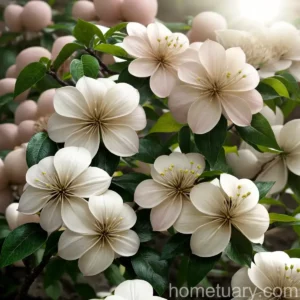
Plant Name: Cornus alba (Tatarian Dogwood)
What is Cornus alba (Tatarian Dogwood)?
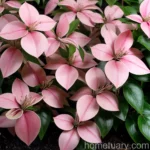
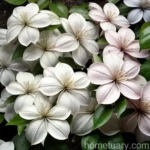
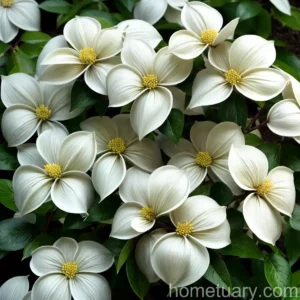
Cornus alba, commonly known as Tatarian dogwood, is a deciduous shrub that belongs to the Cornaceae family. It is native to northern Asia and Europe. This plant is widely cultivated for ornamental purposes, valued for its vibrant stem color, attractive foliage, and clusters of white flowers.
Tatarian dogwood is renowned for its striking red twig color, especially during the winter months when the leaves have fallen, making it a popular choice for landscaping and garden design. This hardy shrub is versatile and can be used in various settings, including borders, mass plantings, and naturalized areas. With its adaptability and aesthetic appeal, Cornus alba is a valuable addition to diverse garden landscapes.
Key Takeaways – Cornus alba (Tatarian Dogwood)
Culture
-
Hardiness Zone: Cornus alba is well-suited for USDA hardiness zones 2 to 7.
-
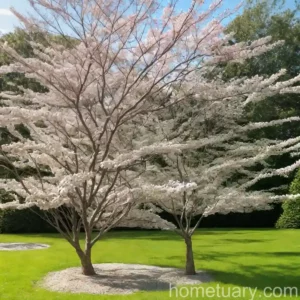
Growth Habit: It is a vigorous, multi-stemmed shrub, known for its spreading nature.
-
Height and Spread: The typical height of Cornus alba ranges from 6 to 10 feet, with a spread of 6 to 10 feet.
-
Flowering: Tatarian dogwood blooms in late spring to early summer, producing clusters of small white flowers.
-
Foliage: The foliage of Cornus alba is ovate and dark green, turning vibrant shades of red in the fall.
-
Stem Color: The most prominent feature of Cornus alba is its stunning red or yellow winter stems, offering visual interest during the colder months.
Uses
-
Ornamental Value: Cornus alba is prized for its ornamental qualities, particularly its vibrant stem color and attractive foliage.
-
Landscape Applications: It is commonly used in landscaping for borders, hedges, and erosion control, as well as in naturalized areas.
-
Wildlife Habitat: Tatarian dogwood serves as a valuable food source for birds, making it an excellent addition to wildlife-friendly gardens.
Water
-
Watering Needs: Cornus alba typically prefers moist, well-drained soil, especially during the establishment period. Once established, it demonstrates good drought tolerance.
-
Watering Frequency: Regular watering is essential, particularly during dry spells, to ensure proper growth and health of the shrub.
Sunlight
- Light Requirements: Tatarian dogwood thrives in full sun to partial shade. It is adaptable to various light conditions, making it suitable for diverse growing environments.
Fertilizer
-
Fertilization: Application of a balanced, slow-release fertilizer in spring can support healthy growth and flowering.
-
Soil Enrichment: Amending the soil with organic matter can enhance the nutrient content, contributing to the overall vigor of the plant.
Soil
-
Soil Type: Cornus alba prefers well-drained soil, rich in organic matter.
-
pH Level: It grows best in slightly acidic to neutral soil with a pH range of 5.5 to 7.0.
-
Soil Moisture: Consistent moisture, without waterlogging, is crucial for optimal growth and performance.
Pruning
-
Pruning Time: It is recommended to prune Tatarian dogwood during late winter or early spring to maintain its attractive form and promote new stem growth.
-
Pruning Practices: Removal of older stems can encourage the development of vibrant new stems, which are the focal point of its winter appeal.
Propagation
-
Propagation Methods: Cornus alba can be propagated through both hardwood cuttings and by dividing established shrubs.
-
Timing: Propagation is typically carried out in late summer or early autumn.
Container Popularity
-
Container Gardening: Tatarian dogwood can be grown in containers, adding a splash of color and texture to patios, decks, and outdoor living spaces.
-
Container Size: Use spacious containers to accommodate the shrub’s root system and promote healthy growth.
Container Common Diseases
- Disease Potential: When grown in containers, Tatarian dogwood may be susceptible to certain diseases, including powdery mildew and leaf spot.
Disease Diagnosis
-
Symptoms: Common signs of disease include powdery white patches on leaves (indicative of powdery mildew) and discolored spots or lesions on foliage (associated with leaf spot).
-
Management: Implementing cultural controls, such as proper spacing and watering practices, can help prevent and manage disease issues.
Common Pests
-
Pest Vulnerability: Tatarian dogwood can attract certain pests, including aphids and scale insects.
-
Pest Identification: Regular inspection of the plant for signs of pest infestations, such as honeydew and sooty mold, can aid in early detection and management.
Botanist’s Tips
-
Companion Planting: Pairing Tatarian dogwood with companion plants that share its cultural requirements can create visually appealing and harmonious garden compositions.
-
Seasonal Interest: Cultivate a diverse selection of plants to ensure year-round interest in the garden, with Tatarian dogwood adding winter appeal.
Fun Facts
-
Winter Appeal: The vibrant red stems of Cornus alba provide striking visual interest in winter landscapes, standing out against the snow and dormant surroundings.
-
Wildlife Attraction: The shrub’s berries are a source of food for birds, contributing to the biodiversity and ecological value of the garden.
Links to External Resources
For more detailed information on Cornus alba (Tatarian Dogwood), here are some useful external resources:
- Missouri Botanical Garden – Cornus alba
- University of Wisconsin-Madison – Tatarian Dogwood
- Royal Horticultural Society – Cornus alba
In conclusion, Cornus alba (Tatarian Dogwood) is a versatile and visually appealing shrub, valued for its year-round interest and wide array of uses in garden settings. With the right care and maintenance, this plant can thrive, adding ornamental value and ecological benefits to landscapes. By understanding its cultural requirements, propagation methods, and potential challenges, gardeners can make the most of this stunning and resilient shrub in their outdoor spaces.
Keywords: Tatarian Dogwood, Cornus alba, Shrub Dogwood, Cornelian Cherry, Red Twig Dogwood, Tatarian Dogwood Plant, Dogwood Bush, Siberian Dogwood, Ornamental Dogwood, Cornus alba Tatar, Tatarian Dogwood Tree, Cornus alba ‘Sibirica’, Dogwood Shrub, Cornus alba Varieties, Dogwood Hedge, Tatarian Dogwood Flowers, Tatarian Dogwood Care, Cornus alba Cultivars, Redosier Dogwood, Tatarian Dogwood Bush, Cornus alba ‘Bailhalo’, Tatarian Dogwood Growth, Shrub Cornus alba, Tatarian Dogwood Leaves, Tatarian Dogwood Pruning, Cornus alba ‘Ivory Halo’, Tatarian Dogwood Uses, Dogwood Cornus alba, Tatarian Dogwood White, Cornus alba ‘Sibirica Variegated’, Tatarian Dogwood Berries, Tatarian Dogwood Identification, Cornus alba ‘Elegantissima’, Tatarian Dogwood Fall Color, Dwarf Tatarian Dogwood, Cornus alba ‘Gouchaultii’, Tatarian Dogwood Winterberry, Cornus alba ‘Sibirica Red Beauty’, Tatarian Dogwood Red Stems, Cornus alba ‘Kesseleri’, Tatarian Dogwood Medicinal Uses, Cornus alba ‘Scarlet Fire’, Tatarian Dogwood Wildlife Value, Cornus alba ‘Argenteomarginata’, Tatarian Dogwood Soil Requirements, Cornus alba ‘Aurea’, Tatarian Dogwood Shade Tolerance, Cornus alba ‘Sibirica Variegata’, Tatarian Dogwood Pruning Tips, Cornus alba ‘Alba’