Plant Scientist’s Guide to Flowering Dogwood (Cornus florida)
What is Plant: Flowering Dogwood (Cornus florida)
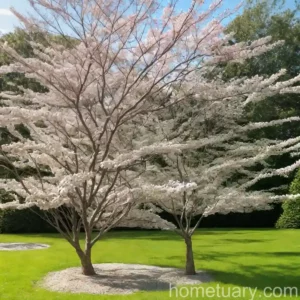
Flowering dogwood, scientifically known as Cornus florida, is a species of flowering plant in the family Cornaceae. It is an iconic native tree to the eastern United States and parts of eastern Mexico. This beautiful tree is beloved for its delicate and showy flowers, and it holds a special place in the hearts of gardeners and plant enthusiasts.
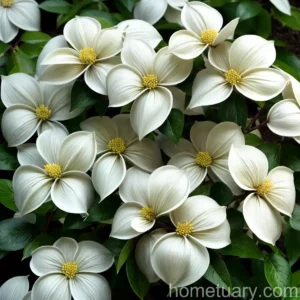
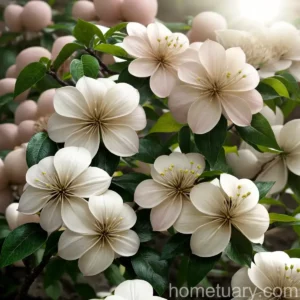
The flowering dogwood is known for its striking display of flowers in spring, showcasing different shades including white, pink, and red. Beyond its ornamental value, this tree also contributes significantly to the ecosystem, providing food and shelter for various wildlife species.
Let’s explore the key aspects of flowering dogwood, including its cultural significance, uses, optimal growing conditions, maintenance practices, and potential challenges that plant enthusiasts may encounter.
Key Takeaways – Flowering Dogwood (Cornus florida)
Before delving into the detailed aspects of the flowering dogwood, let’s highlight some key takeaways about this remarkable plant:
- Native to the eastern United States and eastern Mexico
- Showcases beautiful white, pink, or red flowers in spring
- Ornamental tree with striking autumn foliage
- Provides food and habitat for wildlife
- Can be affected by specific diseases and pests
- Requires well-drained soil and adequate sunlight
Now, let’s explore each of these aspects in detail, providing insights into the culture, uses, ideal growing conditions, propagation methods, common diseases and pests, as well as valuable tips for maintaining and appreciating the beauty of the flowering dogwood.
Culture
Significance and Symbolism
The flowering dogwood holds cultural and symbolic significance, particularly in the regions where it is native. For many Native American tribes, the dogwood tree’s flowers are linked to various legends and beliefs, often seen as symbols of beauty, resilience, and a connection to nature. Even today, this tree continues to be celebrated for its aesthetic charm and ecological importance.
Ornamental Value
One of the primary cultural aspects of the flowering dogwood is its ornamental value. Revered for its stunning display of flowers in spring, the dogwood tree has been a cherished ornamental fixture in gardens, parks, and landscapes for centuries. Its vibrant blooms and attractive foliage make it a sought-after addition to residential and public green spaces, adding natural beauty and enhancing the overall landscape.
Wildlife Habitat
Apart from its aesthetic appeal, the flowering dogwood plays a crucial role in supporting local wildlife. The tree’s berries provide essential nourishment for birds, including robins, cardinals, and bluebirds. Additionally, the dense foliage offers shelter and nesting sites for various bird species, contributing to the biodiversity of the ecosystem.
Medicinal and Folk Uses
Historically, certain parts of the flowering dogwood were used in traditional medicine by indigenous communities for treating various ailments. While modern scientific research on its medicinal properties is limited, the tree holds historical importance in the folk medicine of certain cultures.
In summary, the cultural significance of the flowering dogwood extends beyond its visual appeal, encompassing folklore, ecological contributions, and traditional uses that have enriched the human-nature relationship for generations.
Uses
Ornamental Landscaping
One of the primary uses of the flowering dogwood is as an ornamental tree in landscaping. Its stunning flowers, vibrant autumn foliage, and attractive bark make it an eye-catching addition to gardens, parks, and public green spaces. Whether planted as a standalone specimen tree or incorporated into mixed borders, the dogwood tree’s aesthetic appeal enhances the visual charm of any landscape.
Wildlife Support
The flowering dogwood serves as a valuable resource for wildlife, especially for birds that rely on its berries as a food source. By planting dogwood trees in appropriate habitats, individuals can contribute to supporting local bird populations and fostering a biodiverse environment within their surroundings.
Shade and Shelter
Beyond its visual allure and wildlife benefits, the flowering dogwood provides shade and shelter in outdoor settings. Its canopy offers relief from the sun during warm seasons, and its dense structure creates favorable conditions for small birds to perch and seek refuge.
Educational Purposes
In botanical gardens, arboretums, and educational institutions, the flowering dogwood is often utilized as an educational tool. Its botanical features, seasonal changes, and ecological interactions provide valuable learning opportunities for students, plant enthusiasts, and the general public, nurturing an appreciation for nature and biodiversity.
Water
Irrigation Needs
Proper watering is essential for the healthy growth and development of flowering dogwood trees, particularly during their initial establishment. When newly planted, these trees benefit from regular watering to ensure that the root system becomes well-established in the soil.
Moisture Requirements
In general, flowering dogwoods thrive in moist, well-drained soils. While they prefer relatively moist conditions, they are susceptible to root diseases if they are exposed to excessively wet or waterlogged soils. Therefore, it is crucial to strike a balance by providing adequate moisture without creating waterlogged conditions.
Drought Tolerance
Mature flowering dogwood trees exhibit a moderate degree of drought tolerance once their root systems are well-established. However, during extended periods of drought, supplemental irrigation may be necessary to support the tree’s health and vitality, especially in regions with hot and dry climates.
Watering Practices
When watering flowering dogwoods, it is advisable to provide deep, thorough irrigation to encourage deep root growth. Trickle or drip irrigation systems can be beneficial for delivering water directly to the root zone while minimizing water loss through evaporation.
In summary, maintaining appropriate moisture levels is crucial for the overall health and well-being of flowering dogwood trees, and a balanced approach to watering is essential to support their longevity and vitality.
Sunlight
Ideal Sun Exposure
Flowering dogwood trees thrive in partial shade to full sun conditions. While they can tolerate some degree of shade, they generally perform best when they receive ample sunlight, especially during the morning hours. Adequate sunlight exposure is essential for promoting robust flowering and vibrant foliage.
Sunlight Requirements for Flowering
To ensure prolific blooming and the development of vibrant flowers, flowering dogwood trees benefit from receiving at least 4 to 6 hours of direct sunlight per day. Insufficient sunlight exposure can lead to reduced flower production and potentially affect the overall health and vigor of the tree.
Sun-Shade Balance
In regions characterized by intense heat and sunlight, providing some afternoon shade can help protect the tree from excessive heat stress and minimize the risk of sunscald on tender foliage. By striking a balance between sun and shade, gardeners can create optimal conditions for their flowering dogwood trees to thrive.
Seasonal Considerations
During the summer months, it is important to monitor the tree’s exposure to sunlight, especially in areas with high temperatures. Providing dappled shade or utilizing shading materials can prevent heat-related stress and promote the tree’s resilience during periods of intense sunlight.
In conclusion, ensuring appropriate sunlight exposure is fundamental to the healthy growth, flowering performance, and overall vitality of flowering dogwood trees, making it essential to integrate suitable sun-shade management strategies in their cultivation.
Fertilizer
Nutrient Requirements
Flowering dogwood trees benefit from balanced fertilization to support their growth, development, and flowering capacity. Prior to applying fertilizers, it is advisable to conduct soil tests to gauge the nutrient levels and identify any specific deficiencies that need to be addressed.
Organic vs. Synthetic Fertilizers
Organic fertilizers, such as compost and well-rotted manure, can be advantageous for improving soil structure and providing slow-release nutrients to the tree. Additionally, slow-release synthetic fertilizers formulated for acid-loving plants can be used to deliver essential nutrients gradually over an extended period.
Timing of Fertilization
Applying fertilizers at the appropriate times is crucial for maximizing their efficacy. In general, fertilizing flowering dogwood trees in early spring, just before the onset of new growth, can provide the necessary nutrients to support robust flowering and overall vigor.
Application Techniques
When applying fertilizers, it is essential to distribute them evenly across the root zone of the tree, avoiding direct contact with the trunk. Deep-root fertilization techniques can be beneficial for delivering nutrients directly to the tree’s root system, supporting healthy growth and minimizing nutrient runoff.
By adopting appropriate fertilization practices, gardeners can contribute to the long-term health and vitality of flowering dogwood trees, ensuring that they receive the essential nutrients needed to thrive and flourish.
Soil
Soil Type
Flowering dogwood trees thrive in well-drained, slightly acidic soils with a pH range between 5.5 and 6.5. It is crucial to avoid planting them in heavy clay soils or overly compacted soils that can impede proper root development and lead to stagnant water accumulation around the root zone.
Soil Amendments
Incorporating organic amendments, such as peat moss, compost, or pine bark fines, can aid in improving soil structure and enhancing its moisture retention capacity. Additionally, incorporating soil conditioners that promote aeration and drainage can benefit the overall health of the tree.
Mulching Practices
Applying a layer of organic mulch around the base of the tree can help conserve soil moisture, regulate soil temperature, and suppress weed growth. Mulching also contributes to the gradual enrichment of the soil as the organic material decomposes, further bolstering the tree’s growing environment.
Soil pH Management
Regular monitoring of soil pH is crucial for ensuring that the soil remains within the optimal range for flowering dogwood trees. In cases where the natural pH of the soil deviates significantly from the preferred range, targeted amendments or soil acidifiers can be employed to achieve the desired acidity levels.
Maintaining well-suited soil conditions is fundamental to supporting the flourishing of flowering dogwood trees, and attentive soil management practices play a pivotal role in sustaining their long-term health and vitality.
Pruning
Pruning Objectives
Pruning flowering dogwood trees serves several key objectives, including shaping the tree’s structure, removing dead or diseased wood, and enhancing its overall appearance. Through strategic pruning, gardeners can promote healthy growth, reinforce the tree’s form, and encourage prolific blooming.
Timing of Pruning
The ideal time for pruning flowering dogwood trees is during late winter or early spring while the tree is still dormant. Performing pruning during this period minimizes the risk of excessive sap flow and helps the tree recover swiftly as it transitions into the active growth phase.
Pruning Techniques
Utilizing sharp, sterile pruning tools is crucial for ensuring clean cuts and minimizing the potential for introducing diseases. When pruning, it is essential to maintain the tree’s natural shape, remove crossing or rubbing branches, and address any damaged or dead wood without compromising the tree’s structural integrity.
Pruning Caution
Due to the susceptibility of dogwood trees to specific diseases, particularly dogwood anthracnose, it is important to avoid excessive pruning that can lead to stress and potential entry points for pathogens. Pruning should be performed judiciously, prioritizing the removal of problematic branches while preserving the tree’s overall health.
By observing prudent pruning practices, gardeners can contribute to the optimal development and visual appeal of flowering dogwood trees, ensuring that they maintain a well-balanced and robust architecture throughout their lifecycle.
Propagation
Seed Propagation
Flowering dogwood trees can be propagated from seeds, though this method requires patience and can yield variable results in terms of the characteristics of the offspring. To increase the likelihood of successful seed propagation, it is advisable to collect seeds from mature, healthy trees and provide appropriate conditions for their germination and subsequent growth.
Stem Cuttings
Propagating flowering dogwood trees from stem cuttings offers a reliable method for preserving the specific traits of the parent plant. By utilizing semi-hardwood cuttings taken during the growing season, gardeners can propagate new trees that closely resemble the original tree in terms of its flowering characteristics and growth habits.
Layering
Layering is another propagation technique that can be employed to reproduce flowering dogwood trees. By burying a portion of a low-hanging branch and encouraging it to develop roots while still attached to the parent tree, gardeners can produce genetically identical offspring that retain the desirable qualities of the original tree.
Grafting
Grafting techniques can also be employed to propagate flowering dogwood trees onto suitable rootstocks, facilitating the production of new trees with specific attributes. By grafting selected scion wood onto compatible rootstock, growers can cultivate trees with known traits, such as particular flower colors or growth habits.
By incorporating diverse propagation methods, plant enthusiasts can expand their repertoire of techniques for cultivating, preserving, and disseminating the genetic diversity of flowering dogwood trees, further enriching their horticultural endeavors.
Container Popularity
Container Planting
While flowering dogwood trees are commonly cultivated in open landscapes, they can also be grown in containers, especially in urban or limited-space settings. Container planting enables individuals with restricted outdoor space to appreciate and cultivate these trees, bringing their seasonal beauty and ecological benefits to compact environments.
Versatile Ornamentation
When potted and strategically positioned on patios, balconies, or terraces, container-grown flowering dogwood trees serve as versatile ornamental features, enhancing the aesthetic appeal of outdoor living spaces and contributing to the greening of urban areas.
Seasonal Display
The portability of container-grown dogwood trees offers the flexibility to showcase their seasonal beauty in different areas of the outdoor living space, providing an evolving display of flowers, foliage, and potentially colorful berries.
Cultivation Requirements
To successfully grow flowering dogwood trees in containers, it is essential to select a suitable large container with adequate drainage, utilize high-quality potting mix with excellent drainage properties, and provide regular watering and appropriate sunlight exposure according to the tree’s preferences.
By embracing container cultivation, plant enthusiasts can experience the beauty and ecological benefits of flowering dogwood trees in diverse settings, opening up new possibilities for incorporating these ornamental treasures into urban and suburban landscapes.
Common Diseases
Dogwood Anthracnose (Discula destructiva)
Dogwood anthracnose is a devastating fungal disease that affects various species of dogwood, including the flowering dogwood. It can cause dieback of twigs and branches, leaf browning and drop, and can lead to severe deformities in young shoots and leaves.
Powdery Mildew
Powdery mildew is a common fungal disease that affects flowering dogwood trees, characterized by the presence of white powdery patches on the surface of leaves and young shoots. While it may not cause significant harm to the tree’s overall health, severe infestations can affect its aesthetic appeal.
Dogwood Blotch (Discula blight)
This fungal disease affects the leaves, causing irregular, brown blotches that may result in premature defoliation and overall stress on the tree. Dogwood blotch can diminish the tree’s vitality and aesthetic value, necessitating appropriate management to prevent its spread.
Root Rots
Various fungal pathogens can cause root rot in flowering dogwood trees, leading to reduced root function, poor nutrient uptake, and overall decline in the tree’s health. Root rots are often associated with overwatering or poorly drained soil conditions.
Prevention and Management
To mitigate the impact of these common diseases, it is crucial to implement preventive measures, such as promoting good air circulation around the tree, avoiding overhead irrigation, and maintaining overall tree health through proper watering, fertilization, and pruning. Additionally, selecting disease-resistant cultivars can help minimize the risk of infection.
Disease Diagnosis
Visual Symptoms
Diagnosing diseases in flowering dogwood trees often involves observing visible symptoms, such as leaf discoloration, twig dieback, or unusual growth patterns. By carefully inspecting the tree for signs of abnormality, gardeners can identify potential issues that warrant further investigation.
Laboratory Analysis
In cases where the cause of the disease is not readily apparent, submitting samples of affected plant material to diagnostic laboratories can provide valuable insights. Microscopic examination, culturing of pathogens, and molecular techniques can aid in identifying the specific disease agents responsible for the observed symptoms.
Professional Consultation
Seeking guidance from horticultural or arboricultural professionals can be beneficial for accurately diagnosing diseases in flowering dogwood trees. Experienced specialists can assess the tree’s health, conduct diagnostic tests, and formulate tailored management strategies to address the identified issues.
Timely Intervention
Swift and accurate disease diagnosis is pivotal for implementing timely intervention strategies to mitigate the impact of diseases and help the tree regain its health and vigor. By promptly addressing disease issues, gardeners can enhance the likelihood of successful disease management and tree recovery.
By adopting a proactive approach to disease diagnosis and management, gardeners can safeguard the health and longevity of flowering dogwood trees, ensuring that they continue to thrive and contribute to the natural beauty of their surroundings.
Common Pests
Dogwood Borer (Synanthedon scitula)
The larvae of the dogwood borer tunnel into the stems and branches of flowering dogwood trees, causing significant damage and weakening the tree’s structural integrity. Infestations by dogwood borers can result in dieback and can potentially lead to the decline of affected trees.
Dogwood Sawfly (Macremphytus tarsatus)
The dogwood sawfly larvae feed on the leaves of flowering dogwood trees, consuming the tissue and potentially defoliating the tree if the infestation is severe. While mature trees can withstand sawfly feeding to some extent, repeated defoliation can stress the tree and compromise its health.
Scale Insects
Certain species of scale insects may impact flowering dogwood trees, causing damage to the leaves and stems. Heavy scale infestations can weaken the tree, hinder its growth, and reduce its aesthetic quality, necessitating appropriate measures for control and management.
Japanese Beetles (Popillia japonica)
Japanese beetles feed on the foliage of flowering dogwood trees, often skeletonizing the leaves and causing significant aesthetic damage. While mature trees can tolerate moderate feeding, severe infestations may warrant the implementation of control measures to curtail beetle populations.
Integrated Pest Management
Incorporating integrated pest management (IPM) practices, such as regular monitoring, cultural controls, and targeted pesticide applications, can assist in managing common pests affecting flowering dogwood trees while minimizing unnecessary environmental impact.
Botanist’s Tips
Selecting Suitable Varieties
When selecting flowering dogwood trees for cultivation, it is advisable to choose suitable varieties that are well-suited to the local climatic conditions and growing environment. Additionally, selecting disease-resistant cultivars can minimize the risk of disease issues and support the long-term health of the trees.
Soil Conditioning
Prior to planting or transplanting dogwood trees, conditioning the soil to meet their specific requirements can significantly enhance their establishment and subsequent growth. Incorporating organic matter, adjusting pH levels, and promoting adequate drainage can lay a solid foundation for the tree’s success.
Seasonal Maintenance
Adopting seasonal maintenance practices, such as mulching, watering, and fertilizing, can contribute to the optimal health and vigor of flowering dogwood trees. Tailoring maintenance activities to coincide with the tree’s natural growth and dormancy cycles can maximize their efficacy and benefit the tree.
Observing Disease Signs
Regularly monitoring flowering dogwood trees for signs of diseases or pests is crucial for identifying issues in their early stages. Prompt detection allows for timely intervention, reducing the impact of potential problems and enhancing the likelihood of successful management.
By integrating these botanist’s tips into the cultivation and care of flowering dogwood trees, gardeners can optimize the trees’ growing conditions, resilience, and beauty, fostering their overall success and longevity.
Fun Facts
State Flower of Virginia
Flowering dogwood (Cornus florida) holds the distinction of being the state flower of Virginia,