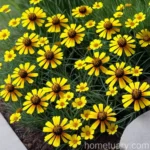
Coreopsis verticillata ‘Zesty Zinger’ (Threadleaf Coreopsis): A Comprehensive Guide
Introduction
Welcome to this comprehensive guide on Coreopsis verticillata ‘Zesty Zinger’, commonly known as Threadleaf Coreopsis. In this article, we will delve into the intricate details of this beautiful plant, including its culture, uses, care requirements, diseases, and much more. Whether you are a gardening enthusiast, a professional horticulturist, or simply someone who appreciates the beauty of plants, this guide will provide you with in-depth insights into the fascinating world of Coreopsis verticillata ‘Zesty Zinger’.
What is Coreopsis verticillata ‘Zesty Zinger’?
Coreopsis verticillata ‘Zesty Zinger’, a cultivar of Threadleaf Coreopsis, is a perennial plant known for its delicate, fern-like foliage and vibrant, long-lasting blooms. This variety is particularly cherished for its compact form, making it a valuable addition to various garden settings, including borders, rock gardens, and containers. Its abundant flowers in shades of pink and red add a pop of color to landscapes, making it a favorite among gardeners.
Key Takeaways
Before we embark on our detailed exploration, let’s capture the essence of Threadleaf Coreopsis through its key takeaways:
Coreopsis verticillata ‘Zesty Zinger’ (Threadleaf Coreopsis)
- Scientific Name: Coreopsis verticillata ‘Zesty Zinger’
- Common Name: Threadleaf Coreopsis
- Characteristics: Delicate foliage, vibrant and long-lasting flowers in shades of pink and red
Culture
Understanding the cultural needs of Coreopsis verticillata ‘Zesty Zinger’ is crucial for its successful growth and development. Let’s explore various aspects of its culture in detail.
Uses
The versatile nature of Coreopsis verticillata ‘Zesty Zinger’ offers numerous uses in landscaping and horticulture. Some of its common uses include:
- Garden Borders: It serves as an attractive addition to garden borders, adding a splash of color and a touch of elegance.
- Rock Gardens: The compact form and vibrant blooms make it an ideal candidate for rock gardens, adding visual interest to rocky landscapes.
- Containers: Its well-behaved nature and striking flowers make it a popular choice for container gardening, allowing individuals with limited space to enjoy its beauty.
Water
Proper watering is essential for the health and vitality of Threadleaf Coreopsis. While it is relatively drought-tolerant once established, regular watering is crucial during its initial growth phase and periods of prolonged drought. Adequate moisture helps promote robust flowering and overall plant vigor.
Sunlight
Threadleaf Coreopsis thrives in full sun, requiring at least 6-8 hours of direct sunlight per day for optimal growth and bloom production. When provided with the right amount of sunlight, it displays its characteristic vibrant and long-lasting flowers, enhancing the visual appeal of any garden space.
Fertilizer
A balanced fertilizer applied in the spring can benefit the growth and flowering of Coreopsis verticillata ‘Zesty Zinger’. A slow-release fertilizer with a higher phosphorus content can help promote prolific blooming while supporting overall plant health.
Soil
Well-draining, moderately fertile soil is ideal for Threadleaf Coreopsis. It thrives in various soil types, including sandy, loamy, or rocky soils, as long as they offer good drainage. Amending heavy clay soils with organic matter can improve drainage and create a suitable environment for the plant.
Pruning
Pruning Threadleaf Coreopsis can help maintain its compact form, prolong its blooming period, and encourage bushier growth. Deadheading spent flowers and light shearing after the initial bloom can stimulate the production of new flower buds and prevent the plant from becoming leggy.
Propagation
Propagating Coreopsis verticillata ‘Zesty Zinger’ can be achieved through various methods, including division and seed sowing. Division is commonly performed in the early spring, while seed sowing can be carried out in the fall or early spring to establish new plants.
Container Popularity
Threadleaf Coreopsis is a popular choice for container gardening due to its compact size, attractive blooms, and low maintenance requirements. Its versatility allows it to thrive in containers placed on patios, decks, or balconies, adding a vibrant touch to urban and suburban landscapes.
Container Common Diseases
While Coreopsis verticillata ‘Zesty Zinger’ is relatively resistant to many diseases, containers can sometimes be conducive to certain issues such as root rot and fungal diseases. Proper watering practices, well-draining soil, and good air circulation can help mitigate the risk of diseases in container-grown plants.
Disease Diagnosis
Recognizing and diagnosing diseases in Threadleaf Coreopsis is essential for implementing appropriate management strategies. Common signs of diseases in Coreopsis may include leaf spots, wilting, and abnormal discoloration. Timely intervention and proper sanitation practices can help prevent the spread of diseases in the garden.
Common Pests
Threadleaf Coreopsis may encounter a few common pests such as aphids, spider mites, and leaf-mining larvae. Regular monitoring and the implementation of integrated pest management techniques can help keep pest populations in check and minimize any potential damage to the plants.
Botanist’s Tips
As a botanist, it’s crucial to recognize the unique characteristics and needs of Coreopsis verticillata ‘Zesty Zinger’. Here are some expert tips for cultivating and caring for this captivating plant:
- Deadheading for Continuous Blooms: Regular deadheading can promote continuous blooming and prolong the flowering period of Threadleaf Coreopsis. Remove spent flowers to encourage the development of new buds.
- Division for Expansion: If the plant becomes overcrowded or starts exhibiting reduced vigor, consider dividing it in the early spring to rejuvenate its growth and ensure continued vitality.
- Mulching for Moisture Retention: Applying a layer of mulch around the base of the plant can help retain soil moisture, regulate temperature, and suppress weed growth, contributing to the overall health of the plant.
Fun Facts
Delving into the world of Threadleaf Coreopsis can reveal some intriguing and delightful facts about this remarkable plant:
- Attracts Pollinators: The vibrant flowers of Coreopsis verticillata ‘Zesty Zinger’ attract various pollinators such as bees and butterflies, contributing to the ecological balance of the garden.
- Drought Tolerance: Threadleaf Coreopsis exhibits remarkable tolerance to drought conditions, making it an excellent choice for water-wise landscape designs and regions with limited rainfall.
- Long-Lasting Cut Flowers: The colorful blooms of Threadleaf Coreopsis make stunning and long-lasting cut flowers, adding a cheerful touch to floral arrangements and indoor spaces.
Links to External Resources
For further exploration and in-depth information about Coreopsis verticillata ‘Zesty Zinger’ (Threadleaf Coreopsis), the following external resources provide valuable insights and support:
- Monrovia – Coreopsis verticillata ‘Zesty Zinger’
- Missouri Botanical Garden – Coreopsis Verticillata ‘Zagreb’
- Royal Horticultural Society – Coreopsis verticillata
Conclusion
In conclusion, delving into the world of Coreopsis verticillata ‘Zesty Zinger’ (Threadleaf Coreopsis) offers a glimpse into the captivating realm of ornamental plants, their cultural significance, and ecological contributions. By understanding its unique traits, cultural requirements, and uses, we can appreciate the beauty of Threadleaf Coreopsis and leverage its versatility in various garden settings.
From its stunning blooms that attract pollinators to its adaptability in container gardening, Threadleaf Coreopsis stands out as an attractive and low-maintenance plant, enriching landscapes and captivating the hearts of gardening enthusiasts and nature lovers alike. This comprehensive guide empowers us to embrace the allure of Coreopsis verticillata ‘Zesty Zinger’ and explore the myriad possibilities it offers in horticulture and landscape design.