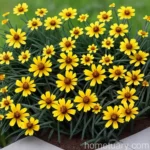
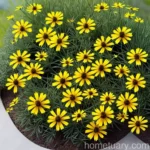
Coreopsis verticillata ‘Curry Up’ (Threadleaf Coreopsis)
Coreopsis plants are a delightful addition to any garden landscape, bringing vibrancy and color with their charming daisy-like flowers. One particular variety that stands out is the Coreopsis verticillata ‘Curry Up’ or the Threadleaf Coreopsis. Known for its unique golden foliage and long-blooming flowers, this plant makes for an exceptional choice for both experienced and novice gardeners.
In this comprehensive guide, we will delve into the various aspects of the Coreopsis verticillata ‘Curry Up’, including its culture, uses, maintenance, and essential tips for successful cultivation.
Key Takeaways
Before we delve into the specifics, here are some key takeaways about the Coreopsis verticillata ‘Curry Up’:
- Plant Name: Coreopsis verticillata ‘Curry Up’ (Threadleaf Coreopsis)
- Common Names: Threadleaf Coreopsis, ‘Curry Up’ Coreopsis
- Bloom Color: Yellow
- Foliage Color: Golden
- Type: Perennial
- Sunlight: Full sun to partial shade
- Water: Moderate
- Soil: Well-drained
- Height: 1-2 feet
- Spread: 1-2 feet
- USDA Hardiness Zones: 4-9
Culture
Understanding the cultural requirements of the Coreopsis verticillata ‘Curry Up’ is crucial for its successful growth and development. This includes factors such as water, sunlight, soil, and fertilization.
Water
Coreopsis verticillata ‘Curry Up’ thrives in moderate moisture conditions. Adequate watering is essential, particularly during the initial stages of growth and during periods of drought. However, it’s important to ensure that the plant is not overwatered, as this can lead to root rot and other issues.
Sunlight
As a sun-loving plant, the Threadleaf Coreopsis prefers full sun to partial shade. It should ideally receive at least 6 hours of direct sunlight daily for optimal growth and abundant flowering.
Fertilizer
When it comes to fertilization, the Coreopsis verticillata ‘Curry Up’ benefits from a balanced, all-purpose fertilizer applied in early spring. This provides the necessary nutrients for robust growth and prolific blooms.
Soil
Well-drained soil is crucial for the health of the Threadleaf Coreopsis. It thrives in various soil types, including loamy, sandy, or rocky soil, as long as it is well-draining. Amending the soil with organic matter can further enhance its performance.
Uses
The versatile Coreopsis verticillata ‘Curry Up’ serves various purposes within garden landscapes and beyond. Its uses range from ornamental and aesthetic to functional and ecological.
-
Ornamental Use: The bright yellow flowers and golden foliage of the Threadleaf Coreopsis make it a popular choice for ornamental gardens, bringing a burst of color and visual interest.
-
Pollinator Plant: This plant is a magnet for pollinators, particularly bees and butterflies, making it a valuable addition to pollinator gardens and naturalistic landscapes.
-
Cut Flowers: The long, wiry stems of the Threadleaf Coreopsis make it an ideal candidate for cut flower arrangements, adding a touch of cheerfulness to indoor spaces.
-
Erosion Control: Due to its spreading habit, Coreopsis verticillata ‘Curry Up’ can be utilized for erosion control on slopes and embankments, where its extensive root system helps stabilize the soil.
-
Naturalizing Landscapes: In meadow gardens or naturalistic landscapes, this plant can be left to naturalize, creating a charming, wildflower effect.
Pruning
Pruning is an essential aspect of maintaining the health and vigor of the Coreopsis verticillata ‘Curry Up’. Regular deadheading – the removal of spent flowers – encourages prolonged blooming and prevents the plant from self-seeding excessively. Additionally, cutting back the plant in late summer can promote a flush of new growth and blooms.
Propagation
The propagation of the Threadleaf Coreopsis can be achieved through several methods, including division, seed sowing, and stem cuttings.
Division
Dividing the plant in early spring is a simple and effective way to propagate Coreopsis verticillata ‘Curry Up’. This involves carefully digging up the plant and separating the root clumps into smaller sections before replanting them.
Seed Sowing
For those looking to grow new Coreopsis plants from seed, collecting mature seeds from the spent flower heads and sowing them in well-prepared soil in the fall can yield successful results.
Stem Cuttings
Taking stem cuttings in the spring or early summer is another viable method for propagating the Threadleaf Coreopsis. These cuttings can be rooted in a moist growing medium to develop into new plants.
Container Popularity
The Coreopsis verticillata ‘Curry Up’ is well-suited for container gardening, adding a splash of color and interest to patios, balconies, and other outdoor spaces. Its compact size and striking foliage make it an attractive choice for container planting, whether as a standalone feature or combined with other complementary plants.
Common Diseases
While the Threadleaf Coreopsis is generally resilient, it can be susceptible to certain diseases and issues that may affect its health and appearance.
Disease Diagnosis
Some common diseases that may affect Coreopsis plants include:
-
Powdery Mildew: This fungal disease manifests as a white powdery coating on the foliage, leading to stunted growth and diminished vigor.
-
Leaf Spot: Leaf spot diseases can cause dark, irregular spots or lesions on the foliage and may lead to defoliation if severe.
-
Root Rot: Overly moist or poorly drained soil can contribute to root rot, causing the plant to wilt and decline.
Common Pests
Pest infestations can also pose a threat to the health of Coreopsis verticillata ‘Curry Up’, with some of the common pests including:
-
Aphids: These tiny, sap-sucking insects can distort new growth and cause the leaves to become sticky with honeydew.
-
Thrips: Thrips can damage the flowers and foliage of the plant, leading to discoloration and distortion.
-
Spider Mites: These minuscule pests can cause stippling and webbing on the leaves, impacting the overall health of the plant.
Protecting the Threadleaf Coreopsis from diseases and pests involves maintaining good cultural practices, ensuring proper air circulation, and promptly addressing any issues that arise.
Botanist’s Tips
For successful cultivation and enjoyment of the Coreopsis verticillata ‘Curry Up’, here are some expert tips from botanists and experienced gardeners:
- Deadhead Regularly: Removing spent flowers promotes continuous bloom and prevents self-seeding.
- Provide Well-Drained Soil: Ensuring proper drainage is essential for preventing root rot and other moisture-related issues.
- Monitor for Pests: Regularly inspect the plant for signs of pest activity and address any infestations promptly.
- Mulch Around the Plant: Applying a layer of organic mulch around the base of the plant helps retain moisture and suppress weeds.
- Promote Air Circulation: Avoid crowding the Threadleaf Coreopsis with other plants to allow for adequate air circulation and reduce the risk of fungal diseases.
Fun Facts
As we celebrate the beauty of the Coreopsis verticillata ‘Curry Up’, here are some fascinating and fun facts about this charming plant:
- The Threadleaf Coreopsis is a native plant to North America, where it thrives in open woodlands, prairies, and meadows.
- Coreopsis plants are members of the Asteraceae family, which includes an array of daisy-like flowering plants.
- The flowers of Coreopsis verticillata ‘Curry Up’ are not only visually appealing but also provide a valuable nectar source for pollinators, supporting the ecological balance of the garden.
- The vibrant, golden foliage of the Threadleaf Coreopsis adds visual interest to garden landscapes even when the plant is not in bloom, making it a versatile ornamental choice.
Links to External Resources
For further information and resources on the Coreopsis verticillata ‘Curry Up’, please refer to the following links:
- The Spruce – Coreopsis (Tickseed) Plant Profile
- Royal Horticultural Society – Coreopsis
- University of Florida IFAS Extension – Coreopsis Production Guide
- Missouri Botanical Garden – Coreopsis verticillata ‘Curry Up’
- North Carolina Extension Gardener Plant Toolbox – Coreopsis verticillata ‘Curry Up’
These resources offer valuable insights, care guidelines, and growing tips for a thriving Coreopsis verticillata ‘Curry Up’ in various garden settings.
In conclusion, the Coreopsis verticillata ‘Curry Up’ or Threadleaf Coreopsis is a delightful plant with its golden foliage and long-blooming, yellow flowers. Whether used in ornamental gardens, naturalistic landscapes, or containers, this versatile perennial adds visual charm and ecological value to outdoor spaces. With the right cultural considerations and maintenance practices, it can flourish and grace the garden with its vibrant presence.