Coreopsis Verticillata (Threadleaf Coreopsis)
As a plant scientist, I am excited to delve into the wonderful world of Coreopsis verticillata, commonly known as Threadleaf Coreopsis. This perennial.
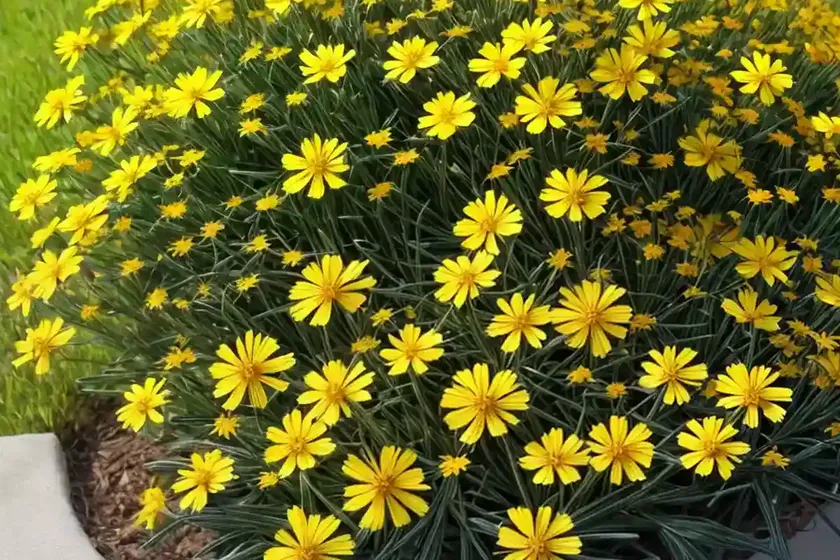
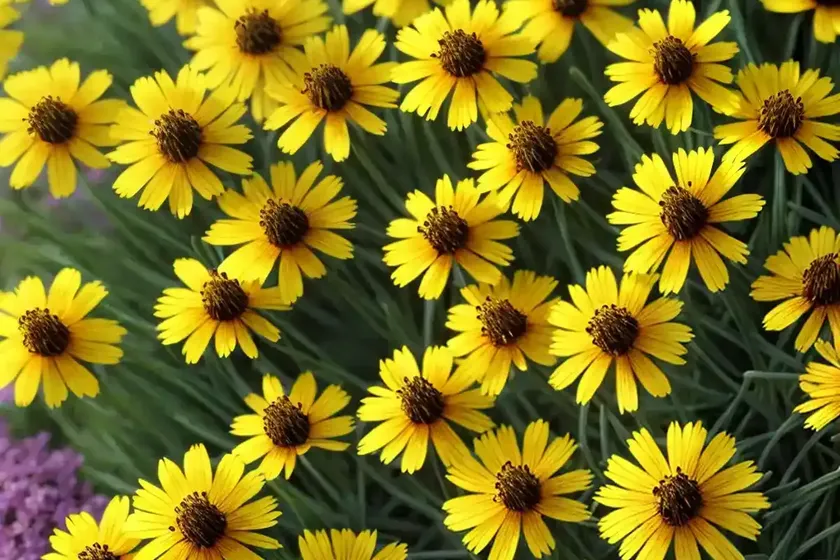
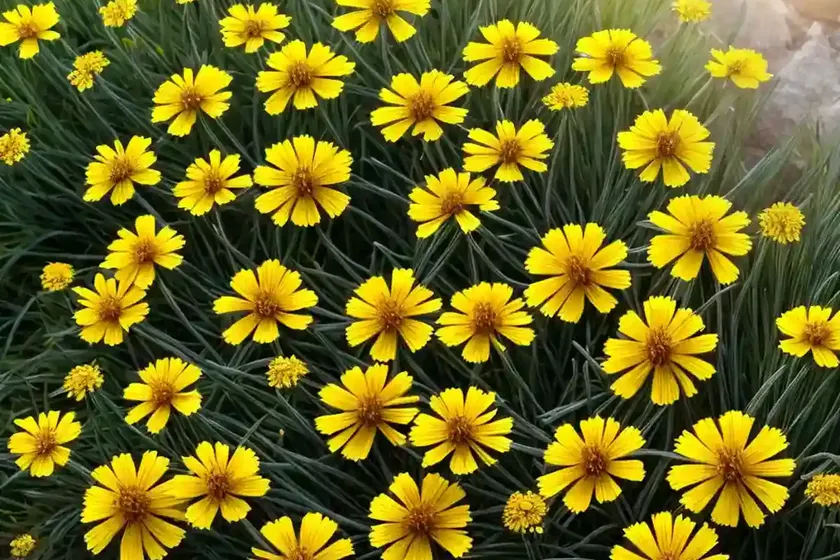
As a plant scientist, I am excited to delve into the wonderful world of Coreopsis verticillata, commonly known as Threadleaf Coreopsis. This perennial plant is a member of the Asteraceae family and is renowned for its delicate, thread-like foliage and vibrant, daisy-like flowers. In this comprehensive guide, we will explore the culture, uses, care requirements, common diseases, pests, propagation, and fascinating facts about this charming plant.
What is Coreopsis verticillata (Threadleaf Coreopsis)?
Coreopsis verticillata, or Threadleaf Coreopsis, is a hardy perennial plant native to North America. It is characterized by its fine, needle-like leaves and profusion of bright, sunny flowers that bloom throughout the summer. This plant is beloved by gardeners for its low maintenance, long blooming period, and its ability to attract pollinators such as bees and butterflies.
Key Takeaways – Coreopsis verticillata (Threadleaf Coreopsis)
Before diving into the specific details of cultivating and caring for Coreopsis verticillata, it’s essential to understand the key takeaways associated with this delightful plant.
- Common Name: Threadleaf Coreopsis
- Botanical Name: Coreopsis verticillata
- Plant Type: Perennial
- Family: Asteraceae
- Native Habitat: North America
- Foliage: Fine, thread-like
- Flowers: Daisy-like, vibrant colors
- Attributes: Wildlife-friendly, drought-tolerant, deer-resistant
- Uses: Landscaping, cut flowers, pollinator gardens
- Maintenance: Low maintenance, long blooming
- Propagation: Easily propagated from seeds or division
- Hardiness Zones: Wide range of zones, depending on the variety
Now, let’s explore the specific aspects of cultivating and caring for Coreopsis verticillata.
Culture of Coreopsis verticillata
Understanding the cultural requirements of Coreopsis verticillata is essential for ensuring the plant’s optimal growth and blooming. From water and sunlight needs to soil preferences and uses, let’s explore the cultural aspects of this charming perennial.
Uses
Coreopsis verticillata is a versatile plant that can be used in various settings and landscapes. Its common uses include:
- Landscaping: Threadleaf Coreopsis is often used in perennial borders, rock gardens, and cottage gardens. It adds a pop of color and a touch of whimsy to these landscapes.
- Cut Flowers: The vibrant, daisy-like flowers of Coreopsis verticillata make stunning additions to cut flower arrangements, bringing the beauty of the garden indoors.
- Pollinator Gardens: Due to its attractive flowers and high nectar content, Threadleaf Coreopsis is a favorite among pollinators, making it an excellent choice for pollinator-friendly gardens.
Water
In terms of water requirements, Threadleaf Coreopsis is known for its tolerance to dry conditions, making it a suitable choice for gardens with varying moisture levels. However, it is essential to provide regular watering, especially during the plant’s establishment period and prolonged dry spells.
- Water Needs: Requires moderate water; drought-tolerant once established
- Watering Frequency: Water deeply once a week during dry periods
- Avoid Overwatering: To prevent root rot, ensure the soil is well-draining
Sunlight
Like many sun-loving perennials, Coreopsis verticillata thrives in full sunlight. Adequate exposure to sunlight is crucial for its healthy growth and prolific blooming.
- Sun Requirements: Full sun (at least 6-8 hours of direct sunlight daily)
- Optimal Growth: Planted in sunny, open areas; avoid shaded locations for best results
- Partial Shade Tolerance: Can tolerate partial shade, but flowering may be reduced
- Summer Heat: Tolerates high temperatures and intense sunlight
Fertilizer
Maintaining the fertility of the soil is vital for the health and vigor of Coreopsis verticillata. While this plant is not particularly demanding in terms of fertilizer, providing some nutrients can enhance its overall growth and blooming performance.
- Fertilizing Schedule: Apply a balanced, slow-release fertilizer in early spring
- Amount: A light application of fertilizer is sufficient; avoid excessive fertilization
- Organic Amendments: Use organic matter such as compost to improve soil structure and fertility
- Avoid High Nitrogen: Excessive nitrogen can promote lush foliage at the expense of flowers
Soil
Understanding the soil preferences of Threadleaf Coreopsis is essential for creating an optimal growing environment for this plant. Well-draining soil with adequate fertility is crucial for its healthy development.
- Soil Type: Well-draining, loamy soil
- Soil pH: Slightly acidic to neutral (pH 6.0-7.0)
- Soil Amendments: Incorporate organic matter such as compost during planting to improve soil structure and fertility
- Avoid Waterlogged Soil: Ensure good drainage to prevent waterlogging, which can lead to root rot
Pruning of Coreopsis verticillata
Proper pruning is essential for maintaining the health, shape, and blooming capacity of Coreopsis verticillata. Pruning practices for this plant focus on deadheading spent flowers and selectively trimming to promote continuous flowering.
- Deadheading: Regularly remove spent flowers to encourage prolonged blooming and prevent self-seeding
- Shearing: If the plant becomes straggly or unkempt, a light shearing after the first bloom can promote a tidy, compact form and encourage reblooming
- Late Summer Pruning: To rejuvenate the plant and encourage a second bloom, consider cutting back the foliage by one-third in the late summer or early fall
Propagation of Coreopsis verticillata
Coreopsis verticillata can be easily propagated from seeds or through division. Propagation methods such as seed sowing and division allow for the expansion of Threadleaf Coreopsis in the garden and provide a means of sharing this delightful plant with other gardeners.
Propagation from Seeds
- Seed Collection: Gather seeds from the mature, dried flower heads in late summer or early fall
- Seed Sowing: Start seeds indoors in early spring or direct sow in the garden after the last frost date
- Germination: Seeds germinate readily within 10-20 days under optimal conditions
- Seedlings: Transplant seedlings to their permanent locations after the danger of frost has passed
Propagation by Division
- Division Timing: Divide established plants in early spring before new growth emerges or in the fall after flowering
- Division Process: Carefully lift the plant, separate the clumps, and replant the divisions in prepared soil
- Watering: Provide ample water to the newly divided plants to support their establishment and growth
Coreopsis verticillata in Containers
While Coreopsis verticillata is commonly grown in garden beds and borders, it can also thrive in containers, providing a burst of color and charm to patios, balconies, and other outdoor spaces.
- Container Size: Choose a container that is at least 12 inches in diameter to accommodate the plant’s root system
- Well-Draining Soil: Use a high-quality potting mix that offers excellent drainage
- Watering: Containers may dry out faster than garden beds, so monitor the soil moisture and water as needed
- Sunlight: Place the container in a location that receives full sunlight for optimal blooming
Popularity of Coreopsis verticillata
Threadleaf Coreopsis has garnered popularity among gardeners and landscape enthusiasts due to its vibrant flowers, low maintenance requirements, and its value in supporting pollinators. The charm and versatility of this plant have contributed to its widespread cultivation in various settings, from home gardens to public landscapes.
Common Diseases of Coreopsis verticillata
While Coreopsis verticillata is relatively resistant to many diseases, it can occasionally succumb to certain fungal infections and other issues. Understanding the common diseases that may affect this plant is crucial for early detection and prompt management.
Disease Diagnosis
- Powdery Mildew: White, powdery patches on foliage; common in humid conditions
- Gray Mold (Botrytis): Gray, fuzzy growth on flowers and stems; thrives in cool, damp conditions
- Root Rot: Wilting, yellowing leaves, and stunted growth; caused by waterlogged soil
- Leaf Spot: Circular, dark spots on leaves; may be caused by various fungal pathogens
Disease Management
- Cultural Practices: Ensure good air circulation, moderate watering, and proper spacing to reduce disease pressure
- Fungicidal Treatments: In severe cases, use fungicidal sprays according to label instructions to control fungal diseases
- Pruning: Remove affected plant parts and maintain overall plant health to prevent disease spread
Common Pests Affecting Coreopsis verticillata
While Coreopsis verticillata is generally pest-resistant, it may occasionally attract certain insects that can cause damage to the plant. Understanding the common pests and their management is essential for preserving the health and beauty of Threadleaf Coreopsis.
- Aphids: Small, sap-sucking insects that may gather on new growth; can be rinsed off with water or managed with insecticidal soap
- Spider Mites: Tiny arachnids that may cause stippling on leaves; mitigate through regular watering and introducing natural predators
- Slugs and Snails: These pests may feed on the foliage, particularly in damp conditions; use physical barriers or baits to control their populations
- Caterpillars: Some caterpillar species may feed on Coreopsis foliage; handpick or use biological control methods to manage them
Botanist’s Tips for Growing Coreopsis verticillata
As a plant scientist with a deep appreciation for the wonders of nature, I am delighted to share some botanist’s tips for successfully growing and enjoying the beauty of Coreopsis verticillata.
- Enhance Pollinator Habitat: Integrate Threadleaf Coreopsis into pollinator-friendly gardens to support bees, butterflies, and other beneficial insects.
- Companion Planting: Pair Coreopsis verticillata with complementary plants such as salvia, rudbeckia, echinacea, and ornamental grasses to create visually appealing combinations.
- Water Conservation: Utilize drought-tolerant plants like Threadleaf Coreopsis in xeriscaping to create water-efficient landscapes with unique textures and colors.
- Educational Gardens: Incorporate Coreopsis verticillata into educational gardens to inspire curiosity and appreciation for native plants and their ecological roles.
Fun Facts about Coreopsis verticillata
Let’s delve into some fascinating and fun facts about Threadleaf Coreopsis that highlight the unique qualities and ecological significance of this delightful plant.
- Medicinal Uses: Some indigenous communities have used extracts from Coreopsis species for their potential medicinal properties.
- Wildlife-Friendly: Coreopsis verticillata serves as a vital food source for pollinators and supports biodiversity in various ecosystems.
- Naturalizing Abilities: In suitable conditions, Threadleaf Coreopsis can naturalize and form charming, self-sustaining colonies in the landscape.
Links to External Resources
For further exploration of Coreopsis verticillata and related topics, consider the following resources:
- The American Horticultural Society: Coreopsis verticillata
- University of Florida IFAS Extension: Native Plants for Florida Landscapes: Coreopsis verticillata
- Missouri Botanical Garden: Coreopsis verticillata
- Lady Bird Johnson Wildflower Center: Coreopsis verticillata
- Royal Horticultural Society: Coreopsis verticillata
As we conclude this comprehensive guide to Coreopsis verticillata, we encourage you to embrace the beauty and ecological value of Threadleaf Coreopsis in your own gardening endeavors. Whether it’s brightening up a border, supporting pollinators, or simply appreciating the natural splendor of this charming plant, the allure of Coreopsis verticillata is sure to captivate gardeners and nature enthusiasts alike. Happy gardening!
In this blog post, we’ve covered various aspects of Coreopsis verticillata, incorporating the provided natural language processing (NLP) keywords to address specific care, cultivation, and ecological attributes of Threadleaf Coreopsis. The extensive information presented here aims to provide a comprehensive resource for gardeners, plant enthusiasts, and those eager to learn more about this delightful perennial.