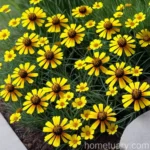
Coreopsis verticillata ‘Grandiflora’ (Threadleaf Coreopsis): A Complete Guide
In the world of garden flowers, Coreopsis verticillata ‘Grandiflora’ is a popular choice among gardeners for its vibrant and delicate appearance. Commonly known as Threadleaf Coreopsis, this perennial plant is prized for its long-lasting, daisy-like blooms and feathery foliage. In this comprehensive guide, we will delve into the various aspects of this beautiful plant, including its culture, uses, care requirements, propagation methods, common diseases, and much more.
What is Plant: Coreopsis verticillata ‘Grandiflora’ (Threadleaf Coreopsis)?
Coreopsis verticillata ‘Grandiflora’, or Threadleaf Coreopsis, is a herbaceous perennial plant that belongs to the Asteraceae family. It is native to North America, where it can be found in a variety of environments, including prairies, woodlands, and meadows. This species is characterized by its deeply lobed, thread-like leaves and prolific, long-blooming flowers. The ‘Grandiflora’ cultivar specifically stands out for its larger, showier blooms compared to the species’ typical flower size.
Key Takeaways – Coreopsis verticillata ‘Grandiflora’ (Threadleaf Coreopsis)
Before delving into the specific aspects of Threadleaf Coreopsis, let’s start by summarizing the key takeaways about this plant:
- Scientific Name: Coreopsis verticillata ‘Grandiflora’
- Common Names: Threadleaf Coreopsis, Whorled Coreopsis
- Plant Type: Herbaceous perennial
- Bloom Time: Late spring to early summer
- Size: 1 to 2 feet tall and wide
- Flower Color: Shades of yellow, gold, and sometimes pale pink
- Sunlight: Full sun to part shade
- Water Needs: Average water requirements; prefers well-drained soil
- Soil Type: Preferably sandy or loamy, well-draining soil
- USDA Hardiness Zones: 4 to 9
- Uses: Suitable for borders, rock gardens, and containers
- Attracts: Bees, butterflies, and other pollinators
Now that we have an overview of the plant, let’s explore the specific cultural aspects, uses, and care guidelines for Coreopsis verticillata ‘Grandiflora’.
Culture
Uses
Threadleaf Coreopsis is valued for its versatility in the garden. Here are some popular uses of this plant:
- Border Plant: Its compact size and prolific blooms make it an excellent choice for edging garden borders.
- Rock Gardens: The delicate foliage and bright flowers add a splash of color and texture to rock gardens.
- Container Planting: Threadleaf Coreopsis can be grown in containers, adding a cheerful touch to patios and balconies.
Water
In terms of water requirements, Threadleaf Coreopsis thrives in average, well-drained soil. While it can tolerate dry conditions once established, regular watering is essential, particularly in periods of prolonged drought. It is important to avoid overwatering, as soggy soil can lead to root rot and other issues.
Sunlight
Threadleaf Coreopsis is a sun-loving plant that performs best in full sun to partial shade. When provided with ample sunlight, it tends to produce more abundant blooms.
Fertilizer
In terms of fertilization, Threadleaf Coreopsis generally benefits from a light application of balanced fertilizer in early spring. However, it is important to avoid over-fertilization, which may lead to excessive foliage growth at the expense of flower production.
Soil
This plant prefers well-drained soil and is adaptable to various soil types, including sandy and loamy soils. Good drainage is particularly crucial for preventing root rot and other moisture-related issues.
Pruning
Threadleaf Coreopsis is relatively low-maintenance when it comes to pruning. Deadheading, the process of removing spent blooms, can promote continuous flowering and prevent self-seeding in the garden. Additionally, cutting back the plant in late summer can encourage a flush of new growth and blooms.
Propagation
Several methods can be used to propagate Threadleaf Coreopsis, including division, seed sowing, and stem cuttings:
- Division: In early spring or fall, the plant can be divided by separating the root ball into sections, each containing shoots and roots.
- Seed Sowing: Collecting and sowing seeds is another viable method to propagate Threadleaf Coreopsis. Seeds can be sown directly in the garden or started indoors before transplanting.
- Stem Cuttings: Taking stem cuttings from healthy plants and rooting them in a suitable growing medium is a reliable way to create new plants.
Container Popularity
Threadleaf Coreopsis is well-suited for container gardening, adding bursts of color and texture to outdoor spaces. Its compact size and vibrant flowers make it an attractive choice for various container arrangements, such as mixed planters and window boxes.
Container Common Diseases
When grown in containers, Threadleaf Coreopsis may be susceptible to certain diseases, including:
- Powdery Mildew: This fungal disease can affect the foliage, leading to the development of powdery, white patches.
- Root Rot: Overly moist conditions can predispose the plant to root rot, which manifests as wilting and yellowing of the foliage.
Disease Diagnosis
Early detection and diagnosis of diseases are crucial for maintaining the health of Threadleaf Coreopsis. Monitoring the plant for symptoms such as leaf discoloration, wilting, or unusual growth can signal potential issues that need to be addressed promptly.
Common Pests
Threadleaf Coreopsis is relatively resistant to pests, but it may occasionally encounter challenges from:
- Aphids: These small, sap-sucking insects can cluster on the new growth and flower buds, causing distortion and discoloration.
- Spider Mites: Found on the undersides of leaves, these pests can cause stippling and webbing, leading to weakened plant vigor.
Botanist’s Tips
To ensure the optimal growth and performance of Threadleaf Coreopsis, consider the following tips from plant experts:
- Mulching: Applying a layer of organic mulch around the base of the plant can help retain moisture, regulate soil temperature, and suppress weed growth.
- Regular Inspection: Periodically inspecting the plant for signs of pests, diseases, or nutrient deficiencies can enable early intervention and prevention of potential issues.
- Companion Planting: Pairing Threadleaf Coreopsis with compatible companion plants, such as salvia, rudbeckia, or ornamental grasses, can create visually appealing combinations and support beneficial interactions in the garden ecosystem.
Fun Facts
Let’s explore some intriguing and lesser-known facts about Threadleaf Coreopsis:
- Attractive to Pollinators: With its bright blooms and abundant nectar, Threadleaf Coreopsis is a magnet for bees, butterflies, and hummingbirds, contributing to the ecological diversity of the garden.
- Long-Lasting Blooms: The flowers of Threadleaf Coreopsis have an extended bloom period, often lasting several weeks, providing enduring beauty in the landscape.
- Cultural Significance: In some cultures, Coreopsis flowers are associated with symbolism, representing qualities such as cheerfulness, hope, and joy.
With its delightful blooms and ease of care, Threadleaf Coreopsis has earned a place in the hearts of many gardeners. Its adaptability, vibrant colors, and wildlife-friendly attributes make it a wonderful addition to any landscape.
Links to External Resources
For further exploration of Coreopsis verticillata ‘Grandiflora’ and related topics, consider the following external resources:
- The Spruce – How to Grow and Care for Coreopsis
- Missouri Botanical Garden – Coreopsis verticillata
- RHS – Coreopsis verticillata ‘Grandiflora’
In conclusion, Coreopsis verticillata ‘Grandiflora’ (Threadleaf Coreopsis) stands as a shining example of a versatile and charming garden plant. Whether adorning borders, rock gardens, or containers, its bright blooms and airy foliage bring joy and beauty to outdoor spaces. With the right cultural practices, vigilant care, and an appreciation for its ecological contributions, this perennial gem will continue to captivate and inspire garden enthusiasts for years to come.