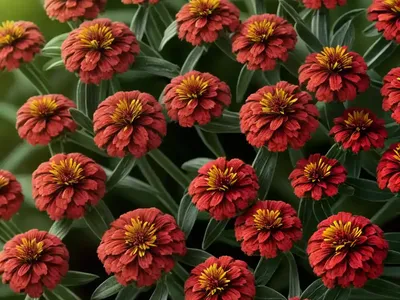
Coreopsis Tinctoria (Tickseed)
Coreopsis tinctoria, commonly known as Tickseed, is a stunning and versatile flowering plant that belongs to the genus Coreopsis, and it is native to North.
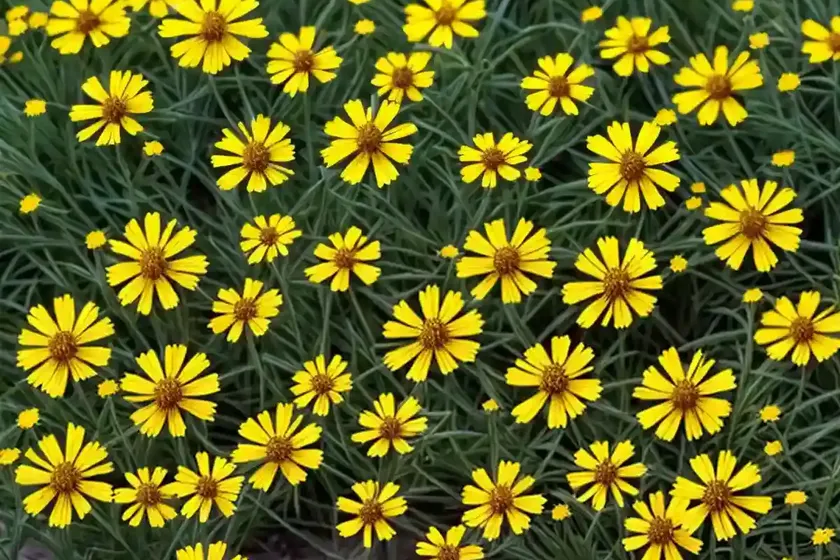
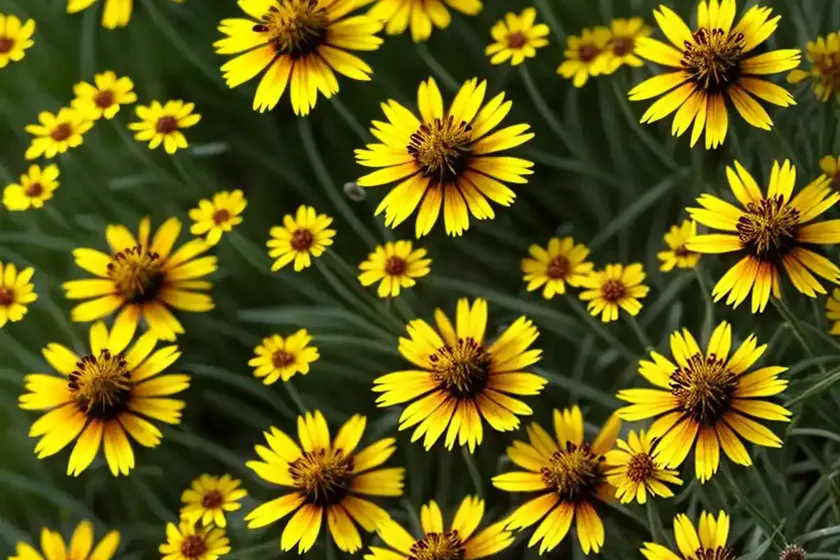
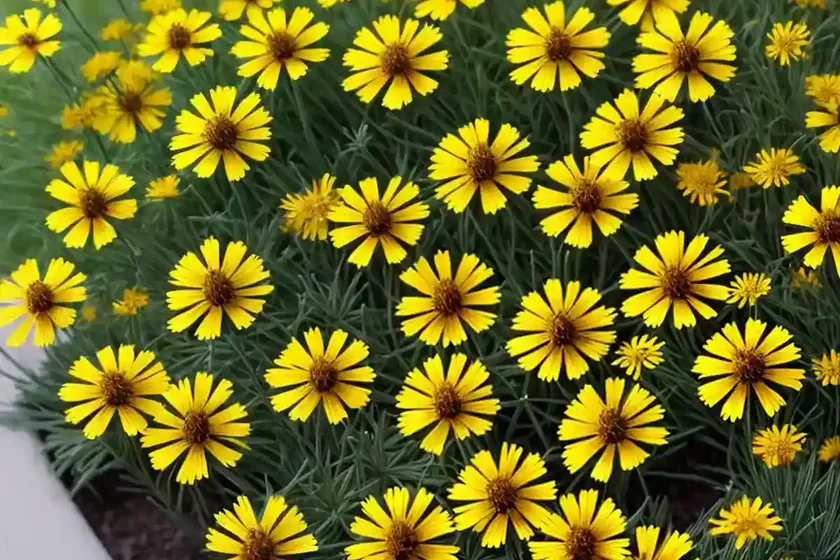
Coreopsis tinctoria, commonly known as Tickseed, is a stunning and versatile flowering plant that belongs to the genus Coreopsis, and it is native to North America. Tickseed is highly valued for its vibrant flowers and its ability to attract pollinators, making it a popular choice for gardens, landscapes, and natural habitats. In this comprehensive guide, we will explore the characteristics, culture, uses, and care tips for Coreopsis tinctoria, as well as its role in sustainable gardening, wildlife support, and prairie restoration. Whether you are an experienced gardener, a nature enthusiast, or a beginner looking to expand your green thumb, this guide will provide you with all the essential information to cultivate and appreciate this beautiful plant.
What is Coreopsis tinctoria (Tickseed)?
Coreopsis tinctoria, commonly referred to as Tickseed, is a species of the Coreopsis genus in the family Asteraceae. It is a herbaceous annual plant that is native to North America, particularly in regions such as the Great Plains and the Southwestern United States. The plant is characterized by its delicate, daisy-like flowers that bloom in a stunning array of colors, including shades of red, yellow, and orange. With its long flowering period and its attractive appearance, Tickseed has become a beloved ornamental plant in gardens, meadows, and natural landscapes.
Key Takeaways – Coreopsis tinctoria (Tickseed)
Before delving into the specifics of Tickseed cultivation and care, let’s highlight some key takeaways about this remarkable plant:
- Tickseed, scientifically known as Coreopsis tinctoria, is a native North American plant celebrated for its vibrant, daisy-like flowers.
- It is an annual plant, known for its prolific and long-lasting blooms.
- Tickseed is renowned for attracting pollinators, making it a valuable addition to wildlife gardens, prairie restoration projects, and natural habitats.
- The plant is well-suited for sustainable gardening practices due to its drought tolerance and low maintenance requirements.
- Tickseed is also valued for its potential culinary and medicinal uses, and as a natural dye source, adding to its versatility and appeal.
Now that we have an overview of the characteristics and significance of Coreopsis tinctoria, let’s explore the comprehensive care and cultivation practices to help you maintain a thriving and beautiful Tickseed plant.
Culture
Water
Proper watering is essential for the health and vitality of Tickseed plants. While Coreopsis tinctoria is known for its drought tolerance, consistent moisture is beneficial, especially during the establishment phase and periods of prolonged heat or dryness. Here are some key considerations for watering Tickseed:
-
Establishment: For newly planted Tickseed seedlings or transplants, water the plants regularly to help them develop strong roots and adapt to their new environment. Keep the soil evenly moist, but avoid waterlogging.
-
Mature Plants: Once established, Tickseed plants have good drought tolerance and can thrive in dry conditions. However, during extended dry spells, providing supplementary watering can help prolong flowering and maintain overall plant health.
-
Watering Method: When irrigating Tickseed, it is best to water at the base of the plant to minimize moisture on the foliage, which can reduce the risk of diseases such as powdery mildew.
Sunlight
Tickseed is a sun-loving plant that thrives in full sun to partial shade. Adequate sunlight is crucial for promoting robust growth and abundant flowering. Here are some sunlight-related guidelines for Tickseed cultivation:
-
Full Sun: Tickseed plants perform best when they receive at least 6-8 hours of direct sunlight per day. When grown in full sun, the plants produce more blooms and display stronger, healthier growth.
-
Partial Shade: While Tickseed prefers full sun, it can tolerate some degree of shade, particularly in regions with intense afternoon sun or during exceptionally hot summers. When grown in partial shade, the plants may exhibit slightly fewer blooms, but they can still flourish if provided with adequate sunlight and well-drained soil.
Fertilizer
Tickseed is a relatively low-maintenance plant that does not require heavy feeding. However, providing a balanced fertilizer can support healthy growth and abundant flowering. Consider the following fertilizer recommendations for cultivating Tickseed:
-
Initial Fertilization: When preparing the soil for planting or transplanting Tickseed, incorporate a balanced, slow-release fertilizer into the soil to provide essential nutrients for initial growth. Follow the manufacturer’s instructions for proper application rates.
-
Maintenance Fertilization: As the growing season progresses, consider applying a water-soluble, general-purpose fertilizer to Tickseed plants every 4-6 weeks. Use a fertilizer with balanced NPK (nitrogen, phosphorus, and potassium) ratios to support overall plant vigor and flower production.
-
Organic Options: For those practicing organic gardening, organic fertilizers such as compost, aged manure, or organic-based fertilizers can serve as effective and environmentally-friendly alternatives to synthetic fertilizers.
Soil
Tickseed thrives in well-draining, moderately fertile soil, and it has good adaptability to different soil types. The following soil considerations are crucial for successful Tickseed cultivation:
-
Well-Drained Soil: Ensure that the planting site and growing containers have well-drained soil to prevent waterlogging and root rot. Tickseed is susceptible to poor drainage, particularly in heavy clay soils, so incorporating organic matter or perlite into the soil can enhance drainage.
-
Soil pH: Tickseed prefers slightly acidic to neutral soil with a pH range of 6.0 to 7.0. Conduct a soil test to determine the pH of the planting area, and if necessary, amend the soil with lime or sulfur to achieve the ideal pH for Tickseed growth.
-
Soil Composition: Tickseed can adapt to various soil types, including loam, sandy, or rocky soils, as long as they are well-draining. Amending the soil with organic matter, such as compost or peat moss, can improve overall soil structure and fertility.
Pruning
Tickseed generally requires minimal pruning, but light maintenance can help enhance its appearance and prolong flowering. Here are some essential pruning tips for Tickseed plants:
-
Deadheading: Regular deadheading, the removal of spent flowers, encourages the continuous production of new blooms and prevents the plant from diverting energy into seed production. Simply snip off the faded flowers near the base to promote continuous flowering.
-
Shearing: If Tickseed plants become leggy or less compact during the growing season, light shearing or trimming can help maintain a more compact, bushy growth habit. Use clean, sharp pruning shears to trim the plants by one-third to half of their height, which can stimulate new growth and rejuvenate the plant’s appearance.
Propagation
Tickseed can be propagated through various methods, including seed sowing, division, and stem cuttings. Each propagation technique offers unique advantages and can be applied based on the specific needs and preferences of gardeners. Here are the primary propagation methods for Tickseed:
-
Seed Sowing: Tickseed plants produce abundant seeds that can be collected for future propagation. Sow the seeds directly in the garden bed in early spring or late fall, or start them indoors in seed-starting trays. Maintain consistent moisture and warmth for successful germination.
-
Division: Established Tickseed clumps can be divided every 2-3 years to rejuvenate the plants and create new plantings. Dig up the mature clumps in early spring, carefully separate them into individual sections, and replant the divisions in suitable locations.
-
Stem Cuttings: Taking stem cuttings from healthy, non-flowering shoots of Tickseed can yield new plants with identical characteristics. Root the cuttings in a well-draining growing medium and provide the appropriate environmental conditions for successful propagation.
Container Popularity
Tickseed is well-suited for container gardening, making it an appealing option for individuals with limited outdoor space or those wishing to adorn patios, balconies, or decks with colorful blooms. When growing Tickseed in containers, consider the following recommendations:
-
Container Size: Choose a container with an adequate diameter and depth to accommodate the mature size of Tickseed plants and provide ample space for root development. At least 12-18 inches in diameter is typically suitable for a single Tickseed plant.
-
Drainage Holes: Ensure that the container has sufficient drainage holes to prevent waterlogging and maintain proper soil moisture levels. Elevating the container on feet or placing it on a saucer can aid in promoting drainage and air circulation.
-
Growing Medium: Select a high-quality potting mix that offers good aeration and drainage, such as a blend of peat moss, perlite, and compost. Avoid using dense, water-retentive soils that can lead to root rot and other moisture-related issues.
Common Diseases
While Tickseed is generally resistant to most diseases, it can occasionally be affected by fungal infections and other common plant ailments. Recognizing the symptoms and implementing appropriate disease management strategies can help protect Tickseed plants. Some common diseases that may affect Tickseed include:
-
Powdery Mildew: Characterized by a powdery, white coating on the foliage, powdery mildew can impact Tickseed during periods of high humidity and poor air circulation. To manage this fungal disease, ensure proper spacing between plants, provide adequate ventilation, and apply fungicidal sprays if necessary.
-
Septoria Leaf Spot: This fungal disease appears as small, dark spots on the leaves of Tickseed plants. To prevent the spread of Septoria leaf spot, practice good sanitation by removing and disposing of infected plant debris and avoid overhead irrigation that can promote moisture on the foliage.
-
Root Rot: Overwatering and poorly drained soil can lead to root rot, causing the roots of Tickseed to become discolored, mushy, and unhealthy. To prevent root rot, maintain moderate soil moisture levels and ensure proper drainage to promote a healthy root system.
Disease Diagnosis
Diagnosing diseases in Tickseed plants involves careful observation of symptoms and thorough assessment of environmental conditions. When identifying and diagnosing diseases in Tickseed, consider the following steps:
-
Symptom Recognition: Pay attention to any changes in the appearance of Tickseed plants, such as leaf discoloration, wilting, spotting, or abnormal growth. Take note of any unusual patterns or signs of distress.
-
Environmental Review: Evaluate the growing conditions, including humidity levels, air circulation, soil moisture, and sun exposure. Certain diseases, such as powdery mildew, are more likely to occur under specific environmental conditions.
-
Professional Consultation: If you encounter challenging or persistent diseases affecting Tickseed, seek advice from local garden centers, agricultural extension offices, or plant pathology professionals for accurate diagnosis and targeted treatment recommendations.
Common Pests
Tickseed plants are relatively resistant to pest infestations but can occasionally attract a few common garden pests. Understanding these pests and implementing effective control measures can help safeguard Tickseed from potential damage. Some common pests to watch for include:
-
Aphids: These small, soft-bodied insects feed on the sap of Tickseed plants, often congregating on the undersides of leaves and tender stems. Use insecticidal soaps, neem oil, or physical removal to manage aphid populations.
-
Thrips: Thrips are tiny, slender insects that can cause stippling and discoloration on Tickseed foliage. Employing beneficial insect predators and using insecticidal treatments can help control thrips infestations.
-
Spider Mites: These minuscule arachnids can cause webbing and stippling on Tickseed leaves, leading to reduced plant vigor. Regularly misting the foliage and using miticidal sprays can aid in controlling spider mite populations.
Botanist’s Tips
-
Companion Planting: Pairing Tickseed with companion plants such as lavender, salvia, and agastache can enhance the aesthetic appeal of gardens and attract additional pollinators and beneficial insects.
-
Native Wildlife Support: Due to its ability to attract butterflies, bees, and other pollinators, Tickseed serves as a valuable resource for supporting native wildlife populations and promoting biodiversity.
-
Wildflower Meadows: Incorporating Tickseed into wildflower meadows and prairie restorations can contribute to the conservation of native plant species and the creation of vibrant, ecologically diverse landscapes.
Fun Facts
-
Tickseed (Coreopsis tinctoria) derives its scientific name from the Greek words “koris,” meaning bedbug, and “opsis,” meaning resembling, alluding to the resemblance of the plant’s seeds to bedbugs.
-
Native Americans used the natural dyes from Tickseed flowers to color textiles and create vibrant decorations, showcasing the plant’s historical and cultural significance.
-
The colorful blossoms of Tickseed are popular as cut flowers, adding cheerful and long-lasting accents to floral arrangements and bouquets.
Links to External Resources
For more in-depth information on Tickseed cultivation, native plant gardening, and sustainable gardening practices, explore the following external resources:
- Lady Bird Johnson Wildflower Center – Coreopsis tinctoria
- The Xerces Society – Gardening for Butterflies: How You Can Help Support and Conserve Native Butterflies
- United States Department of Agriculture (USDA) Plant Database
- North American Native Plant Society – Tickseed Cultivation and Conservation
- Missouri Botanical Garden – Tickseed Plant Care and Characteristics
- National Wildlife Federation – Attracting Pollinators to Your Garden
In conclusion, Coreopsis tinctoria, or Tickseed, is a cherished and versatile plant that offers an array of benefits for gardeners, conservationists, and nature enthusiasts. By understanding its culture, uses, and ecosystem contributions, we can appreciate the beauty and value of Tickseed while advancing sustainable gardening and wildlife support initiatives. Whether as a source of vibrant colors, a pollinator magnet, or a symbol of native plant conservation, Tickseed holds a special place in the landscapes and hearts of many. In embracing Tickseed, we embrace the richness and resilience of North American flora, adding both aesthetic and ecological value to our surroundings.