Coreopsis Rosea ‘American Dream’ (Pink Tickseed)
As a plant scientist, I am excited to share insights and tips on cultivating Coreopsis rosea ‘American Dream’ commonly known as Pink Tickseed. This vibrant.
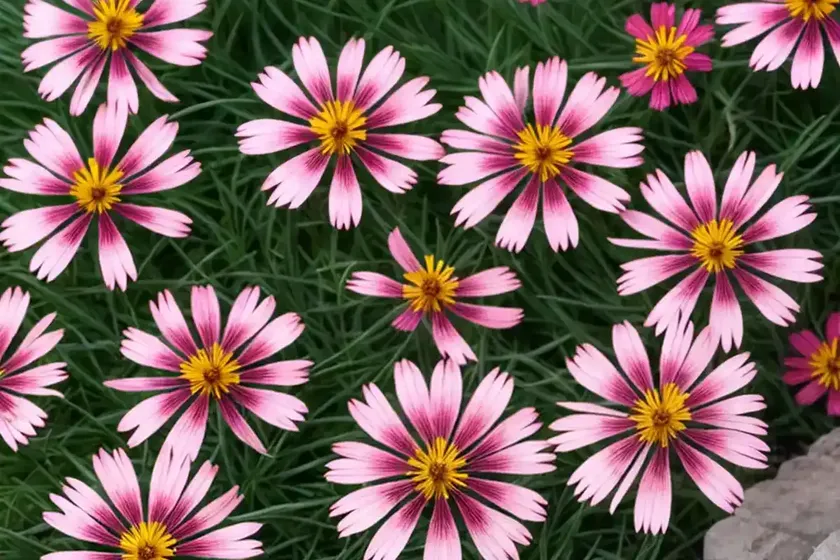
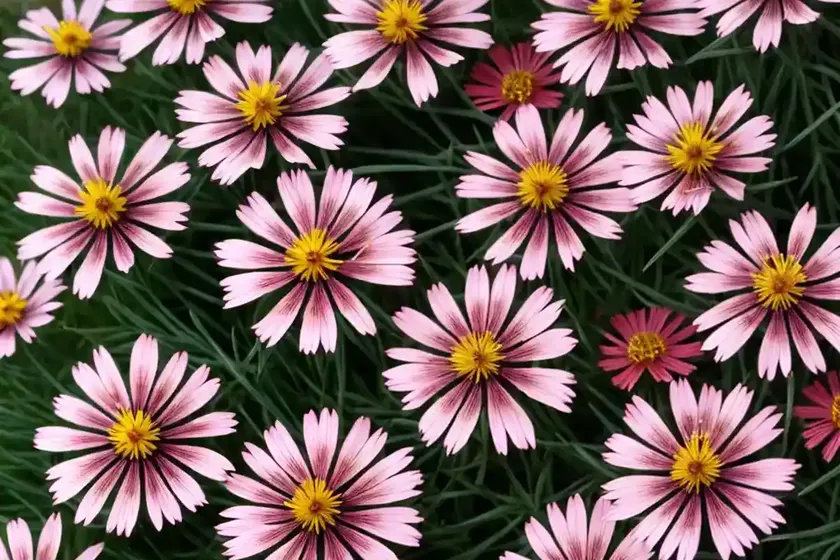
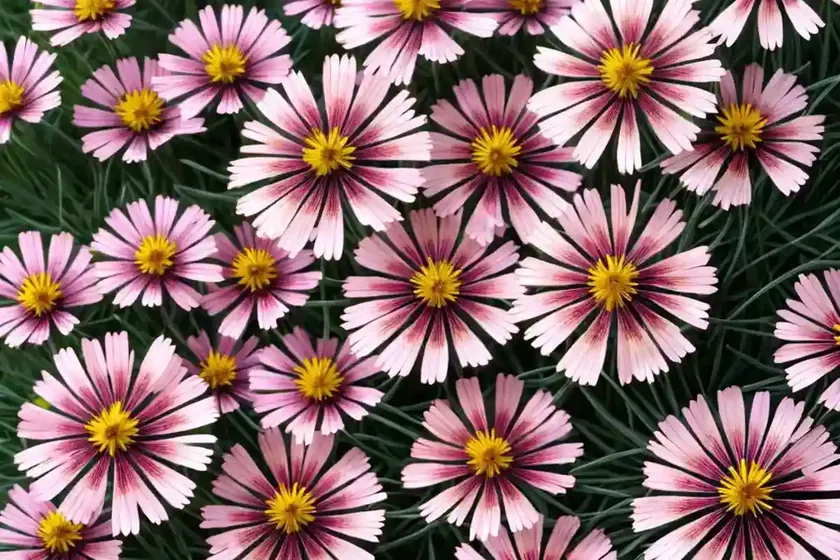
As a plant scientist, I am excited to share insights and tips on cultivating Coreopsis rosea ‘American Dream’ commonly known as Pink Tickseed. This vibrant and versatile perennial is a delightful addition to any garden, attracting not only human admirers but also beneficial wildlife such as butterflies and bees. In this comprehensive guide, I will explore the essential aspects of Pink Tickseed, including its cultural requirements, uses, common diseases, pests, propagation, and much more. Whether you are a seasoned gardener or a novice enthusiast, this guide will equip you with the knowledge to successfully grow and care for Coreopsis rosea ‘American Dream’.
What is Coreopsis rosea ‘American Dream’ (Pink Tickseed)?
Coreopsis rosea ‘American Dream’, also known as Pink Tickseed, is a herbaceous perennial plant belonging to the Asteraceae family. Native to North America, this species thrives in various environmental conditions and is renowned for its abundant, daisy-like pink flowers that bloom profusely throughout the growing season, providing a cheerful and colorful display in the garden.
Key Takeaways – Coreopsis rosea ‘American Dream’ (Pink Tickseed)
Before delving into the specifics of cultivating Pink Tickseed, let’s explore an overview of the core takeaways for successfully growing and caring for this beautiful plant:
- Scientific Name: Coreopsis rosea ‘American Dream’
- Common Name: Pink Tickseed
- Plant Type: Herbaceous Perennial
- Hardiness Zones: 4-9
- Mature Size: 12-18 inches in height and 18-24 inches in spread
- Flower Color: Pink
- Bloom Time: Late Spring to Early Fall
- Sunlight: Full Sun to Partial Shade
- Watering: Moderate
- Soil Type: Well-draining, fertile soil
- Uses: Borders, Containers, Cottage Gardens, Pollinator Gardens
As we proceed, we will delve into the cultivation and care practices essential for the optimal growth and health of Coreopsis rosea ‘American Dream’.
Culture
Cultivating Coreopsis rosea ‘American Dream’ successfully depends on understanding its cultural requirements, including water, sunlight, soil, and fertilizer needs.
Water
Pink Tickseed thrives in moderately moist soil conditions. While it is tolerant of some drought once established, it is essential to provide regular watering, particularly during periods of extended dryness. When watering Pink Tickseed, the aim is to keep the soil consistently moist but not waterlogged. Mulching around the plant can help conserve soil moisture and reduce the frequency of watering.
Sunlight
One of the key factors contributing to the abundant flowering of Coreopsis rosea ‘American Dream’ is ample sunlight. This plant flourishes in full sun to partial shade, with full sun exposure promoting the best blooming performance. When planting Pink Tickseed, it is crucial to select a location that receives at least 6-8 hours of direct sunlight daily. In regions with hot summers, providing some afternoon shade can be beneficial to prevent leaf scorch.
Fertilizer
Pink Tickseed is a relatively low-maintenance plant when it comes to fertilization. It thrives in moderately fertile soil and does not typically require heavy feeding. However, an initial application of balanced slow-release fertilizer during the spring or early summer can support healthy growth and flowering. It is essential to follow the manufacturer’s instructions regarding the application rates to avoid over-fertilization, which can lead to excessive vegetative growth at the expense of flowers.
Soil
The choice of soil is critical for the successful cultivation of Coreopsis rosea ‘American Dream’. It thrives in well-draining, loamy soil with a slightly acidic to neutral pH range. Amending the soil with organic matter such as compost or well-rotted manure can improve its structure and fertility, promoting optimal growth and blooming. Additionally, ensuring good drainage is essential to prevent waterlogging, which can lead to root rot and other detrimental conditions.
Uses
Pink Tickseed offers a myriad of uses in the garden and landscape, making it a versatile and valuable addition to various garden settings.
-
Borders: The profusion of pink blooms and compact growth habit of Coreopsis rosea ‘American Dream’ make it an excellent choice for border plantings. Whether in a formal or informal garden border, it adds a splash of color and visual interest.
-
Containers: The compact nature of Pink Tickseed makes it well-suited for container gardening. It can be featured in patio pots, decorative containers, or window boxes, adding charm and vibrancy to outdoor spaces.
-
Cottage Gardens: Pink Tickseed is a quintessential plant for cottage-style gardens, where its delicate pink flowers complement the nostalgic and informal ambiance of these landscapes.
-
Pollinator Gardens: As a nectar-rich plant, Coreopsis rosea ‘American Dream’ attracts pollinators such as bees and butterflies, contributing to the ecological value of a garden. Including it in pollinator-friendly plantings supports biodiversity and adds movement and life to the garden.
Pruning
Pruning plays a vital role in maintaining the health, appearance, and longevity of Coreopsis rosea ‘American Dream’. Proper pruning techniques can help manage the plant’s growth, promote flowering, and prevent issues such as overcrowding and disease.
When it comes to Pink Tickseed, the following pruning practices are recommended:
-
Deadheading: Removing spent flowers through regular deadheading encourages continual blooming and prevents the plant from channeling energy into seed production.
-
Cutting Back: In late summer or early fall, lightly shearing the plant back by a third to half of its height can rejuvenate the foliage and promote a flush of new growth. This practice can also prevent the plant from becoming leggy and unkempt.
-
Division: Every few years, dividing mature clumps of Pink Tickseed can rejuvenate the plant, improve its vigor, and prevent overcrowding. Spring is the ideal time for dividing Coreopsis rosea ‘American Dream’.
By incorporating these pruning practices into the care routine for Pink Tickseed, gardeners can ensure that these lovely plants remain healthy, vibrant, and visually appealing throughout the growing season.
Propagation
Propagating Coreopsis rosea ‘American Dream’ is an excellent way to multiply and share this delightful perennial plant. Several methods can be employed to propagate Pink Tickseed, allowing gardeners to cultivate new plants for their own gardens or to gift to fellow enthusiasts.
Division
Division is one of the most common and effective methods of propagating Pink Tickseed. This process involves separating existing clumps of the plant into smaller sections, each with its own root system and growing points. Division is typically performed in the early spring when new growth is just emerging.
The basic steps for division are as follows:
- Prepare the Plant: Dig up the mature Pink Tickseed plant, taking care to unearth the root system as intact as possible.
- Separate the Clumps: Use a sharp, clean garden tool to divide the clump into smaller sections, ensuring that each division has a good portion of healthy roots and several growing points or shoots.
- Replant: Plant the divided sections into prepared, well-draining soil, and water thoroughly to encourage establishment.
Stem Cuttings
Propagating Pink Tickseed from stem cuttings is another viable method for obtaining new plants. This technique is particularly useful for producing multiple identical clones of a desired cultivar.
The steps for propagating Pink Tickseed from stem cuttings are as follows:
- Selecting Cuttings: Choose healthy, non-flowering stems from the parent plant, and cut them into 4-6 inch sections.
- Preparation: Remove the lower foliage from the cutting, leaving only a few leaves at the top. Dip the cut end in rooting hormone to encourage root development.
- Planting: Insert the prepared cuttings into a well-draining, moist rooting medium, such as a mix of peat and perlite. Keep the cuttings consistently moist and provide gentle bottom heat to encourage root formation.
- Transplanting: Once the cuttings have developed sufficient roots, they can be transplanted into individual containers or suitable garden locations for further growth.
By employing these propagation methods, gardeners can expand their collection of Pink Tickseed, share the plant with others, and contribute to the preservation and propagation of this charming species.
Container Popularity
The popularity of container gardening has surged in recent years, driven by its accessibility, flexibility, and ability to bring greenery and floral beauty to diverse urban and suburban settings. Pink Tickseed’s compact growth habit, prolonged blooming period, and adaptability make it an excellent choice for container cultivation.
Container Common Diseases
While container gardening offers numerous advantages, it is important to be aware of potential challenges that may arise, including diseases that can affect plants grown in containers.
Some common diseases that can impact Pink Tickseed in containers include:
-
Powdery Mildew: In conditions of high humidity and poor air circulation, Pink Tickseed may be susceptible to powdery mildew, a fungal disease characterized by white, powdery patches on leaves and stems.
-
Root Rot: Overwatering and poor drainage in containers can lead to root rot, a condition that affects the roots and can eventually cause wilting and decline of the plant.
-
Botrytis Blight: This fungal disease can manifest as brown spots on leaves or flowers and is favored by cool, wet conditions.
Disease Diagnosis
Diagnosing diseases in Pink Tickseed is crucial for implementing effective management strategies and preserving the health and vigor of the plant. Common diseases that may affect Coreopsis rosea ‘American Dream’ include:
-
Powdery Mildew: Identified by the presence of powdery white patches on leaves and stems, powdery mildew can affect Pink Tickseed, especially in conditions of high humidity and inadequate air circulation. Avoid overhead watering and provide ample spacing between plants to minimize the risk of powdery mildew.
-
Leaf Spot: Characterized by the appearance of dark or discolored spots on the foliage, leaf spot diseases can be caused by various fungal or bacterial pathogens. To manage leaf spot, practice good sanitation, such as removing and disposing of affected foliage, and provide proper air circulation to minimize humidity around the plant.
-
Root Rot: Symptoms of root rot in Pink Tickseed may include wilting, yellowing leaves, and stunted growth. Proper drainage and avoiding overwatering are essential for preventing root rot in container-grown plants.
Understanding the symptoms and causes of these diseases is pivotal in implementing preventive measures and timely interventions to protect Pink Tickseed from potential threats.
Common Pests
While Pink Tickseed is generally resistant to most pests, it can occasionally encounter challenges from some common garden pests. Being vigilant for early signs of pest infestation and understanding effective control measures is essential for safeguarding the health of Coreopsis rosea ‘American Dream’.
Botanist’s Tips
As a plant scientist, I am delighted to share some expert tips for cultivating Pink Tickseed and ensuring its optimal growth and performance in the garden:
-
Ample Sunlight: Providing adequate sunlight is essential for promoting the best blooming performance and robust growth of Coreopsis rosea ‘American Dream’.
-
Moderate Watering: While Pink Tickseed can tolerate some drought, regular watering is crucial for ensuring its health and vigor, particularly during periods of prolonged dryness.
-
Good Drainage: Ensuring well-draining soil and proper container drainage is fundamental for preventing waterlogged conditions that can lead to root rot and other detrimental issues.
-
Deadheading: Regular removal of spent flowers through deadheading can encourage prolonged blooming and prevent the plant from directing energy into seed production.
-
Pruning: Lightly shearing back the plant in late summer can promote a flush of new growth and rejuvenate the foliage, contributing to a neat and compact appearance.
Fun Facts
In addition to its endearing appearance and garden-friendly qualities, Pink Tickseed boasts several fascinating and noteworthy characteristics:
-
Beneficial to Wildlife: Pink Tickseed is a valuable nectar source for pollinators such as bees and butterflies, contributing to the ecological diversity and balance of the garden.
-
Drought-Tolerant: Once established, Pink Tickseed exhibits good drought tolerance, making it suitable for water-wise gardens and landscapes.
-
Long-Lasting Blooms: The profusion of pink flowers and the extended bloom period of Pink Tickseed add a delightful and enduring display of color to the garden.
Links to External Resources
For a deeper understanding and further exploration of Coreopsis rosea ‘American Dream’ and related topics, I have compiled a list of external resources that provide valuable insights and information:
- The American Horticultural Society’s A-Z Encyclopedia of Garden Plants
- The Royal Horticultural Society’s Plant Selector
- University of Florida’s Gardening Solutions – Coreopsis rosea
- The North Carolina State University’s Extension Gardener Plant Toolbox
- Missouri Botanical Garden – Plant Finder
Conclusion
As we conclude this extensive guide to the cultivation and care of Coreopsis rosea ‘American Dream’ (Pink Tickseed), it is my hope that gardeners and plant enthusiasts will find this resource valuable in their quest to nurture and appreciate this charming and vibrant perennial. By understanding its cultural needs, uses, propagation methods, pests, and diseases, gardeners can cultivate Pink Tickseed with confidence and skill, enhancing the beauty and biodiversity of their outdoor spaces. I trust that the shared insights, expert tips, and comprehensive knowledge presented in this guide will serve as a valuable companion for anyone seeking to unlock the full potential of Pink Tickseed in their gardens and landscapes.
Happy Gardening!
Disclaimer: The content of this article is intended for informational purposes and does not replace professional advice. Individuals should always consult local gardening experts and extension services for region-specific recommendations and guidelines.