Coreopsis Pubescens (Star Tickseed)
As a plant scientist, I often find myself captivated by the astonishing diversity and beauty of plant life. Today, I am thrilled to delve into the.
Understanding and Nurturing This Charming Perennial
As a plant scientist, I often find myself captivated by the astonishing diversity and beauty of plant life. Today, I am thrilled to delve into the captivating world of Coreopsis pubescens (Star Tickseed)—a stunning perennial plant with intricate features and a remarkable array of practical and ornamental purposes.
In this comprehensive guide, I will lead you through the enchanting realm of Coreopsis pubescens, shedding light on its origins, characteristics, maintenance, and the myriad ways in which it can enrich your garden or landscape. We’ll explore important aspects such as its cultural requirements, uses, propagation, pest and disease management, and much more.
So, without further ado, let’s embark on this botanical journey to uncover the secrets of Coreopsis pubescens and gain a profound appreciation for this delightful species.
What is Coreopsis pubescens (Star Tickseed)?
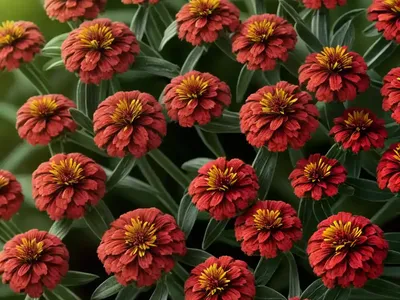
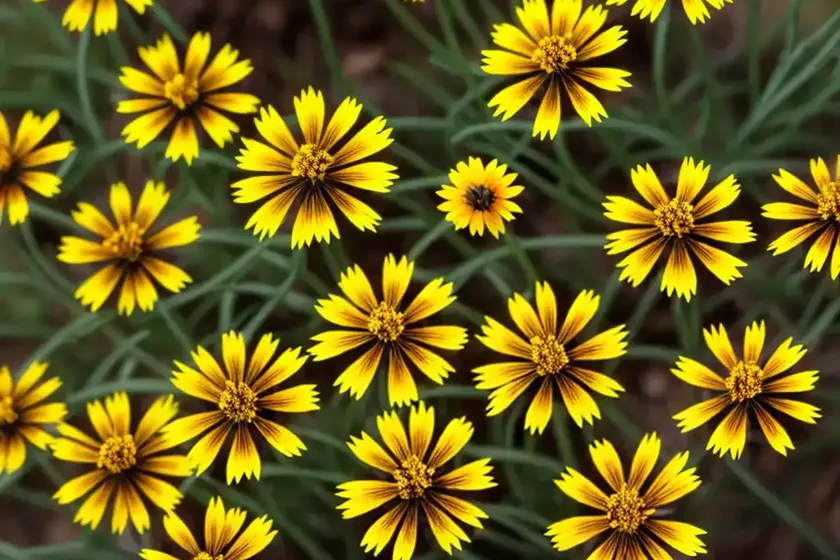
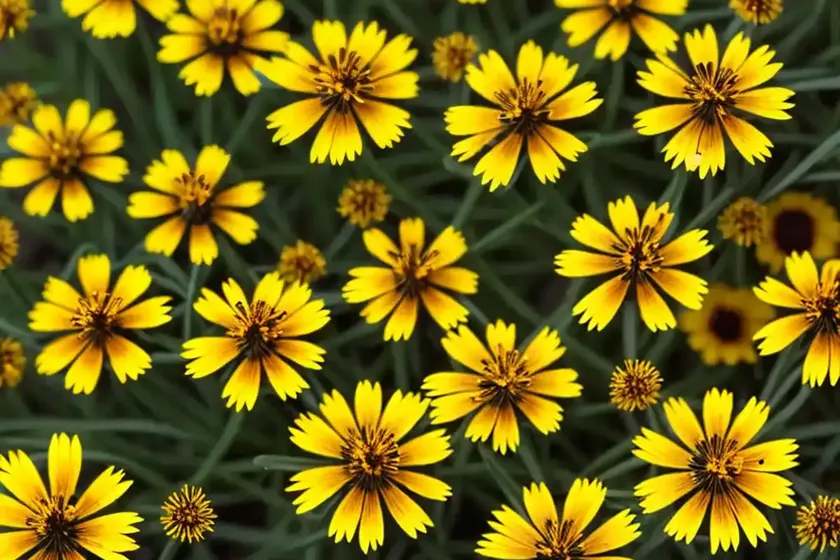
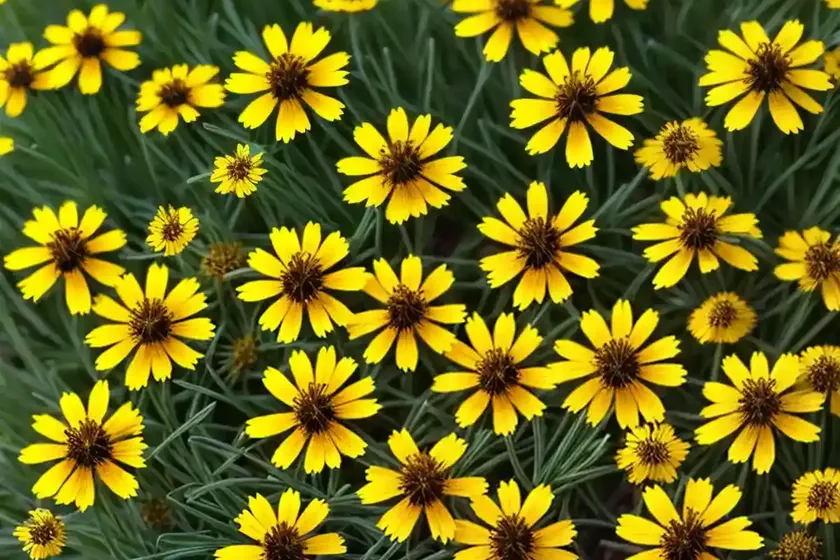
Coreopsis pubescens, commonly known as Star Tickseed, is a native North American perennial plant that belongs to the Asteraceae family. This charming species is cherished for its dainty, star-shaped flowers and its ability to thrive in a variety of environments. With its striking yellow blooms and abundant foliage, Coreopsis pubescens holds a special place in the hearts of gardeners, landscapers, and nature enthusiasts.
This enchanting plant can be identified by its slender stems, delicate leaves, and vibrant blossoms that dance gracefully in the breeze. As a perennial, it has the remarkable ability to endure harsh winters and reemerge with renewed vigor in the following seasons, making it a dependable and enduring presence in the garden.
Key Takeaways – Coreopsis pubescens (Star Tickseed)
Before we delve deeper into the specifics of nurturing Coreopsis pubescens, let’s examine some key takeaways that will provide a foundational understanding of this captivating plant:
- Native Habitat: Coreopsis pubescens is indigenous to North America, where it thrives in diverse ecosystems, ranging from open woodlands to meadows and prairies.
- Flowering Period: This perennial delights with its radiant blooms, which typically appear in late spring and continue through the summer, offering a prolonged season of natural beauty.
- Cultural Significance: Beyond its ornamental value, Coreopsis pubescens holds cultural significance as a medicinal plant, with historical uses attributed to Native American tribes and early settlers.
Now that we have familiarized ourselves with the basic elements of Coreopsis pubescens, let’s journey into the intricate world of caring for and harnessing the full potential of this wondrous plant.
Culture
Cultivating Coreopsis pubescens involves understanding and accommodating its specific cultural requirements. Whether you are an experienced gardener or a novice enthusiast, adhering to the following principles is pivotal to fostering a healthy and thriving population of Star Tickseed.
Water
Water Requirements
Coreopsis pubescens displays a moderate tolerance to drought once established, making it an excellent choice for low-maintenance landscapes and xeriscaping projects. However, it is crucial to provide consistent moisture, especially during the initial stages of establishment and during prolonged dry spells.
- Initial Establishment: Newly planted specimens benefit from regular watering to promote root development and ensure their ability to withstand drought conditions in the future.
- Established Plants: Once established, Coreopsis pubescens demonstrates resilience to moderate drought, thriving in well-drained soils without requiring excessive irrigation.
Watering Tips
To optimize the health and vigor of Coreopsis pubescens, consider the following watering tips:
– Deep Watering: Rather than frequent shallow watering, deep and infrequent watering sessions encourage the development of a robust root system and enhance the plant’s resilience to drought.
– Morning Watering: Watering in the morning allows foliage to dry thoroughly, reducing the risk of fungal diseases and ensuring optimal absorption of moisture by the roots.
Sunlight
Sun Exposure
Coreopsis pubescens is renowned for its affinity for abundant sunlight. When selecting a planting site, prioritize locations that receive full sun to partial shade, as this will ensure the plant’s prolific flowering and overall vigor.
- Full Sun: A minimum of six hours of direct sunlight is ideal for promoting profuse blooming and maintaining compact, healthy foliage.
- Partial Shade: In regions with intense heat or prolonged periods of sunlight, providing partial shade during the hottest part of the day can benefit Coreopsis pubescens, preventing sunscald and reducing moisture loss.
Sunlight Management
To optimize the sunlight exposure for Coreopsis pubescens and leverage its full potential, consider the following management strategies:
– Site Selection: When planning your garden or landscape, identify sunny locations that align with Coreopsis pubescens‘ preference for ample sunlight, taking into account the sun’s trajectory throughout the day.
– Shade Management: In regions with scorching afternoon sun, consider strategic placement near taller plants, structures, or natural features that can provide partial shade to alleviate stress on Coreopsis pubescens during the hottest periods.
Soil
Soil Requirements
Coreopsis pubescens thrives in well-drained soil with a preference for moderately fertile and slightly acidic to neutral pH conditions. Ensuring proper soil quality and composition is paramount for fostering vigorous growth and abundant flowering.
- Drainage : The plant prefers well-drained soil to avoid waterlogged conditions that can lead to root rot and other issues.
- pH : A slightly acidic to neutral pH range of 6.5 to 7.0 is optimal for Coreopsis pubescens, promoting nutrient uptake and overall vitality.
Soil Amendment
To optimize the soil conditions for Coreopsis pubescens and provide an ideal foundation for its development, consider the following soil amendment strategies:
– Organic Matter: Incorporating organic compost or well-aged manure into the soil enriches its structure and fertility, benefiting the plant’s overall health and resilience.
– Mulching: Applying a layer of organic mulch around the base of Coreopsis pubescens helps retain soil moisture, suppresses weed growth, and moderates soil temperature, creating a favorable environment for the plant’s growth.
Uses
Ornamental Value
Coreopsis pubescens shines as a captivating ornamental plant, adding a touch of natural elegance and vivacious color to gardens, landscapes, and naturalistic settings. Its abundant blooms and slender foliage make it a versatile and charming addition to diverse design motifs and horticultural compositions.
Garden Design
In garden and landscape design, the ornamental uses of Coreopsis pubescens are manifold, contributing to various design elements and applications:
- Mass Planting: Mass plantings of Coreopsis pubescens create a breathtaking display of vibrant yellow blooms, infusing the landscape with a radiant splash of color and visual appeal.
- Mixed Borders: The plant’s slender form and abundant blossoms make it an excellent choice for mixed borders, where it harmonizes with an array of ornamental grasses, perennial flowers, and shrubs, creating a dynamic and cohesive border composition.
- Rock Gardens: Coreopsis pubescens thrives in the well-drained conditions of rock gardens, where its compact growth habit and vivid flowers add a delightful accent to the rugged terrain.
Medicinal Uses
Beyond its ornamental value, Coreopsis pubescens holds historical significance as a medicinal plant, with various traditional uses attributed to different Native American tribes and early settlers.
Ethnobotanical History
Coreopsis pubescens has been historically valued for its medicinal properties, with documented uses including:
– Wound Healing: Infusions or poultices made from the plant were reportedly used to promote wound healing and alleviate discomfort.
– Relief: Traditional medicine utilized Coreopsis pubescens to address conditions such as fever, sore throat, and respiratory ailments, as well as to manage pain.
Though it is important to approach traditional uses with caution and consult knowledgeable sources, understanding this aspect of Coreopsis pubescens adds depth to our appreciation of its cultural and historical significance.
Fertilizer
Fertilization Needs
While Coreopsis pubescens is known for its adaptability to diverse soil conditions, providing appropriate fertilization can enhance its growth and floral abundance. However, it is crucial to avoid excessive fertilization, which can lead to excessive foliage growth at the expense of flowering.
Balanced Fertilizer
Selecting a balanced fertilizer with a moderate to low nitrogen content, such as a 10-10-10 formulation, can meet the nutritional needs of Coreopsis pubescens without promoting excessively lush vegetation.
- Spring Application: Apply a granular balanced fertilizer in early spring as new growth emerges, distributing it evenly around the plant’s drip line and watering thoroughly to facilitate nutrient uptake.
- Moderation: Adhere to conservative fertilization practices, as excessive nitrogen can lead to reduced flowering and overall diminished floral display.
Organic Amendments
In addition to commercial fertilizers, organic amendments can enrich the soil and provide a steady supply of nutrients to Coreopsis pubescens:
- Compost: Incorporating well-aged compost around the base of the plant contributes organic matter and microbial activity to the soil, promoting long-term fertility and enhancing the plant’s vigor.
- Organic Fertilizers: Natural fertilizers such as fish emulsion or seaweed extracts can offer a gentle and sustainable source of nutrients, fostering balanced growth and abundant flowering in Coreopsis pubescens.
Fertilization Tips
To optimize the fertilization regimen and cater to the specific needs of Coreopsis pubescens, consider the following tips for effective fertilization:
- Observation: Monitor the plant’s growth and flowering response to fertilization, adjusting the application rate or frequency based on its performance and visual indicators of nutritional adequacy.
- Soil Testing: Periodically conduct soil tests to assess nutrient levels and pH, guiding informed decisions regarding fertilization and soil amendment strategies to support the plant’s health.
Pruning
Pruning Guidelines
Pruning plays a pivotal role in maintaining the health, appearance, and longevity of Coreopsis pubescens. While this resilient plant showcases an innate ability to thrive with minimal intervention, strategic pruning practices can optimize its form, vigor, and flowering performance.
Pruning Timing
The timing of pruning sessions for Coreopsis pubescens is influenced by its growth pattern and the desired outcomes:
- Spring Pruning: In early spring, remove any damaged, diseased, or dead stems from Coreopsis pubescens, rejuvenating the plant and promoting the emergence of new growth.
- Deadheading: Regular removal of spent flowers throughout the summer encourages continuous blooming and prevents the development of seeds, redirecting the plant’s energy towards prolific flowering.
Pruning Techniques
Employing appropriate pruning techniques is essential to prevent damage and stimulate healthy growth in Coreopsis pubescens:
- Sterilization: Prior to pruning, sterilize pruning tools to minimize the risk of transmitting diseases or pathogens to the plant, using a solution of 70% isopropyl alcohol or similar disinfectant.
- Clean Cuts: Make clean and precise cuts when removing stems or spent flowers, using sharp pruning shears or scissors to minimize stress on the plant and expedite the healing process.
Pruning Considerations
When approaching the pruning of Coreopsis pubescens, it is helpful to consider the following aspects to optimize the procedure and achieve desirable results:
- Aesthetic Form: Prune Coreopsis pubescens to maintain a compact, well-branched form, allowing ample airflow and sunlight penetration to the interior of the plant.
- Remove Diseased Growth: Promptly remove any signs of disease or pest infestation during the pruning process, preventing the spread of pathogens and preserving the plant’s overall health.
Propagation
Propagation Methods
The propagation of Coreopsis pubescens offers an opportunity to expand its presence in the garden or to share its charm with fellow enthusiasts. Understanding and employing suitable propagation methods is instrumental in ensuring successful establishment and vitality of propagated specimens.
Division
Division stands as a reliable and straightforward method for propagating Coreopsis pubescens, allowing the creation of new plants from well-established specimens:
- Timing: Perform division in early spring before new growth commences, or in the fall as the plant approaches dormancy, providing ample time for the divided segments to establish before adverse conditions set in.
- Process: Carefully lift the entire plant and gently separate the root ball into sections, ensuring that each division possesses healthy roots and sufficient foliage.
Seed Propagation
The propagation of Coreopsis pubescens from seeds presents an alluring and rewarding endeavor, offering a direct insight into the plant’s life cycle and genetic diversity:
- Seed Collection: Harvest mature seeds from Coreopsis pubescens as the seed heads mature and begin to turn brown, carefully collecting and storing them in a cool, dry location until the optimal sowing time.
- Sowing: Prepare a seedbed by amending the soil with organic matter, sowing the seeds at the recommended depth, and providing even moisture to facilitate germination and the establishment of seedlings.
Propagation Tips
To maximize the success of Coreopsis pubescens propagation endeavors, consider the following tips and strategies:
- Preparation: Prior to propagation, prepare the planting site or containers with well-drained soil, ensuring optimal conditions for the establishment and growth of new plants.
- Monitoring: Maintain consistent moisture levels during seed germination and the initial growth stages of propagated divisions, protecting them from extreme weather and ensuring their transition to a new setting is as seamless as possible.
Container Popularity
Container Gardening Appeal
Coreopsis pubescens beckons to gardening enthusiasts and landscape aficionados, offering a captivating presence in container gardens that rivals its natural allure in expansive landscapes:
- Compact Form: The modest size and elegant form of Coreopsis pubescens make it an ideal candidate for container cultivation, adding a touch of vibrant charm to patios, balconies, and other confined spaces.
- Seasonal Flexibility: Containers provide the flexibility to move Coreopsis pubescens to optimal locations based on seasonal sunlight and temperature variations, ensuring continuous vitality and abundant flowering.
Container Selection
When choosing containers for Coreopsis pubescens, consider the following factors to facilitate its growth and ornamental impact:
- Drainage: Select containers equipped with ample drainage holes to prevent waterlogging and maintain healthy root conditions, enhancing the plant’s resilience to environmental stress.
- Size and Depth: Choose containers that accommodate the plant’s root system and provide sufficient space for root development and expansion, promoting overall vigor and longevity.
Container Gardening Tips
To orchestrate successful container gardening with Coreopsis pubescens, consider implementing the following tips and best practices:
- Quality Potting Mix: Utilize a high-quality, well-draining potting mix tailored for perennial plants, ensuring adequate aeration and moisture retention for the root system.
- Regular Maintenance: Monitor moisture levels, inspect for pests or diseases, and provide necessary fertilization to sustain the health and vibrancy of Coreopsis pubescens in containers.
Common Diseases
Disease Diagnosis
Coreopsis pubescens is generally resilient to diseases under favorable growing conditions, but vigilance is essential to promptly identify and address any signs of infection or plant stress:
- Fungal Diseases: Common fungal pathogens that can afflict Coreopsis pubescens include powdery mildew, which manifests as a white powdery coating on the foliage, and various leaf spot diseases that cause lesions and discoloration.
- Root Rot: Prolonged exposure to waterlogged conditions can lead to root rot in Coreopsis pubescens, resulting in wilting, yellowing foliage, and limited growth.
Disease Prevention
Implementing proactive measures to prevent diseases and mitigate potential risks is crucial for maintaining the health and vitality of Coreopsis pubescens:
- Proper Air Circulation: Plant Coreopsis pubescens with sufficient spacing to allow proper airflow and minimize the risk of fungal diseases, particularly in humid environments.
- Avoid Overhead Watering: Minimize overhead irrigation and water the plant at the base to reduce the likelihood of fungal spores germinating on the foliage.
Common Pests
Pest Management
Maintaining vigilance and adopting integrated pest management strategies are essential for safeguarding Coreopsis pubescens against common pests that can compromise its growth and aesthetic appeal:
- Aphids: These sap-sucking insects can colonize the tender stems and undersides of Coreopsis pubescens leaves, leading to stunted growth and distorted foliage.
- Spider Mites: These minuscule pests can inflict damage to Coreopsis pubescens by feeding on the undersides of leaves, causing stippling, discoloration, and webbing in severe infestations.
Natural Pest Control
Promoting a healthy and balanced ecosystem can naturally deter pests and enhance Coreopsis pubescens‘ resilience:
- Beneficial Insects: Attracting and conserving predatory insects such as ladybugs, lacewings, and parasitic wasps fosters biological pest control, keeping aphid and mite populations in check without the need for chemical intervention.
- Companion Planting: Strategically interplanting aromatic herbs and pest-repelling flowers can create a deterrent effect against common pests, benefiting Coreopsis pubescens and neighboring plants.
Botanist’s Tips
Successful Cultivation
To foster a thriving population of Coreopsis pubescens and harness its full potential in garden and landscape settings, consider the following botanist’s tips for successful cultivation:
- Ample Sunlight: Prioritize planting locations that provide abundant sunlight, optimizing the plant’s flowering performance and overall vitality.
- Moderate Irrigation: Strike a balance between providing sufficient moisture for Coreopsis pubescens while avoiding waterlogged conditions that can compromise its root health.
Wildlife Attractant
Coreopsis pubescens serves as an alluring beacon for diverse pollinators and beneficial insects, enhancing the ecological diversity of its surrounding environment:
- Pollinator Garden: Incorporate Coreopsis pubescens within pollinator-friendly gardens, attracting butterflies, bees, and other vital pollinating insects, contributing to a healthy and dynamic ecosystem.
- Wildlife Habitat: The vibrant blooms and foliage of Coreopsis pubescens provide shelter and foraging opportunities for insects and small wildlife, fostering a thriving microcosm within the landscape.
Fun Facts
Uncovering fascinating details about Coreopsis pubescens enriches our understanding and appreciation for this remarkable plant:
- Cultural Heritage: The genus name “Coreopsis” is derived from the Greek words “koris” (meaning bedbug) and “opsis” (resembling), alluding to the plant’s seeds’ supposed resemblance to the insect.
- Genus Diversity: The genus Coreopsis encompasses numerous species, each distinguished by unique characteristics and floral attributes, reflecting the extraordinary diversity within the Asteraceae family.
Links to External Resources
To further expand your knowledge and appreciation of Coreopsis pubescens and its horticultural nuances, consider exploring the following external resources: