Plant Scientist’s Guide to Coreopsis ‘Mango Punch’ (Tickseed)
In the world of gardening, Coreopsis ‘Mango Punch’ is a standout star with its vibrant blooms, easy care, and versatility in various landscapes. As a plant scientist, I cannot help but be captivated by the stunning beauty and ecological importance of this plant species. In this comprehensive guide, we will delve into everything there is to know about Coreopsis ‘Mango Punch’ – from its cultural requirements to its role in the ecosystem.
What is Coreopsis ‘Mango Punch’ (Tickseed)?
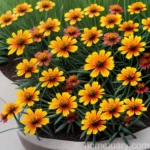
Coreopsis ‘Mango Punch’, commonly known as Tickseed, is a striking perennial plant that belongs to the Asteraceae family. This cultivar is celebrated for its exceptional beauty, bearing daisy-like flowers in hues of vibrant orange and deep red, reminiscent of a tropical sunset. The plant typically grows in a mounding habit, adorned with delicate fern-like foliage, and can reach a height of 12 to 18 inches with a spread of 18 to 24 inches.
Originally native to North America, Coreopsis ‘Mango Punch’ has garnered immense popularity among gardeners for its extended flowering period, from early summer to fall, and its adaptability to a wide range of growing conditions. With its captivating blossoms and low-maintenance nature, it is no wonder that this variety has become a favored choice for both professional landscapers and home gardeners alike.
Key Takeaways – Coreopsis ‘Mango Punch’ (Tickseed)
Before we delve into the specifics of caring for Coreopsis ‘Mango Punch’, here are the key takeaways for quick reference:
- Common Name: Coreopsis ‘Mango Punch’ (Tickseed)
- Botanical Name: Coreopsis ‘Mango Punch’
- Plant Type: Herbaceous perennial
- Mature Height: 12 to 18 inches
- Mature Spread: 18 to 24 inches
- Bloom Time: Early summer to fall
- Flower Colors: Vibrant shades of orange and red
- Sunlight: Full sun to partial shade
- Watering Needs: Moderate
- Soil Type: Well-drained, fertile soil
- Hardiness Zones: 5 to 9
Now, let’s explore the cultural requirements, uses, and maintenance tips for successfully growing and enjoying Coreopsis ‘Mango Punch’.
Culture
Water
Coreopsis ‘Mango Punch’ thrives best in moderately moist soil. It is essential to establish a regular watering routine during the plant’s establishment phase, typically the first growing season. While it is important to keep the soil consistently moist, it is equally crucial to avoid waterlogging, as this may lead to root rot and other soil-borne diseases. Once the plant is well-established, it exhibits good drought tolerance and requires less frequent watering, making it an excellent choice for low-maintenance landscapes.
Sunlight
In terms of sunlight requirements, Coreopsis ‘Mango Punch’ truly shines when grown in full sun. Placing the plant in a location that receives at least 6 to 8 hours of direct sunlight daily will result in the most prolific flowering and robust growth. However, it can also tolerate partial shade, particularly in regions with intense afternoon sun or during exceptionally hot summers.
Fertilizer
Fertilizing Coreopsis ‘Mango Punch’ should be approached with moderation. Excessive fertilization can lead to leggy growth and reduced flowering. A balanced, slow-release fertilizer applied in early spring, just as new growth emerges, can provide the necessary nutrients for healthy development. Additionally, organic matter such as well-aged compost can be incorporated into the soil to enhance its fertility and structure, thereby reducing the reliance on synthetic fertilizers.
Soil
This cultivar thrives in well-drained, fertile soil. Amending the planting area with organic matter, such as compost or peat moss, can significantly enhance the soil’s quality, promoting better growth and flowering. The pH of the soil should ideally range from slightly acidic to neutral, approximately between 6.0 and 7.0. Ensuring adequate drainage is crucial, as it prevents waterlogged conditions that can be detrimental to the plant’s health.
Pruning
Pruning Coreopsis ‘Mango Punch’ is relatively straightforward and primarily revolves around deadheading spent blooms to encourage continuous flowering throughout the season. By removing faded flowers promptly, the plant redirects its energy towards producing new blooms, extending the floral display and overall bloom time. Additionally, a light pruning in early spring, before new growth emerges, can help maintain a tidy and compact growth habit.
Propagation
Propagation of Coreopsis ‘Mango Punch’ can be achieved through several methods, including division, stem cuttings, and seed germination. Here’s an overview of each propagation method:
- Division: The plant can be divided in early spring or fall, separating the clumps into smaller sections, each containing roots and shoots. These divisions can then be replanted in appropriate locations, ensuring that they receive adequate moisture and care during the establishment phase.
- Stem Cuttings: Stem cuttings taken from healthy, non-flowering shoots can be rooted in a well-draining potting mix, typically a mix of peat and perlite. Once rooted, the young plants can be transplanted into individual containers or directly into the garden.
- Seed Germination: Coreopsis ‘Mango Punch’ produces small, elongated seeds that can be sown directly into the garden soil or started indoors in seed-starting trays. Providing consistent moisture and warmth during the germination process can help improve the success rate of seed propagation.
Container Popularity
Coreopsis ‘Mango Punch’ is well-suited for container cultivation, making it an excellent choice for small gardens, balconies, and patios. When grown in containers, the plant’s size, vibrant blooms, and extended flowering period bring an added charm to the outdoor living spaces. Additionally, container-grown Coreopsis ‘Mango Punch’ can be easily moved to different locations to showcase its colorful blooms or to protect it from extreme weather conditions.
Common Diseases
Disease Diagnosis
Like many plant species, Coreopsis ‘Mango Punch’ can be susceptible to certain diseases, particularly those caused by fungal pathogens. It is important to monitor the plant regularly for any signs of disease, including wilting, yellowing foliage, or the presence of powdery mildew on the leaves. Prompt identification of the specific disease symptoms is crucial for implementing targeted management strategies to minimize the impact on the plant’s health.
Common Pests
Coreopsis ‘Mango Punch’ generally exhibits good resistance to most insect pests. However, aphids, spider mites, and thrips may occasionally pose a threat to the plant, particularly during periods of stress or when growing conditions are suboptimal. Regularly inspecting the foliage and stems for signs of pest activity, such as distorted growth, stippling, or the presence of tiny insects, enables early intervention through appropriate control measures, including natural predators or horticultural oils.
Botanist’s Tips
As a plant scientist, I am thrilled to share some expert tips for successfully cultivating and appreciating Coreopsis ‘Mango Punch’:
- Encourage Pollinators: Coreopsis ‘Mango Punch’ is highly attractive to pollinators, including bees and butterflies. By incorporating this plant into the landscape, one can significantly contribute to supporting local pollinator populations.
- Companion Planting: Pairing Coreopsis ‘Mango Punch’ with other sun-loving perennials and ornamental grasses can create visually appealing combinations that offer differing textures, heights, and complementary colors, enhancing the overall aesthetic of the garden.
- Seasonal Care: While the plant exhibits good adaptability, providing additional mulch around its base during the winter months can offer protection from extreme cold and fluctuations in soil temperature, particularly in regions at the edge of its hardiness zone.
- Drought Tolerance: When grown in regions prone to prolonged dry spells, proper mulching and occasional deep watering during extended periods of drought can help maintain the plant’s vitality and flowering performance.
Fun Facts
- The name “Coreopsis” is derived from the Greek words “koris,” meaning “bedbug,” and “opsis,” meaning “like,” referring to the shape of the plant’s seeds that are believed to resemble bedbugs.
- Coreopsis ‘Mango Punch’ is recognized for its vibrant flowers that make it an attractive addition to native and wildflower gardens, as well as formal landscapes.
Links to External Resources
To further expand your knowledge and understanding of Coreopsis ‘Mango Punch’, here are some valuable resources worth exploring:
- The American Horticultural Society: Coreopsis Plant Care
- Missouri Botanical Garden: Coreopsis Cultivation Guide
- Royal Horticultural Society: Growing Coreopsis in the Garden
In concluding the first part of our comprehensive guide, we have explored the cultural requirements and key features of Coreopsis ‘Mango Punch’. In the next section, we will continue to unravel the diverse uses, ecological significance, and further care tips for this remarkable plant.
Stay tuned for the next part of this series, where we’ll explore the landscape uses, companion planting, and the ecological role of Coreopsis ‘Mango Punch’!