Bletilla Formosana (Taiwan Ground Orchid)
Bletilla formosana, commonly known as the Taiwan Ground Orchid, is a stunning perennial plant that belongs to the Orchidaceae family. This exquisite orchid.
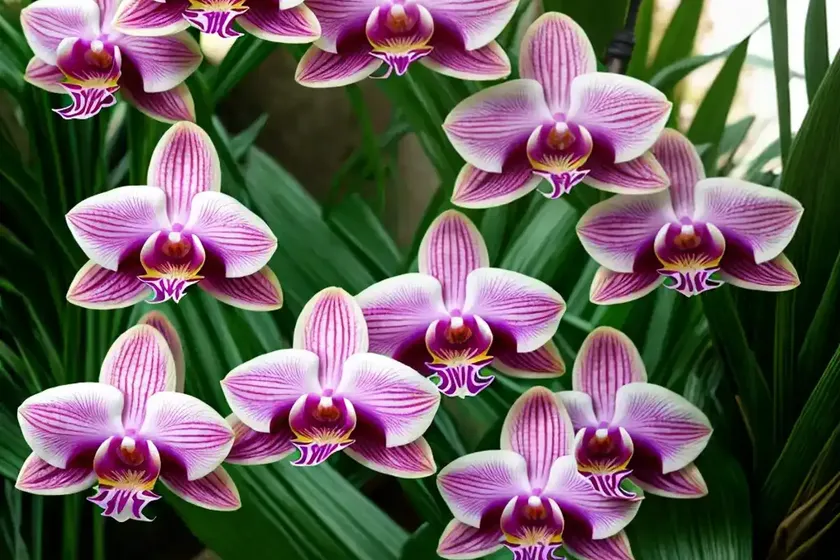
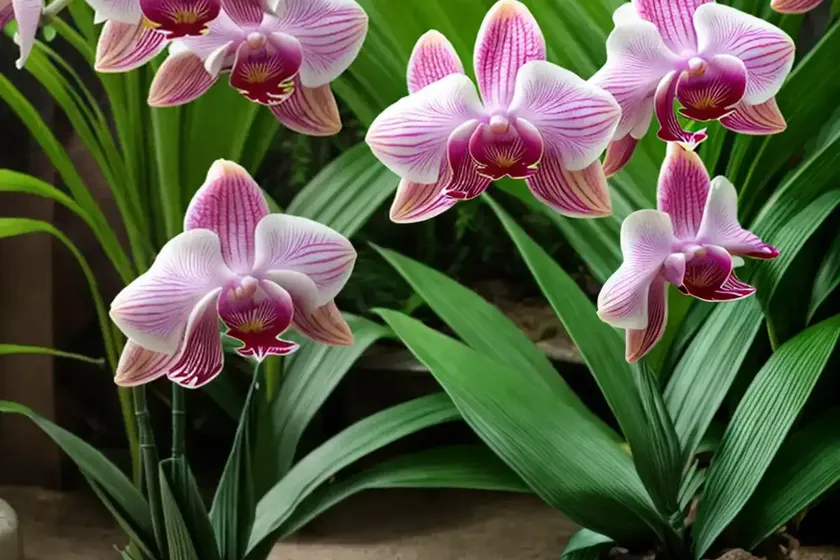
Bletilla formosana, commonly known as the Taiwan Ground Orchid, is a stunning perennial plant that belongs to the Orchidaceae family. This exquisite orchid is native to the forests and grassy slopes of Taiwan, thriving in the cool, moist, and shaded environments of its natural habitat. With its striking flowers and relatively low maintenance requirements, Bletilla formosana has gained popularity among gardeners and plant enthusiasts.
In this comprehensive guide, we will delve into the various aspects of caring for and cultivating Bletilla formosana, as well as explore its cultural significance, uses, and the essential elements needed for its optimal growth. Whether you are a seasoned orchid aficionado or a novice gardener looking to add a touch of elegance to your garden, this article will provide you with valuable insights into the world of Bletilla formosana.
What is Bletilla formosana (Taiwan Ground Orchid)?
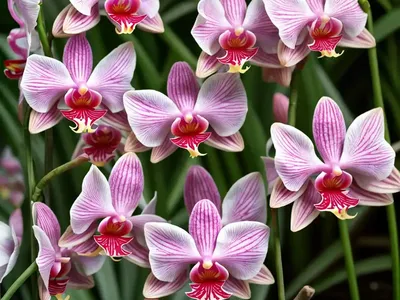
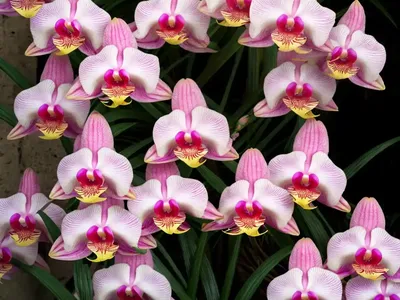
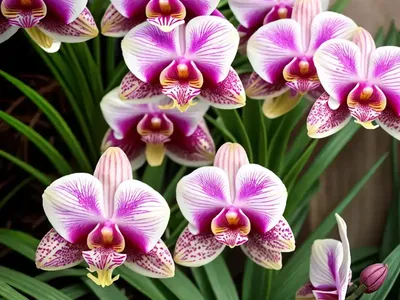
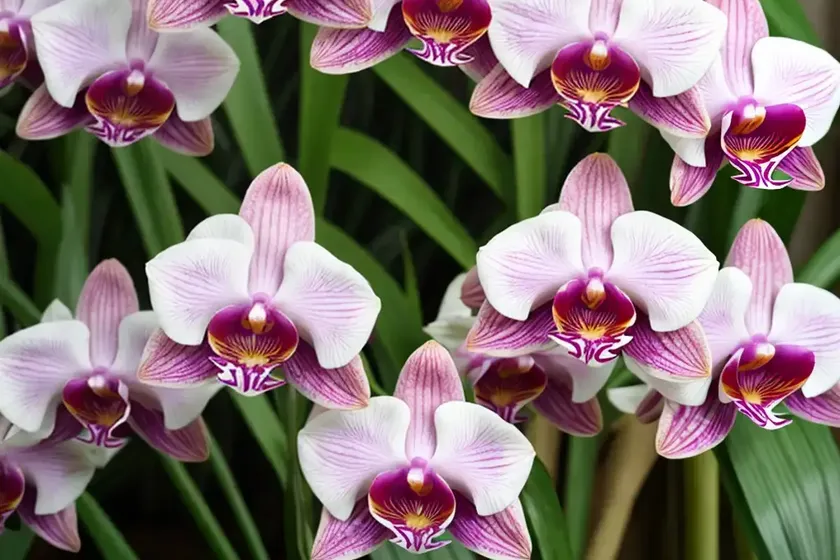
Bletilla formosana, sometimes referred to as the Chinese Ground Orchid, features graceful, sword-shaped leaves and delicate, orchid-like flowers that bloom in vibrant shades of pink, purple, and occasionally white. This terrestrial orchid typically grows to a height of about 30-40 centimeters and produces pseudobulbs, which serve as storage organs for nutrients and water. The pseudobulbs are essential for the plant’s survival during periods of dormancy.
In addition to its aesthetic appeal, Bletilla formosana has historical and cultural significance, particularly in traditional Chinese medicine and horticulture. The plant’s rhizomes have been used in herbal remedies for their purported medicinal properties, and its captivating blooms have made it a sought-after ornamental plant in gardens and landscapes around the world.
Key Takeaways – Bletilla formosana (Taiwan Ground Orchid)
Before we delve deeper into the specific care and cultivation practices for Bletilla formosana, let’s take a moment to highlight some key takeaways about this captivating orchid.
- Scientific Name: Bletilla formosana
- Common Names: Taiwan Ground Orchid, Chinese Ground Orchid
- Family: Orchidaceae
- Native Habitat: Taiwan, East Asia
- Plant Type: Perennial Herbaceous Orchid
- Flower Colors: Pink, Purple, White
- Height: 30-40 cm
- Uses: Ornamental, Medicinal
- Cultural Significance: Traditional Chinese Medicine, Horticulture
Now that we have a general overview of Bletilla formosana, let’s explore the specific cultural and care requirements for cultivating this enchanting orchid.
Culture
Bletilla formosana’s cultural requirements encompass various factors that are crucial for its overall health and vitality. From the ideal growing conditions to its historical uses, understanding the cultural context surrounding this orchid is essential for successfully nurturing it in a garden or indoor setting.
Uses
Ornamental Use
Bletilla formosana is primarily cultivated for its ornamental value. The exquisite, orchid-like flowers and graceful foliage make it a popular choice for adding color and visual interest to gardens, borders, and even container displays. Whether grown as a standalone specimen or combined with other plants in mixed borders, the Taiwan Ground Orchid lends a touch of elegance to any setting.
Beyond its visual appeal, Bletilla formosana holds cultural significance in traditional Chinese gardens, where it is admired for its beauty and association with natural harmony.
Medicinal Use
In traditional Chinese medicine, the rhizomes of Bletilla formosana have been used for their purported medicinal properties. While the scientific evidence supporting these claims is limited, the plant’s historical use in herbal remedies has contributed to its cultural significance and continued interest in its potential health benefits.
Water
Proper watering is essential for the healthy growth and development of Bletilla formosana. As a terrestrial orchid, it requires consistently moist but well-draining soil to thrive. The following guidelines can help ensure appropriate watering practices for this orchid:
- Establishing Moisture Balance: Maintain a balance between adequate soil moisture and good drainage. The goal is to provide enough water to keep the soil consistently moist without allowing it to become waterlogged.
- Rainwater or Filtered Water: If possible, use rainwater or filtered water to prevent the accumulation of salts and impurities that might adversely affect the plant’s roots.
- Monitoring Watering Frequency: During the active growing season, regularly check the moisture levels in the soil. Water the plant when the top inch of the soil feels slightly dry to the touch.
- Adjusting Watering in Dormancy: When Bletilla formosana enters its dormancy period, typically in late fall or early winter, reduce the frequency of watering while ensuring that the pseudobulbs do not become completely desiccated.
Sunlight
Proper sunlight exposure is crucial for the growth and blooming of Taiwan Ground Orchids. Although they thrive in shaded environments, they require adequate light to support the development of healthy foliage and vibrant flowers. Here are some key considerations for providing the right amount of sunlight to Bletilla formosana:
- Partial Shade: Bletilla formosana prefers partial shade, particularly in regions with hot and intense sunlight. Filtered light or dappled sunlight that provides shade during the hottest part of the day is ideal for these orchids.
- Morning Sun Exposure: In cooler climates, the orchids can tolerate a bit more direct sunlight, especially during the morning hours. However, prolonged exposure to intense midday or afternoon sun should be avoided.
- Indoor Cultivation: When grown indoors, place the orchids near east or west-facing windows where they can receive bright, indirect light. Inadequate light may result in weak growth and poor flowering.
Fertilizer
Proper fertilization is essential for supporting the growth, health, and blooming of Bletilla formosana. While these orchids are not heavy feeders, they can benefit from periodic fertilization during the active growing season. Here are some key points to keep in mind when fertilizing Taiwan Ground Orchids:
- Balanced Fertilizer: Use a balanced, water-soluble fertilizer with a formulation such as 20-20-20 or 10-10-10. This will provide the plant with essential macronutrients for balanced growth.
- Frequency of Application: Apply fertilizer at half-strength every 2-4 weeks during the growing season, from spring to early fall. Reduce or cease fertilization during the dormant period.
- Avoid Over-fertilization: Over-fertilizing can lead to salt buildup in the soil and may damage the plant’s roots. Always follow the recommended dilution rates and frequency of application specified on the fertilizer label.
Soil
Bletilla formosana thrives in well-draining soil that provides adequate moisture retention without becoming waterlogged. When cultivating these orchids, it is important to provide the right soil conditions to support their growth and development. Consider the following guidelines when selecting or preparing the soil for planting Bletilla formosana:
- Well-Draining Medium: Use a well-draining potting mix that consists of a combination of organic matter, such as peat moss or coconut coir, and inorganic materials, such as perlite or coarse sand.
- pH Level: Bletilla formosana prefers slightly acidic to neutral soil with a pH range of 5.5-6.5. Conduct a soil pH test and make adjustments if necessary to create an optimal growing environment.
- Amendments for Garden Planting: When incorporating Bletilla formosana into garden beds, consider adding organic compost or well-rotted manure to improve soil structure and fertility.
Pruning
Pruning plays a crucial role in maintaining the health, appearance, and blooming performance of Bletilla formosana. Proper pruning techniques can help manage the plant’s growth, remove spent blooms, and promote the development of new flowers. Here are some key points to consider when pruning Taiwan Ground Orchids:
- Deadheading Spent Blooms: Remove faded or spent flowers promptly to prevent the plant from expending energy on seed production. Deadheading also encourages the orchid to produce additional blooms.
- Trimming Foliage: Trimming back any yellowing or damaged foliage can help maintain the plant’s overall appearance and reduce the risk of disease or pest infestation.
- Division of Clumps: Over time, Bletilla formosana may form dense clumps of rhizomes. Dividing these clumps every few years can rejuvenate the plants and promote better growth and flowering.
Propagation
Propagating Bletilla formosana can be an enriching experience for gardeners who wish to expand their orchid collection or share these exquisite plants with fellow enthusiasts. The following propagation methods can be employed to increase the number of Taiwan Ground Orchids:
- Division: The most common and straightforward method of propagating Bletilla formosana is by dividing the rhizomes. This is typically done in late winter to early spring, just before the plant enters its active growth phase. Gently separate the rhizomes and ensure that each division has several healthy growth points.
- Seed Propagation: While less commonly practiced due to the time and patience required, Bletilla formosana can also be propagated from seeds. Collect mature seed capsules from the plant, sow the seeds in a well-draining medium, and provide the appropriate environmental conditions for germination and early growth.
Container Popularity
The versatility and relatively compact size of Bletilla formosana make it well-suited for container cultivation, allowing gardeners with limited space to enjoy the beauty of these orchids on patios, balconies, or in small gardens. When grown in containers, the following tips can help optimize the growing conditions for Taiwan Ground Orchids:
- Container Size: Select containers that provide ample space for the orchid’s roots to spread and grow. A depth of at least 8-10 inches and adequate drainage holes are essential for the plant’s health.
- Well-Draining Potting Mix: Use a high-quality potting mix designed for orchids or prepare a custom blend that provides excellent drainage and aeration for the roots.
- Positioning: Place the containers in locations that offer the right balance of sunlight and shade, such as partially shaded areas or spots that receive morning sun and afternoon shade.
Common Diseases
While Bletilla formosana is generally resilient, it can be susceptible to certain diseases and issues that may affect its growth and flowering. Understanding the common diseases that can afflict Taiwan Ground Orchids is essential for implementing preventive measures and timely interventions. Some of the common diseases include:
- Fungal Diseases: Orchids such as Bletilla formosana may be vulnerable to fungal infections, including root rot and leaf spot diseases. Proper watering practices, well-draining soil, and good air circulation can help prevent these issues.
- Bacterial Rot: Bacterial infections can lead to rotting of the pseudobulbs and roots. Maintain good hygiene practices and promptly remove any affected plant parts to prevent the spread of the infection.
- Viral Diseases: While less common, viral diseases can affect orchids and manifest as abnormal leaf patterns, stunted growth, or discoloration. There are no specific treatments for viral diseases, so prevention through sanitation and avoiding the use of contaminated tools is crucial.
Disease Diagnosis
Diagnosing diseases in Bletilla formosana involves careful observation of the plant’s symptoms, including changes in foliage, flower quality, and overall growth. In cases where the plant exhibits signs of disease or distress, it is important to take the following steps:
- Visual Inspection: Regularly inspect the leaves, pseudobulbs, and flowers for any unusual spots, discoloration, or deformities.
- Consulting Experts: If uncertain about a particular plant condition or symptom, seek guidance from experienced orchid growers, plant pathologists, or horticulturists who can offer insights into disease diagnosis and management.
Common Pests
In addition to diseases, Bletilla formosana may encounter various pests that could impact its health and vigor. Understanding the common pests that may target Taiwan Ground Orchids is crucial for implementing pest control measures and protecting the plants. Some of the pests to watch out for include:
- Aphids: These small, sap-sucking insects can cluster on the undersides of leaves and damage the plant by feeding on its sap. Monitor for aphid infestations and employ organic pest control methods if necessary.
- Snails and Slugs: These mollusks can feed on the foliage and flowers of Bletilla formosana, leading to unsightly damage. Consider using physical barriers or environmentally safe deterrents to protect the plants.
- Spider Mites: These tiny arachnids can infest orchids and cause stippling or discoloration of the leaves. Maintain proper humidity and consider natural predators or safe miticides to manage spider mite populations.
Botanist’s Tips
As a plant scientist and enthusiast, I offer the following tips for the successful cultivation and care of Bletilla formosana:
- Observe Orchid’s Response: Develop a keen sense of observation and learn to interpret the plant’s responses to environmental conditions, including changes in water, light, and temperature.
- Experiment with Cultivation: Orchids can exhibit unique preferences, so don’t hesitate to experiment with different growing conditions to uncover what works best for your Taiwan Ground Orchids.
- Practice Patience: Growing and caring for Bletilla formosana may require patience and persistence, especially when it comes to propagation, establishment, and waiting for the plants to reach full maturity.
Fun Facts
To further appreciate the beauty and allure of Bletilla formosana, here are some captivating fun facts about the Taiwan Ground Orchid:
- Wild Habitat: In its natural habitat in Taiwan, Bletilla formosana thrives in the understory of forests and damp grassy slopes.
- Cultural Symbolism: In traditional Chinese culture, orchids symbolize refinement, elegance, and humility, making them highly revered and cherished.
- Diversity of Species: The genus Bletilla comprises several species, each with its unique characteristics and geographical distribution.
- Orchid Family: With over 25,000 documented species, Orchidaceae is one of the largest and most diverse families of flowering plants in the world.
Links to External Resources
For further exploration of Bletilla formosana and related topics, the following external resources offer valuable information and insights:
- American Orchid Society: Growing Orchids
- Royal Horticultural Society: Orchids
- Missouri Botanical Garden: Orchid Conservation and Research
Conclusion
In conclusion, Bletilla formosana, or the Taiwan Ground Orchid, presents a captivating subject for horticulturists and plant enthusiasts alike. With its striking flowers, rich cultural heritage, and relatively manageable care requirements, it has earned a special place in gardens, landscapes, and even traditional Chinese medicine. By understanding and implementing the cultural practices, such as watering, sunlight, fertilizer usage, and more, outlined in this guide, you can enjoy the beauty and grace of Bletilla formosana in your own horticultural pursuits. As with any plant, continuous learning, observation, and a touch of patience are key elements in nurturing these remarkable orchids to their fullest potential.