Coreopsis grandiflora (Large Flower Tickseed): A Comprehensive Guide
Introduction
Plants are fascinating organisms that play a crucial role in the ecosystem. A diverse range of plants exists, each with its unique characteristics and requirements. One such plant is the Coreopsis grandiflora, commonly known as the Large Flower Tickseed. In this comprehensive guide, we will delve into the various aspects of this beautiful plant, including its culture, uses, maintenance, common diseases, pests, and much more.
What is Coreopsis grandiflora (Large Flower Tickseed)?
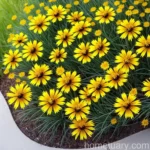
Coreopsis grandiflora is a species of flowering plant in the family Asteraceae, native to the eastern United States. It is a herbaceous perennial with bright and colorful flowers that make it a popular choice for gardeners and landscapers. The plant typically produces an abundance of daisy-like flowers and exhibits a robust and vigorous growth habit.
Key Takeaways – Coreopsis grandiflora (Large Flower Tickseed)
Before we explore the various aspects of Coreopsis grandiflora, let’s provide a quick overview of the key takeaways regarding this plant:
- Scientific Name: Coreopsis grandiflora
- Common Name: Large Flower Tickseed
- Plant Type: Herbaceous Perennial
- Native Habitat: Eastern United States
- Flower Characteristics: Daisy-like, colorful blooms
- Growth Habit: Vigorous and robust
- Uses: Ornamental gardening, landscaping
- Maintenance: Low maintenance, easy to grow
Now that we have a basic understanding of this plant, let’s delve into its culture, uses, and the specific requirements for its successful growth.
Culture of Coreopsis grandiflora
Water
Coreopsis grandiflora is a relatively low-maintenance plant, and its water requirements reflect this characteristic. While it is important to keep the soil consistently moist, the plant is also tolerant of drought conditions once established. Overly wet or waterlogged soil can lead to root rot, so it’s crucial to ensure well-draining soil to prevent water-related issues.
Sunlight
One of the key aspects of Coreopsis grandiflora culture is its sunlight requirements. This plant thrives in full sun to partial shade, making it an excellent choice for gardens and landscapes with varying light conditions. Adequate sunlight is essential for promoting prolific flowering and maintaining the plant’s overall health and vigor.
Soil
The soil requirements of Coreopsis grandiflora are relatively adaptable, but it thrives in well-draining, fertile soil. A slightly acidic to neutral pH range is suitable for optimal growth, and incorporating organic matter into the soil can provide the necessary nutrients for healthy development.
Fertilizer
While Coreopsis grandiflora is not overly demanding when it comes to fertilization, supplementing the soil with a balanced, slow-release fertilizer in the spring can encourage robust growth and abundant flowering. It is important not to over-fertilize, as this can lead to excessive vegetative growth at the expense of flower production.
Pruning
Pruning can help maintain the shape and vigor of Coreopsis grandiflora while also promoting continuous flowering. Deadheading spent blooms and trimming back leggy growth can encourage the plant to produce new flowers and maintain a tidy appearance. Additionally, pruning can help prevent the plant from becoming overly crowded and enhance air circulation around the foliage.
Uses of Coreopsis grandiflora
Coreopsis grandiflora is primarily used for ornamental purposes, adding vibrant color and visual interest to gardens, landscapes, and floral arrangements. Its cheerful flowers and low-maintenance nature make it a versatile plant with various potential uses:
- Garden Beds: Large Flower Tickseed is often used as a border plant or massed in garden beds to create a striking display of color.
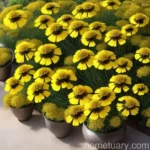
- Containers: Due to its compact growth habit, Coreopsis grandiflora is well-suited for container gardening, adding a burst of color to patio areas and outdoor living spaces.
- Cut Flowers: The long stems and abundant blooms of Coreopsis grandiflora make it an excellent choice for cut flower arrangements, bringing the beauty of the outdoors indoors.
- Pollinator Gardens: The nectar-rich flowers of Coreopsis grandiflora attract various pollinators, making it a valuable addition to pollinator-friendly gardens and wildlife habitats.
- Landscaping: Whether used in formal landscapes or naturalistic settings, Large Flower Tickseed contributes to a diverse range of landscaping designs, adding visual appeal and ecological benefits.
The versatile uses of Coreopsis grandiflora make it a cherished plant among gardeners, landscape designers, and nature enthusiasts alike.
Propagation of Coreopsis grandiflora
Division
Dividing established clumps of Coreopsis grandiflora is a common method of propagation. This process involves separating the plant into smaller sections, each with its own root system, and transplanting them to new locations. Division is typically carried out in the early spring or fall when the plant is not in active growth.
Seed
Growing Coreopsis grandiflora from seed is another viable propagation method. Collecting and sowing seeds can yield new plants with genetic diversity, potentially resulting in unique flower colors and characteristics. Sowing seeds in well-prepared soil and providing appropriate moisture and sunlight can facilitate successful germination and establishment.
Cuttings
Taking stem cuttings from Coreopsis grandiflora is a more advanced propagation technique but can be rewarding when done effectively. Selecting healthy, non-flowering shoots and rooting them in a suitable growing medium under controlled conditions can produce new plants with identical characteristics to the parent plant.
Propagation allows for the expansion of plant populations and the dissemination of Coreopsis grandiflora to new areas, contributing to its conservation and horticultural availability.
Popularity of Coreopsis grandiflora in Container Gardening
The adaptability and visual appeal of Coreopsis grandiflora make it a favored choice for container gardening. Its compact growth habit, vibrant flowers, and low maintenance requirements align perfectly with the needs of container plants. Large Flower Tickseed can be incorporated into container designs in various ways:
- Solo Feature: Planted as a standalone specimen in a decorative container, showcasing its blooms and foliage as a focal point.
- Mixed Plantings: Combined with other compatible plants to create diverse and visually appealing container arrangements, incorporating complementary colors, textures, and growth habits.
- Vertical Gardens: Utilized in vertical gardening structures such as trellises or hanging planters to add a vertical element to container displays.
- Seasonal Displays: Incorporated into seasonal container displays, transitioning with the changing seasons and providing year-round interest.
The popularity of Coreopsis grandiflora in container gardening underscores its versatility and aesthetic value in various horticultural contexts.
Common Diseases of Coreopsis grandiflora
While Coreopsis grandiflora is generally resilient, it can be susceptible to certain diseases under unfavorable growing conditions or environmental stressors. Being aware of common diseases and their symptoms is crucial for effective management and mitigation. Some of the key diseases that may affect Large Flower Tickseed include:
Powdery Mildew
Powdery mildew can manifest as a powdery white coating on the leaves and stems of Coreopsis grandiflora. It is often caused by environmental factors such as high humidity and poor air circulation. Applying fungicidal treatments and improving growing conditions can help control powdery mildew.
Root Rot
Excessive soil moisture and poor drainage can lead to root rot in Coreopsis grandiflora, resulting in wilting, yellowing foliage, and stunted growth. Proper watering practices and well-draining soil are essential for preventing and managing this disease.
Leaf Spot
Fungal pathogens can cause leaf spot on Coreopsis grandiflora, leading to the development of lesions or spots on the foliage. Removing and disposing of affected plant material and applying fungicidal sprays can assist in managing leaf spot diseases.
Botrytis Blight
Botrytis blight, also known as gray mold, can affect the flowers and foliage of Coreopsis grandiflora, causing browning, wilting, and decay. Pruning infected plant parts, enhancing air circulation, and minimizing overhead watering can help prevent the spread of botrytis blight.
Aster Yellows
Aster yellows is a phytoplasma disease that can impact the overall health and vigor of Coreopsis grandiflora, leading to distorted growth, yellowing of foliage, and abnormal flower development. Eliminating infected plants and controlling insect vectors can contribute to aster yellows management.
Disease Diagnosis and Management for Coreopsis grandiflora
Diagnosing and managing diseases in Coreopsis grandiflora requires a proactive and integrated approach to ensure the plant’s health and vitality. Effective disease diagnosis involves careful observation of symptoms, identification of causal agents, and timely intervention. When dealing with potential diseases, the following steps can help in the diagnosis and management process:
- Symptom Identification: Thoroughly inspect the plant for any abnormal symptoms such as discoloration, wilting, lesions, or unusual growth patterns.
- Causal Agent Examination: Identify potential disease-causing agents, including fungi, bacteria, or pests, through visual examination or laboratory analysis if necessary.
- Cultural Practices: Implement cultural practices that promote plant health, including appropriate watering, soil management, and optimal growing conditions to prevent disease development.
- Integrated Pest Management (IPM): Incorporate IPM strategies to minimize pest pressure, as pests can often exacerbate plant diseases or serve as vectors for pathogens.
- Treatment Selection: Select targeted treatments such as fungicides, bactericides, or biological controls based on the specific disease diagnosis and recommended management practices.
- Preventive Measures: Emphasize preventive measures such as sanitation, proper plant spacing, and regular monitoring to reduce the likelihood of disease recurrence.
Being proactive and attentive to the health of Coreopsis grandiflora can contribute to successful disease diagnosis and integrated management, ultimately supporting the plant’s longevity and performance.
Common Pests Affecting Coreopsis grandiflora
In addition to diseases, Coreopsis grandiflora may also experience pest pressures that can affect its growth and overall condition. Understanding the common pests and their impact on the plant is essential for implementing effective pest management strategies. Some of the noteworthy pests that may infest Large Flower Tickseed include:
Aphids
Aphids are small, sap-feeding insects that can cluster on the tender shoots and foliage of Coreopsis grandiflora, causing distortion, yellowing, and stunted growth. Controlling aphid populations through physical removal, insecticidal soaps, or natural predators can help mitigate their impact.
Spider Mites
Spider mites are tiny arachnids that can infest Coreopsis grandiflora, causing stippling, webbing, and overall decline of the plant. Regular monitoring and horticultural oils or miticides can aid in managing spider mite infestations.
Whiteflies
Whiteflies are small, flying insects that can congregate on the undersides of Coreopsis grandiflora leaves, leading to yellowing, wilting, and reduced vigor. Utilizing reflective mulches, insecticidal treatments, or natural enemies can assist in whitefly control.
Thrips
Thrips are slender, winged insects that feed on the flowers and foliage of Coreopsis grandiflora, causing stippling, distortion, and silvery patches. Implementing cultural practices and targeted insecticides can help manage thrips populations.
Slugs and Snails
Slugs and snails can feed on the tender foliage and flowers of Coreopsis grandiflora, resulting in ragged edges, holes, and aesthetic damage. Using physical barriers, baits, or traps can aid in reducing slug and snail feeding.
Botanist’s Tips for Growing Coreopsis grandiflora
As a plant scientist specializing in ornamental horticulture, I have curated a set of botanical tips for successfully growing Coreopsis grandiflora:
- Selecting the Right Location: Choose a planting location with well-draining soil and ample sunlight to optimize the growth and flowering of Large Flower Tickseed.
- Proper Watering: Practice consistent, moderate watering to keep the soil evenly moist without leading to waterlogging or drought stress.
- Soil Enrichment: Incorporate organic matter such as compost or well-decomposed manure into the soil to enhance fertility and provide essential nutrients.
- Maintenance Techniques: Regular deadheading and light pruning can encourage continuous blooming and maintain the plant’s overall appearance.
- Pest and Disease Monitoring: Routinely inspect Coreopsis grandiflora for signs of pests and diseases, implementing appropriate control measures as needed.
- Companion Planting: Pair Large Flower Tickseed with compatible companion plants to create aesthetically pleasing and ecologically beneficial garden compositions.
- Seasonal Considerations: Consider the seasonal requirements of Coreopsis grandiflora, adjusting maintenance and care practices to accommodate changing environmental conditions.
- Wildlife Support: Embrace the role of Coreopsis grandiflora in supporting pollinators and wildlife, contributing to ecological diversity and balance.
Following these botanical tips can enhance the success of growing Coreopsis grandiflora and contribute to the enjoyment and sustainability of ornamental landscapes.
Fun Facts about Coreopsis grandiflora
While exploring the world of Coreopsis grandiflora, it’s fascinating to uncover some fun and interesting facts about this captivating plant:
- Butterfly Magnet: Large Flower Tickseed is known for its attractiveness to butterflies, adding a delightful flutter of color and activity to the garden.
- Long Blooming Season: Coreopsis grandiflora is celebrated for its extended blooming period, providing a prolonged showcase of vibrant flowers throughout the growing season.
- Deer Resistant: This plant exhibits a certain level of resistance to deer browsing, making it a valuable addition to landscapes prone to deer feeding.
- Low Allergen: The pollen of Coreopsis grandiflora is less likely to trigger allergies, making it a suitable choice for allergy-sensitive individuals.
- Native Landscaping: Incorporating Large Flower Tickseed in native plant landscaping promotes biodiversity and supports local ecosystems, making it an environmentally conscious option.
- Cut-and-Come-Again: Regular deadheading of spent blooms can stimulate the production of new flowers, providing an ongoing floral display for gardeners to enjoy.
These fun facts add a layer of appreciation for Coreopsis grandiflora and highlight its unique attributes within the botanical realm.
Links to External Resources
For further information and in-depth exploration of Coreopsis grandiflora, the following external resources are valuable references:
- The American Horticultural Society Encyclopedia of Plants and Flowers
- Royal Horticultural Society – Gardening Advice
- NC State Extension – Coreopsis grandiflora
- Missouri Botanical Garden – Plant Finder
These resources offer a wealth of knowledge and insights into the cultivation, care, and appreciation of Coreopsis grandiflora.
In conclusion, Coreopsis grandiflora exemplifies the beauty and resilience of ornamental plants, offering a spectrum of vibrant colors and ecological benefits. Through an understanding of its culture, uses, maintenance, diseases, pests, and other aspects, we can appreciate the full spectrum of Large Flower Tickseed’s potential and contribute to its sustainable cultivation and enjoyment.
Remember, understanding the unique requirements of Coreopsis grandiflora and implementing appropriate care practices can lead to a flourishing and visually captivating garden or landscape. Whether you’re a seasoned gardener or an aspiring plant enthusiast, cultivating Large Flower Tickseed can be a rewarding and enriching experience.
In the intricate tapestry of horticulture, Coreopsis grandiflora shines as a symbol of natural beauty and resilience, offering endless possibilities for exploration, appreciation, and environmental stewardship.