Cordyline ‘Pink Passion’ (Cabbage Tree)
Cordyline ‘Pink Passion’, also known as Cabbage Tree, is a stunning ornamental plant prized for its vibrant foliage and distinctive appearance. This.
Introduction
Cordyline ‘Pink Passion’, also known as Cabbage Tree, is a stunning ornamental plant prized for its vibrant foliage and distinctive appearance. This eye-catching plant is a popular choice for both indoor and outdoor settings, offering a range of cultural, aesthetic, and ecological benefits. In this comprehensive guide, we will explore the various aspects of caring for Cordyline ‘Pink Passion’, from its cultural requirements to its uses, common diseases, and maintenance tips.
What is Cordyline ‘Pink Passion’ (Cabbage Tree)?
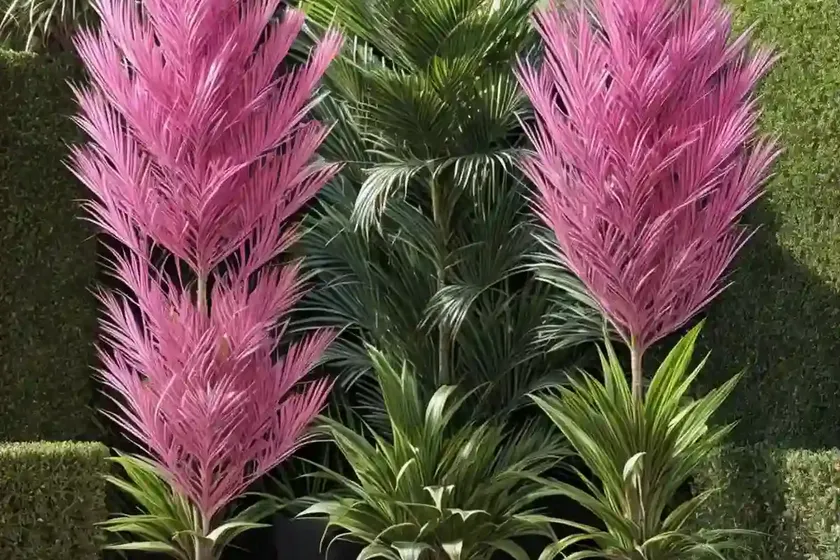
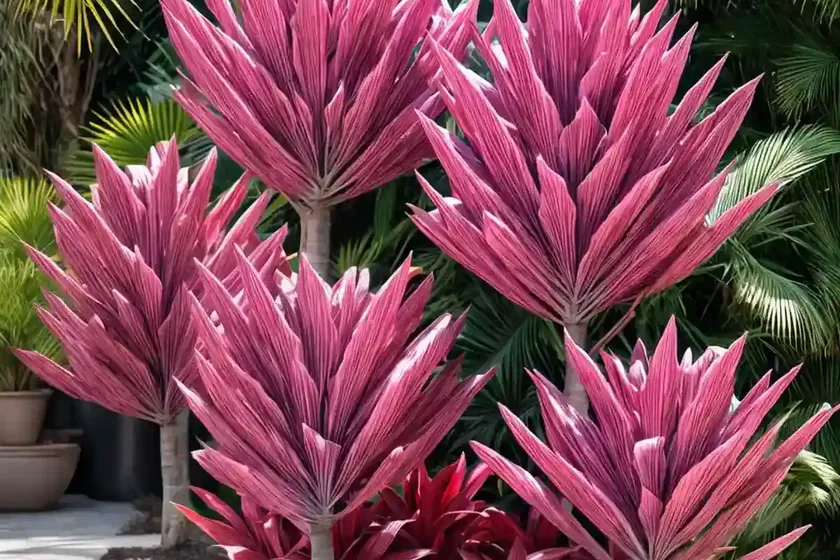
Cordyline ‘Pink Passion’ is a striking evergreen perennial plant that belongs to the Asparagaceae family. Its origin can be traced back to New Zealand and the South Pacific, where it is often referred to as the Cabbage Tree due to its resemblance to the traditional cabbages. This plant is characterized by its long, arching, sword-shaped leaves that are variegated with vibrant shades of pink, purple, and green, creating a visually captivating display.
This cultivar is particularly prized for its vibrant foliage and its ability to add a pop of color to gardens, landscapes, and indoor spaces. The distinctive leaf patterns and striking colors make it a focal point in any setting, making it a popular choice among both novice and seasoned gardeners.
Key Takeaways – Cordyline ‘Pink Passion’ (Cabbage Tree)
Before delving into the specific care requirements of Cordyline ‘Pink Passion’, let’s outline some key takeaways about this captivating plant:
- Botanical Name: Cordyline ‘Pink Passion’
- Common Name: Cabbage Tree
- Foliage: Long, arching, sword-shaped leaves with vibrant pink, purple, and green variegation
- Growth Habit: Evergreen perennial, suitable for both indoor and outdoor cultivation
- Uses: Ornamental plant for gardens, landscapes, and indoor spaces; known for its striking foliage and vibrant colors
Now, let’s explore the cultural requirements, uses, and maintenance tips for Cordyline ‘Pink Passion’ in detail.
Culture
Understanding the cultural requirements of Cordyline ‘Pink Passion’ is essential for ensuring its optimal growth and health. From sunlight and water needs to soil preferences and fertilizer requirements, providing the right cultural conditions is key to unlocking the full potential of this stunning plant.
Water
Proper watering is crucial for the well-being of Cordyline ‘Pink Passion’. This plant thrives in consistently moist but well-draining soil, making it important to maintain a balanced approach to watering. Here are some key tips for watering Cordyline ‘Pink Passion’:
- Regular Watering: During the growing season, ensure that the plant receives regular, deep watering to keep the soil evenly moist. Avoid overwatering, as this can lead to waterlogged conditions and root rot.
- Monitor Soil Moisture: Check the moisture level of the soil regularly, especially during warmer months. Adjust the frequency of watering based on the plant’s specific needs and environmental conditions.
- Reduce Watering in Winter: During the winter months or in cooler weather, reduce the frequency of watering to prevent waterlogging and allow the soil to partially dry out between waterings.
Sunlight
Cordyline ‘Pink Passion’ thrives in bright, indirect light and partial shade. Providing the right amount of sunlight is vital for promoting healthy growth and vibrant foliage. Here’s what you need to know about sunlight requirements for Cordyline ‘Pink Passion’:
- Indoor Placement: When grown indoors, place the plant in a location that receives indirect sunlight or filtered light for a major part of the day. Avoid placing it in direct sunlight, especially during the hottest hours of the day.
- Outdoor Considerations: For outdoor cultivation, choose a planting location that offers partial shade, especially in regions with intense sunlight or high temperatures. Protect the plant from harsh midday sun to prevent leaf scorching.
Fertilizer
Proper fertilization can greatly enhance the growth and vibrancy of Cordyline ‘Pink Passion’. Applying a balanced fertilizer at the right time can provide the essential nutrients the plant needs to thrive. Consider the following tips for fertilizing Cordyline ‘Pink Passion’:
- Timing: Apply a balanced, slow-release fertilizer in spring, just as new growth begins. Repeat the application in early summer to support robust growth and vibrant foliage.
- Dilution: When using liquid fertilizers, dilute the concentration to half the recommended strength to avoid over-fertilizing, which can damage the plant.
- Fertilizer Selection: Choose a fertilizer specifically formulated for ornamental foliage plants, ensuring that it contains essential micronutrients and trace elements.
Soil
The choice of soil can significantly impact the overall health and growth of Cordyline ‘Pink Passion’. This plant thrives in well-draining, nutrient-rich soil that offers a balanced blend of moisture retention and aeration. Here’s what to consider when selecting the right soil for Cordyline ‘Pink Passion’:
- Well-Draining Soil: Use a well-draining potting mix or garden soil that allows excess water to flow through and prevents waterlogging. Incorporate organic matter to improve soil structure and fertility.
- Acidic to Neutral pH: Cordyline ‘Pink Passion’ prefers soil with a slightly acidic to neutral pH (pH 6.0-7.0). Conduct a soil pH test and make adjustments using suitable amendments if necessary.
Pruning and Maintenance
Regular maintenance, including pruning and grooming, is essential for keeping Cordyline ‘Pink Passion’ in optimal condition and preserving its striking appearance. By following proper pruning techniques and maintenance practices, you can promote healthy growth and enhance the ornamental value of the plant. Here are some tips for pruning and maintaining Cordyline ‘Pink Passion’:
- Leaf Removal: Trim or remove any discolored, damaged, or dead leaves to maintain the plant’s aesthetic appeal and prevent the spread of diseases.
- Rejuvenation Pruning: To rejuvenate the plant and encourage new growth, consider periodic rejuvenation pruning by cutting back the top portion of the plant, leaving a few inches of stem intact.
- Sanitation Practices: Practice good sanitation by removing fallen leaves and debris from around the plant to prevent the buildup of pests and diseases.
Propagation
Cordyline ‘Pink Passion’ can be propagated through various methods, including stem cuttings and division. Propagating new plants from existing ones allows you to expand your collection or share the beauty of this cultivar with others. Consider the following propagation techniques for Cordyline ‘Pink Passion’:
- Stem Cuttings: Propagate the plant by taking stem cuttings from the mature, healthy stems. Allow the cut ends to callus before planting them in a well-draining potting mix to root.
- Division: Divide mature plants by carefully separating the root ball into smaller sections, each containing a portion of the stems and root system. Replant the divisions in suitable containers or garden beds.
Container Popularity
The striking appearance and compact growth habit of Cordyline ‘Pink Passion’ make it a popular choice for container gardening. Whether grown indoors or on patios and balconies, this plant adds a touch of elegance and color to any space. Here are some reasons why Cordyline ‘Pink Passion’ is a popular container plant:
- Aesthetic Appeal: The vibrant foliage and architectural form of Cordyline ‘Pink Passion’ make it an eye-catching addition to container gardens, enhancing the overall visual appeal of the space.
- Versatile Placement: Its compact size and ornamental value make it suitable for both indoor and outdoor container cultivation, allowing for flexibility in placement and design.
- Low Maintenance: When grown in containers, Cordyline ‘Pink Passion’ requires minimal maintenance and can thrive in a controlled environment with proper care.
Common Diseases
While Cordyline ‘Pink Passion’ is relatively resistant to pests and diseases, it can occasionally face issues related to cultural conditions or environmental stress. Being aware of the common diseases that can affect this plant and implementing preventive measures is essential for ensuring its long-term health. Here are some common diseases that may affect Cordyline ‘Pink Passion’:
Disease Diagnosis
- Leaf Spotting: Leaf spotting, characterized by the appearance of brown or black spots on the foliage, may be caused by fungal pathogens. Maintain proper air circulation and avoid overhead watering to reduce the risk of leaf spotting diseases.
- Root Rot: Excessive moisture or poorly draining soil can lead to root rot, manifesting as wilting, yellowing foliage, and overall decline. Adjust the watering frequency and improve soil drainage to prevent root rot.
- Crown Rot: Crown rot, caused by fungal pathogens, can lead to the decay of the plant’s central growing point. Ensure proper soil drainage and avoid overwatering to prevent crown rot.
Common Pests
Cordyline ‘Pink Passion’ is generally resistant to many common pests, but certain insects may occasionally pose a threat to its health and appearance. Familiarizing yourself with the common pests and their management strategies can help safeguard the plant from potential damage. Here are some common pests that may affect Cordyline ‘Pink Passion:
- Aphids: These small, soft-bodied insects may cluster on the undersides of leaves and feed on plant sap, causing distortion and discoloration of the foliage. Use insecticidal soap or neem oil to control aphid infestations.
- Scale Insects: Scale insects, appearing as tiny, immobile bumps on the stems and foliage, can weaken the plant by sucking sap from the tissues. Manage scale infestations by applying horticultural oil or insecticidal sprays.
Botanist’s Tips
As a plant enthusiast or botanist, you can further enhance your experience with Cordyline ‘Pink Passion’ by considering the following tips and recommendations:
- Companion Planting: Pair Cordyline ‘Pink Passion’ with complementary plants that share its cultural requirements and aesthetic appeal, creating visually appealing combinations in garden beds or containers.
- Microclimates: In regions with extreme climates, create microclimates by providing additional protection or shelter for Cordyline ‘Pink Passion to ensure its optimal growth and health.
- Integrated Pest Management (IPM): Implement an IPM approach by combining cultural, biological, and least-toxic chemical control methods to manage pests and diseases, ensuring minimal impact on the environment.
Fun Facts
Uncover some intriguing and lesser-known facts about Cordyline ‘Pink Passion’ that add to its allure and captivating nature:
- Cultural Significance: In some indigenous traditions and rituals, Cordyline ‘Pink Passion’ holds cultural significance and is used in ceremonial practices or symbolic contexts.
- Leaf Patterns: The unique leaf patterns of Cordyline ‘Pink Passion’ make it a subject of fascination and study among botanical enthusiasts and plant lovers.
- Ornamental Features: Beyond its ornamental value, Cordyline ‘Pink Passion’ is known for its architectural form and ability to create focal points in both traditional and contemporary landscapes.
Links to External Resources
For further information and detailed insights into the care and cultivation of Cordyline ‘Pink Passion’, consider exploring the following resources:
- Royal Horticultural Society – Cordyline ‘Pink Passion’
- University of Florida – Cordyline
- American Society for the Prevention of Cruelty to Plants (ASPCP) – Plant Care Guide
- Gardening Australia – Growing Cordylines
In conclusion, Cordyline ‘Pink Passion’ (Cabbage Tree) stands as a captivating and versatile plant that offers a multitude of cultural, aesthetic, and ecological benefits. By understanding its care requirements and integrating it into diverse settings, you can appreciate the beauty and resilience of this extraordinary plant.
Remember, each Cordyline ‘Pink Passion’ has the potential to become a focal point in gardens, landscapes, and indoor spaces, adding a touch of elegance and vibrancy while contributing to the overall green environment. With the right care, attention, and appreciation for its unique features, Cordyline ‘Pink Passion’ can thrive and enrich your botanical journey.