Cordyline Petiolaris (Cordyline Petiolaris)
Cordyline petiolaris, also known as the broad-leaved palm lily, is a striking plant native to the tropical regions of Australia. With its vibrant foliage.
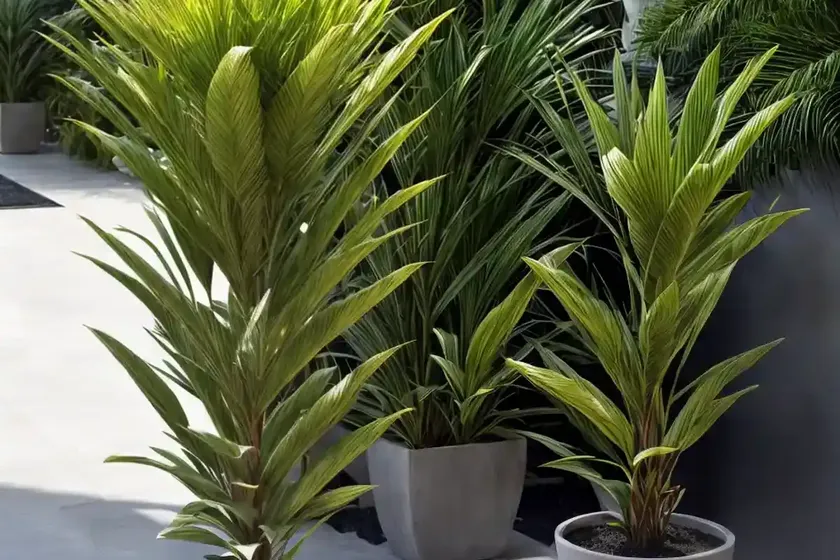
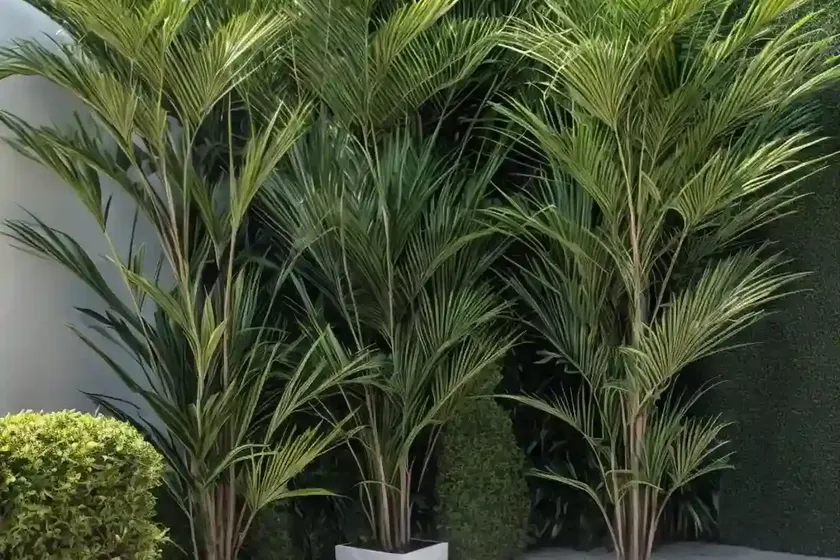
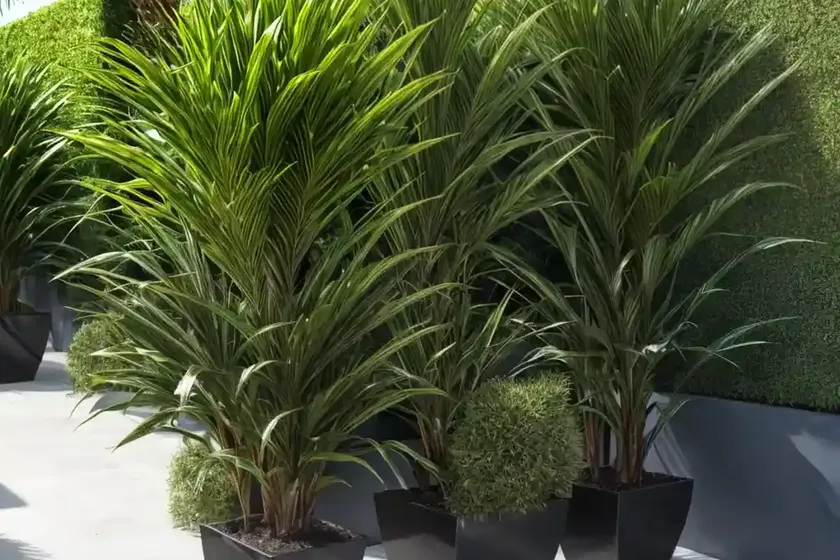
Cordyline petiolaris, also known as the broad-leaved palm lily, is a striking plant native to the tropical regions of Australia. With its vibrant foliage and easy maintenance, it has become a popular choice for both indoor and outdoor cultivation. In this comprehensive guide, we will delve into the key aspects of caring for and growing Cordyline petiolaris, including its cultural requirements, uses, common diseases, and propagation techniques. Whether you are a seasoned gardener or just starting, this guide will provide you with all the essential information to successfully cultivate and enjoy this beautiful plant.
What is Cordyline Petiolaris?
Cordyline petiolaris is a species of flowering plant in the family Asparagaceae, native to the tropical and subtropical regions of northern Australia. It is characterized by its large, glossy, strap-like leaves that emerge from a central woody stem. The plant produces clusters of small, creamy white flowers in spring and summer, adding to its ornamental value.
Key Takeaways – Cordyline petiolaris
- Botanical Name: Cordyline petiolaris
- Common Name: Broad-leaved palm lily
- Family: Asparagaceae
- Native Habitat: Tropical and subtropical regions of northern Australia
- Foliage: Large, glossy, strap-like leaves
- Flowers: Small, creamy white flowers in clusters
- Cultural Uses: Ornamental plant in landscaping and indoor decoration
- Hardiness Zones: Suitable for USDA hardiness zones 10-12
Now, let’s explore the specific cultural requirements for successfully growing Cordyline petiolaris:
Culture
Cordyline petiolaris is highly valued for its ornamental foliage and low maintenance requirements, making it a desirable addition to both indoor and outdoor spaces. Understanding its cultural needs is essential for promoting healthy growth and vibrant foliage.
Uses
The striking appearance of Cordyline petiolaris makes it a versatile plant with various uses in landscaping and interior decoration. Here are some common uses of this plant:
- Landscaping: Cordyline petiolaris is often used in tropical and subtropical landscape designs, adding a touch of exotic beauty to gardens, borders, and mixed plantings.
- Indoor Decoration: Due to its vibrant foliage and relatively low light requirements, Cordyline petiolaris is a popular choice for indoor decoration, adding a tropical ambiance to living spaces.
Water
Proper watering is crucial for the health and vitality of Cordyline petiolaris. Being native to tropical regions, this plant thrives in consistently moist but well-draining soil.
- Watering Requirements: Cordyline petiolaris requires regular watering, particularly during the growing season. It is essential to maintain evenly moist soil, but avoid waterlogging, as excessive moisture can lead to root rot.
- Signs of Overwatering: Wilting, yellowing, or browning of the foliage can be indicators of overwatering. Adjust the watering frequency to maintain optimal moisture levels.
Sunlight
Cordyline petiolaris thrives in bright, indirect light, reminiscent of its natural habitat in the tropical understorey. Providing the right amount of sunlight is essential for promoting healthy growth and vibrant foliage.
- Light Preferences: Place Cordyline petiolaris in a location with bright, indirect light. Avoid direct, intense sunlight, as it can scorch the leaves and cause leaf burn.
- Indoor Placement: If grown indoors, position the plant near a bright window where it can receive ample natural light. Consider using a sheer curtain to filter intense sunlight.
Fertilizer
Fertilizing Cordyline petiolaris is important for providing essential nutrients that support healthy growth and vibrant foliage. Choosing the right type of fertilizer and applying it at the correct frequency is essential for the plant’s overall well-being.
- Fertilization Guide: Use a balanced, water-soluble fertilizer formulated for foliage plants. Apply the fertilizer at half the recommended strength every 4-6 weeks during the growing season to support healthy growth and vibrant foliage.
- Avoid Overfertilization: Overfertilization can lead to salt buildup in the soil and cause fertilizer burn. Always follow the recommended dosage and frequency provided on the fertilizer label.
Soil
The soil composition plays a crucial role in providing the necessary support and moisture retention for Cordyline petiolaris. Understanding the soil requirements and using the right growing medium is essential for the plant’s overall health and growth.
- Soil Requirements: Use a well-draining, high-quality potting mix rich in organic matter. A mix designed for tropical plants or foliage plants is suitable for Cordyline petiolaris.
- Soil Drainage: Ensure that the soil has good drainage to prevent waterlogging, which can lead to root rot. Adding perlite or coarse sand to the potting mix can improve drainage.
- Repotting: Repot Cordyline petiolaris every 2-3 years to refresh the growing medium and provide ample space for root development.
Pruning
Pruning is an important aspect of Cordyline petiolaris care, as it promotes a tidy appearance, removes dead or damaged foliage, and encourages new growth.
- Pruning Techniques: Use clean, sharp pruners to trim off any yellowing, damaged, or discolored leaves. Cut the leaves at the base near the stem to maintain a neat appearance.
- Pruning Frequency: Regularly inspect the plant for any signs of damage or disease, and prune as needed throughout the year to maintain healthy foliage.
Propagation
Propagating Cordyline petiolaris allows you to expand your plant collection and share this striking species with fellow gardening enthusiasts. Understanding the propagation methods and best practices is essential for successful propagation.
- Propagation Methods: Cordyline petiolaris can be propagated from stem cuttings or by division. Stem cuttings can be rooted in a well-draining potting mix, while division involves separating the plant into smaller sections and replanting them.
- Optimal Time for Propagation: Spring and early summer are ideal times for propagating Cordyline petiolaris, as the plant is actively growing and can quickly establish new roots.
Container Popularity
Due to its ornamental foliage and relatively low maintenance requirements, Cordyline petiolaris is a popular choice for container gardening both indoors and outdoors. Growing this species in containers allows for greater flexibility in placement and can be particularly advantageous for gardeners with limited outdoor space.
- Container Selection: Choose a container with adequate drainage holes to allow excess water to escape. Opt for a container that provides ample space for the plant’s root system to develop.
- Indoor Containers: Cordyline petiolaris can thrive as an indoor plant when placed near a bright window or in a location with sufficient natural light.
- Outdoor Containers: Utilize Cordyline petiolaris in outdoor containers to create tropical-themed displays on patios, balconies, or outdoor living spaces.
Common Diseases
Despite being a relatively low-maintenance plant, Cordyline petiolaris is susceptible to certain diseases, especially when grown in suboptimal conditions. Understanding common diseases and their prevention is essential for maintaining the plant’s health.
Disease Diagnosis
- Root Rot: Overly wet and poorly draining soil can lead to root rot in Cordyline petiolaris. Symptoms include wilting, yellowing foliage, and a foul odor from the soil.
- Leaf Spot: Leaf spot diseases, caused by fungal pathogens, can manifest as dark spots or lesions on the foliage. Maintain good air circulation and avoid overhead watering to prevent leaf spot.
- Pest Infestations: Insect pests such as aphids, scale, and spider mites can infest Cordyline petiolaris, leading to foliage damage and reduced plant vigor.
Common Pests
While Cordyline petiolaris is relatively resistant to pests, occasional pest infestations can occur, particularly in indoor environments and during periods of stress. Understanding common pests and implementing control measures is essential for managing pest infestations effectively.
- Aphids: Aphids are small, soft-bodied insects that feed on plant sap, causing stunted growth and distorted foliage. Use insecticidal soap or neem oil to control aphid infestations.
- Scale Insects: Scale insects can appear as small, raised bumps on the stems and foliage. Use horticultural oil or insecticidal soap to manage scale infestations effectively.
- Spider Mites: Spider mites are tiny arachnids that can cause stippling, webbing, and yellowing of the foliage. Increase humidity and use insecticidal soap to control spider mite populations.
Botanist’s Tips
Cordyline petiolaris is a stunning plant that can thrive in a variety of conditions when provided with the appropriate care. Here are some expert tips for cultivating and caring for this captivating species:
- Moderate Watering: Maintain consistently moist soil, but avoid waterlogging to prevent root rot. Adjust the watering frequency based on environmental conditions and the plant’s specific needs.
- Filtered Light: Position the plant in a location with bright, indirect light to promote healthy growth and vibrant foliage. Protect the plant from direct, intense sunlight, particularly during the hottest part of the day.
- Fertilization Schedule: Apply a balanced, water-soluble fertilizer for foliage plants every 4-6 weeks during the growing season to provide essential nutrients for healthy growth.
- Monitoring for Pests and Diseases: Regularly inspect the plant for signs of pest infestations and diseases. Promptly address any issues to prevent them from spreading and causing damage to the plant.
Fun Facts
- Cordyline petiolaris is commonly used in traditional medicine by Indigenous Australian communities for its purported medicinal properties.
- The plant’s vibrant foliage and tropical appearance make it a popular choice for creating stunning landscape designs in coastal and tropical gardens.
- Cordyline petiolaris is known for its low-maintenance nature, making it an excellent choice for gardeners looking for a resilient and visually appealing plant.
Links to External Resources
In addition to the comprehensive information provided in this guide, here are some valuable external resources for further exploration of Cordyline petiolaris care and cultivation:
- Royal Botanic Gardens Victoria – Cordyline petiolaris
- University of Florida IFAS Extension – Cordyline Plant Care
- American Society for the Prevention of Cruelty to Plants – Cordyline petiolaris Cultivation Guide
- The Plant List – Cordyline petiolaris Species Profile
With the insights and tips provided in this comprehensive guide, you are well-equipped to maximize the ornamental potential of Cordyline petiolaris in your indoor and outdoor spaces. Whether you seek to create a tropical oasis indoors or enhance your garden with striking foliage, Cordyline petiolaris offers an array of captivating possibilities for plant enthusiasts.
By understanding and implementing the best care practices, you can enjoy the beauty and resilience of this remarkable species while cultivating a thriving and visually stunning addition to your plant collection.