Cordyline Electric Pink (Cordyline Banksii Electric Pink’)
Welcome to the ultimate guide to the stunning and vibrant Cordyline Electric Pink, also known as Cordyline Banksii Electric Pink. In this comprehensive.
Welcome to the ultimate guide to the stunning and vibrant Cordyline Electric Pink, also known as Cordyline Banksii Electric Pink. In this comprehensive guide, we will explore everything you need to know about this striking plant, from its cultural requirements to its uses and maintenance tips. Whether you are a seasoned gardener or a beginner looking to enhance your green space, this guide will provide you with valuable insights into the wonderful world of Cordyline Electric Pink.
What is Cordyline Electric Pink?
Cordyline Electric Pink, scientifically known as Cordyline Banksii Electric Pink, is an evergreen plant that belongs to the Asparagaceae family. Hailing from the tropical and subtropical regions of Southeast Asia and the Pacific, Cordyline Electric Pink is renowned for its vibrant and eye-catching foliage, making it a popular choice for landscaping and indoor decoration.
Plant Characteristics
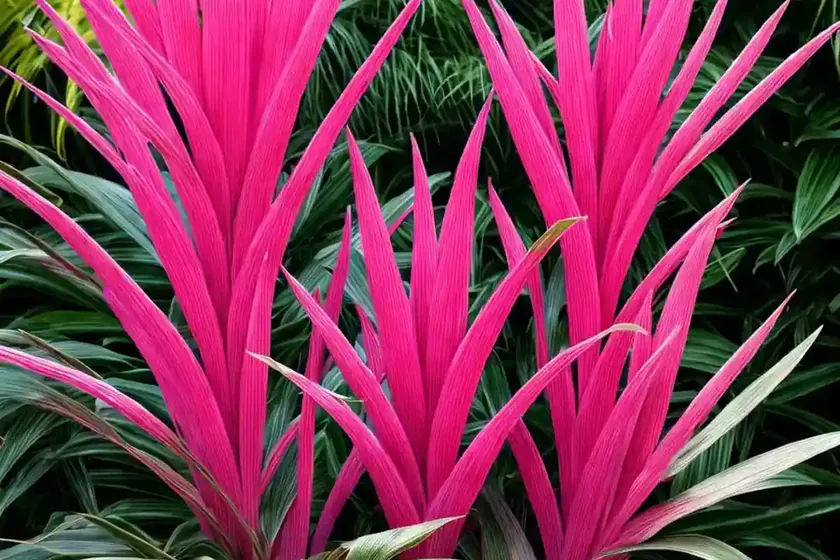
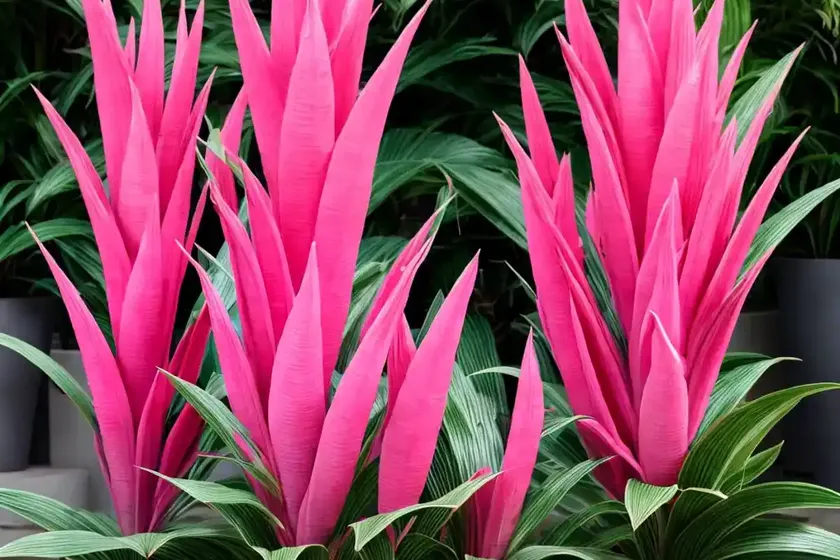
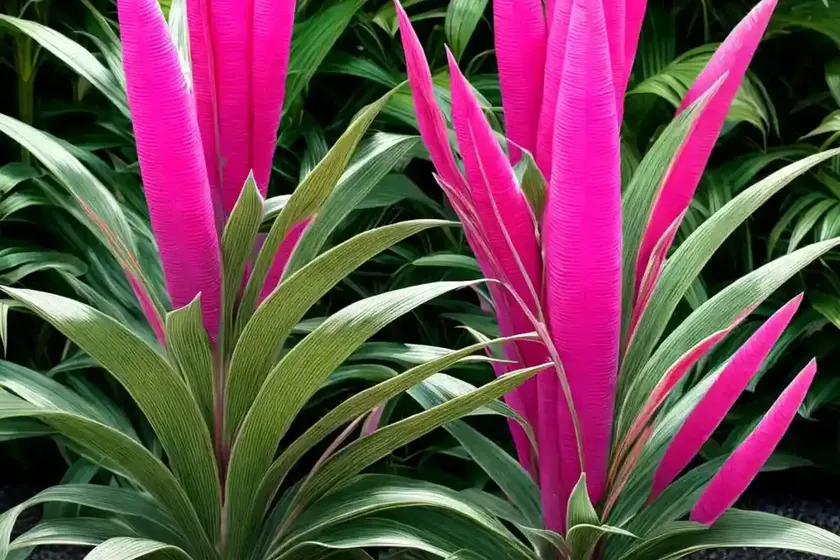
Cordyline Electric Pink is characterized by its stunning, lance-shaped leaves that emerge in vivid shades of pink, purple, and burgundy, creating a mesmerizing visual display. The plant’s foliage is complemented by a central stem that gives it an elegant and statuesque appearance, adding a touch of exotic charm to any environment.
Key Takeaways – Cordyline Electric Pink (Cordyline Banksii Electric Pink)
Before delving into the specifics of cultivating and caring for Cordyline Electric Pink, let’s take a quick look at the key takeaways that will guide us through this comprehensive guide. These key takeaways will serve as a handy reference as you explore the various aspects of growing and maintaining this remarkable plant.
Culture
- USDA Hardiness Zones: 9-11
- Mature Height: 3-5 feet
- Mature Spread: 2-4 feet
- Growth Rate: Moderate
- Landscape Uses: Accent plant, container plant, mass planting, borders
Uses
- Landscaping: Adds a tropical flair to gardens, suitable for coastal landscapes
- Indoor Decoration: Ideal for creating a focal point in interior spaces
- Container Planting: Thrives in containers, making it suitable for patios, balconies, and urban gardens
Water
- Watering Needs: Moderate; prefers consistently moist but well-drained soil
- Drought Tolerance: Moderate once established
Sunlight
- Light Requirements: Prefers partial sun to partial shade; protect from intense afternoon sun
Fertilizer
- Fertilization: Apply a balanced, slow-release fertilizer during the growing season; avoid excessive nitrogen
Soil
- Soil Requirements: Well-draining, fertile soil with a slightly acidic to neutral pH
Pruning
- Pruning: Remove dead or damaged leaves as needed to maintain the plant’s appearance
- Propagation: Can be propagated from stem cuttings
Container Popularity
- Container Gardening: Well-suited for container planting both indoors and outdoors
Common Diseases and Pests
- Disease Susceptibility: Generally disease-resistant if provided with proper cultural conditions
- Common Pests: Potential susceptibility to spider mites, aphids, and scale insects
Botanist’s Tips
- Maintenance: Regularly inspect and remove any infested or damaged foliage to maintain plant health
- Winter Care: Provide protection or bring indoors in cooler climates
Fun Facts
- Color Variations: Cordyline Electric Pink exhibits a range of vibrant color variations, adding diversity to landscaping and interior design
- Drought Tolerance: Demonstrates moderate tolerance to periods of reduced water availability
Links to External Resources
Plant Care Guide – Royal Horticultural Society
Gardening Australia – Cordyline Banksii ‘Electric Pink’
Now that we have a clear outline of the key aspects of Cordyline Electric Pink, let’s delve into each of these topics in detail.
Culture
Understanding the cultural requirements of Cordyline Electric Pink is essential for ensuring its optimal growth and health. From hardiness zones to growth habits, let’s explore the cultural considerations that are integral to successfully cultivating this stunning plant.
USDA Hardiness Zones
Cordyline Electric Pink is best suited for USDA hardiness zones 9-11, where it thrives in the warm and temperate conditions characteristic of these regions. It is important to ensure that the plant is cultivated within its recommended hardiness zones to provide the ideal environment for its growth.
Mature Size and Growth Rate
When planning for the placement of Cordyline Electric Pink in your garden or indoor space, it is essential to consider its mature size and growth habits. Typically, Cordyline Electric Pink reaches a mature height of 3-5 feet, with a spread of 2-4 feet. Its moderate growth rate allows for steady and manageable development, making it an ideal choice for various landscape and interior design applications.
Landscape Uses
Cordyline Electric Pink offers versatile landscape uses, thanks to its striking foliage and elegant form. Whether used as an accent plant to create focal points in garden beds or as a container specimen to adorn patios and balconies, this plant brings tropical allure to any setting. Additionally, it can be incorporated into mass plantings and border arrangements to add vibrant color and visual interest to outdoor spaces.
Indoor Decoration
In addition to its outdoor applications, Cordyline Electric Pink is well-suited for indoor decoration, where its vibrant foliage serves as a captivating focal point. By introducing this plant to interior spaces, you can infuse tropical charm into your home or office environments, creating a visually appealing and invigorating atmosphere.
Uses
The uses of Cordyline Electric Pink extend beyond mere ornamental value, encompassing its diverse applications in both outdoor and indoor settings. Whether you are looking to enhance your garden with a touch of exotic beauty or seeking an eye-catching houseplant, Cordyline Electric Pink offers a range of uses to suit your specific needs.
Landscaping
With its vibrant and eye-catching foliage, Cordyline Electric Pink is a popular choice for landscaping projects aimed at creating tropical-themed gardens. The plant’s elegant form and exotic colors make it an ideal candidate for introducing a sense of lushness and vibrancy to outdoor spaces. Additionally, its suitability for coastal landscapes adds to its appeal for gardens located in proximity to the ocean or salt-laden environments.
Indoor Decoration
Indoor spaces benefit greatly from the presence of Cordyline Electric Pink, as its stunning foliage and compact form make it an excellent choice for creating focal points and adding visual interest to interior design schemes. Whether placed in living areas, offices, or commercial spaces, this plant serves as a versatile and visually appealing addition to interior décor.
Container Planting
The adaptability of Cordyline Electric Pink to container cultivation opens up a myriad of possibilities for incorporating this plant into various settings. From small urban gardens to expansive patios, balconies, and courtyards, the plant thrives in containers and can be used to adorn outdoor spaces with its vibrant colors and elegant structure. Its ability to thrive in pots and planters makes it a valuable asset for individuals seeking to elevate their outdoor living areas.
Water
Proper watering is crucial for the health and vitality of Cordyline Electric Pink. Understanding its water requirements and adopting appropriate irrigation practices are vital for ensuring the plant’s well-being and vigor.
Watering Needs
Cordyline Electric Pink thrives in moderately moist conditions, requiring regular watering to maintain soil moisture levels. During dry spells or high temperatures, it is important to monitor the plant’s moisture requirements and irrigate as needed to prevent soil dryness. However, it is equally important to ensure that the soil is well-drained, as excessive moisture can lead to root rot and other issues.
Drought Tolerance
Once established, Cordyline Electric Pink exhibits a degree of drought tolerance, allowing it to withstand periods of reduced water availability. This characteristic makes it a suitable choice for regions where water conservation is a concern or for individuals seeking plants that can adapt to occasional water scarcity. However, it is important to note that while the plant can tolerate short periods of drought, prolonged water deprivation can negatively impact its health and appearance.
Sunlight
Proper exposure to sunlight plays a pivotal role in the growth and development of Cordyline Electric Pink. Understanding the plant’s light requirements and providing the appropriate levels of sunlight are essential for ensuring its optimal performance and vibrant foliage.
Light Requirements
Cordyline Electric Pink thrives in partial sun to partial shade, making it well-suited for environments with filtered or dappled sunlight. When planting or positioning the plant, it is important to avoid exposing it to intense, direct sunlight, especially during the peak hours of the day. Protecting the plant from harsh sunlight helps prevent leaf scorch and promotes healthy, vibrant foliage.
Fertilizer
Applying the right type and amount of fertilizer is essential for supporting the growth and appearance of Cordyline Electric Pink. By understanding the plant’s fertilizer requirements and adopting appropriate feeding practices, you can ensure that it receives the necessary nutrients for robust and healthy growth.
Fertilization
Cordyline Electric Pink benefits from regular fertilization with a balanced, slow-release fertilizer during the growing season. When selecting a fertilizer for the plant, it is important to choose a formulation that provides essential macro and micronutrients without excessive nitrogen content, as high nitrogen levels can negatively affect the coloration and overall health of the plant. Additionally, it is important to follow the manufacturer’s recommendations regarding application rates and frequency to avoid over-fertilization.
Soil
The quality and composition of the soil have a direct impact on the growth and well-being of Cordyline Electric Pink. Understanding the plant’s soil requirements and providing it with a suitable growing medium are essential for fostering healthy root development and overall vitality.
Soil Requirements
Cordyline Electric Pink thrives in well-draining, fertile soil with a slightly acidic to neutral pH. Adequate soil drainage is crucial for preventing waterlogging and ensuring proper aeration of the root system, while a fertile growing medium provides essential nutrients for robust growth. Additionally, maintaining the appropriate soil pH range helps facilitate nutrient uptake and supports overall plant health.
Pruning
Pruning is an important aspect of Cordyline Electric Pink maintenance, allowing you to manage the plant’s appearance and remove any damaged or unsightly foliage. By implementing proper pruning techniques, you can promote the plant’s overall vigor and aesthetic appeal.
Pruning
Regularly inspect Cordyline Electric Pink for any dead, damaged, or diseased leaves, and promptly remove them to maintain the plant’s visual appeal and health. Use clean, sharp pruning shears to make precise cuts, ensuring that the remaining foliage retains its natural form and integrity. Additionally, pruning can be used to shape the plant and manage its size, making it a valuable tool for maintaining the desired appearance of Cordyline Electric Pink in both outdoor and indoor settings.
Propagation
The ability to propagate Cordyline Electric Pink allows for the expansion of its presence in different areas of the garden or interior spaces. Understanding the plant’s propagation methods and implementing effective techniques are essential for successfully producing new plants from existing specimens.
Propagation
Cordyline Electric Pink can be propagated from stem cuttings, providing a relatively straightforward method for generating new plants. When conducting stem cuttings, it is important to select healthy, non-flowering stems and trim them to the desired lengths. The cuttings can then be placed in a suitable growing medium, where they will develop roots and establish themselves as independent plants. Careful monitoring of environmental conditions and diligent attention to the propagation process are necessary to ensure the successful propagation of Cordyline Electric Pink.
Container Popularity
The popularity of Cordyline Electric Pink as a container plant stems from its adaptability to container cultivation and its vibrant foliage, which adds a dash of color and elegance to outdoor and indoor settings.
Container Gardening
Cordyline Electric Pink is well-suited for container planting, making it an ideal choice for individuals with limited garden space or those seeking to enhance patios, balconies, and urban gardens. The plant’s compact size and stunning foliage make it a perfect candidate for adorning outdoor living areas and interior spaces in containers, where it serves as a captivating and low-maintenance addition.
Common Diseases
While Cordyline Electric Pink is generally resilient, it may be susceptible to certain diseases under unfavorable conditions. Understanding the common diseases affecting the plant and implementing preventive measures are essential for maintaining its health and vitality.
Disease Susceptibility
Cordyline Electric Pink is generally resistant to most diseases when provided with the appropriate cultural conditions and a healthy growing environment. However, it may be susceptible to issues such as root rot and leaf spot if exposed to prolonged moisture or inadequate air circulation. Implementing proper watering practices, providing adequate spacing between plants, and monitoring for signs of disease are crucial for preventing and managing potential issues.
Common Pests
In addition to diseases, Cordyline Electric Pink may occasionally encounter pest-related challenges, with certain insects posing a threat to its vigor and appearance. By familiarizing yourself with the common pests that may affect the plant and adopting effective pest control measures, you can ensure its protection from potentially damaging infestations.
Common Pests
Cordyline Electric Pink may be vulnerable to pests such as spider mites, aphids, and scale insects, which can feed on the plant’s foliage and sap, leading to discoloration and reduced vigor. Regularly inspecting the plant for signs of pest activity, such as webbing, stippling, or the presence of insects, allows for timely intervention to mitigate infestations. Targeted pest control measures, such as the application of horticultural oils or insecticidal soaps, can help manage pest populations and protect the plant from detrimental effects.
Botanist’s Tips
Incorporating botanist’s tips into your approach to cultivating Cordyline Electric Pink can enhance your ability to maintain the plant’s health and beauty. By implementing expert recommendations and practical insights, you can ensure the long-term success of this striking and dynamic plant.
Maintenance
Regularly inspecting Cordyline Electric Pink for signs of pest activity, disease, or nutrient deficiencies allows for early intervention and proactive maintenance. Promptly addressing any issues that arise, such as removing damaged foliage or adjusting cultural practices, contributes to the plant’s overall well-being and appearance.
Winter Care
In regions with cooler climates, providing protection for Cordyline Electric Pink during the winter months is essential for safeguarding it from cold temperatures and potential frost damage. This may involve covering the plant with frost cloth or bringing it indoors to a sheltered location until the risk of frost has passed. By implementing proper winter care measures, you can ensure the plant’s survival and vitality in challenging environmental conditions.
Fun Facts
To further appreciate the unique appeal of Cordyline Electric Pink, it is worthwhile to explore some fun and intriguing facts about this remarkable plant. From its stunning color variations to its adaptability in various environments, these fun facts provide valuable insights into the captivating characteristics of Cordyline Electric Pink.
Color Variations
Cordyline Electric Pink exhibits a range of captivating color variations, with foliage that can showcase shades of vibrant pink, purple, and burgundy. This diversity in coloration adds visual interest and diversity to landscapes and interior settings, making the plant an engaging and dynamic presence in any environment.
Drought Tolerance
While Cordyline Electric Pink prefers moderate moisture levels, it demonstrates a degree of drought tolerance once established. This resilience allows the plant to endure periods of reduced water availability, making it a suitable choice for regions with arid or semi-arid climates, as well as for individuals seeking low-maintenance plants that can adapt to varying environmental conditions.
Links to External Resources
To further expand your knowledge and understanding of Cordyline Electric Pink, the following external resources provide valuable information and insights into the care and cultivation of this captivating plant.
- Plant Care Guide – Royal Horticultural Society
- Gardening Australia – Cordyline Banksii ‘Electric Pink’
These resources offer a wealth of information on the cultural requirements, uses, and maintenance of Cordyline Electric Pink, providing valuable guidance for individuals looking to cultivate and care for this remarkable plant.
In conclusion, Cordyline Electric Pink, with its vibrant foliage and versatile applications, stands as a captivating and dynamic addition to gardens, interior spaces, and container gardens. By understanding its cultural needs, mastering essential growing practices, and appreciating its unique characteristics, you can cultivate and enjoy the beauty of Cordyline Electric Pink in your own green spaces. Whether used as a focal point plant, a vibrant accent in landscaping, or an eye-catching houseplant, Cordyline Electric Pink offers a wealth of possibilities for enhancing and enriching outdoor and indoor environments, making it a beloved and cherished addition to any plant collection.
With its striking foliage and elegant form, Cordyline Electric Pink provides a captivating display of vibrant colors and dynamic aesthetics, making it a valuable asset for any landscape or interior design scheme. As you embark on your journey to cultivate and care for Cordyline Electric Pink, may this comprehensive guide serve as a source of inspiration and knowledge, guiding you towards a rewarding and fulfilling experience with this remarkable plant.
Remember to stay informed and seek reliable resources to further deepen your understanding of Cordyline Electric Pink, enabling you to unlock its full potential and cultivate a thriving and beautiful specimen in your own green spaces. Embrace the allure and vibrancy of Cordyline Electric Pink, and let its dynamic foliage and captivating presence enrich your life and surroundings with tropical charm and elegance.