Cordyline Australis ‘Red Star’ (Cabbage Tree)
Cordyline australis ‘Red Star’, commonly known as the Cabbage Tree, is a striking plant that adds a tropical touch to gardens with its vibrant.
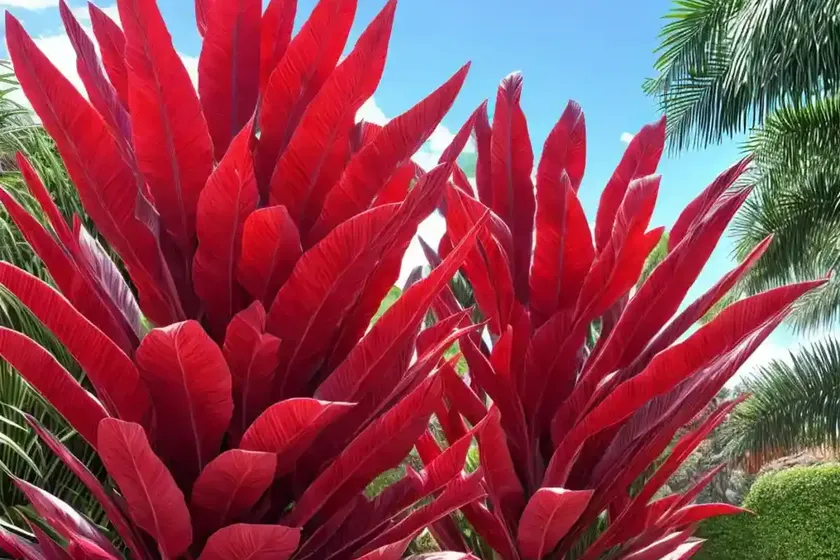
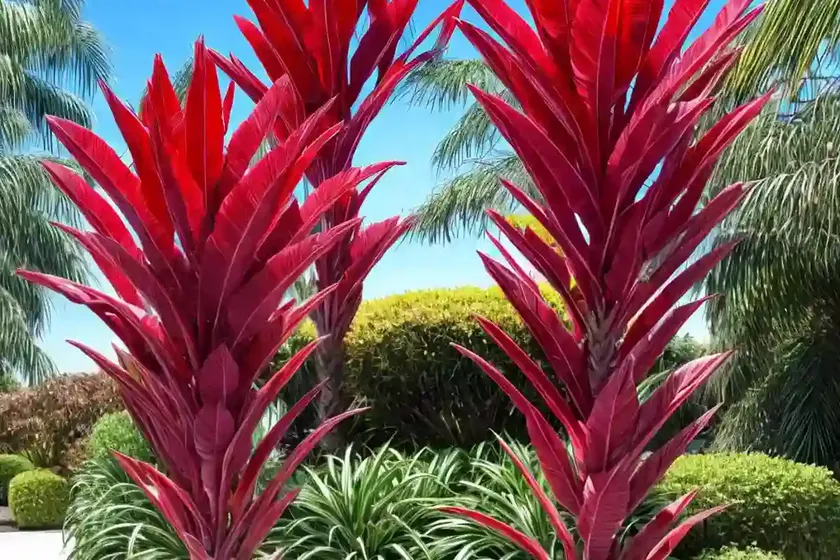
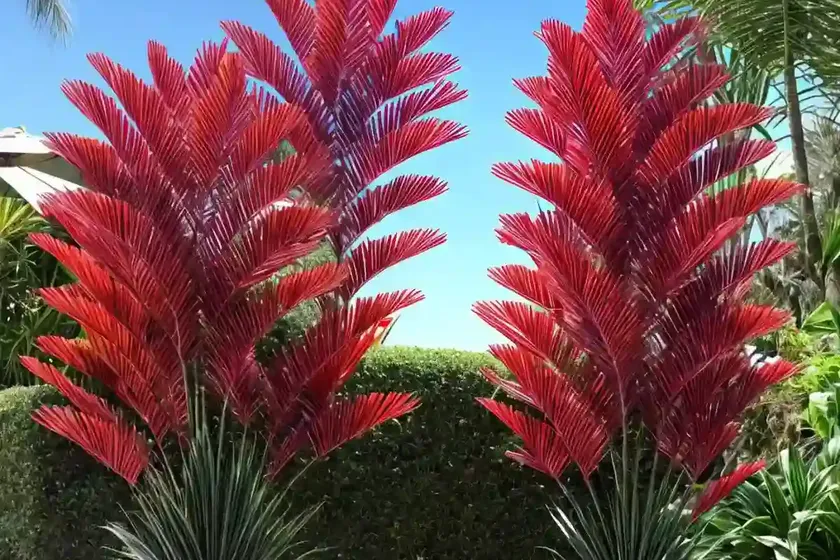
Cordyline australis ‘Red Star’, commonly known as the Cabbage Tree, is a striking plant that adds a tropical touch to gardens with its vibrant, sword-shaped, burgundy foliage. It is a versatile and low-maintenance plant that thrives in various conditions, making it a popular choice for both indoor and outdoor settings.
Key Takeaways – Cordyline australis ‘Red Star’
Before delving deeper into the care and cultivation of Cordyline australis ‘Red Star’, let’s highlight some key takeaways about this remarkable plant:
- Scientific Name: Cordyline australis ‘Red Star’
- Common Name: Cabbage Tree
- Plant Type: Perennial, evergreen shrub
- Foliage: Striking, burgundy-red sword-shaped leaves
- Growth Habit: Upright, clump-forming
- Hardiness Zones: 9-11
- Watering Needs: Moderate
- Light Requirements: Full sun to partial shade
- Soil Type: Well-draining, fertile soil
- Height: Up to 10 feet
- Propagation: Seeds, stem cuttings
- Uses: Ornamental plant for landscapes, containers, and indoor settings
Now, let’s explore the various aspects of caring for and cultivating Cordyline australis ‘Red Star’ in detail.
Culture
The culture of Cordyline australis ‘Red Star’ encompasses its growing requirements, maintenance needs, and its overall behavior in different environmental conditions. Understanding its cultural preferences is essential for ensuring the plant’s healthy growth and development.
Uses
Cordyline australis ‘Red Star’ is cultivated for its ornamental and aesthetic appeal. Its striking foliage and upright growth habit make it a popular choice for various landscaping and gardening purposes, including:
- Garden Borders: The Cabbage Tree’s vibrant foliage adds visual interest to garden borders, creating a focal point in the landscape.
- Container Planting: It is well-suited for container gardening, where its bold foliage provides a dramatic element to patio and balcony settings.
- Indoor Décor: Due to its adaptability as an indoor plant, Cordyline australis ‘Red Star’ is often used to add a tropical ambiance to interior spaces.
Water
Proper watering is crucial for the health and vitality of Cordyline australis ‘Red Star’. While it can tolerate some dryness, consistent moisture is essential, especially during the plant’s establishment and in periods of intense heat.
- Establishment Period: Newly planted Cordyline australis ‘Red Star’ should receive regular watering to encourage root establishment. This is particularly important during the first growing season.
- Mature Plants: Once established, the plant generally has moderate water needs. It is essential to water the plant when the soil’s top layer feels dry to the touch, particularly during hot and dry periods.
- Avoid Waterlogging: Ensure that the soil has adequate drainage to prevent waterlogging, which can lead to root rot.
Sunlight
Cordyline australis ‘Red Star’ exhibits a preference for bright, indirect light and can also tolerate full sun conditions. Understanding its sunlight requirements is essential for maintaining the plant’s attractive foliage color and overall vigor.
- Ideal Conditions: The plant thrives in full sun to partial shade. In regions with intense heat, providing partial shade during the hottest part of the day can prevent leaf scorching.
- Indoor Placement: When grown indoors, place the plant near a sunny window where it can receive bright, indirect light. Alternatively, supplemental grow lights can be used to provide adequate light levels.
Fertilizer
Proper fertilization contributes to the overall health and vigor of Cordyline australis ‘Red Star’, promoting robust growth and vibrant foliage. While the plant is relatively low-maintenance, occasional fertilization can enhance its visual appeal.
- Fertilizer Type: Use a balanced, water-soluble fertilizer formulated for ornamental foliage plants. A formula with a balanced NPK ratio, such as 10-10-10, can adequately meet the plant’s nutritional needs.
- Frequency: Fertilize the plant during the growing season, typically from spring to early fall, at intervals of 4-6 weeks. Refrain from fertilizing during the plant’s dormant period in winter.
- Application Method: Apply the diluted fertilizer solution to the soil around the base of the plant, being careful to avoid direct contact with the foliage to prevent potential leaf burn.
Soil
The right soil conditions are essential for ensuring the healthy growth and development of Cordyline australis ‘Red Star’. Its soil preferences encompass factors such as drainage, fertility, and pH levels, all of which contribute to the plant’s overall well-being.
- Well-Draining Soil: The plant thrives in well-draining, fertile soil that allows excess moisture to freely flow away from the roots. Consider amending heavy or compacted soils with organic matter, such as compost or peat moss, to improve drainage.
- pH Range: Cordyline australis ‘Red Star’ prefers slightly acidic to neutral soil with a pH range of 6.0-6.5. A soil testing kit can be used to assess and adjust the pH levels if necessary.
- Container Media: When growing the plant in containers, use a high-quality potting mix specifically formulated for ornamental plants. Ensure that the container has drainage holes to prevent waterlogging.
Pruning
Pruning is an integral part of maintaining Cordyline australis ‘Red Star’ and shaping it to the desired form. Proper pruning practices not only enhance the plant’s aesthetic appeal but also contribute to its overall health and vitality.
- Aesthetics: Regular pruning can help maintain a tidy and attractive appearance, removing any discolored or damaged leaves to promote new growth.
- Pruning Technique: Use clean, sharp pruning shears to snip away any spent or unsightly foliage. Additionally, selectively trimming the plant’s height can encourage a fuller and bushier growth habit.
Propagation
The propagation of Cordyline australis ‘Red Star’ allows gardeners to expand their plant collection or share the beauty of this striking foliage plant with others. Understanding the various propagation methods is valuable for successfully multiplying the plant.
Propagation Methods
Cordyline australis ‘Red Star’ can be propagated through both seeds and stem cuttings, offering flexibility in multiplying the plant and ensuring its availability for various gardening endeavors.
- Seeds: Sow fresh seeds in a well-draining seed-starting mix, maintaining consistent moisture and warmth for germination. Once established, the seedlings can be transplanted into individual containers or outdoor settings.
- Stem Cuttings: Select healthy stem segments with several nodes and remove any lower leaves. Root the cuttings in a moist, well-draining rooting medium, providing bottom heat and adequate humidity to encourage root development.
Container Popularity
The adaptability of Cordyline australis ‘Red Star’ to container gardening has contributed to its popularity among gardeners. Its striking appearance, coupled with low maintenance requirements, makes it an excellent choice for container plantings in various settings.
- Patio and Balcony Settings: The plant’s upright growth habit and vibrant foliage make it a standout addition to patio and balcony containers, providing a tropical touch to urban spaces.
- Interior Décor: As an indoor plant, Cordyline australis ‘Red Star’ thrives in containers, where it can embellish living spaces with its bold foliage and contribute to a lively ambiance.
- Versatility: The plant’s ability to thrive in containers of different sizes and materials offers flexibility in incorporating it into diverse design schemes and gardening arrangements.
Common Diseases
While Cordyline australis ‘Red Star’ is generally resilient, it may encounter certain diseases under unfavorable growing conditions or environmental stressors. Recognizing and addressing potential diseases promptly is crucial for maintaining the plant’s health.
Disease Diagnosis
Several common diseases may affect Cordyline australis ‘Red Star’, impacting its foliage and overall vigor. By familiarizing oneself with these potential diseases, gardeners can take proactive measures to prevent and manage them effectively.
- Phytophthora Root Rot: Excessive soil moisture and poor drainage can lead to phytophthora root rot, characterized by wilting, yellowing, and decline of the plant. Implementing proper watering practices and improving soil drainage can help prevent this disease.
- Leaf Spot Diseases: Fungal leaf spot diseases, such as Colletotrichum and Cercospora, may manifest as dark lesions on the plant’s foliage. Ensuring proper air circulation and avoiding overhead watering can mitigate the risk of leaf spot diseases.
Common Pests
In addition to diseases, Cordyline australis ‘Red Star’ may also be susceptible to certain pests that can affect its overall health and appearance. Vigilance in monitoring for pest activity is crucial for promptly addressing any infestations.
Pest Management
Several common pests may target Cordyline australis ‘Red Star’, posing potential threats to its foliage and growth. Adopting preventive measures and promptly addressing pest issues is essential for preserving the plant’s health.
- Aphids: These tiny, soft-bodied insects can cluster on the plant’s tender new growth, sucking plant sap and causing distorted leaves. Applying insecticidal soap or a strong stream of water can help eliminate aphid colonies.
- Mealybugs: Mealybugs are small, cottony pests that may gather on the plant, particularly in leaf axils and at the base of the leaves. Using a cotton swab dipped in rubbing alcohol can effectively target and remove mealybugs from the plant.
Botanist’s Tips
As a plant enthusiast and botanist, I have gathered valuable insights and tips for successfully caring for Cordyline australis ‘Red Star’ based on its unique characteristics and preferences. These tips can guide both novice and experienced gardeners in cultivating and enjoying the beauty of this remarkable plant.
- Optimal Drainage: Ensure that the plant is grown in well-draining soil or container mix to prevent waterlogged conditions, which can compromise root health.
- Moderate Watering: While the plant appreciates consistent moisture, it is important to avoid overwatering, which can lead to root rot. Allow the soil to partially dry out between watering sessions.
- Balanced Fertilization: Use a balanced, water-soluble fertilizer at half-strength to prevent overfeeding, particularly during the plant’s dormant period in winter.
- Pruning Practices: Regularly remove any discolored or damaged foliage to maintain the plant’s aesthetic appeal. Additionally, occasional trimming can help shape the plant to the desired form.
Fun Facts
Discovering intriguing and lesser-known facts about Cordyline australis ‘Red Star’ adds depth to our appreciation for this fascinating plant. From its cultural significance to unique features, these fun facts shed light on the plant’s exceptional attributes.
- Cultural Significance: In Māori culture, Cordyline australis, known as “Ti kouka,” holds cultural significance and is traditionally used for weaving and as a source of food and medicine.
- Wildlife Habitat: The flowers of Cordyline australis ‘Red Star’ attract pollinators such as bees and butterflies, contributing to the plant’s role in supporting local biodiversity.
- Symbolism: In various cultures, the Cabbage Tree symbolizes resilience, endurance, and strength, embodying its ability to thrive in diverse environmental conditions.
Links to External Resources
For further information on Cordyline australis ‘Red Star’ care, cultivation, and its diverse uses, the following external resources provide valuable insights and practical guidance:
- Royal Horticultural Society – Cordyline australis
- Missouri Botanical Garden – Cordyline australis ‘Red Star’
In conclusion, the cultivation of Cordyline australis ‘Red Star’ (Cabbage Tree) encompasses various aspects that contribute to its successful care and maintenance. From understanding its water, sunlight, and soil requirements to managing potential diseases and pests, this remarkable plant offers a visually stunning addition to gardens, containers, and interior spaces. By embracing its unique characteristics and following best practices, gardeners can enjoy the beauty and resilience of Cordyline australis ‘Red Star’ while creating captivating landscapes and indoor displays.