Plant Scientist Blog: Exploring Coral Bells (Heuchera ‘Oakington Jewel’)
Plants are infinitely diverse and endlessly fascinating. As a plant scientist, I have always been enamored with the world of flora, and the coral bells (Heuchera ‘Oakington Jewel’) is a specimen that is particularly captivating. This blog post aims to delve into the captivating nature of coral bells, offering insights into its culture, uses, care requirements, and much more.
What is the Coral Bells (Heuchera ‘Oakington Jewel’)?
The coral bells, scientifically known as Heuchera, is a genus of evergreen, herbaceous perennial plants in the family Saxifragaceae. The Heuchera ‘Oakington Jewel’ is a particular variety of coral bells renowned for its ornamental foliage and delicate flowers.
Key Takeaways – Coral Bells (Heuchera ‘Oakington Jewel’)
Before delving deeper into the various aspects of the coral bells plant, let’s summarize the key takeaways about the Heuchera ‘Oakington Jewel’:
- Scientific Name: Heuchera ‘Oakington Jewel’
- Family: Saxifragaceae
- Common Name: Coral Bells
- Plant Type: Evergreen, herbaceous perennial
- Notable Features: Ornamental foliage, delicate flowers
- Hardiness Zones: 4-9
- Mature Size: 8-12 inches tall and wide
- Best Suited For: Shaded areas, rock gardens, containers
Now, let’s explore the intricacies of cultivating and caring for this enchanting plant.
Culture
Understanding the culture of the Heuchera ‘Oakington Jewel’ is crucial for fostering healthy growth and vibrant displays.
Uses
The Heuchera ‘Oakington Jewel’ serves various purposes in landscaping and horticulture:
- Ornamental Foliage: The striking foliage of the ‘Oakington Jewel’ variety makes it an ideal choice for adding visual interest to garden beds and containers.
- Shaded Gardens: Its preference for shaded areas makes it a valuable addition to gardens with limited sunlight.
- Rock Gardens: The compact size and attractive foliage of coral bells make it well-suited for rock gardens and alpine plantings.
- Container Planting: The ‘Oakington Jewel’ variety thrives in containers, adding color and texture to patios, balconies, and indoor spaces.
Water
Coral bells, including the ‘Oakington Jewel’ variety, generally prefer evenly moist soil. While they are not particularly drought-tolerant, excessive water should also be avoided to prevent root rot. It is advisable to water them when the top inch of soil becomes dry.
Sunlight
In terms of sunlight requirements, coral bells thrive in partial to full shade. However, some varieties, including ‘Oakington Jewel,’ can also tolerate part sun. Finding the right balance of light is essential for their optimal growth and foliage coloration.
Fertilizer
When it comes to fertilizing coral bells, a balanced, slow-release fertilizer is recommended. Applying a light dose of fertilizer in spring can support healthy growth and enhance the vibrancy of the foliage.
Soil
The ‘Oakington Jewel’ and other coral bells varieties thrive in well-draining, slightly acidic soil. Amending the soil with organic matter can improve its texture and fertility, providing an ideal growing medium for these plants.
Pruning
Pruning coral bells is primarily focused on removing any damaged or unsightly foliage. This can be done at any time of the year, and a periodic trim can help maintain the plant’s compact form and promote new growth.
Propagation
Propagating the Heuchera ‘Oakington Jewel’ can be accomplished through several methods:
- Division: Dividing mature clumps in spring is a reliable way to propagate coral bells, allowing the establishment of new plants with ease.
- Root Cuttings: Taking root cuttings in early spring can yield new plants, offering an efficient means of propagation.
Container Popularity
The ‘Oakington Jewel’ variety of coral bells has garnered significant popularity in container gardening due to its compact size, ornamental foliage, and adaptability to partial shade. Its vibrant colors and low-maintenance nature make it an appealing choice for container arrangements.
Container Common Diseases
While coral bells are relatively resistant to diseases, they may occasionally encounter common fungal issues such as powdery mildew and leaf spot. However, these can be prevented or managed through proper sanitation and cultural practices.
Disease Diagnosis
Diagnosing diseases in coral bells, including the ‘Oakington Jewel’ variety, involves observing symptoms such as discolored or spotted foliage, wilting, or stunted growth. Proper identification of the issue is crucial for implementing targeted treatment measures.
Common Pests
Coral bells are generally resilient to pest infestations. However, certain pests such as vine weevils and aphids may pose a threat. Vigilant monitoring and prompt intervention can help mitigate pest-related issues.
Botanist’s Tips
Here are some invaluable tips from a botanist’s perspective to ensure the thriving of Heuchera ‘Oakington Jewel’:
- Adequate Drainage: Ensuring proper drainage is essential for preventing waterlogged soil, which can be detrimental to the plant’s health.
- Mulching: Applying a layer of mulch around the base of the plant can help conserve soil moisture and insulate the roots, particularly in regions with harsh winters.
- Air Circulation: Providing adequate airflow around the plants can help minimize the risk of fungal diseases, especially in humid conditions.
- Deadheading: Removing spent flowers can encourage continuous blooming and contribute to a tidier appearance of the plant.
Fun Facts
Let’s uncover some intriguing fun facts about coral bells and the ‘Oakington Jewel’ variety:
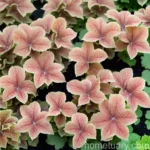
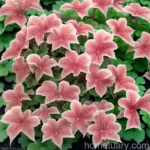
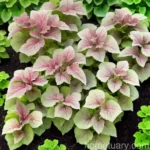
- The foliage of ‘Oakington Jewel’ can showcase an array of colors, including various shades of green, burgundy, and silver, adding visual interest to garden spaces.
- Coral bells are known for attracting pollinators, including hummingbirds and butterflies, enhancing the ecological value of the garden.
- The ‘Oakington Jewel’ variety is appreciated for its versatility, being equally at home in traditional garden borders as well as contemporary landscape designs.
Links to External Resources
For further exploration of coral bells and the ‘Oakington Jewel’ variety, the following links provide valuable insights and resources:
- The American Heuchera Society
- Royal Horticultural Society – Heuchera
- University of Illinois Extension – Coral Bells
- The Spruce – How to Grow Coral Bells
In conclusion, the Heuchera ‘Oakington Jewel’ stands as a captivating specimen in the realm of ornamental plants, offering a myriad of attributes that delight gardeners and plant enthusiasts alike. Its ornamental foliage, adaptability to shaded environments, and relatively low maintenance requirements underscore its appeal in diverse garden settings. By understanding its culture, care requirements, and diverse uses, one can fully appreciate the charm and allure of this remarkable plant.
Understanding the intricacies of cultivating and caring for plants such as coral bells underscores the depth and breadth of botany, offering a glimpse into the remarkable world of plant science and horticulture. As a plant scientist, I find immense gratification in unraveling the mysteries of plant life and sharing the knowledge to inspire and empower fellow enthusiasts. Whether it’s in the context of botanical research or simply nurturing a home garden, the world of plants continues to enchant and enrich our lives in myriad ways.