Coprosma Sahara (Coprosma Sahara)
Plants play a crucial role in enhancing the aesthetics of indoor and outdoor spaces while contributing to the overall well-being of the environment. One.

Plants play a crucial role in enhancing the aesthetics of indoor and outdoor spaces while contributing to the overall well-being of the environment. One such remarkable plant is the Coprosma Sahara (Coprosma repens ‘Sahara’), known for its unique foliage and versatility in various landscaping designs. In this comprehensive plant care guide, we will delve into the various aspects of nurturing and cultivating Coprosma Sahara, ensuring its optimal growth and longevity.
What is Coprosma Sahara?
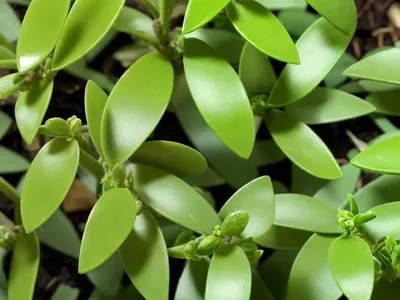
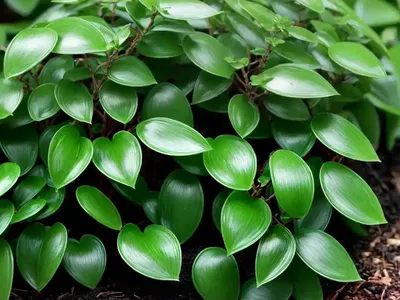
Coprosma Sahara is a striking evergreen shrub belonging to the Rubiaceae family, renowned for its vibrant and variegated foliage. Native to New Zealand, it has garnered widespread popularity due to its diverse landscape uses, including ornamental and ground cover purposes. The plant displays an intricate blend of colors, ranging from vivid oranges and reds to deep greens, making it a visually appealing choice for gardens and indoor spaces.
Key Takeaways – Coprosma Sahara
Before we delve into the specifics of caring for Coprosma Sahara, here are the key takeaways highlighting its prominent characteristics and care requirements:
- Botanical Name: Coprosma repens ‘Sahara’
- Plant Family: Rubiaceae
- Plant Type: Evergreen shrub
- Foliage Colors: Variegated, including orange, red, and green hues
- Landscape Uses: Ornamental plant, ground cover, and container gardening
- Watering: Regular, moderate water requirements
- Sunlight: Thrives in full sun to partial shade conditions
- Soil: Well-draining, fertile soil
- Pruning: Minimal pruning required for maintenance
- Propagation: Easily propagated through stem cuttings
- Disease Resistance: Exhibits resilience to common plant diseases
- Pest Tolerance: Generally resistant to pests, minimal pest issues
- Hardiness: Tolerant to a range of climate conditions
Now, let’s explore the detailed care guidelines for nurturing Coprosma Sahara, considering its cultural requirements, propagation techniques, common diseases, and more.
Culture and Care Guidelines
Water
The watering requirements for Coprosma Sahara are relatively moderate, and it is crucial to maintain consistent moisture levels without allowing the soil to become waterlogged. Additionally, adequate drainage is essential to prevent water stagnation, which may lead to root rot. During the growing season, regular watering is recommended, ensuring that the soil is moist but not saturated. In contrast, reduced watering is advised during the dormant winter period, allowing the soil to partially dry out between watering sessions.
Sunlight
Coprosma Sahara thrives in a variety of light conditions, ranging from full sun to partial shade. When cultivated in outdoor settings, it exhibits vigorous growth in full sun exposure, showcasing the full vibrancy of its variegated foliage. However, it can also adapt to partial shade conditions, especially in regions with intense sunlight, where it benefits from some respite during the hottest parts of the day.
Soil
The ideal soil environment for Coprosma Sahara comprises well-draining, fertile soil with a slightly acidic to neutral pH level. A mix of organic matter, such as compost or peat moss, can be incorporated into the soil to enhance its nutrient content and drainage capabilities. The plant’s root system thrives in soil that allows excess moisture to percolate through, preventing waterlogging and associated issues.
Fertilizer
Applying a balanced, slow-release fertilizer during the growing season can bolster the vigor and foliage coloration of Coprosma Sahara. Prioritize using a fertilizer formulated for acid-loving plants, enriched with essential micronutrients. It’s advisable to follow the recommended application rates provided by the fertilizer manufacturer, ensuring that excessive fertilizer concentrations are avoided to prevent potential damage to the plant.
Pruning
Coprosma Sahara typically requires minimal pruning, primarily for maintenance purposes and shaping the plant to achieve the desired aesthetic appeal. Pruning can be carried out during the early spring, facilitating the removal of any dead or damaged branches and promoting compact and bushy growth. It’s crucial to utilize clean, sharp pruning tools to prevent unnecessary stress or injury to the plant.
Propagation Techniques
The propagation of Coprosma Sahara can be effectively accomplished through stem cuttings, providing a straightforward method for expanding your plant collection or sharing its beauty with others. The following steps outline the basic process of propagating Coprosma Sahara from cuttings:
-
Selecting Cuttings: Choose healthy, non-flowering stem cuttings measuring approximately 4-6 inches in length. Opt for sections of the plant that exhibit vigorous growth and leaf nodes, as these are the areas where new roots will emerge.
-
Prepare Planting Medium: Prepare a well-draining propagation medium using a blend of perlite and peat moss or a specialized rooting substrate. Moisten the medium slightly to create a conducive environment for root development.
-
Planting Cuttings: Remove the lower leaves from the lower portion of the stem cutting to expose the nodes. Insert the prepared cuttings into the planting medium, ensuring that at least two nodes are buried beneath the surface. Gently firm the medium around the cuttings for stability.
-
Provide Optimal Conditions: Place the planted cuttings in a warm, brightly lit location with indirect sunlight. Maintain consistent moisture levels in the growing medium, utilizing a misting spray to ensure adequate humidity around the cuttings.
-
Root Development: Over the course of several weeks, monitor the cuttings for the emergence of new roots. Once the roots have developed sufficiently, the cuttings can be transplanted into individual containers or the desired outdoor location.
By following these propagation guidelines, you can effectively propagate Coprosma Sahara and witness the successful establishment of new plants.
Container Planting
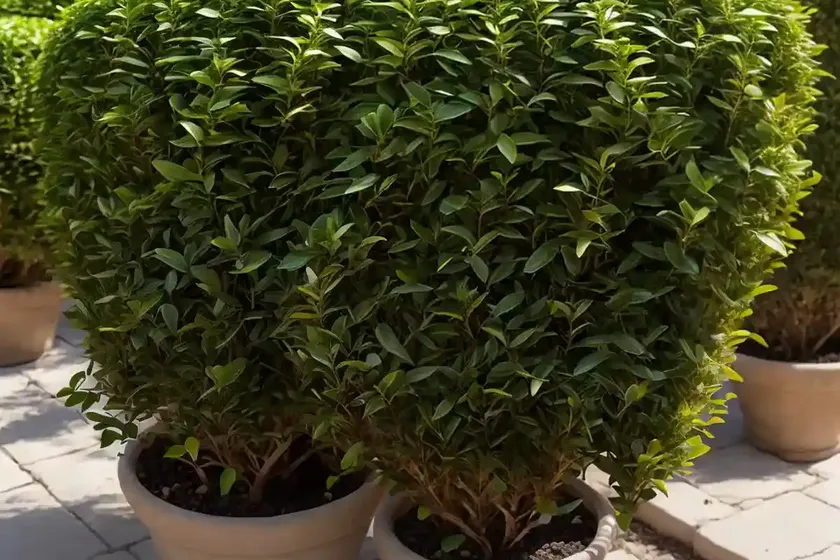
Coprosma Sahara is well-suited for container gardening, offering a versatile option for adding vibrant foliage to indoor and outdoor spaces. When selecting a container for the plant, prioritize options with adequate drainage holes to prevent water accumulation. A well-draining potting mix that provides ample aeration for the roots is essential for container cultivation. Additionally, positioning the container in a location that receives ample sunlight or partial shade is imperative for the plant’s well-being.
Popularity and Common Uses
The popularity of Coprosma Sahara stems from its multifaceted uses in landscaping and ornamental horticulture. Its visually captivating foliage and adaptable nature make it a favored choice for various applications, including:
-
Ornamental Planting: Utilized as a standalone specimen or incorporated into mixed border plantings to introduce vivid color contrasts and visual interest.
-
Ground Cover: Due to its spreading growth habit and resilient nature, Coprosma Sahara serves as an excellent ground cover option, particularly in areas where low-maintenance and visually appealing ground cover is desired.
-
Container Gardening: The striking foliage and compact growth make Coprosma Sahara an ideal candidate for container gardening, adding a splash of color to patios, balconies, and indoor spaces.
Common Diseases and Disease Diagnosis
Coprosma Sahara exhibits strong resistance to common plant diseases, attributing to its overall robustness as an ornamental plant. However, it’s essential to monitor the plant for any signs of stress or disease susceptibility. The following are typical diseases that may affect Coprosma Sahara and strategies for disease diagnosis:
-
Leaf Spotting Diseases: Keep a lookout for leaf spots, which could indicate fungal or bacterial infections. If observed, promptly remove affected foliage and ensure that the surrounding environment promotes good air circulation to mitigate disease spread.
-
Root Rot: Excessive moisture and waterlogging can contribute to the development of root rot in Coprosma Sahara. Symptoms include wilting, yellowing leaves, and a foul odor emanating from the affected roots. Adjust watering practices and improve soil drainage to prevent and alleviate root rot issues.
Common Pests
While Coprosma Sahara is generally resilient to pest infestations, occasional encounters with common garden pests may occur. Vigilance and proactive pest management strategies are crucial to maintaining the plant’s health and vitality. The following are common pests that may affect Coprosma Sahara:
-
Aphids: Keep an eye out for clusters of small, sap-sucking aphids on the foliage. Consider employing natural predators, such as ladybugs, to control aphid populations and maintain a balanced ecosystem in the garden.
-
Scale Insects: Scale insects may appear as small, waxy bumps on the plant stems or foliage. Carefully remove scale insects using a soft brush or cotton swab dipped in alcohol, taking care not to damage the plant during the process.
Botanist’s Tips
To ensure the successful cultivation and care of Coprosma Sahara, consider implementing the following botanist’s tips:
-
Appropriate Watering: Prioritize maintaining consistent but moderate moisture levels, avoiding both drought stress and waterlogged conditions.
-
Sunlight Requirements: Provide ample sunlight or partial shade, depending on the specific climate and environmental conditions. Adjust positioning as needed to optimize light exposure.
-
Nutrient-Rich Soil: Incorporate organic matter into the soil to enhance its nutrient content and structure, promoting healthy root development and overall growth.
-
Pruning Practices: Limit pruning to essential maintenance and shaping tasks, preventing excessive foliage removal and maintaining the plant’s natural form.
Fun Facts
Here are some intriguing fun facts about Coprosma Sahara that highlight its unique characteristics and significance:
-
Color Variations: Coprosma Sahara’s foliage exhibits a captivating array of colors, including shades of orange, red, and green, creating a visually dynamic display.
-
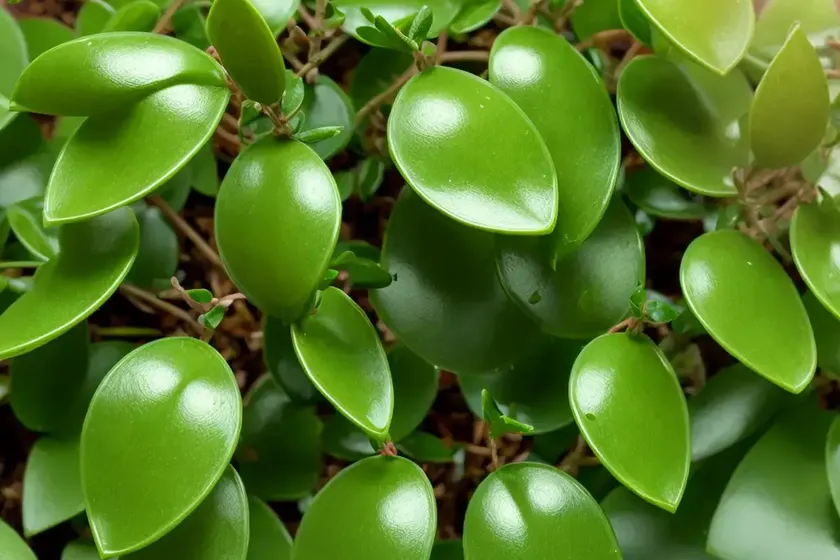
Leaf Texture: The leaves of Coprosma Sahara feature a glossy texture, enhancing their aesthetic appeal and contributing to the plant’s ornamental value.
-
Native Habitat: Originating from New Zealand, Coprosma Sahara draws inspiration from its natural habitat, where it thrives in diverse ecological settings.
Links to External Resources
For deeper insights into Coprosma Sahara care and cultivation, explore the following external resources for additional guidance and information:
-
Plants for a Future: Provides detailed botanical information and cultivation tips for Coprosma repens, offering valuable insights into the plant’s characteristics.
-
Royal Horticultural Society (RHS) – Coprosma repens: Offers comprehensive guidance on Coprosma repens, encompassing its cultivation requirements, varieties, and landscape uses.
-
Gardening Know How – Coprosma Care: Offers tips and advice on the care and cultivation of Coprosma shrubs, providing practical guidance for plant enthusiasts.
In conclusion, the enthralling Coprosma Sahara stands as a testament to the remarkable diversity and beauty of plant life. Through dedicated care and attention to its cultural requirements, this evergreen shrub has the potential to enrich landscapes and interior spaces with its captivating foliage and enduring charm. By embracing the insights presented in this comprehensive care guide, you can embark on a fulfilling journey of nurturing and enjoying the vibrant allure of Coprosma Sahara within your botanical haven.
Remember, every leaf tells a story, and Coprosma Sahara’s story is one of vibrant hues and timeless elegance, waiting to be embraced in your garden or indoor sanctuary. Happy gardening!
References
- Craven, L. A. (2004). Coprosma repens. In: IUCN 2013. IUCN Red List of Threatened Species. Version 2013.2.
- “Coprosma repens ‘Sahara’ – Landscape Plants.” University of Florida, IFAS.
- “Coprosma repens – Common Names in English / Native.” World Flora Online.
- “Growing and Caring for Your Coprosma | DIY | Bunnings.” Bunnings Warehouse.