Mingimingi (Coprosma Propinqua)
Mingimingi, scientifically known as Coprosma propinqua, is an evergreen shrub endemic to New Zealand. With its delightful foliage and unique.
Introduction
Mingimingi, scientifically known as Coprosma propinqua, is an evergreen shrub endemic to New Zealand. With its delightful foliage and unique characteristics, it has gained popularity among gardeners and landscapers worldwide. In this comprehensive guide, we will delve into the various aspects of Mingimingi, including its cultural requirements, uses, care tips, and much more.
Key Takeaways – Mingimingi (Coprosma Propinqua)
Mingimingi, or Coprosma Propinqua, offers a myriad of benefits and is an excellent addition to any garden or landscape. Here are some key takeaways:
- Mingimingi is an evergreen shrub native to New Zealand, characterized by its small, glossy leaves and vibrant foliage.
- It is well-suited for container gardening, landscaping, and even has traditional medicinal uses.
- Mingimingi requires well-draining soil, prefers partial to full sunlight, and thrives in moderate watering conditions.
- Regular pruning helps maintain its compact shape and promotes healthy growth.
- While relatively low-maintenance, Mingimingi may be susceptible to certain diseases and pest infestations, which can be managed with proper care and attention.
Now, let’s explore each aspect of Mingimingi in more detail.
What is Mingimingi (Coprosma Propinqua)?
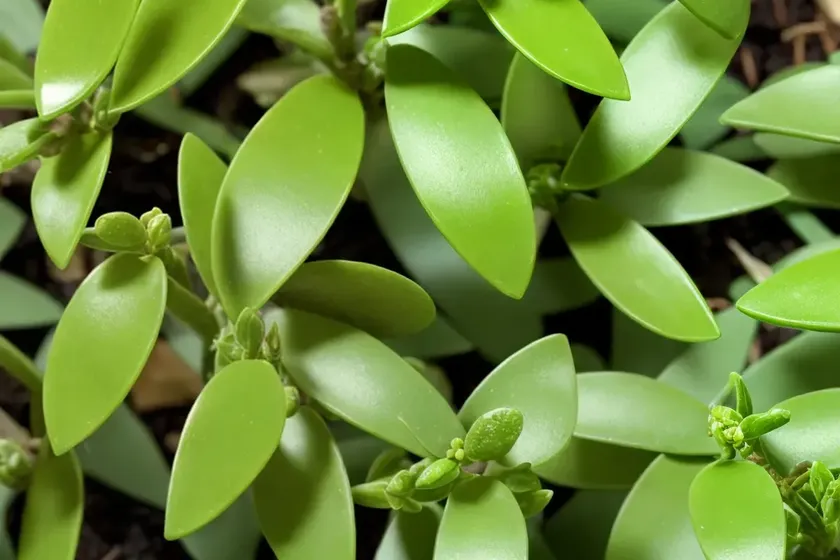
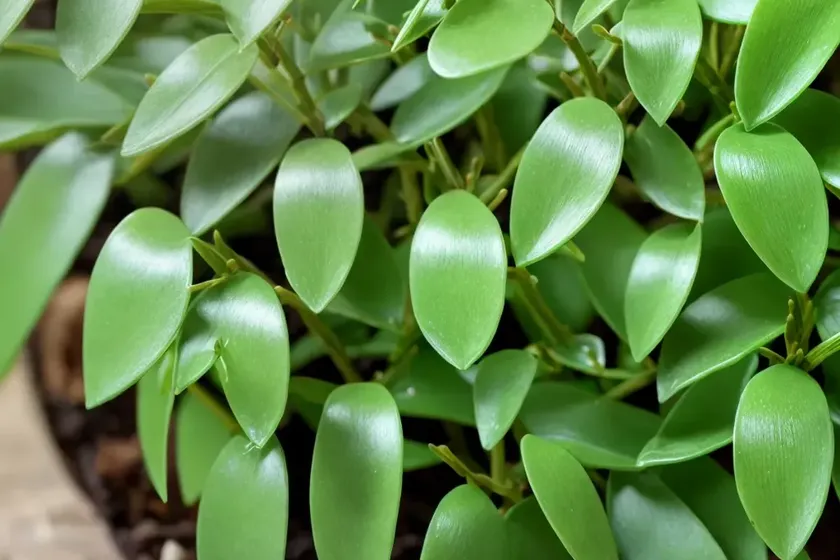
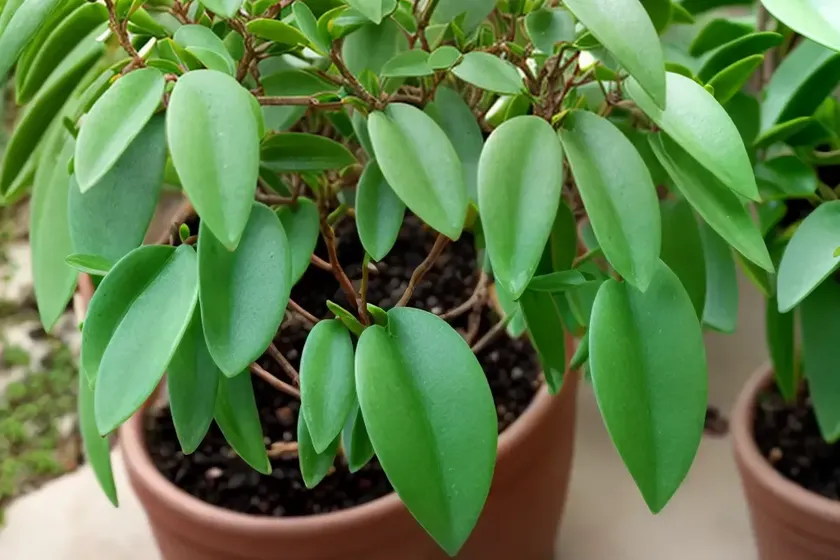
Mingimingi, also known as Coprosma Propinqua, belongs to the Rubiaceae family and is indigenous to New Zealand. It is a compact, evergreen shrub with small, leathery leaves that vary in color from green to bronze and gold, depending on the cultivar. This variability in leaf color makes it an attractive ornamental plant for landscaping and adds visual interest to gardens.
Plant Characteristics
Here are some key characteristics of Mingimingi that make it a sought-after plant:
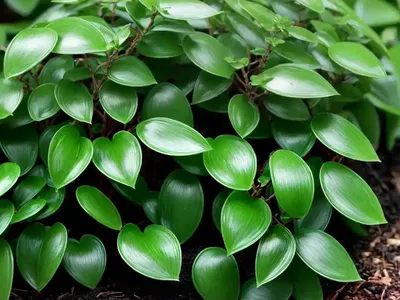
- Foliage: The glossy foliage of Mingimingi features small, elliptical leaves that are arranged alternately along the stems.
- Flowers: While not its primary ornamental feature, Mingimingi produces small, inconspicuous flowers followed by colorful berries in the autumn, adding to its visual appeal.
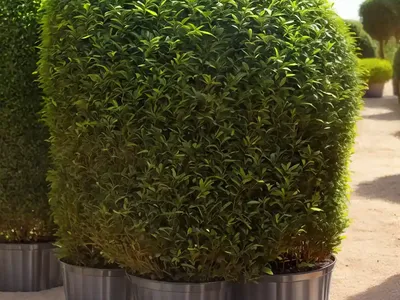
- Growth Habits: It typically grows in a compact, rounded form and can reach a height of 1-3 meters, making it suitable for hedges, borders, or standalone ornamental planting.
Cultivation of Mingimingi
To grow and maintain Mingimingi successfully, it is essential to understand its cultural requirements, including water, sunlight, fertilizer, soil, pruning, and propagation techniques. Let’s explore each aspect in detail.
Water
Mingimingi prefers moderate watering, especially during the growing season. It is essential to allow the soil to dry slightly between waterings to prevent waterlogged conditions, which can lead to root rot. Once established, it exhibits good drought tolerance, making it a suitable choice for xeriscaping and low-water gardens.
Sunlight
In terms of sunlight, Mingimingi thrives in partial to full sun. While it can tolerate some shade, it tends to exhibit the most vibrant leaf coloration when grown in brighter light conditions. Therefore, it is ideal to position it in a location that receives ample sunlight for at least a portion of the day to promote healthy growth and vibrant foliage.
Fertilizer
Mingimingi is relatively low-maintenance and does not require heavy feeding. However, applying a balanced, slow-release fertilizer in the spring can support its growth and overall health. Choose a fertilizer specifically formulated for woody plants and follow the manufacturer’s instructions for application rates.
Soil
The ideal soil conditions for Mingimingi include well-draining, acidic to neutral soils. It can adapt to various soil types, including sandy, loamy, or clay soils, as long as they are not waterlogged. Amending the soil with organic matter can further enhance its drainage and overall soil structure, creating an optimal environment for healthy root development.
Pruning
Pruning is an essential aspect of Mingimingi care, especially for maintaining its compact, rounded form and promoting dense foliage. It is best to prune Mingimingi in late winter or early spring before new growth appears. Remove any dead or diseased branches, and shape the plant as desired to encourage bushy, attractive growth.
Propagation
Mingimingi can be propagated through both seeds and semi-hardwood cuttings. While growing from seeds is a viable option, propagation from cuttings is more commonly practiced as it yields quicker results and maintains the characteristics of the parent plant. To propagate Mingimingi from cuttings, select healthy, semi-hardwood stems and follow the standard propagation practices for woody shrubs.
Mingimingi in Containers
Mingimingi’s compact growth habit and attractive foliage make it well-suited for container gardening. Whether grown in pots or planters, it adds an ornamental touch to outdoor and indoor spaces. When cultivating Mingimingi in containers, consider the following:
- Container Size: Choose a container that provides ample room for root development while complementing the plant’s size. It should have drainage holes to prevent waterlogging.
- Potting Mix: Utilize a well-draining potting mix designed for woody plants to ensure proper aeration and moisture retention. Adding perlite or coarse sand to the mix can further improve drainage.
Mingimingi: Uses and Landscaping
Mingimingi offers diverse uses, ranging from ornamental landscaping to traditional and medicinal applications. Let’s explore its various uses in more detail.
Ornamental Landscaping
In landscaping, Mingimingi is employed for diverse ornamental purposes, including:
- Hedging: Its dense growth habit and vibrant foliage make it an excellent choice for creating low to medium-height hedges, borders, or screens.
- Mixed Borders: Mingimingi adds visual interest when combined with other shrubs and perennials in mixed borders, providing year-round color and texture.
- Container Planting: As mentioned earlier, it thrives in containers and can be used to add greenery to patios, decks, and balconies.
Traditional and Medicinal Uses
Mingimingi has historical significance in traditional Maori medicine, where it was utilized for various medicinal purposes. However, it is essential to note that the traditional uses of Mingimingi should be approached with caution, and consulting with a qualified herbalist or healthcare professional is advised before using it for medicinal applications.
Common Diseases and Pests
While Mingimingi is generally resilient, it may be susceptible to certain diseases and pest infestations. Being vigilant and proactive in disease management and pest control is crucial for maintaining its health and vigor.
Disease Diagnosis
Common diseases that can affect Mingimingi include:
- Leaf Spot: This fungal disease manifests as dark spots on the foliage and can lead to leaf yellowing and defoliation over time.
- Root Rot: Waterlogged conditions can cause root rot, leading to wilting and eventual decline of the plant.
- Powdery Mildew: It appears as a white powdery substance on the leaves, often attributed to poor air circulation and high humidity.
Common Pests
Pests that may pose a threat to Mingimingi include:
- Aphids: These small, sap-sucking insects can cluster on the undersides of leaves, causing distortion and yellowing of foliage.
- Scale Insects: They appear as small, waxy bumps on the stems and leaves, sapping the plant’s sap and weakening its vigor.
- Caterpillars: Certain caterpillar species may feed on Mingimingi leaves, leading to visible defoliation if not managed promptly.
Botanist’s Tips for Growing Mingimingi
To ensure the successful cultivation of Mingimingi, consider the following expert tips:
- Site Selection: Choose a planting site that provides well-draining soil and receives ample sunlight for optimal growth and foliage coloration.
- Watering: Strike a balance with watering, ensuring that the soil remains moist but not waterlogged. Adjust watering frequency based on seasonal weather conditions.
- Mulching: Apply a layer of mulch around the base of Mingimingi to conserve soil moisture, deter weed growth, and insulate the roots.
- Monitoring and Care: Regularly monitor the plant for signs of disease, pest infestations, or any cultural issues, and take prompt action to address any observed concerns.
Fun Facts about Mingimingi
Here are some intriguing and lesser-known facts about Mingimingi:
- The genus name “Coprosma” is derived from the Greek words “kopros” (meaning dung) and “osme” (meaning smell), alluding to the disagreeable odor of some species when bruised or crushed.
- In traditional Maori mythology, Mingimingi has cultural significance and is associated with certain spiritual beliefs and practices.
- Mingimingi is known to attract various native birds in its natural habitat, contributing to the biodiversity of the ecosystems it inhabits.
Links to External Resources
For additional information on Mingimingi and Coprosma Propinqua, consider exploring the following resources:
- New Zealand Native Plants – Coprosma Propinqua
- Landscaping with Native Plants: Mingimingi – Royal Botanic Gardens Victoria
- Traditional Uses of Coprosma in Maori Culture – Te Ara Encyclopedia
By understanding the specific cultural requirements and characteristics of Mingimingi, you can successfully grow and appreciate this versatile New Zealand native in your garden or landscape. Whether for ornamental landscaping, traditional uses, or its ecological value, Mingimingi holds an esteemed place in horticulture and natural ecosystems.
In conclusion, Mingimingi (Coprosma Propinqua) exemplifies the remarkable diversity and value of New Zealand’s native flora, captivating enthusiasts and experts alike with its unique attributes and cultural significance.