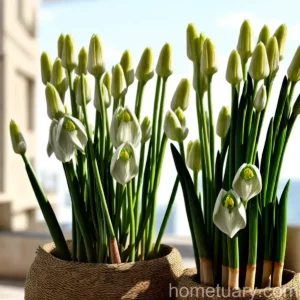
Convallaria majalis var. rosea (Lily of the Valley)
Introduction
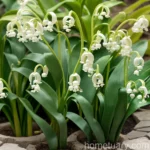
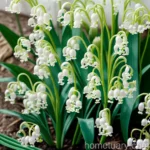
Plants have always fascinated humans with their diversity and beauty. One such plant that has captured the attention of gardeners and nature enthusiasts is Convallaria majalis var. rosea, commonly known as the Lily of the Valley. This delicate and elegant plant is renowned for its enchanting fragrance and dainty pink flowers. In this blog post, we will explore the various aspects of Convallaria majalis var. rosea, from its cultural requirements to its medicinal properties and folklore.
What is Convallaria majalis var. rosea?
Convallaria majalis var. rosea is a species of flowering plant in the Asparagaceae family. It is a variation of the traditional Lily of the Valley, distinguished by its distinctive pink-colored blooms. This perennial plant is native to Europe and has made its way into gardens around the world due to its exquisite beauty and aromatic allure.
Key Takeaways – Convallaria majalis var. rosea (Lily of the Valley)
Before delving into the specifics of cultivating and caring for Convallaria majalis var. rosea, let’s outline some key takeaways about this captivating plant:
- Convallaria majalis var. rosea, also known as the Rose-colored Lily of the Valley, is celebrated for its pink-hued flowers and sweet fragrance.
- The pink variety of Lily of the Valley is sought after for its ornamental appeal and charming presence in garden landscapes.
- Understanding the cultural requirements, uses, and benefits of Convallaria majalis var. rosea is essential for successful cultivation and enjoyment of this exquisite plant.
Culture
Cultivating Convallaria majalis var. rosea requires a good understanding of its specific cultural needs. This includes considerations for water, sunlight, fertilizer, soil, pruning, and propagation.
Uses
The Rose-colored Lily of the Valley has a multitude of uses, ranging from ornamental landscaping to traditional medicine. Some common uses include:
- Ornamental garden plant
- Fragrant cut flower for arrangements
- Medicinal herb with potential therapeutic properties
- Symbolic flower in weddings and celebrations
Water
Convallaria majalis var. rosea thrives in consistently moist, well-drained soil. Adequate watering is crucial, especially during periods of drought. However, it is essential to avoid waterlogged conditions, as this can lead to root rot and other plant health issues.
Sunlight
As an understory plant in its natural habitat, Convallaria majalis var. rosea prefers dappled or partial shade. It can also tolerate full shade, making it an excellent choice for shaded garden areas where other plants may struggle to thrive.
Fertilizer
When it comes to fertilizing Lily of the Valley, a balanced, all-purpose fertilizer can be applied in the spring to support healthy growth and flowering. It is important to follow the manufacturer’s instructions and avoid over-fertilization, which can be detrimental to the plant.
Soil
Convallaria majalis var. rosea thrives in moist, humus-rich, and well-drained soil. It is adaptable to various soil types, including loamy and sandy soils. Maintaining a slightly acidic to neutral soil pH range is ideal for this plant’s optimal growth.
Pruning
Minimal pruning is required for Convallaria majalis var. rosea. Removing spent flowers and yellowing foliage can help maintain the plant’s appearance and prevent the formation of seeds, which can potentially lead to invasive spread in certain environments.
Propagation
The propagation of Convallaria majalis var. rosea can be achieved through division of established clumps in the early spring or fall. Care should be taken to ensure that each divided section has sufficient roots to support its growth.
Container Popularity
The Lily of the Valley, including the pink variety, is well-suited for container gardening. Its compact size and spreading habit make it an attractive choice for adding charm and fragrance to outdoor living spaces, patios, and balconies.
Common Diseases
Convallaria majalis var. rosea, like many plants, is susceptible to certain diseases that can impact its health and vigor. Understanding these common diseases and their diagnosis is crucial for effective management and prevention.
Disease Diagnosis
Some common diseases that may affect Convallaria majalis var. rosea include:
- Anthracnose
- Leaf spot
- Root rot
Early diagnosis of these diseases, often characterized by symptoms such as leaf discoloration, wilting, or unusual spotting, can help in prompt treatment and control measures.
Common Pests
In addition to diseases, Lily of the Valley, including the rose-colored variety, can also face challenges from various pests that may seek to feed on its foliage, flowers, or roots. Some common pests to watch out for include:
- Aphids
- Spider mites
- Slugs and snails
Implementing integrated pest management strategies, such as regular monitoring, promoting natural predators, and using targeted treatments when necessary, can help protect the plant from pest damage.
Botanist’s Tips
As a plant scientist, I would like to offer some valuable tips for cultivating and caring for Convallaria majalis var. rosea:
- Provide well-drained, moist soil with ample organic matter to support healthy growth.
- Avoid direct sunlight and opt for shaded or partially shaded locations for planting.
- Monitor for signs of pests and diseases, and take proactive measures to address any issues to ensure the plant’s vigor.
- Consider the cultural requirements and uses of Lily of the Valley rosea when incorporating it into garden designs for maximum visual impact and appeal.
Fun Facts
Lily of the Valley, particularly the rose-colored variety, has some fascinating and noteworthy attributes that contribute to its allure and appeal:
- In folklore and symbolic language, Lily of the Valley is associated with meanings such as happiness, sweetness, and the return of happiness.
- The fragrant blooms of Convallaria majalis var. rosea have been used in perfumery and as a sought-after scent in luxury fragrances.
- The plant contains cardiac glycosides, compounds that have been of interest in traditional medicine due to their potential medicinal properties.
Links to External Resources
For further information on Convallaria majalis var. rosea, here are some valuable external resources:
- Royal Horticultural Society – Convallaria majalis – A comprehensive guide to Lily of the Valley, including the rose-colored variety, from the Royal Horticultural Society.
- University of Florida IFAS Extension – Lily of the Valley – In-depth information on the cultivation and care of Convallaria majalis, including var. rosea, from the University of Florida IFAS Extension.
- American Society for the Prevention of Cruelty to Animals – Toxic and Non-Toxic Plants: Lily of the Valley – A resource outlining the toxicity of Lily of the Valley to pets, including the rose-colored variety.
In conclusion, Convallaria majalis var. rosea, the Rose-colored Lily of the Valley, is a captivating and enchanting plant with a rich cultural history, ornamental appeal, and intriguing uses. By understanding its cultural requirements, addressing common diseases and pests, and appreciating its symbolic significance, gardeners and plant enthusiasts can fully appreciate the beauty and charm of this delightful perennial. Whether in shaded gardens, fragrant bouquets, or as part of traditional medicine, the pink variety of Lily of the Valley continues to captivate and inspire admiration.
For more information on growing and caring for Convallaria majalis var. rosea, stay tuned to our blog for upcoming articles and insights from the world of plant science. Happy gardening!
#Realiabe Plant Scientist Blog