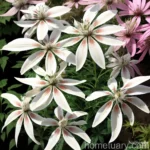
The Spider Flower: Cleome hassleriana ‘Violet Queen’
Plants are a diverse and fascinating group of organisms that play a crucial role in the world’s ecosystems. As a plant scientist, I have dedicated my career to studying the intricate details of various plant species, their characteristics, and their cultivation requirements. In this comprehensive guide, we will explore the captivating world of Cleome hassleriana ‘Violet Queen,’ commonly known as the Spider Flower. From its physical attributes to cultivation tips, pests and diseases, and interesting facts, this article aims to provide a comprehensive understanding of this unique plant.
What is Cleome hassleriana ‘Violet Queen’?
Cleome hassleriana, also known as Spider Flower, is a striking annual plant that belongs to the Cleomaceae family. This species is native to South America, where it thrives in warm climates and is known for its vibrant and showy flowers. The ‘Violet Queen’ variety is particularly renowned for its beautiful violet-hued blooms, which lend a captivating charm to gardens and landscapes.
Cleome hassleriana ‘Violet Queen’ Characteristics
- Height: Spider Flowers typically grow to a height of 3 to 5 feet, making them an excellent choice for adding vertical interest to gardens.
- Flower Structure: The flowers of Cleome hassleriana are composed of four long, thin petals that resemble the legs of a spider, hence the common name “Spider Flower.”
- Color: The ‘Violet Queen’ variety is characterized by stunning violet-colored blooms, adding an eye-catching touch to outdoor spaces.
- Foliage: The plant features intricate, deeply divided palmate leaves, contributing to its overall ornamental appeal.
Key Takeaways – Cleome hassleriana ‘Violet Queen’
Let’s delve into the key aspects of cultivating and caring for Cleome hassleriana ‘Violet Queen.’ From its cultural requirements to pest control and propagation, understanding these factors will enable you to foster thriving Spider Flowers in your own garden.
Culture
- Hardiness Zone: Cleome hassleriana ‘Violet Queen’ thrives in hardiness zones 2 to 11, making it suitable for a wide range of climatic conditions.
- Annual Growth Cycle: Being an annual plant, Spider Flowers complete their life cycle within a single growing season. This means that they germinate, bloom, set seed, and die within one year.
Uses
- Ornamental Beauty: The ‘Violet Queen’ variety of Cleome hassleriana is primarily cultivated for its stunning visual appeal. It serves as an excellent choice for adding color and texture to flower beds, borders, and containers.
- Cut Flowers: The vibrant blooms of Spider Flowers make them a popular choice for cut flower arrangements, adding a touch of elegance to indoor spaces.
Water
- Watering Requirements: Spider Flowers prefer consistently moist soil, especially during the early stages of growth and flower development. However, they are relatively tolerant of short periods of drought once established.
Sunlight
- Sun Exposure: Cleome hassleriana ‘Violet Queen’ thrives in full sun to partial shade, requiring at least 6 hours of direct sunlight for optimal growth and blooming.
Fertilizer
- Feeding Schedule: It is beneficial to feed Cleome hassleriana ‘Violet Queen’ with a balanced, all-purpose fertilizer every 4 to 6 weeks during the growing season to support healthy growth and prolific flowering.
Soil
- Soil Type: Spider Flowers thrive in well-draining, fertile soil with a slightly acidic to neutral pH range. Amending the soil with organic matter can improve its overall quality and texture, providing an ideal growing medium for these plants.
Pruning
- Deadheading: Regular deadheading, which involves the removal of spent blooms, encourages continuous flowering and prevents the plant from setting seeds too early, thus prolonging its blooming period.
Propagation
- Seed Propagation: Cleome hassleriana ‘Violet Queen’ can be propagated from seeds, which should be sown directly into the garden soil after the last frost date. Alternatively, they can be started indoors 6 to 8 weeks before the expected transplanting date.
Container Popularity
- Container Gardening: Spider Flowers, including the ‘Violet Queen’ variety, thrive in containers, making them an excellent choice for balcony gardens, patio displays, and urban landscapes.
Common Diseases
- Leaf Spot: Spider Flowers are susceptible to fungal leaf spot diseases, which can be managed through proper sanitation and cultural practices.
Disease Diagnosis
- Symptoms: The presence of dark, water-soaked spots on the foliage, which may enlarge and develop concentric rings, indicates the onset of fungal leaf spot diseases in Cleome hassleriana.
Common Pests
- Aphids: These small, sap-sucking insects can infest Spider Flowers, leading to distorted growth and the transmission of plant viruses. Regular monitoring and the application of insecticidal soap can effectively manage aphid populations.
Botanist’s Tips
- Companion Planting: Consider companion planting Spider Flowers with aromatic herbs such as basil and lavender to enhance the overall pest resistance and biodiversity of the garden.
Fun Facts
- Pollinator Magnet: Cleome hassleriana ‘Violet Queen’ is highly attractive to pollinators, including bees, butterflies, and hummingbirds, enriching the garden ecosystem and supporting local wildlife.
Links to External Resources
For further information on cultivating and caring for Cleome hassleriana ‘Violet Queen,’ I recommend exploring the following resources:
- University of Florida IFAS Extension: Cleome (Cleome hasslerana)
- Missouri Botanical Garden: Cleome hassleriana
- Royal Horticultural Society: Cleome hassleriana
As we continue to explore the world of Cleome hassleriana ‘Violet Queen,’ this guide will delve deeper into the intricacies of its cultivation requirements, maintenance practices, and the unique characteristics that make it a beloved addition to gardens worldwide.
Cleome hassleriana ‘Violet Queen’ Care
Spider Flower ‘Violet Queen’ Planting Guide
The key to successfully growing Cleome hassleriana ‘Violet Queen’ lies in understanding its specific care requirements, from planting to maintenance and seasonal considerations.
Spider Flower ‘Violet Queen’ Care Tips
- Planting Time: In regions with distinct seasons, it is best to sow Spider Flower seeds directly into the garden soil after the last frost date to ensure robust growth and a prolonged blooming season.
- Maintenance: Regular deadheading and inspection for pests and diseases are crucial aspects of caring for Cleome hassleriana ‘Violet Queen,’ promoting healthy plant development and longevity.
- Winter Care: In colder climates, Spider Flowers are treated as annuals, and the plant will not survive the winter. However, in warmer regions, the plant may self-seed and re-emerge the following year.
Cleome hassleriana ‘Violet Queen’ Varieties
- Color Range: While ‘Violet Queen’ is known for its stunning violet blooms, Spider Flowers are available in a range of colors, including pink, white, and purple, allowing for diverse and captivating garden displays.
Spider Flower Cleome hassleriana ‘Violet Queen’ Information
- Growing Habit: Cleome hassleriana ‘Violet Queen’ has an upright growth habit, with sturdy stems that support the intricate clusters of spider-like blooms.
Cleome hassleriana ‘Violet Queen’ Blooms
- Flowering Period: The ‘Violet Queen’ variety typically blooms from early summer to fall, providing a prolonged period of vibrant floral displays.
Tips for Cultivating Cleome hassleriana ‘Violet Queen’
- Adequate Support: Given their tall growth habit, Cleome hassleriana ‘Violet Queen’ may benefit from staking to provide structural support, especially in regions prone to strong winds.
Cleome hassleriana ‘Violet Queen’ Pruning Tips
- Pruning Technique: When deadheading Spider Flowers, it is advisable to cut the spent blooms back to a leaf node or the main stem, promoting a tidy appearance and encouraging the development of new flowering stems.
Spider Flower Cleome hassleriana ‘Violet Queen’ Growing Conditions
- Temperature Tolerance: Spider Flowers prefer warm temperatures and are sensitive to frost, making them ideal for cultivation in regions with a relatively long growing season.
Cleome hassleriana ‘Violet Queen’ Propagation Methods
- Seed Collection: To save seeds for future cultivation, allow the seed pods of Cleome hassleriana ‘Violet Queen’ to mature and dry on the plant before collecting and storing them in a cool, dry place until the next planting season.
Spider Flower Cleome hassleriana ‘Violet Queen’ Characteristics
- Drought Tolerance: While Spider Flowers thrive in moist soil, the ‘Violet Queen’ variety exhibits moderate drought tolerance once established, making it suitable for regions with sporadic rainfall.
As we progress through this comprehensive guide to Cleome hassleriana ‘Violet Queen,’ we will further explore the plant’s adaptability to various garden settings, its role in supporting local ecosystems, and the unique ornamental features that make it a cherished addition to horticultural landscapes.
Cleome hassleriana ‘Violet Queen’ Landscape Uses
Cleome hassleriana ‘Violet Queen’ Companion Plants
- Complementary Species: Spider Flowers complement a wide range of garden plants, including zinnias, salvias, and marigolds, creating visually appealing and biodiverse garden compositions.
Spider Flower Cleome hassleriana ‘Violet Queen’ Landscape Design Ideas
- Vertical Accent: Due to their tall growth habit and striking blooms, Cleome hassleriana ‘Violet Queen’ serves as a captivating vertical accent in garden borders and mixed perennial beds.
Spider Flower Cleome hassleriana ‘Violet Queen’ Planting Season
- Timing Considerations: Plant Spider Flower seeds or transplants in the spring, ensuring that the soil has warmed sufficiently to support robust seed germination and early growth.
Cleome hassleriana ‘Violet Queen’ Water Requirements
- Optimal Moisture Levels: Spider Flowers benefit from moderate to consistent soil moisture, but they are relatively tolerant of short periods of drought once established, making them suitable for regions with varying precipitation patterns.
Spider Flower Cleome hassleriana ‘Violet Queen’ Sunlight Needs
- Sun Exposure Preferences: Cleome hassleriana ‘Violet Queen’ thrives in full sun to partial shade, making it adaptable to a wide range of garden settings and light conditions.
Cleome hassleriana ‘Violet Queen’ Soil Preferences
- Well-Draining Soil: Spider Flowers prefer fertile, well-draining soil with a neutral to slightly acidic pH range, allowing for optimal root development and nutrient uptake.
Spider Flower Cleome hassleriana ‘Violet Queen’ Pruning Techniques
- Structural Maintenance: In addition to regular deadheading, occasional pruning can help manage the overall size and shape of the plant, ensuring a well-groomed appearance throughout the growing season.
Cleome hassleriana ‘Violet Queen’ Winter Care
- Cold Climate Considerations: In regions with frosty winters, Spider Flowers are treated as annuals and are replanted each year, while in milder climates, they may self-seed and return in subsequent growing seasons.
Spider Flower Cleome hassleriana ‘Violet Queen’ Pest Control
- Integrated Pest Management: Regular monitoring, insecticidal soap applications, and biological controls can effectively manage common pests such as aphids and spider mites, minimizing their impact on the plant.
Cleome hassleriana ‘Violet Queen’ Companion Planting
- Ecological Benefits: By pairing Spider Flowers with a diverse range of companion plants, gardeners can enhance biodiversity, support pollinators, and contribute to a resilient and thriving garden ecosystem.
Spider Flower Cleome hassleriana ‘Violet Queen’ Flowering Period
- Extended Blooming: The ‘Violet Queen’ variety typically exhibits a prolonged flowering period, providing a consistent source of vibrant color and nectar for pollinators throughout the growing season.
Cleome hassleriana ‘Violet Queen’ Landscape Design Ideas
- Mixed Borders: Spider Flowers are well-suited for mixed perennial borders, creating dynamic visual interest and contributing to the overall aesthetic balance of garden compositions.
As we continue to unravel the intricacies of Cleome hassleriana ‘Violet Queen’ and its place in horticulture, we will examine the medicinal and ecological significance of this captivating plant, along with its ornamental features that make it an enduring favorite among gardeners and landscape enthusiasts.
Cleome hassleriana ‘Violet Queen’ Drought-Resistant Qualities
Cleome hassleriana ‘Violet Queen’ Fertilizer Recommendations
- Nutrient Requirements: Spider Flowers benefit from regular feeding with a balanced, all-purpose fertilizer to support healthy growth, vigorous blooming, and overall plant vitality.
Spider Flower Cleome hassleriana ‘Violet Queen’ Pollinator Attraction
- Pollinator Diversity: Cleome hassleriana ‘Violet Queen’ serves as a valuable nectar source for a wide range of pollinators, including bees, butterflies, and moths, enriching the garden with their vibrant activity and supporting local wildlife.
Cleome hassleriana ‘Violet Queen’ Cut Flower Usage
- Floral Arrangements: The distinctive blooms of Spider Flowers, particularly the ‘Violet Queen’ variety, are well-suited for cut flower arrangements, adding a touch of whimsy and elegance to indoor floral displays.
Spider Flower Cleome hassleriana ‘Violet Queen’ Medicinal Benefits
- Traditional Uses: While not widely documented, some traditional medicinal practices have utilized Cleome species for their potential therapeutic properties, demonstrating the cultural significance of these plants in certain regions.
Cleome hassleriana ‘Violet Queen’ in Containers
- Container Gardening: The ‘Violet Queen’ variety is well-adapted to container cultivation, allowing for versatile garden design options and the integration of Spider Flowers into urban and small-space settings.
Spider Flower Cleome hassleriana ‘Violet Queen’ Common Problems
- Disease Susceptibility: Spider Flowers may be prone to fungal leaf spot diseases and certain pests, which can be managed through proactive cultural practices and targeted interventions.
Cleome hassleriana ‘Violet Queen’ Spider-Like Blooms
- Ornamental Features: The unique structure and arrangement of the Spider Flower’s blooms contribute to its intriguing visual allure, captivating the attention of garden visitors and enthusiasts alike.
Spider Flower Cleome hassleriana ‘Violet Queen’ Planting Instructions
- Planting Depth: When directly sowing seeds, cover them with a shallow layer of soil, as they require exposure to light for successful germination and early growth.
Cleome hassleriana ‘Violet Queen’ Natural Habitat
- Ecological Adaptations: Native to South America, Cleome species, including ‘Violet Queen,’ have evolved to thrive in warm, sunny environments, displaying adaptations that contribute to their overall resilience and ecological significance.
Spider Flower Cleome hassleriana ‘Violet Queen’ Drought-Resistant Qualities
- Water-Wise Gardening: Given their moderate drought tolerance, Spider Flowers are suitable candidates for water-conscious gardening practices and landscapes, particularly in regions with limited water availability.
Cleome hassleriana ‘Violet Queen’ Maintenance Tips
- Cultural Care: Regular monitoring, weeding, and soil amending contribute to the overall health and vigor of Cleome hassleriana ‘Violet Queen,’ minimizing the impact of potential stressors and promoting optimal plant performance.
Spider Flower Cleome hassleriana ‘Violet Queen’ Seed Saving
- Seed Collection: To save seeds for future use, allow the seed pods to mature and dry on the plant before carefully collecting and storing them in a cool, dry location.
Cleome hassleriana ‘Violet Queen’ Seasonal Care
- Seasonal Considerations: Spider Flowers require different care approaches during each season, from planting and early growth in the spring to winter dormancy and seed collection in the fall.
Spider Flower Cleome hassleriana ‘Violet Queen’ Landscape Design Ideas
- Border Planting: Cleome hassleriana ‘Violet Queen’ serves as an excellent border plant, providing a vertical element and an abundance of colorful blooms that elevate the overall aesthetic appeal of garden borders.
Cleome hassleriana ‘Violet Queen’ Wildlife Benefits
- Ecological Contributions: By attracting a diverse array of pollinators, Spider Flowers, including the ‘Violet Queen’ variety, contribute to the ecological vibrancy of garden ecosystems, supporting the health and diversity of local wildlife populations.
Spider Flower Cleome hassleriana ‘Violet Queen’ Unique Characteristics
- Distinctive Traits: From its intricate, spider-like blooms to its tall growth habit and beautiful violet coloration, Cleome hassleriana ‘Violet Queen’ exhibits a range of unique characteristics that make it a standout ornamental plant in horticulture.
As we conclude our in-depth exploration of Cleome hassleriana ‘Violet Queen,’ it is evident that this plant holds significant value as an ornamental, ecological, and culturally significant species. Recognizing its broad appeal and diverse attributes, Spider Flowers continue to captivate gardeners and enthusiasts around the world, contributing to vibrant and biodiverse landscapes while serving as a testament to the remarkable beauty and resilience of plant life.
Intricate, spider-like blooms, a vibrant violet hue, and a resilience that transcends climatic boundaries—all of these elements collectively contribute to the enduring allure of Cleome hassleriana ‘Violet Queen’ in horticulture, marking it as a plant worthy of admiration and cultivation in a wide range of garden settings. As we continue to celebrate the unique attributes of plants like the Spider Flower, we embrace the inherent connection between nature and the human spirit, fostering a deeper appreciation for the intricate and captivating world of plants that surrounds us.