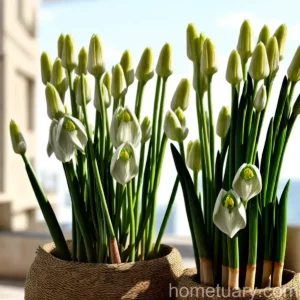
The Enchanting Lily of the Valley: A Complete Plant Care Guide
In this comprehensive guide, we will delve into the captivating world of Convallaria majalis, more commonly known as the Lily of the Valley. We will explore its cultural significance, uses, and most importantly, how to care for this delicate and alluring perennial plant.
What is Convallaria majalis (Lily of the Valley)?
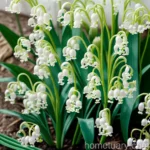
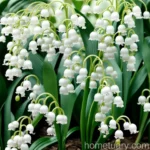
Convallaria majalis, widely recognized as the Lily of the Valley, is a charming perennial plant native to the cool temperate regions of the Northern Hemisphere. Belonging to the Asparagaceae family, this plant species is esteemed for its dainty, bell-shaped, and sweetly scented white flowers that hang delicately from its arching stems.
Key Takeaways – Convallaria majalis (Lily of the Valley)
Before we delve into the intricate care tips for this mesmerizing plant, let’s outline the key takeaways that we will explore in this guide:
- Culture
- Uses
- Water
- Sunlight
- Fertilizer
- Soil
- Pruning
- Propagation
- Container Popularity
- Container Common Diseases
- Disease Diagnosis
- Common Pests
- Botanist’s Tips
- Fun Facts
- Links to External Resources
Let’s embark on an enthralling journey into the world of Convallaria majalis, where you will discover the intricacies of caring for this alluring plant and unravel its many splendid facets.
Culture of Convallaria majalis
The Lily of the Valley has a rich cultural history, having been adored for centuries for its exceptional beauty and enchanting aroma.
Uses
The uses of Convallaria majalis are diverse and captivating, ranging from ornamental displays to medicinal and symbolic purposes. The plant is often utilized in the following ways:
-
Ornamental Planting: The captivating beauty and delicate fragrance of the Lily of the Valley make it a popular choice for ornamental planting in gardens and landscapes.
-
Medicinal Purposes: Traditionally, the plant has been used in herbal medicine for its alleged medicinal properties, although caution must be exercised due to its toxic nature.
-
Symbolism: The Lily of the Valley is a symbol of humility, sweetness, and the return of happiness, making it a popular addition to bouquets, especially in weddings and other celebratory events.
Convallaria majalis – Plant Care Guide
Taking care of the Lily of the Valley requires attention to detail and a good understanding of its specific needs. Let’s delve into the crucial aspects of caring for this beloved plant, from water requirements to potential diseases and pests.
Water
-
Watering Schedule: The Lily of the Valley thrives in consistently moist soil. During the growing season, it is vital to ensure that the plant receives regular, even moisture to support healthy growth and flowering. However, it is essential to avoid waterlogged conditions, as this can lead to root rot.
-
Signs of Underwatering: If the plant is underwatered, the leaves may become dull and droopy. In such cases, it is crucial to water the plant thoroughly and consistently to revive its vigor.
-
Signs of Overwatering: On the other hand, overwatering can lead to yellowing leaves and, in severe cases, root rot. It is imperative to strike a balance and ensure that the soil is consistently moist but not waterlogged.
Sunlight
-
Light Requirements: Convallaria majalis thrives in shaded or partially shaded areas, making it a perfect choice for woodland gardens and shaded borders. It is vital to protect the plant from direct sunlight, as prolonged exposure can scorch its delicate foliage.
-
Leaf Coloration: When the Lily of the Valley is provided with suitable light conditions, its foliage retains a vibrant green hue, enhancing its aesthetic appeal within the garden landscape.
Fertilizer
-
Fertilization Schedule: The Lily of the Valley benefits from a light application of balanced fertilizer in early spring to support healthy growth and flowering. It is crucial to follow the recommended dosage to prevent fertilizer burn and other potential issues.
-
Organic Options: Optionally, organic fertilizers such as well-rotted compost or aged manure can be employed to enrich the soil and provide essential nutrients to the plant.
Soil
-
Soil Composition: Convallaria majalis thrives in well-draining, humus-rich soil with slightly acidic to neutral pH levels. The soil should retain moisture without becoming waterlogged, providing an ideal environment for the plant’s roots to flourish.
-
Mulching Benefits: Applying a layer of organic mulch around the base of the plant helps retain soil moisture, suppresses weed growth, and provides some insulation for the roots, especially during extreme weather conditions.
Pruning
-
Pruning Method: In late spring or summer, after the plant has finished flowering, spent blooms and yellowing foliage can be gently removed to maintain the plant’s aesthetic appeal and encourage healthy regrowth.
-
Cautionary Note: It is vital to exercise caution when pruning, as all parts of the Lily of the Valley are toxic if ingested, and direct contact with the sap can cause skin irritation in some individuals.
Propagation
Convallaria majalis can be propagated through several methods, offering enthusiasts various approaches to expand their collection of these enchanting plants. The following techniques can be utilized for propagating the Lily of the Valley:
-
Division: The most common method of propagation involves dividing established clumps of Lily of the Valley in early spring or after the plant has finished flowering. This allows for the creation of new plants while rejuvenating the parent plant.
-
Seeds: While less common, propagating from seeds is also a viable option. However, it is crucial to note that seeds may take several years to mature into flowering plants, necessitating patience and consistent care.
Container Popularity
The compact and delicate beauty of the Lily of the Valley makes it an excellent choice for container planting, adding a touch of elegance to balconies, patios, and indoor spaces. Here are the essential considerations for cultivating Convallaria majalis in containers:
-
Container Selection: Opt for well-draining containers with sufficient depth to accommodate the plant’s root system while allowing excess moisture to escape.
-
Soil Requirements: Employ high-quality potting mix with excellent drainage properties, promoting healthy root development and minimizing the risk of water-related issues.
Common Diseases
While the Lily of the Valley is generally resilient, it can be susceptible to certain diseases that may affect its vitality and aesthetic appeal. Some of the common diseases to be mindful of include:
-
Anthracnose: This fungal disease can cause brown lesions on the leaves and may require a combination of cultural and chemical control methods for effective management.
-
Leaf Blight: Manifesting as dark spots on the foliage, leaf blight can be addressed through proper sanitation and the removal of affected plant matter.
Disease Diagnosis
Early detection and accurate diagnosis of plant diseases are imperative for timely intervention and effective management. When observing signs of distress in Convallaria majalis, consider the following steps for disease diagnosis:
-
Visual Inspection: Carefully examine the plant for any changes in leaf color, texture, or the presence of abnormal spots or lesions.
-
Research and Consultation: Utilize reputable plant pathology resources and consult with experienced gardeners or horticulturists to identify potential diseases and their corresponding management strategies.
Common Pests
While relatively resilient, the Lily of the Valley may encounter pest infestations, necessitating prompt and targeted intervention to safeguard its health and vigor. Some of the common pests that may affect Convallaria majalis include:
-
Spider Mites: These tiny pests can cause stippling and discoloration on the foliage, adversely impacting the plant’s overall aesthetic appeal.
-
Slugs and Snails: These moisture-loving pests can feed on the tender foliage of the Lily of the Valley, potentially causing extensive damage if left unchecked.
Botanist’s Tips
As experienced botanists and horticulturists, we have compiled a set of essential tips to guide you in successfully cultivating and caring for Convallaria majalis:
-
Gardening Gloves: When handling the Lily of the Valley, especially during pruning and propagation activities, it is advisable to wear gardening gloves to protect your skin from potential irritation caused by the plant’s sap.
-
Optimal Moisture Levels: Maintain consistent soil moisture, avoiding extremes that can compromise the plant’s health. Consider employing drip irrigation or mulching to regulate moisture levels effectively.
-
Elevated Planting: When cultivating the Lily of the Valley in garden beds, slightly elevate the planting area to prevent waterlogging and facilitate healthy root development.
Fun Facts
The Lily of the Valley has captivated the hearts of plant enthusiasts and poets alike for centuries, thanks to its bewitching beauty and symbolic significance. Here are some delightful and fascinating facts about Convallaria majalis:
-
Fragrant Blooms: The enchanting fragrance of the Lily of the Valley has inspired perfumers for generations, leading to its inclusion in renowned perfumes and fragrances.
-
Royal Associations: This beloved plant has adorned the gardens of royalty and has been featured in various royal occasions and celebrations, symbolizing purity and elegance.
-
Literary References: Renowned writers and poets have extolled the virtues of the Lily of the Valley, often associating it with purity, sweetness, and the ephemeral nature of life.
Links to External Resources
As you continue on your journey to nurture and appreciate the captivating beauty of Convallaria majalis, we encourage you to explore the following external resources for additional insights and guidance:
- Royal Horticultural Society – Growing Lily of the Valley
- Gardening Know How – Lily of the Valley Planting Guide
- University of Florida IFAS Extension – Lily of the Valley Care Guide
- American Society for the Prevention of Cruelty to Animals – Lily of the Valley Toxicity
Join us as we unravel the captivating world of Convallaria majalis and discover the joys of cultivating and caring for the delightful Lily of the Valley. With our comprehensive plant care guide and the allure of this beloved perennial, you are poised to embark on a rewarding journey in the realm of horticulture and timeless natural beauty.