Coneflower (Echinacea ‘TNECHKR’ KISMET RASPBERRY) – A Comprehensive Plant Guide
Coneflowers, specifically the Echinacea ‘TNECHKR’ KISMET RASPBERRY, are popular and stunning perennials known for their unique beauty and a myriad of uses. In this comprehensive plant guide, we will delve into the cultural, medicinal, and ornamental aspects of coneflowers while providing essential care tips, disease management, and fun facts. Let’s explore the fascinating world of the Echinacea ‘TNECHKR’ KISMET RASPBERRY and unlock the secrets of its beauty and utility.
What is Coneflower (Echinacea ‘TNECHKR’ KISMET RASPBERRY)?
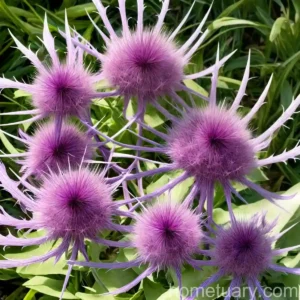
The Echinacea ‘TNECHKR’ KISMET RASPBERRY, commonly known as coneflower, is a flowering plant that belongs to the Asteraceae family. This vibrant and robust perennial is a hybrid Echinacea variety that exhibits stunning raspberry-colored flowers, making it a popular choice in gardens and landscapes.
Coneflowers are native to North America and are renowned for their drought tolerance, making them an excellent choice for xeriscaping and low-maintenance gardening. This particular cultivar, KISMET RASPBERRY, is celebrated for its long-blooming period, attracting pollinators and adding brilliant pops of color to outdoor spaces.
Key Takeaways – Coneflower (Echinacea ‘TNECHKR’ KISMET RASPBERRY)
Before we continue our exploration of the Echinacea ‘TNECHKR’ KISMET RASPBERRY, let’s take a moment to highlight the key takeaways associated with this captivating plant:
-
Coneflower Benefits: As an ornamental plant, coneflowers bring color and vitality to gardens, while also offering medicinal and herbal benefits.
-
Echinacea Varieties: The Echinacea genus encompasses a wide array of species and hybrids, each with its own distinct characteristics and allure.
-
Kismet Raspberry Coneflower: The KISMET RASPBERRY variety of coneflowers is known for its stunning raspberry-colored blooms and extended flowering period.
-
Echinacea ‘TNECHKR’ KISMET RASPBERRY: This specific cultivar of coneflower enthralls with its unique characteristics, making it a sought-after addition to landscapes and horticultural collections.
-
Coneflower Care Tips: Understanding the specific care requirements of coneflowers is essential for ensuring their optimal growth and longevity.
-
Growing Echinacea: Exploring the nuances of growing Echinacea plants sheds light on their adaptability and suitability for diverse climates and gardening practices.
-
Coneflower Herbal Uses: Beyond its ornamental value, coneflowers have a rich history of herbal and medicinal applications, making them a versatile and valuable plant.
-
Echinacea Medicine: Delving into the medicinal properties of Echinacea underscores the plant’s significance in traditional and modern healthcare practices.
-
Kismet Raspberry Coneflower Facts: Uncovering intriguing facts about the KISMET RASPBERRY coneflower adds depth to our appreciation of this captivating plant.
-
Echinacea Hybrids: The development of hybrid Echinacea varieties highlights the ongoing efforts to enhance the ornamental and horticultural traits of these plants.
-
Coneflower Plant Guide: A comprehensive plant guide serves as an invaluable resource for both novice and experienced gardeners seeking to cultivate coneflowers successfully.
With these key takeaways in mind, let’s embark on a journey to understand the culture, care, and significance of the Echinacea ‘TNECHKR’ KISMET RASPBERRY.
Culture
Understanding the cultural requirements of coneflowers is crucial for fostering their optimal growth and development. From soil and sunlight to water and fertilizer needs, the cultural considerations play a pivotal role in shaping the health and vibrancy of these stunning perennials.
Water
Coneflowers are known for their resilience in varying moisture conditions, making them well-suited to both dry and moderately moist environments. While established plants display drought tolerance, providing regular water during dry spells can promote robust flowering and overall plant vigor. However, it’s important to avoid waterlogged conditions, as excessive moisture can lead to root rot and other detrimental issues. When watering coneflowers, it’s advisable to observe the soil moisture levels and aim for a balanced approach, allowing the soil to partially dry out between watering sessions.
Sunlight
Coneflowers thrive in full sun to part shade, with a preference for at least 6 hours of direct sunlight per day. Adequate sun exposure is essential for stimulating abundant flowering and maintaining the plant’s overall health. In regions with scorching summers, providing some respite from intense afternoon sun can be beneficial, particularly during heatwaves. Understanding the local climate and adapting the sunlight exposure accordingly can contribute to the successful cultivation of coneflowers.
Fertilizer
In general, coneflowers are not heavy feeders and can thrive in moderately fertile soils. When it comes to fertilizer application, a balanced, slow-release fertilizer or organic compost applied in spring can support healthy growth and flower production. Excessive nitrogen should be avoided, as it can promote lush foliage at the expense of floral displays. Additionally, periodic top-dressing with compost can enrich the soil and sustain the long-term vitality of coneflowers, reducing the need for synthetic fertilizers.
Soil
Coneflowers prefer well-draining soil with a slightly acidic to neutral pH. Soil that retains excessive moisture can predispose the plants to root diseases, emphasizing the importance of soil drainage. Amending heavy or clay soils with organic matter can improve drainage and create a more hospitable environment for coneflowers. Additionally, the use of mulch can aid in moisture retention, weed suppression, and soil insulation, benefiting the overall well-being of these resilient perennials.
Pruning
Pruning coneflowers serves multiple purposes, including enhancing air circulation, encouraging continuous flowering, and maintaining an attractive plant shape. Deadheading spent blooms can prolong the flowering period and prevent the plants from expending energy on seed production. Additionally, removing old, withered foliage and stems can promote a neat and tidy appearance while minimizing the risk of disease development. Pruning tasks can be carried out throughout the growing season, with a more comprehensive trim performed in late fall or early spring to rejuvenate the plants for the upcoming growing season.
Propagation
Coneflowers can be propagated through various methods, including division, seed sowing, and stem cuttings. Each approach offers unique advantages and considerations, empowering gardeners to expand their coneflower collection and share the beauty of these plants with others.
-
Division: Dividing established clumps of coneflowers every 3-4 years not only aids in rejuvenating the plants but also yields new divisions for transplanting or sharing. Spring or early fall is an ideal time for dividing coneflowers, allowing the divided segments to establish before the onset of harsher weather conditions.
-
Seed Sowing: Growing coneflowers from seeds provides an exciting opportunity to explore genetic variations and develop a diverse array of plants. Direct sowing in the garden or starting seeds indoors for later transplanting can both lead to successful establishment, with some cultivation guidelines to ensure optimal germination and early growth.
-
Stem Cuttings: Propagating coneflowers from stem cuttings presents a practical method for multiplying desirable cultivars while preserving their unique traits. Selecting healthy, non-flowering stems and providing conducive rooting conditions can facilitate the successful propagation of coneflowers by cuttings.
Container Popularity
The popularity of growing coneflowers in containers has surged in recent years, driven by their adaptability to confined spaces, vibrant floral displays, and low-maintenance requirements. Containers offer the flexibility to position coneflowers in prominent locations, such as patios, balconies, and entryways, adding a touch of elegance and color to urban and suburban settings. Moreover, container-grown coneflowers are easily movable, allowing for dynamic arrangements and seasonal repositioning to maximize visual impact.
Container Common Diseases
While container-grown coneflowers generally experience fewer disease issues than their counterparts in garden beds, several common ailments can affect their health and vitality. Understanding these diseases and their management strategies is essential for safeguarding the well-being of coneflowers in containers.
Disease Diagnosis
When diagnosing diseases in container-grown coneflowers, it’s important to be vigilant for common fungal infections such as powdery mildew and leaf spot diseases. Powdery mildew presents as a white, powdery coating on the leaves, while leaf spot diseases manifest as dark or discolored spots on the foliage. Identifying the specific disease symptoms and promptly implementing appropriate control measures can prevent the escalation of these issues and preserve the visual appeal of container-grown coneflowers.
Common Pests
Pests such as aphids, spider mites, and thrips can pose challenges to container-grown coneflowers, particularly in protected and often warmer environments. Regular monitoring for pest activity, employing natural predators or horticultural oils, and practicing good cultural habits can mitigate pest infestations and limit their impact on coneflower health. Additionally, maintaining proper sanitation and avoiding overfertilization can contribute to pest prevention strategies for container-grown coneflowers.
Botanist’s Tips
As a plant enthusiast and botanist, I am delighted to offer some valuable tips for cultivating and appreciating coneflowers, particularly the enchanting Echinacea ‘TNECHKR’ KISMET RASPBERRY:
-
Encourage Pollinators: Coneflowers are renowned for attracting pollinators, including bees, butterflies, and other beneficial insects. By incorporating coneflowers into garden designs, you can support local pollinator populations and enhance the ecological balance in your area.
-
Herbal and Medicinal Insights: Exploring the herbal and medicinal uses of coneflowers can unveil their remarkable properties and historical significance in traditional healing practices. From immune-boosting teas to tinctures and topical applications, coneflowers offer a wealth of therapeutic potential.
-
Companion Planting: Pairing coneflowers with compatible companion plants, such as ornamental grasses, salvias, and rudbeckias, can create visually captivating landscapes while fostering ecological diversity and harmonious plant interactions.
Fun Facts
Uncovering intriguing and delightful facts about coneflowers enriches our understanding and appreciation of these remarkable plants:
-
Bird-Friendly Seeds: The seeds of coneflowers are highly attractive to finches and other seed-eating birds, adding a layer of wildlife appeal to these already versatile plants.
-
Drought Tolerance: Coneflowers’ ability to thrive in drought-prone environments makes them valuable candidates for water-conserving landscapes and regions where water availability may be limited.
-
Long History of Use: Echinacea species, including KISMET RASPBERRY, have a long history of use in Native American traditional medicine, highlighting their enduring significance beyond their ornamental value.
Links to External Resources
For further exploration and in-depth learning about coneflowers and Echinacea ‘TNECHKR’ KISMET RASPBERRY, I recommend the following external resources:
- The Echinacea Project
- American Society for Horticultural Science
- Missouri Botanical Garden
- Royal Horticultural Society
- The Herb Society of America
As our journey into the world of coneflowers comes to a close, I hope that this comprehensive plant guide has provided you with a deeper appreciation for the captivating Echinacea ‘TNECHKR’ KISMET RASPBERRY and its multifaceted charm. May your future encounters with coneflowers be filled with beauty, wonder, and a newfound understanding of their cultural, ornamental, and medicinal significance.
Thank you for joining me on this botanical adventure!
This comprehensive plant guide offers a detailed exploration of coneflowers, focusing specifically on the Echinacea ‘TNECHKR’ KISMET RASPBERRY. From cultural considerations to botanical insights and fun facts, the guide equips readers with a thorough understanding of this captivating plant. With in-depth research and practical recommendations, this resource serves as an invaluable companion for plant enthusiasts, gardeners, and anyone captivated by the beauty and utility of coneflowers.