The Fascinating World of Purple Coneflower (Echinacea ‘Sombrero Hot Pink’)
What is Purple Coneflower (Echinacea ‘Sombrero Hot Pink’)?
Purple coneflower (Echinacea purpurea ‘Sombrero Hot Pink’) is a stunning perennial plant renowned for its vibrant, daisy-like flowers and its versatile and beneficial properties. Native to North America, this coneflower species is a favorite among gardeners, landscapers, and herbal enthusiasts alike. Its botanical name, Echinacea, is derived from the Greek word echinos, meaning hedgehog, which refers to the spiky, cone-shaped seed heads characteristic of the plant.
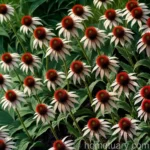
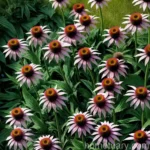
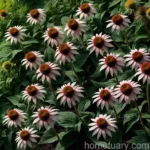
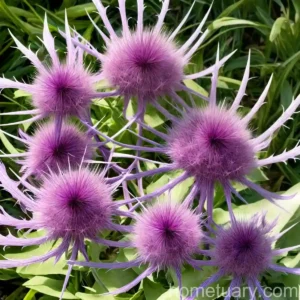
The ‘Sombrero Hot Pink’ variety of Echinacea boasts captivating, intense, hot pink flowers that add a pop of color to any garden or landscape. Its striking appearance and various uses make it a sought-after cultivar among horticulturalists and plant enthusiasts.
Key Takeaways – Purple Coneflower (Echinacea ‘Sombrero Hot Pink’)
Before delving into the specifics of cultivating and caring for the Purple Coneflower, let’s explore some key takeaways that encapsulate the essence of this spectacular plant:
- Echinacea ‘Sombrero Hot Pink’: This particular variety of Echinacea features vibrant hot pink flowers and is a prized addition to gardens and landscapes.
- Medicinal Uses: Echinacea species, including ‘Sombrero Hot Pink’, are valued for their medicinal properties and have been traditionally used to support immune health.
- Attracts Pollinators: The colorful blooms of the Purple Coneflower attract an array of pollinators, making it an excellent choice for supporting local ecosystems.
- Low Maintenance: As a hardy perennial, the Purple Coneflower is relatively low maintenance and can thrive in diverse growing conditions.
Now, let’s dive deeper into the various aspects of Purple Coneflower, including its cultivation, uses, and fascinating attributes.
Culture
Uses
- Ornamental: Echinacea ‘Sombrero Hot Pink’ is primarily cultivated for its ornamental value, adding a burst of color to flower beds, borders, and mixed perennial plantings.
- Medicinal: Historically, Echinacea species have been used for their medicinal properties, particularly in supporting immune health and overall well-being.
Water
Purple Coneflowers prefer well-drained soil and are moderately drought-tolerant once established. Watering should be consistent, especially during the plant’s establishment phase and during periods of prolonged drought or high temperatures.
Sunlight
As native prairie plants, Purple Coneflowers thrive in full sun to partial shade. Providing ample sunlight ensures robust growth and abundant flowering.
Fertilizer
These hardy plants typically do not require heavy fertilization. A balanced, slow-release fertilizer in the spring can support healthy growth and blooming. Avoid excessive nitrogen, as it can promote lush foliage at the expense of flower production.
Soil
Purple Coneflowers thrive in well-drained, fertile soil. They are adaptive to various soil types, including loamy, sandy, or clay soils, as long as they offer good drainage.
Pruning
Regular deadheading of spent flowers can encourage prolonged blooming. Additionally, cutting back the plant after its initial bloom in mid-summer can promote a second flush of flowers and prevent self-seeding, which may be desirable for gardeners.
Propagation
These plants can be propagated through division in the spring or fall. Division of mature clumps allows for the rejuvenation of the plant and the creation of new plantings.
Container Popularity
The compact and vibrant nature of ‘Sombrero Hot Pink’ makes it an appealing choice for container gardening. It brings a burst of color to patios, balconies, and small urban spaces.
Common Diseases and Pest Management
Common Diseases
While Purple Coneflowers are generally resilient, they can be susceptible to certain diseases, including:
- Powdery Mildew: This fungal disease can occur in humid conditions and is characterized by a powdery white growth on the foliage.
- Root Rot: Prolonged periods of soil moisture or poor drainage can lead to root rot, causing wilting and decline.
Disease Diagnosis
An early diagnosis of diseases is key to effective management. Regularly inspecting the plants for any signs of discoloration, wilting, or abnormal growth can aid in prompt intervention and treatment.
Common Pests
Though generally resistant to pests, Purple Coneflowers may occasionally encounter:
- Aphids: These small insects can gather on the undersides of leaves, sapping the plant’s vitality.
- Japanese Beetles: These beetles are known to feed on the flowers and foliage of the plants, causing damage.
Botanist’s Tips
- Natural Remedies: Consider using natural pest control methods, such as introducing beneficial insects like ladybugs to manage aphid populations without resorting to chemical pesticides.
Fun Facts
- Purple Coneflowers were traditionally used by Native American tribes for various medicinal purposes, leading to their introduction to early European colonizers.
- The distinctive spiky seed heads of Echinacea were often used in dried floral arrangements for their unique texture and visual appeal.
- Echinacea species are known for their ability to attract pollinators, including bees, butterflies, and other beneficial insects, adding to the biodiversity of garden spaces.
Links to External Resources
As we’ve explored the fascinating world of Purple Coneflower (Echinacea ‘Sombrero Hot Pink’), it’s important to continue learning and expanding our knowledge through reputable external resources. Here are some valuable references for further exploration:
- American Horticultural Society – Echinacea: Purple Coneflowers for Gardens
- National Gardening Association – Growing Echinacea, Coneflowers
- Royal Horticultural Society – RHS Echinacea – Planting, Growing, and Propagating Coneflowers
With the wealth of information and resources available, the journey of understanding and appreciating the Purple Coneflower continues to unfold.
In concluding this comprehensive exploration of Purple Coneflower (Echinacea ‘Sombrero Hot Pink’), it’s evident that this captivating plant offers a myriad of benefits, from its ornamental allure to its historical and contemporary uses in various spheres. As we tend to and appreciate these plants, whether in our gardens, landscapes, or herbal remedies, we contribute to the preservation and celebration of nature’s splendid gifts.
From its vibrant hot pink blooms to its ecological contributions, the Purple Coneflower stands as a testament to the enduring beauty and botanical richness of the natural world.