The Beauty of Euphorbia ‘Helena’
Euphorbia ‘Helena’, commonly known as spurge, is an exquisite addition to any garden or home due to its unique and striking appearance. This plant belongs to the Euphorbiaceae family and is native to Madagascar. With its distinctive foliage and easy-to-maintain nature, Euphorbia ‘Helena’ has gained popularity among plant enthusiasts and horticulturists. In this comprehensive guide, we will delve into the fascinating world of Euphorbia ‘Helena’, exploring its characteristics, care requirements, uses, and much more.
What is Euphorbia ‘Helena’?
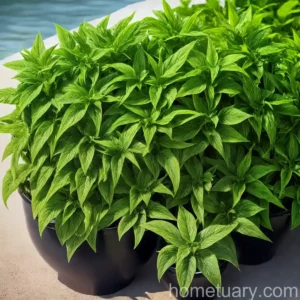
Euphorbia ‘Helena’ is a perennial succulent plant that is renowned for its architectural structure and vibrant coloration. This plant features thick stems with beautiful variegated leaves that are predominantly green with creamy white edges. The foliage is arranged in an attractive whorled pattern, creating a visually appealing spectacle.
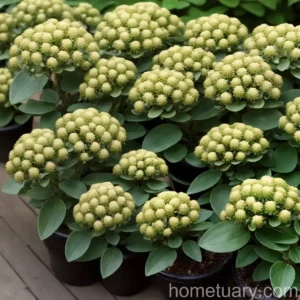
The striking appearance of Euphorbia ‘Helena’ is further accentuated by its unique flower structure. The plant produces small, cup-shaped cyathia, which are surrounded by showy bracts. These bracts can be in shades of red, orange, or pink, adding a splash of color to the plant.
Key Takeaways – Euphorbia ‘Helena’
Before delving deeper into the world of Euphorbia ‘Helena’, let’s take a look at some key takeaways that will guide us through the various aspects of caring for this captivating plant.
- Culture: Euphorbia ‘Helena’ thrives in well-draining soil and requires minimal water and maintenance.
- Uses: This plant is often used as a striking focal point in gardens and landscapes, and its cuttings can be used in floral arrangements.
- Water: Euphorbia ‘Helena’ is drought-tolerant and should be watered sparingly to avoid root rot.
- Sunlight: It thrives in bright, indirect light and can also tolerate partial shade.
- Fertilizer: Minimal fertilization is required, and it is best to use a balanced, diluted fertilizer during the growing season.
- Soil: Well-draining soil with a slightly acidic to neutral pH is ideal for Euphorbia ‘Helena’.
- Pruning: Minimal pruning is needed, mainly to remove dead or damaged stems and maintain the plant’s shape.
- Propagation: This plant can be propagated from stem cuttings, which root easily in suitable growing conditions.
- Container Popularity: Euphorbia ‘Helena’ is well-suited for container gardening, adding a touch of elegance to indoor and outdoor spaces.
With these key points in mind, let’s explore the fascinating world of Euphorbia ‘Helena’ in greater detail, uncovering the intricacies of its care, maintenance, and unique characteristics.
Culture
Uses
Euphorbia ‘Helena’ is prized for its ornamental value and is often used in gardens, landscapes, and indoor settings to add visual interest and a touch of exotic charm. Its unique form and coloration make it an excellent choice for adding a focal point to garden beds or mixed plantings. Additionally, the cut stems of Euphorbia ‘Helena’ are popular in floral arrangements, providing a contemporary and artistic element to bouquets and displays.
Water
One of the most remarkable features of Euphorbia ‘Helena’ is its exceptional drought tolerance. This makes it an excellent choice for water-wise gardening and low-maintenance landscapes. When it comes to watering Euphorbia ‘Helena’, it is crucial to exercise caution, as overwatering can lead to root rot and other issues. The plant prefers to dry out between waterings, allowing the soil to become moderately dry before watering again. This ensures that the roots do not sit in waterlogged soil, promoting a healthy and robust plant.
Sunlight
In terms of sunlight requirements, Euphorbia ‘Helena’ thrives in bright, indirect light. It can also tolerate partial shade, making it a versatile choice for various light conditions. When grown indoors, placing the plant near a window that receives ample indirect sunlight is ideal. Outdoors, it can be placed in locations with dappled sunlight or partial shade, protecting it from intense midday sun.
Fertilizer
While Euphorbia ‘Helena’ is relatively low-maintenance, it benefits from occasional fertilization during the growing season. A balanced, diluted fertilizer can be applied sparingly to support healthy growth and enhance the plant’s vibrancy. However, it is important to avoid over-fertilization, as this can lead to excessive foliage growth at the expense of the plant’s overall appearance.
Soil
Well-draining soil is essential for the successful cultivation of Euphorbia ‘Helena’. A mixture that allows water to pass through freely, such as a cactus or succulent potting mix, is highly suitable for this plant. Additionally, the soil should have a slightly acidic to neutral pH to create an optimal growing environment for Euphorbia ‘Helena’. This balanced soil composition ensures that the plant’s roots remain healthy and free from waterlogged conditions.
Pruning
Pruning Euphorbia ‘Helena’ is generally a minimal task, as the plant naturally maintains its attractive form with minimal intervention. However, occasional pruning may be necessary to remove any dead or damaged stems, ensuring that the plant remains healthy and visually appealing. When performing pruning tasks, it is important to handle the plant with care, as the milky sap produced by Euphorbia ‘Helena’ can be irritating to the skin and eyes.
Propagation
The propagation of Euphorbia ‘Helena’ is relatively straightforward, making it an accessible plant for those interested in expanding their collection or sharing its beauty with others. Stem cuttings are the primary method of propagation for this plant, and they root readily under the right conditions. Here’s a brief overview of the propagation process:
- Select a healthy stem from the parent plant, ensuring that it is free from any signs of damage or disease.
- Use a clean, sharp tool to take a cutting from the stem. It is best to choose a section that is several inches long to provide ample material for rooting.
- Allow the cut end of the stem to callus over for a day or two to prevent excess moisture and potential rotting.
- Place the cutting in a well-draining propagation medium, such as a mix specifically designed for succulents or cacti.
- Keep the medium lightly moist, but not waterlogged, and provide the cutting with bright, indirect light.
- After several weeks, the cutting should begin to develop roots, indicating that it has successfully propagated.
Once the new plant has established roots, it can be potted into suitable soil and cared for as an individual plant. This method allows for the expansion of Euphorbia ‘Helena’ collections and the sharing of its beauty with friends and fellow plant enthusiasts.
Container Popularity
Euphorbia ‘Helena’ is well-suited for container gardening, offering an elegant and striking presence in both indoor and outdoor settings. When grown in containers, the plant’s unique form and vibrant foliage become focal points, adding a touch of sophistication to any space. Whether placed on a patio, balcony, or by a sunny window indoors, Euphorbia ‘Helena’ brings a contemporary and artistic flair to its surroundings.
Common Diseases
Euphorbia ‘Helena’ is relatively resilient to pests and diseases, thanks to its natural defenses and adaptability. However, a few potential issues may arise, and it is important to be aware of them to maintain the plant’s health and vitality.
Disease Diagnosis
Powdery Mildew: This fungal disease can affect Euphorbia ‘Helena’ in conditions of high humidity and poor air circulation. It presents as a powdery white substance on the leaves, often leading to stunted growth and a decline in the plant’s appearance. To address powdery mildew, it is essential to improve air circulation and reduce humidity around the plant. Fungicidal treatments may also be necessary in severe cases.
Root Rot: Overwatering or poorly draining soil can lead to root rot in Euphorbia ‘Helena’, causing the roots to become waterlogged and rot away. Symptoms include wilting, yellowing or browning of leaves, and a general decline in the plant’s health. To prevent root rot, it is important to allow the soil to dry out between waterings and ensure that the plant is in well-draining soil.
Common Pests
Aphids: These small, soft-bodied insects can infest Euphorbia ‘Helena’, feeding on the plant’s sap and causing distorted growth and leaf damage. Aphids can often be controlled by spraying the plant with a strong jet of water or using insecticidal soap if the infestation is severe.
Spider Mites: These tiny pests can infest Euphorbia ‘Helena’ and cause stippling on the leaves, as well as fine webbing in severe cases. Regularly showering the plant with water and maintaining adequate humidity can help prevent and control spider mite infestations.
Botanist’s Tips
To ensure that your Euphorbia ‘Helena’ thrives and remains vibrant and healthy, consider the following tips from botanists and experienced plant enthusiasts:
-
Handle with Care: When working with Euphorbia ‘Helena’, it is important to handle the plant with care, as it produces a milky sap that can be irritating to the skin and eyes. Use gloves when pruning or propagating the plant, and be mindful of its sap when handling it.
-
Avoid Overwatering: One of the most common causes of issues with Euphorbia ‘Helena’ is overwatering. To prevent root rot and other water-related problems, allow the soil to dry out between waterings and provide the plant with a well-draining growing medium.
-
Provide Adequate Light: While Euphorbia ‘Helena’ can tolerate partial shade, it thrives in bright, indirect light. Ensure that the plant receives an ample amount of light to support healthy growth and maintain its attractive coloration.
-
Monitor for Pests and Diseases: Regularly inspect your Euphorbia ‘Helena’ for signs of pests or diseases, addressing any issues promptly to prevent them from impacting the plant’s health.
Fun Facts
- The genus Euphorbia is named after Euphorbus, the Greek physician of King Juba II of Mauretania, who is believed to have used plants in the genus for medicinal purposes.
- Euphorbia ‘Helena’ belongs to a diverse and extensive genus that encompasses a wide range of plants, from small succulents to large shrubs and trees.
- Euphorbia ‘Helena’ is commonly known as spurge, a term that is used for various plants in the Euphorbia genus. The name “spurge” is derived from the Middle English word “spurrij,” meaning “to purge,” reflecting the plant’s historic medicinal uses.
As we venture deeper into the world of Euphorbia ‘Helena’, it becomes evident that this plant offers much more than just visual appeal. Its resilience, adaptability, and rich botanical history make it a captivating addition to any plant collection or landscape.
Links to External Resources
To further enhance your understanding of Euphorbia ‘Helena’ and develop a comprehensive knowledge base, I recommend exploring the following external resources:
- The Royal Horticultural Society (RHS) – Euphorbia
- University of Florida IFAS Extension – Euphorbia Cultivation
- Missouri Botanical Garden – Euphorbia ‘Helena’
- American Society for the Prevention of Cruelty to Animals (ASPCA) – Euphorbia Toxicity
- The American Phytopathological Society – Plant Disease Resources
By delving into these resources, you can gain valuable insights and learn from esteemed botanical institutions, further enriching your knowledge of Euphorbia ‘Helena’ and its care requirements.
In the next section, we will explore the intricate characteristics of Euphorbia ‘Helena’ in greater detail, uncovering its unique botanical traits, preferred growing conditions, and maintenance requirements.
Euphorbia ‘Helena’ Characteristics
Plant Size
Euphorbia ‘Helena’ typically grows to a manageable size, making it well-suited for both indoor and outdoor cultivation. When grown in containers, the plant tends to maintain a compact and ornamental form, reaching a height of around 12 to 18 inches (30 to 45 cm). In outdoor settings, Euphorbia ‘Helena’ can grow slightly larger, forming clumps of striking foliage that create visual impact in garden beds or borders.
Leaf Characteristics
The leaves of Euphorbia ‘Helena’ are a defining feature of this plant, contributing to its overall allure and visual appeal. The foliage is arranged in attractive whorls along the stems, creating a distinctive architectural pattern. The leaves themselves are elongated and succulent, with a rich green coloration and creamy white margins. This variegated foliage adds a touch of elegance to the plant, enhancing its ornamental value and drawing attention to its unique form.
Flower Description
While the primary appeal of Euphorbia ‘Helena’ lies in its foliage, the plant also produces small, cup-shaped flowers that add an extra dimension to its visual impact. The flowers themselves are known as cyathia and are surrounded by showy bracts that can be in shades of red, orange, or pink. This colorful display of bracts contrasts beautifully with the green and white foliage, creating an eye-catching spectacle when the plant is in bloom.
Growth Rate
Euphorbia ‘Helena’ exhibits a moderate growth rate under suitable growing conditions. When provided with adequate light, well-draining soil, and minimal water, the plant can establish itself and begin to grow steadily. Its growth rate makes it a manageable addition to gardens and containers, where it forms clumps of striking foliage without becoming overly invasive.
Seasonal Changes
In regions with distinct seasons, Euphorbia ‘Helena’ may exhibit changes in its growth and appearance throughout the year. During the active growing season, which is typically in spring and summer, the plant’s foliage tends to be more vibrant and lush. As the weather transitions into fall and winter, the plant may undergo a period of reduced growth, with the foliage retaining its allure but requiring minimal maintenance. These seasonal changes contribute to the dynamic nature of Euphorbia ‘Helena’, ensuring that it remains visually captivating throughout the year.
Winter Care
During the winter months, it is essential to provide appropriate care for Euphorbia ‘Helena’ to ensure its well-being and resilience. This includes protecting the plant from cold temperatures and excessive moisture, which can lead to issues such as rot and fungal diseases. Here are a few winter care tips to safeguard your Euphorbia ‘Helena’:
- If grown outdoors in regions with cold winters, consider providing frost protection for the plant, such as covering it with a breathable cloth or moving it to a sheltered location.
- Indoors, ensure that the plant is not placed near drafty windows or in excessively cold areas, as this can negatively impact its health.
- Limit watering during the winter months, allowing the soil to dry out more thoroughly between waterings to prevent waterlogged conditions.
By providing appropriate care and attention during the winter season, you can ensure that your Euphorbia ‘Helena’ remains robust and ready to thrive when the warmer months return.
Indoor Cultivation
Euphorbia ‘Helena’ is well-suited for indoor cultivation, adding a touch of elegance and contemporary charm to interior spaces. When growing this plant indoors, it is essential to provide it with the right growing conditions to support its health and appearance. Here are some considerations for indoor cultivation of Euphorbia ‘Helena’:
- Place the plant in a location that receives bright, indirect light, such as near a south- or west-facing window. This ensures that it receives ample light without being exposed to direct sun, which can cause leaf burn.
- Use well-draining potting mix specifically formulated for succulents or cacti, as this provides the ideal growing medium for Euphorbia ‘Helena’ in indoor settings.
- Monitor the plant for changes in its growth and appearance, adjusting care practices as needed to maintain its health and vitality.
By bringing Euphorbia ‘Helena’ indoors, you can enjoy its captivating presence and architectural form year-round, adding a touch of botanical artistry to your living spaces.
Outdoor Cultivation
In outdoor settings, Euphorbia ‘Helena’ thrives as a striking addition to garden beds, borders, and mixed plantings. Its unique form, vibrant foliage, and colorful bracts make it an excellent choice for adding visual interest and a touch of exotic charm to outdoor landscapes. When cultivating Euphorbia ‘Helena’ outdoors, consider the following guidelines for successful growth and maintenance:
- Choose a location with well-draining soil and ample sunlight, ensuring that the plant receives the light it needs to thrive.
- When planting in the ground, provide adequate spacing between individual plants to allow for their clumping growth habit and the full display of their foliage and bracts.
- Monitor the plant for changes in its appearance and address any issues promptly to maintain its health and visual appeal.
In the outdoor garden, Euphorbia ‘Helena’ stands out as an eye-catching specimen, bringing a touch of elegance and contemporary flair to its surroundings.
Propagation Methods
As mentioned earlier, the propagation of Euphorbia ‘Helena’ primarily involves the use of stem cuttings. This method is highly effective and straightforward, allowing for the expansion of plant collections and the sharing of this captivating species with fellow plant enthusiasts. Apart from stem cuttings, Euphorbia ‘Helena’ can also be propagated by division, although this method is less commonly used due to the ease and success of stem cuttings.
Landscape Maintenance
In landscapes and gardens, the maintenance of Euphorbia ‘Helena’ revolves around providing it with suitable growing conditions, monitoring its health, and addressing any issues that may arise. Here are some key considerations for the landscape maintenance of Euphorbia ‘Helena’:
- Watering: In landscapes, avoid overwatering Euphorbia ‘Helena’ and allow the soil to dry out between waterings to prevent root rot and water-related issues.
- Soil Conditions: Ensure that the plant is cultivated in well-draining soil, and consider amending the soil with organic matter to improve its structure and drainage.
- Pruning: Minimal pruning is usually needed to maintain the plant’s form and remove any dead or damaged stems. When pruning Euphorbia ‘Helena’, take care to avoid contact with the plant’s sap.
By incorporating these maintenance practices into the landscape, you can ensure that Euphorbia ‘Helena’ remains vibrant, healthy, and visually captivating, enriching the outdoor