Coneflower (Echinacea ‘Secret Lust’)
Introduction
Echinacea, commonly known as coneflowers, are vibrant and resilient herbaceous perennials that belong to the Asteraceae family. They are native to North America and are prized for their attractive flowers and medicinal properties. This article will provide an in-depth guide to the Echinacea ‘Secret Lust’ variety, covering its cultural requirements, uses, care tips, and maintenance. Additionally, we will explore its significance as a garden plant, its role in folklore, and its ecological importance.
Key Takeaways – Coneflower (Echinacea ‘Secret Lust’)
The Echinacea ‘Secret Lust’ is a unique variety that boasts stunning blooms and possesses various ecological and medicinal benefits. Here are the key takeaways about this captivating plant:
- Plant Family: Asteraceae
- Plant Type: Herbaceous Perennial
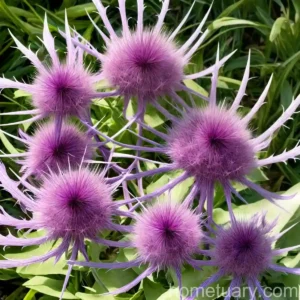
- Flower: Striking, deep-pink blooms
- Drought-Tolerant: Well-adapted to dry conditions
- Medicinal Uses: Immune-boosting and herbal remedies
- Wildlife Attraction: Attracts butterflies and bees
- Cultural Significance: Embedded in mythology and folklore
- Garden Design: Suitable for landscapes and garden therapy
- Companion Plants: Compatible with certain plant species
Culture
Understanding the cultural requirements of Echinacea ‘Secret Lust’ is crucial for its successful cultivation and development. This section will delve into its water, sunlight, fertilizer, soil, and pruning needs.
Water
Echinacea ‘Secret Lust’ thrives in well-draining soil and is moderately drought-tolerant once established. Overwatering can lead to root rot, so it is essential to allow the soil to dry out between watering sessions. During dry spells, provide deep watering to ensure the plant’s roots receive adequate moisture.
Sunlight
Adequate sunlight is essential for the healthy growth and profuse blooming of Echinacea ‘Secret Lust’. They perform best in full sun, receiving at least 6-8 hours of direct sunlight daily. Insufficient light may result in leggy growth and fewer blooms.
Fertilizer
Echinacea ‘Secret Lust’ typically thrives in moderately fertile soil and does not require excessive fertilization. Applying a balanced, slow-release fertilizer in early spring can support robust growth and flowering. Avoid high-nitrogen fertilizers, as they may promote lush foliage at the expense of flower production.
Soil
Well-drained, loamy soil with a slightly acidic to neutral pH is optimal for Echinacea ‘Secret Lust’. Ample organic matter, such as compost, can be incorporated into the soil to enhance its structure and water retention capabilities. Avoid waterlogged or compacted soil, as it can lead to root stress and disease susceptibility.
Pruning
Pruning Echinacea ‘Secret Lust’ involves deadheading spent blooms to encourage continuous flowering and prevent self-seeding. Additionally, cutting back the stems to ground level in late fall or early spring helps rejuvenate the plant and maintain its vigor.
Uses
Echinacea ‘Secret Lust’ is a versatile plant with various practical and ornamental uses. From medicinal properties to its role in garden design, this section will explore the multi-faceted uses of this captivating perennial.
Medicinal Uses
Echinacea species, including ‘Secret Lust’, are renowned for their immune-boosting properties and are often used in herbal remedies. The roots and aerial parts of the plant contain phytochemicals that have been traditionally used to support immune function and overall wellness. Echinacea products come in various forms, including teas, tinctures, and capsules, offering a natural approach to health support.
Garden Plant
In gardens and landscapes, Echinacea ‘Secret Lust’ serves as a striking focal point, adding vibrant color and architectural interest. Its bold, daisy-like blooms are a magnet for pollinators, making it an excellent choice for wildlife-friendly gardens. Whether used in herbaceous borders, prairie-style plantings, or mixed perennial beds, this variety enhances visual appeal and ecological diversity.
Floral Arrangements
The captivating blooms of Echinacea ‘Secret Lust’ are also sought after for floral arrangements. The deep-pink, daisy-shaped flowers add a touch of natural elegance to bouquets and cut-flower displays. Their long vase life and ability to retain their color make them a popular choice for both professional florists and home enthusiasts.
Herbal Teas
The dried flowers and sometimes the roots of Echinacea ‘Secret Lust’ are used to prepare herbal teas, praised for their potential health benefits and soothing properties. Echinacea tea is often brewed as an immune-boosting tonic, particularly during the colder months, offering a warm and flavorsome beverage complemented by its potential health-supporting properties.
Propagation
Understanding the different methods of propagating Echinacea ‘Secret Lust’ is pivotal for expanding its presence in the garden and landscape. This section will provide insights into seed propagation, division, and cuttings.
Seed Propagation
Echinacea ‘Secret Lust’ can be propagated from seeds, which are typically collected from mature flower heads in late summer to early fall. Sow the seeds in well-draining, moist seed-starting mix, and provide a warm, bright location for germination. Once the seedlings have developed several sets of true leaves, they can be transplanted into individual containers or directly into the garden.
Division
Dividing mature clumps of Echinacea ‘Secret Lust’ is an effective way to propagate the plant and rejuvenate crowded or declining stands. In early spring or early fall, carefully dig up the clump, ensuring it retains a good portion of roots. Gently tease the clump apart into smaller sections, each with a healthy root system, and replant them at the appropriate spacing.
Cuttings
Softwood or semi-hardwood stem cuttings can also be used to propagate Echinacea ‘Secret Lust’. Select healthy, non-flowering shoots and take 4-6 inch cuttings, removing the lower leaves. Dip the cut ends in a rooting hormone, and plant them in well-draining, moist rooting medium. Provide bottom heat and consistent moisture to support root development.
Container Popularity
Echinacea ‘Secret Lust’ is well-suited for container cultivation, offering an opportunity to enjoy its beauty and benefits in smaller spaces or urban settings. This section will highlight the advantages of growing ‘Secret Lust’ in containers, along with essential considerations for success.
Advantages of Container Cultivation
Growing Echinacea ‘Secret Lust’ in containers presents several advantages, including:
– Space Utilization: Ideal for balconies, patios, and small gardens
– Mobility: Easily relocate the plant for optimal sunlight and protection
– Soil Control: Ensuring well-draining, fertile soil tailored to the plant’s needs
Considerations for Success
When growing Echinacea ‘Secret Lust’ in containers, it is crucial to consider the following factors:
– Container Size: Select a container that provides ample space for root development
– Drainage: Ensure the container has adequate drainage holes to prevent waterlogging
– Soil Quality: Use high-quality potting mix with good drainage and aeration properties
– Watering: Monitor moisture levels closely, as containers may dry out more rapidly than garden beds
– Sunlight: Position the containers in a location that receives sufficient sunlight
Container Design Ideas
Echinacea ‘Secret Lust’ in containers can be an attractive addition to various design schemes, including:
– Solo Specimen: Showcase the plant as a standalone feature on a patio or near an entrance
– Mixed Plantings: Combine ‘Secret Lust’ with complementary plants for contrast and visual interest
– Vertical Gardening: Integrate the containers into vertical garden displays for increased impact
Common Diseases
While Echinacea ‘Secret Lust’ is generally resilient, it is susceptible to certain diseases that can impact its growth and appearance. Recognizing and managing these common diseases is essential for maintaining the plant’s health and vigor.
Disease Diagnosis
Some of the common diseases that may affect Echinacea ‘Secret Lust’ include:
– Powdery Mildew: Manifests as a white, powdery coating on leaves and stems, often caused by poor air circulation and high humidity
– Aster Yellows: Leads to distorted growth, yellowing of foliage, and stunted flower development, transmitted by leafhoppers
– Root Rot: Caused by overwatering or waterlogged soil, resulting in wilting, yellowing, and eventual collapse of the plant
– Botrytis Blight: Fungus-induced, causing brown lesions on foliage, stem dieback, and decay of flowers
Disease Management
Implementing the following practices can help manage and prevent diseases in Echinacea ‘Secret Lust’:
– Good Air Circulation: Ensure proper spacing and adequate airflow around the plants
– Water Management: Practice moderate watering and avoid overhead irrigation to minimize leaf wetness
– Sanitation: Remove and dispose of infected plant material to prevent disease spread
– Avoiding Stress: Maintain proper cultural practices to reduce plant stress and susceptibility to diseases
Common Pests
Pests can pose a threat to the health and aesthetics of Echinacea ‘Secret Lust’, requiring vigilant monitoring and appropriate intervention. This section will outline some common pests that may target this perennial and steps for pest control.
Pest Identification
Notable pests that may impact Echinacea ‘Secret Lust’ include:
– Aphids: Small, soft-bodied insects that cluster on new growth, causing distortion and yellowing of leaves
– Japanese Beetles: Feeding on flower petals and foliage, leading to skeletonized leaves and diminished aesthetic appeal
– Leafhoppers: Transmitters of Aster Yellows, resulting in abnormal growth and reduced flowering
– Spider Mites: Tiny arachnids that feed on plant sap, causing stippling and webbing on leaves
Pest Control
Managing pest infestations in Echinacea ‘Secret Lust’ involves a combination of cultural, mechanical, and biological measures, such as:
– Handpicking: Remove larger pests like beetles and caterpillars by hand or with a gentle shake into a bucket of soapy water
– Water Sprays: Use a strong stream of water to dislodge aphids and spider mites from the plant’s foliage
– Beneficial Insects: Encourage predator insects, such as ladybugs and lacewings, to naturally control pest populations
– Horticultural Oils: Apply horticultural oils to suffocate spider mites and other soft-bodied pests
Botanist’s Tips
Drawing from botanical insights and expertise, the following tips are offered to aid in the successful cultivation and enjoyment of Echinacea ‘Secret Lust’:
- Integrated Pest Management: Implement a holistic approach to pest control, incorporating natural enemies, preventive measures, and targeted interventions.
- Support Native Pollinators: Cultivate Echinacea ‘Secret Lust’ to attract and provide resources for native bees, butterflies, and beneficial insects, contributing to ecosystem health.
- Seasonal Maintenance: Regularly assess the plant for spent blooms, damaged foliage, and signs of disease, undertaking necessary maintenance for its continual vigor.
- Watering Consistency: Establish a regular watering schedule to maintain optimal soil moisture, ensuring hydration without waterlogging.
- Companion Planting: Pair Echinacea ‘Secret Lust’ with compatible species, such as salvia and rudbeckia, to create visually appealing and ecologically beneficial plant combinations.
Fun Facts
Discovering intriguing and captivating aspects of Echinacea ‘Secret Lust’ can deepen the appreciation for this remarkable plant. Here are some fun and lesser-known facts about ‘Secret Lust’:
- One of the species names, Echinacea, is derived from the Greek word “echinos,” meaning hedgehog, alluding to the spiky central cone of the flower.
- Native American tribes historically used Echinacea species for various medicinal purposes, promoting its enduring cultural and historical significance.
- Echinacea ‘Secret Lust’ flowers attract not only bees and butterflies but also goldfinches, which seek the seeds nestled within the cone as a food source.
- The genus Echinacea comprises several species and cultivars, each showcasing diverse colors, forms, and ecological adaptations.
Links to External Resources
For further exploration of Echinacea ‘Secret Lust’ and related topics, the following external resources offer valuable information and insights:
- The American Echinacea Society: An organization dedicated to the study, cultivation, and conservation of Echinacea species.
- University of Maryland Medical Center – Echinacea: A comprehensive overview of the medicinal uses and potential health benefits of Echinacea.
- Wildlife Gardening – Echinacea for Pollinators: An informative resource on cultivating Echinacea to benefit pollinators and support wildlife in gardens and landscapes.
- Royal Horticultural Society – Echinacea Growing Guide: A practical guide to growing and caring for Echinacea, including information on different varieties and their cultural requirements.
In conclusion, Echinacea ‘Secret Lust’ stands as a captivating and multi-faceted addition to gardens, landscapes, and herbal practices. Its remarkable blooms, ecological contributions, and cultural significance render it an enduring favorite among horticultural enthusiasts and nature lovers alike.
By understanding its cultural needs, uses, potential challenges, and botanical significance, enthusiasts can cultivate Echinacea ‘Secret Lust’ with confidence and appreciation for its remarkable attributes.