Concord Blue (Streptocarpus Saxorum ‘Concord Blue’)
Plants have the ability to bring beauty, color, and life into any space. They not only add aesthetic value but also contribute to overall mental well-being.
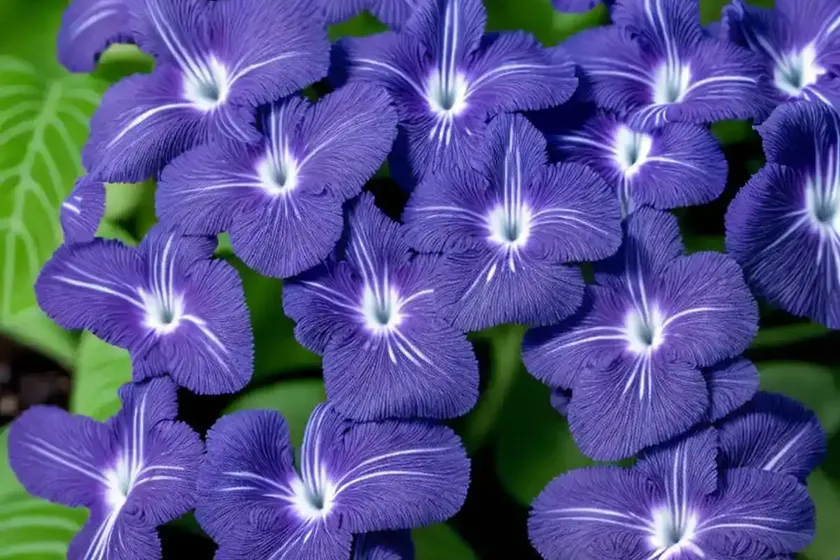
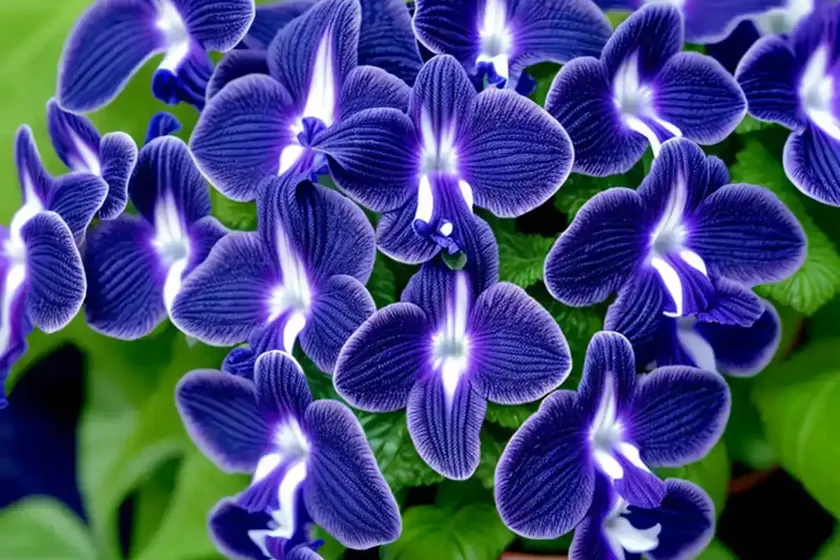
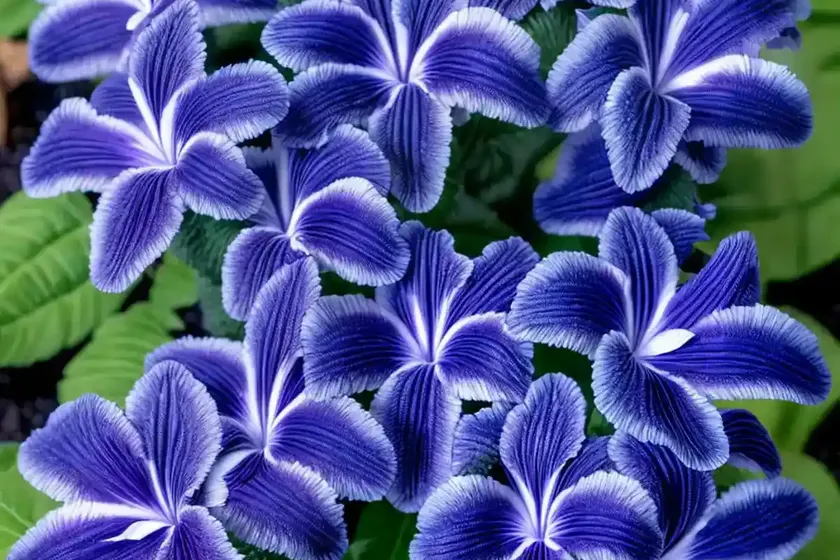
Plants have the ability to bring beauty, color, and life into any space. They not only add aesthetic value but also contribute to overall mental well-being and air quality. Concord Blue (Streptocarpus saxorum ‘Concord Blue’) is a stunning houseplant known for its vibrant flowers and ease of care. In this comprehensive guide, we will explore the various aspects of Concord Blue, including its culture, uses, care requirements, common diseases, and much more. Whether you’re a beginner or an experienced plant enthusiast, this guide will equip you with all the information you need to cultivate and appreciate the beauty of Concord Blue.
What is Concord Blue (Streptocarpus saxorum ‘Concord Blue’)?
Concord Blue (Streptocarpus saxorum ‘Concord Blue’) is a beautiful flowering plant belonging to the genus Streptocarpus. It is a member of the Gesneriaceae family and is characterized by its stunning blue flowers and attractive foliage. This houseplant is widely popular for its ability to brighten indoor spaces with its blooming flowers and lush greenery.
Key Takeaways – Concord Blue (Streptocarpus saxorum ‘Concord Blue’)
- Scientific Name: Streptocarpus saxorum ‘Concord Blue’
- Common Name: Concord Blue
- Family: Gesneriaceae
- Type: Perennial, Evergreen
- Native Region: Southern Africa
- Flower Color: Blue
- Foliage: Lush, Green
- Uses: Ornamental, Indoor Plant
Now that we have an overview of what Concord Blue is, let’s delve into the specifics of its culture, uses, and care requirements.
Culture
Water
Proper watering is crucial for the health and vitality of Concord Blue plants. Like many houseplants, it is essential to maintain a balanced watering schedule to prevent both underwatering and overwatering. Here are some key points to consider:
- Watering Frequency: Concord Blue plants prefer consistently moist but not waterlogged soil. Water the plant when the top inch of the soil feels dry to the touch.
- Watering Technique: Direct the water towards the base of the plant, ensuring that the soil is evenly moistened without creating water accumulation on the leaves.
Sunlight
Adequate sunlight is essential for the growth and flowering of Concord Blue. While it thrives in bright, indirect light, it can also tolerate some direct sunlight, especially in the morning hours. Here are some guidelines for providing the right amount of sunlight:
- Light Requirements: Place Concord Blue in a location where it can receive bright, indirect light for at least 4-6 hours a day. Avoid placing it in strong, direct sunlight for extended periods, as this can lead to leaf burn.
Fertilizer
To support healthy growth and blooming, regular feeding with a balanced fertilizer is beneficial for Concord Blue plants. Select a fertilizer formulated for flowering houseplants and follow these recommendations:
- Fertilizing Schedule: Feed Concord Blue with a diluted, balanced liquid fertilizer every 2-4 weeks during the growing season (spring and summer). Refrain from fertilizing during the plant’s dormant period in fall and winter.
Soil
The right type of soil is essential for providing an optimal growing environment for Concord Blue. Well-draining, nutrient-rich soil with a slightly acidic pH is ideal for these plants. Consider the following when selecting or preparing soil for Concord Blue:
- Soil Mix: Use a well-draining potting mix that contains a combination of peat moss, perlite, and organic matter to ensure adequate moisture retention and aeration for the roots.
- pH Level: Aim for a slightly acidic soil pH in the range of 5.5 to 6.5 for optimal nutrient uptake.
Pruning
Pruning is an essential aspect of maintaining the attractive appearance of Concord Blue and promoting healthy growth. Regular pruning helps control the plant’s size, remove dead or yellowing leaves, and encourage new growth and blooming. Follow these pruning tips:
- Deadheading: Remove faded or spent flowers promptly to promote continuous blooming and prevent seed formation.
- Leaf Pruning: Trim off any yellow or withered leaves to maintain the plant’s overall vigor and appearance.
- Size Control: Trim back leggy or overgrown stems to encourage a more compact and bushy growth habit.
Propagation
Propagating Concord Blue plants is a rewarding process that allows you to expand your collection or share the beauty of these plants with others. The primary method of propagation for Concord Blue involves division and leaf cuttings. Here’s how you can propagate Concord Blue:
- Division: When repotting, carefully divide the plant into smaller sections, ensuring that each division has a healthy root system and several stems for continued growth.
- Leaf Cuttings: Take stem cuttings with at least 2-3 healthy leaves, dip the cut end in a rooting hormone, and plant the cutting in a moist, well-draining propagation mix. Provide bottom heat and consistent moisture for successful root development.
Container Popularity
Concord Blue is a popular choice for container gardening, particularly for indoor and patio displays. The vibrant blue flowers and compact growth habit make it an attractive addition to decorative containers and plant arrangements. Consider the following when selecting containers for Concord Blue:
- Pot Size: Choose a pot that provides ample room for the plant to grow, with drainage holes to prevent waterlogging.
- Material: Opt for breathable and aesthetically pleasing materials such as ceramic, terracotta, or decorative plastic for indoor and outdoor containers.
- Placement: Position the plant in a container that complements its foliage and flower color, enhancing its visual appeal.
Common Diseases
Disease Diagnosis
Despite being relatively low-maintenance, Concord Blue plants can be susceptible to certain diseases and issues that may affect their overall health and appearance. Identifying common diseases and promptly addressing them is essential for maintaining the plant’s vigor. Look out for the following common issues:
- Powdery Mildew: Characterized by the presence of powdery white patches on the leaves, powdery mildew is a fungal disease that thrives in humid conditions. Ensure good air circulation, avoid overhead watering, and consider fungicidal treatments if the disease is present.
- Leaf Spot Diseases: Various fungal and bacterial pathogens can cause leaf spot diseases, resulting in dark or discolored spots on the foliage. Practice proper watering techniques and avoid wetting the leaves to minimize the risk of infection.
- Root Rot: Overwatering or poorly draining soil can lead to root rot, causing the plant to wilt, decline, and exhibit yellowing or browning of the leaves. Adjust the watering regimen and improve the soil drainage if root rot is suspected.
Common Pests
In addition to diseases, Concord Blue plants may also face challenges from pest infestations that can compromise their health and vitality. Regular monitoring and proactive management are key to preventing and addressing pest issues. Keep an eye out for the following common pests:
- Aphids: These small, soft-bodied insects feed on the sap of plants, causing distorted growth and honeydew secretion. Use a strong stream of water or insecticidal soap to control aphid populations on Concord Blue.
- Spider Mites: These tiny arachnids can infest the undersides of leaves, causing stippling, webbing, and overall decline in plant health. Increase humidity, regularly rinse the foliage, or use horticultural oil to manage spider mite infestations.
- Mealybugs: Mealybugs are soft-bodied insects with a white, cottony appearance that feed on plant sap. Use a cotton swab dipped in rubbing alcohol or neem oil to target and eliminate mealybugs on Concord Blue plants.
Botanist’s Tips
- Humidity Management: Concord Blue plants thrive in moderately humid conditions. Consider using a humidity tray, a room humidifier, or regularly misting the foliage to maintain adequate humidity levels.
- Grooming Routine: Incorporate a regular grooming routine to remove dust, debris, and pests from the leaves, keeping the plant clean and healthy.
- Seasonal Adjustments: Adjust watering, feeding, and lighting routines based on the seasonal changes to accommodate the plant’s evolving growth requirements.
Fun Facts
- The stunning blue flowers of Concord Blue can add a refreshing burst of color to any indoor space, creating a cheerful and inviting atmosphere.
- Concord Blue is often celebrated for its relatively low maintenance, making it an ideal choice for both beginner and experienced plant enthusiasts.
- The genus Streptocarpus, to which Concord Blue belongs, encompasses a diverse group of flowering plants that are cherished for their ornamental value and adaptability.
Links to External Resources
For additional information on the care, cultivation, and appreciation of Concord Blue (Streptocarpus saxorum ‘Concord Blue’), consider exploring the following reputable resources:
- Royal Horticultural Society: Streptocarpus Care Guide
- University of Florida IFAS Extension: Streptocarpus Production Guide
- American Gesneriad Society: Growing Streptocarpus Indoors
In conclusion, Concord Blue (Streptocarpus saxorum ‘Concord Blue’) is a charming and rewarding plant to grow, offering a delightful display of blue flowers and lush foliage. By understanding its culture, care requirements, common issues, and additional information, you can cultivate and enjoy the beauty of Concord Blue with confidence and success.
Remember to embrace the journey of plant care and appreciate the intrinsic value that Concord Blue brings to your indoor spaces. Whether you’re drawn to its striking flowers or its ease of maintenance, Concord Blue is a remarkable addition to any plant collection or interior decor. Happy gardening and may your Concord Blue flourish with vibrancy and grace!


