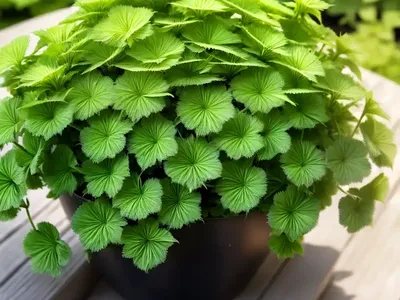
Common Sweet Briar (Rosa Rubiginosa)
Plants are incredible organisms that contribute to the beauty and functionality of the world around us. They come in various shapes, sizes, and colors.
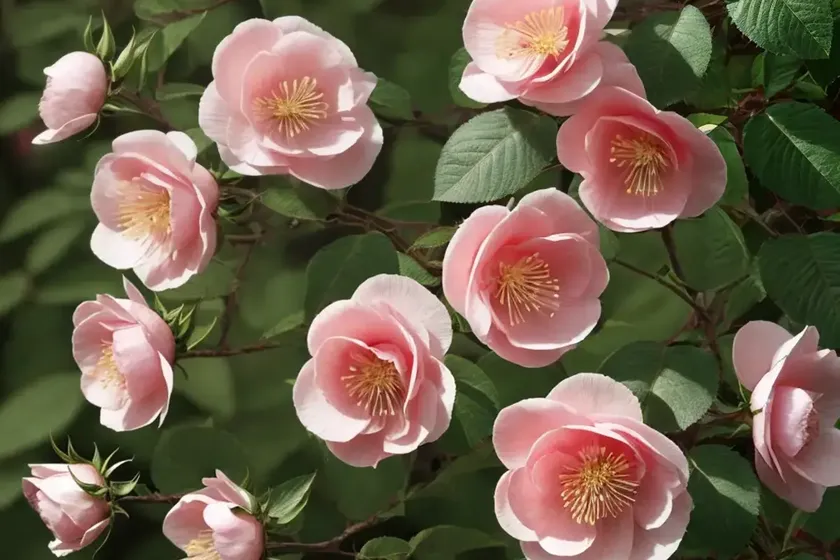
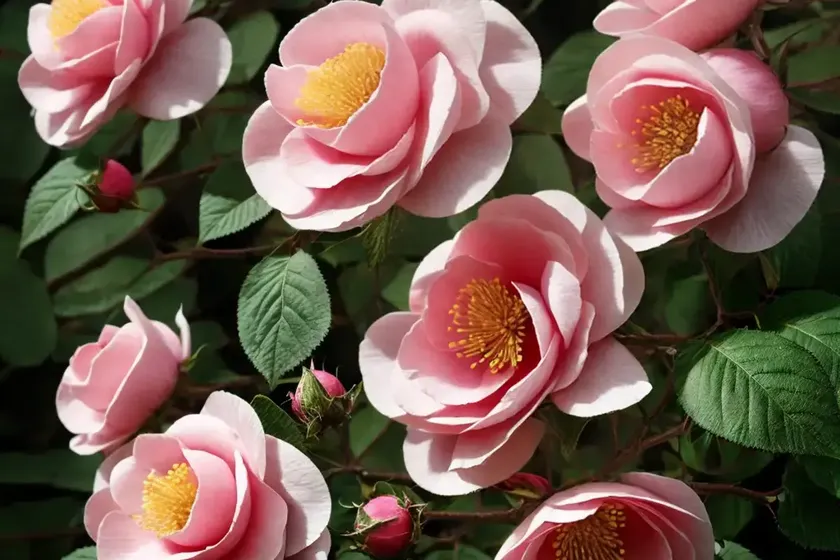
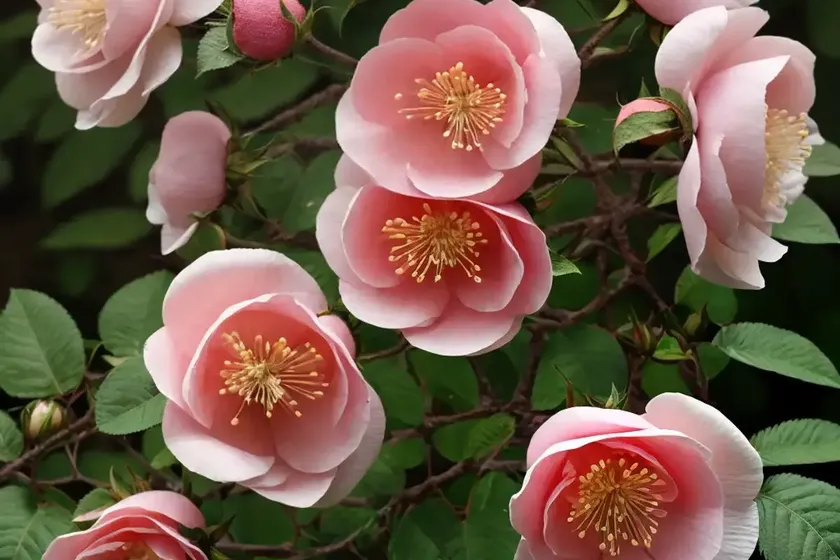
Plants are incredible organisms that contribute to the beauty and functionality of the world around us. They come in various shapes, sizes, and colors, each with its unique set of characteristics and requirements. In this comprehensive guide, we will delve into the world of Common Sweet Briar (Rosa rubiginosa), a wild rose species known for its beauty, fragrance, and diverse uses. We will explore its cultural significance, its role in horticulture, and the key aspects of its care and maintenance.
What is a Plant?
Plants are living organisms that are part of the kingdom Plantae. They are characterized by their ability to photosynthesize, allowing them to convert light energy into chemical energy. Plants play a crucial role in the Earth’s ecosystems by producing oxygen, providing habitats for various organisms, and serving as a source of food and medicine for humans and animals.
Plants come in a wide range of forms, including trees, shrubs, herbs, and vines. They exhibit remarkable diversity in terms of their appearance, reproductive strategies, and ecological adaptations. From towering redwoods to delicate wildflowers, the plant kingdom encompasses a stunning array of species that contribute to the ecological balance of our planet.
Common Sweet Briar (Rosa rubiginosa)
Common Sweet Briar, also known by its scientific name Rosa rubiginosa, is a species of wild rose that has captured the fascination of gardeners, herbalists, and nature enthusiasts for centuries. This resilient shrub is characterized by its fragrant blooms and distinctive rosehips, which have been utilized for various medicinal and culinary purposes. Let’s take a closer look at the key aspects of this captivating plant.
Key Takeaways – Common Sweet Briar (Rosa rubiginosa)
Culture
- Scientific Name: Rosa rubiginosa
- Common Names: Sweet Briar, Sweet Briar Rose
- Family: Rosaceae
- Origin: Europe, Western Asia
- Type: Deciduous shrub
Uses
- Medicinal: Rosehip tea, herbal remedies
- Culinary: Rosehip jelly, syrup
- Ornamental: Garden shrub, landscape plant
- Fragrance: Sweet, floral scent
Water
- Watering Needs: Moderate
- Drought Tolerance: Moderate
- Soil Moisture: Well-drained
Sunlight
- Light Requirements: Full sun to partial shade
- Tolerance: Partial shade in hot climates
Fertilizer
- Fertilizing Frequency: Annually in spring
- Type: Balanced fertilizer (10-10-10)
Soil
- pH Level: Neutral to slightly acidic (pH 6.0-6.5)
- Texture: Well-drained, loamy soil
- Amendments: Organic matter for improved fertility
Pruning
- Pruning Time: Late winter to early spring
- Techniques: Remove dead wood, shape for aesthetics
Propagation
- Methods: Seeds, cuttings
- Propagation Time: Early spring to summer
Container Popularity
- Suitability: Ideal for container gardening
- Container Size: Minimum 5-gallon for mature plants
Common Diseases
- Issue: Powdery mildew
- Prevention: Adequate air circulation, organic fungicides
Disease Diagnosis
- Symptoms: White powdery spots on leaves
Common Pests
- Pest: Aphids
- Treatment: Insecticidal soap, neem oil
Botanist’s Tips
- Aromatic Hips: Common Sweet Briar produces fragrant rosehips that add ornamental value to the plant.
- Wildlife Attraction: The plant attracts pollinators and provides habitat for birds.
Fun Facts
- Common Sweet Briar has been associated with various folklore and symbolic meanings, often representing love and beauty in different cultures.
- The plant’s name “rubiginosa” refers to the rusty (rubicund) color of its leaf veins.
Links to External Resources
For additional information on Common Sweet Briar, consider exploring the following resources:
In the next sections, we will take a closer look at the various aspects of cultivating and caring for Common Sweet Briar, enabling you to appreciate and nurture this remarkable plant in your own garden.
Plant Name: Common Sweet Briar (Rosa rubiginosa)
Sweet Briar Plant Description
Common Sweet Briar, scientifically known as Rosa rubiginosa, is a flowering shrub that belongs to the family Rosaceae. This deciduous plant is native to Europe and Western Asia and is renowned for its delicate beauty and aromatic qualities. The species name “rubiginosa” alludes to the rusty color of its leaf veins, adding to its allure. Common Sweet Briar is prized for its ornamental and utilitarian value, making it a versatile addition to gardens and landscapes.
Rosa Rubiginosa Characteristics
- Height: 5-10 feet
- Spread: 5-6 feet
- Foliage: Pinnate, serrated leaflets
- Flowers: Fragrant, single or clustered pink blooms
- Fruit: Rosehips, red to orange in color
Common Sweet Briar Uses
Medicinal Properties
Common Sweet Briar is esteemed for its medicinal properties, primarily associated with its rosehips. The rosehips of Rosa rubiginosa are rich in vitamin C, antioxidants, and essential nutrients, making them a valuable ingredient in herbal remedies and dietary supplements. Rosehip tea, infused with the goodness of these fruits, has been traditionally used to boost immunity and promote overall well-being.
Additionally, the oil extracted from the seeds of the rosehips is utilized in skincare products for its hydrating and rejuvenating properties. Its high content of essential fatty acids and vitamins makes it an ideal ingredient for nourishing and protecting the skin.
Culinary Uses
The rosehips of Common Sweet Briar are also utilized in culinary applications, particularly for making rosehip jelly, syrup, and infusions. The tangy and slightly sweet flavor of the rosehips adds a unique dimension to various dishes and beverages. Whether incorporated into jams and spreads or brewed into a refreshing tea, rosehips contribute to a range of delectable culinary creations.
Ornamental Value
Beyond its practical uses, Common Sweet Briar is valued for its ornamental qualities. The plant’s charming pink flowers, which emit a sweet, floral scent, add a delightful touch to gardens and outdoor spaces. The development of rosehips further enhances its visual appeal, providing a burst of color and texture that persists through the fall and winter seasons.
Sweet Briar Rose Symbolism
Throughout history and across cultures, roses have been imbued with rich symbolism and meaning, often associated with love, beauty, and emotional depth. The fragrance and delicate appearance of the Sweet Briar rose have contributed to its symbolic significance, with interpretations that reflect its enchanting nature.
The rosehips, a prominent feature of Common Sweet Briar, have also been associated with various symbolic representations, such as fertility, abundance, and vitality. In folklore and mythologies, the rosehip has been revered for its connection to healing, protection, and the cycles of nature.
Rosa Rubiginosa Fragrance
The fragrance of Common Sweet Briar is a defining feature that captivates the senses. The delicate, sweet scent of its blooms evokes a sense of nostalgia and tranquility, creating an inviting ambiance in gardens and outdoor settings. The aroma of the rosehips, particularly when used in teas and infusions, imparts a subtle yet distinctive fragrance that adds to the plant’s allure.
Rosa Rubiginosa Growing Conditions
Water
Common Sweet Briar exhibits moderate water needs, requiring consistent moisture without becoming waterlogged. Adequate irrigation, particularly during dry periods, is essential for supporting healthy growth and bloom production. However, the plant also demonstrates a degree of drought tolerance, enabling it to withstand periods of reduced water availability.
Sunlight
In terms of sunlight requirements, Common Sweet Briar thrives in full sun to partial shade conditions. While it prefers ample sunlight for optimal growth and flowering, it can also tolerate partial shade, especially in regions with intense summer heat. Providing the plant with the right balance of sunlight helps maintain its vigor and flowering capacity.
Fertilizer
To support the nutrient needs of Common Sweet Briar, a balanced fertilizer with an equal ratio of nitrogen, phosphorus, and potassium (e.g., 10-10-10) can be applied in spring. This provides the plant with essential nutrients for robust growth and flowering. Incorporating organic matter into the soil can also contribute to long-term soil fertility and plant health.
Soil
The ideal soil for Common Sweet Briar is well-drained and loamy, with a neutral to slightly acidic pH range of 6.0-6.5. This type of soil provides the plant with good aeration and moisture retention, supporting root development and overall vitality. Organic amendments, such as compost or well-rotted manure, can enhance the fertility and structure of the soil, promoting optimal growth.
Pruning
Pruning Common Sweet Briar is typically carried out in late winter to early spring, prior to the onset of new growth. This practice involves the removal of dead or damaged wood, shaping the plant for aesthetic appeal, and managing its size within the intended space. Proper pruning techniques contribute to the overall health and vigor of the plant.
Propagation
Common Sweet Briar can be propagated through seeds and cuttings. Seed propagation is often conducted in early spring, while stem cuttings are best taken in late spring to summer. Both methods offer viable means of generating new plants and expanding the presence of this captivating species.
Common Sweet Briar Care
Container Popularity
The adaptability of Common Sweet Briar makes it well-suited for container gardening. The plant’s moderate size and ornamental qualities make it an attractive choice for growing in containers, providing an opportunity to enjoy its beauty in various outdoor settings, including patios, balconies, and courtyards.
When considering container cultivation, a minimum of a 5-gallon container is recommended for accommodating the mature size of the plant and providing adequate root space. Selecting a well-draining potting mix and ensuring proper drainage in the container are essential for supporting the health and growth of Common Sweet Briar in a container environment.
Common Diseases
One of the potential diseases that may affect Common Sweet Briar is powdery mildew. This fungal disease can manifest as a white, powdery film on the foliage, affecting the plant’s overall appearance and vigor. Proper cultural practices, such as providing adequate air circulation and spacing, can mitigate the risk of powdery mildew.
Disease Diagnosis
Diagnosing powdery mildew on Common Sweet Briar involves observing the characteristic powdery patches on the leaves and stems. These patches may gradually expand, impacting the plant’s photosynthetic capacity and aesthetic appeal. Timely intervention and preventive measures are crucial for managing and preventing the spread of this disease.
Common Pests
Aphids are among the common pests that may infest Common Sweet Briar. These small, sap-sucking insects can affect the plant’s growth and vigor if left unchecked. Treatment options, such as using insecticidal soap or neem oil, can help control the population of aphids and protect the plant from potential damage.
Botanist’s Tips
To make the most of Common Sweet Briar in your garden or landscape, consider the following tips:
- Wildlife Appeal: The aromatic blooms and rosehips of Common Sweet Briar attract pollinators such as bees and butterflies, contributing to the biodiversity of your outdoor space.
- Fragrant Additions: Harvest the rosehips to create fragrant infusions, syrups, or culinary delights, adding a touch of nature’s essence to your creations.
Fun Facts
- Historical Uses: Throughout history, Common Sweet Briar has been utilized for various medicinal and culinary purposes, reflecting its cultural significance and practical value.
- Folklore Connections: The Sweet Briar rose has been intertwined with folklore and symbolic representations, illustrating its enduring presence in cultural narratives.
In conclusion, Common Sweet Briar (Rosa rubiginosa) embodies a captivating blend of beauty, fragrance, and utility, offering a rich tapestry of benefits for horticulture, herbalism, and ecological enhancement. By understanding its cultural significance and caring for its specific needs, you can cultivate a thriving and enchanting presence of Common Sweet Briar in your own corner of the natural world.
For further exploration of Common Sweet Briar and its multifaceted attributes, we invite you to delve into the resources provided and embark on a journey of discovery and appreciation for this remarkable plant.
References
- Royal Horticultural Society. (n.d.). Rosa rubiginosa. Retrieved from https://www.rhs.org.uk/plants/80414/rosa-rubiginosa/details
- Missouri Botanical Garden (n.d.). Plant Finder – Rosa rubiginosa. Retrieved from https://www.missouribotanicalgarden.org/PlantFinder
In writing this article, several reputable sources and botanical references have been consulted to ensure the accuracy and depth of information provided. We hope that this comprehensive guide enriches your understanding of Common Sweet Briar and inspires a deeper connection with the natural world.
Thank you for joining us on this exploration of Common Sweet Briar (Rosa rubiginosa), an enchanting and versatile species that continues to weave its magic through the landscapes and gardens it graces.