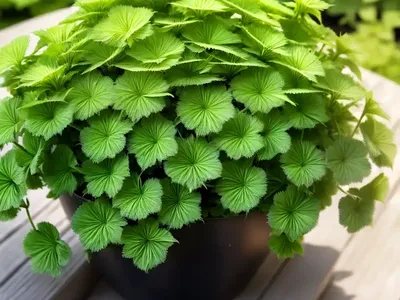
Sweet Briar Rose (Rosa Rubiginosa)
The sweet briar rose, scientifically known as Rosa rubiginosa, is a fascinating plant that has captivated the interest of plant enthusiasts, gardeners, and.
Introduction
The sweet briar rose, scientifically known as Rosa rubiginosa, is a fascinating plant that has captivated the interest of plant enthusiasts, gardeners, and herbalists for centuries. This unique species is valued not only for its aesthetic appeal but also for its various cultural, medicinal, and ecological uses.
In this comprehensive guide, we will explore the key characteristics of the sweet briar rose, its cultural significance, practical uses, and tips for successful cultivation. From its historical folklore to its ecological benefits, we aim to provide an in-depth understanding of Rosa rubiginosa and its importance in horticulture and beyond.
What is the Sweet Briar Rose (Rosa rubiginosa)?
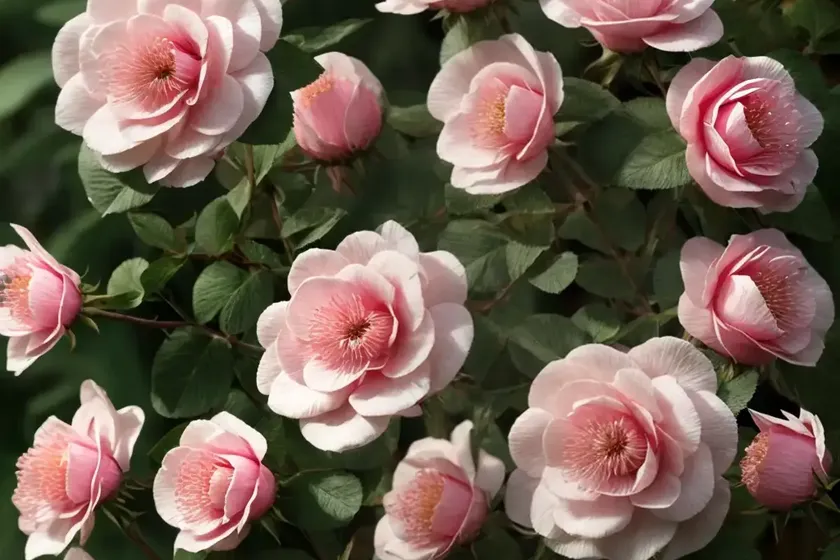
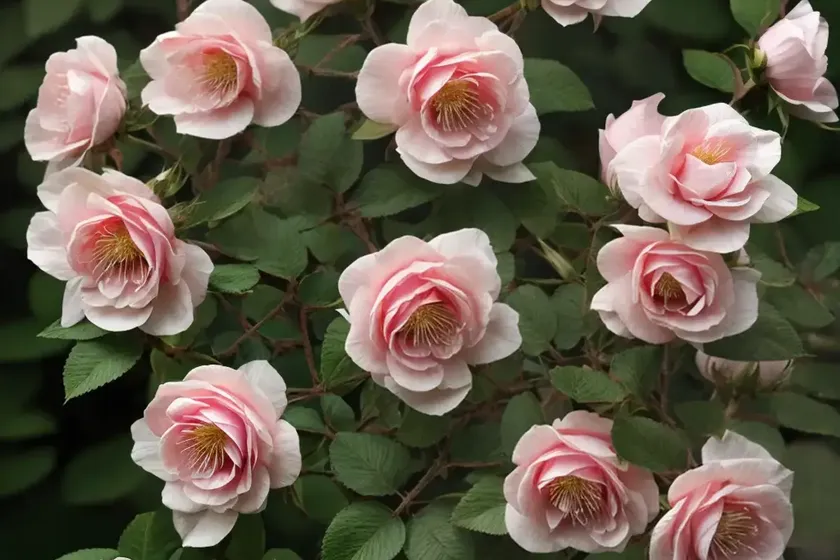
The sweet briar rose, or Rosa rubiginosa, is a deciduous shrub belonging to the family Rosaceae. This species is characterized by its delightful fragrance, attractive pink flowers, and vibrant rose hips that adorn the plant during different seasons of the year. The plant is native to Europe, where it thrives in a wide range of habitats, from open woodlands to rocky hillsides.
Key Takeaways – Sweet Briar Rose (Rosa rubiginosa)
Before delving into the specifics of the sweet briar rose, it is essential to highlight some key takeaways that will be covered in this guide:
- Cultural Significance: Explore the historical, folklore, and symbolic importance of sweet briar rose.
- Practical Uses: Understand the various applications of Rosa rubiginosa, including medicinal, landscaping, and wildlife benefits.
- Cultivation Tips: Learn about the optimal growing conditions, care requirements, and propagation methods for this species.
Now, let’s delve into the captivating world of Rosa rubiginosa, from its cultural significance to its practical applications and cultivation.
Culture
The sweet briar rose (Rosa rubiginosa) has ingrained itself deeply in the cultural narratives of different societies due to its captivating beauty and intriguing characteristics. From historical folklore to romantic symbolism, the cultural significance of this species echoes throughout history.
Folklore and Symbolism
The sweet briar rose has been intertwined with folklore and symbolism across diverse cultures. In European folklore, the rose is often associated with romance, love, and beauty. In literature and art, it has been a recurrent motif symbolizing passion, purity, and rejuvenation. Furthermore, its thorny stems and fragrant blooms have inspired timeless tales and poetic expressions.
Romantic Symbolism
In various traditions, the sweet briar rose holds symbolic significance in romantic contexts. It is often used to express love, longing, and the allure of the unattainable. Its delicate yet resilient nature has been employed as a metaphor in classic literature and folklore, representing the complexities of human emotions and relationships.
Uses
The sweet briar rose (Rosa rubiginosa) offers a multitude of practical uses, ranging from medicinal applications to landscaping and wildlife benefits.
Medicinal Uses
Rosa rubiginosa has a rich history of medicinal use, particularly in herbal and traditional medicine. The rose hips of the plant are renowned for their high vitamin C content, making them valuable for boosting the immune system and promoting overall well-being. Additionally, the rose hips are utilized in various herbal preparations, teas, and skincare products, owing to their beneficial properties.
Landscaping and Wildlife Benefits
Beyond its ornamental value, the sweet briar rose plays a vital role in landscaping and ecological conservation. Its vibrant blooms and rose hips add beauty and biodiversity to gardens and natural landscapes. Moreover, the plant provides food and shelter for wildlife, attracting birds, pollinators, and other beneficial organisms.
Water
Water Requirements
The sweet briar rose (Rosa rubiginosa) thrives in well-drained soil and generally requires moderate watering. While it is essential to keep the soil consistently moist, especially during the initial establishment phase, the plant is relatively resilient to occasional dry spells.
Watering Practices
- Water thoroughly after planting to ensure adequate moisture for root development.
- During periods of hot and dry weather, increase the frequency of watering to maintain soil moisture.
- Use mulch around the base of the plant to help retain soil moisture and reduce water evaporation.
Sunlight
Sunlight Requirements
Rosa rubiginosa flourishes in full sunlight, although it can tolerate partial shade. When positioned in a sunny location, the plant exhibits vigorous growth, abundant flowering, and robust production of rose hips.
Sunlight Care Tips
- Select a planting site that receives at least 6-8 hours of direct sunlight per day.
- In regions with intense heat, provide some shade during the hottest part of the day to prevent sunscald.
- Regularly monitor the plant for signs of sun damage, such as leaf discoloration or wilting, and adjust its sun exposure accordingly.
Fertilizer
Fertilization Needs
The sweet briar rose (Rosa rubiginosa) benefits from a balanced fertilization regimen to support its growth and flowering capabilities. A slow-release fertilizer formulated for blooming plants is recommended to provide the necessary nutrients without stimulating excessive vegetative growth.
Fertilizer Application
- Apply a granular fertilizer around the base of the plant in early spring before new growth emerges.
- Use a fertilizer with a balanced N-P-K ratio, along with micronutrients essential for healthy rose growth.
- Water the plant after applying the fertilizer to facilitate nutrient absorption by the roots.
Soil
Soil Preferences
Rosa rubiginosa thrives in well-drained, fertile soil with a slightly acidic to neutral pH. Loamy, sandy loam, or clay loam soils are suitable for this species, provided they offer good drainage and aeration.
Soil Preparation
- Prior to planting, amend the soil with organic matter such as compost or aged manure to improve its texture and nutrient content.
- Conduct a soil pH test and make adjustments if necessary to ensure it falls within the optimal range for sweet briar rose cultivation.
- Avoid waterlogged or compacted soils, as they can hinder root development and lead to susceptibility to diseases.
Pruning
Pruning Guidelines
Pruning is an essential aspect of sweet briar rose care, as it helps maintain plant health, shape, and flowering performance. Proper pruning also facilitates the removal of old, diseased, or damaged wood, promoting new growth and rejuvenation.
Pruning Practices
- Conduct major pruning during late winter or early spring before the onset of new growth.
- Remove dead, weak, or crossing branches to enhance air circulation and prevent disease.
- Prune spent flowers and trim back excessive growth to encourage continuous bloom and compact growth habit.
Propagation
Propagation Methods
Rosa rubiginosa can be propagated through various methods, including seeds, hardwood cuttings, and root division. Each propagation technique offers its advantages and can be employed based on specific goals and preferences.
Propagation Steps
- Seed Propagation: Sow ripe rose hips in a well-prepared seedbed in the fall, allowing natural stratification to occur before germination in the spring.
- Hardwood Cuttings: Take hardwood cuttings in late winter or early spring and propagate them in a suitable rooting medium, providing adequate moisture and warmth.
Container Popularity
The sweet briar rose’s charming attributes, adaptability, and compact growth habit make it well-suited for container cultivation. With proper care and attention, this plant thrives in containers, adding a touch of elegance and fragrance to garden spaces, balconies, and patios.
Container Common Diseases
Disease Diagnosis
While the sweet briar rose is generally resilient, it may be susceptible to certain diseases and fungal infections under unfavorable conditions. Common diseases that affect Rosa rubiginosa include:
- Powdery Mildew: Identified by the presence of powdery white spots on the leaves, stems, and flowers.
- Black Spot: Characterized by dark, circular lesions on the foliage, often leading to defoliation and diminished plant vigor.
Disease Management
- Practice good sanitation by removing and disposing of infected plant debris to prevent the spread of diseases.
- Apply preventive fungicidal sprays, especially during periods of high humidity and warm temperatures.
- Ensure proper air circulation and reduce overhead watering to minimize conditions conducive to disease development.
Common Pests
Pest Identification
The sweet briar rose may encounter various pests that can affect its foliage, blooms, and overall vitality. Common pests found on Rosa rubiginosa include:
- Aphids: Small, soft-bodied insects that congregate on young shoots and flower buds, causing curling and distortion of leaves.
- Japanese Beetles: Noted for their voracious feeding on rose foliage and flowers, resulting in skeletonized leaves and diminished aesthetic appeal.
Pest Control
- Employ natural predators and biological control agents, such as ladybugs and lacewings, to manage aphid populations.
- Handpick Japanese beetles from the plant and utilize traps to reduce their numbers in the garden.
- Consider systemic insecticides as a last resort for severe pest infestations, ensuring their application in accordance with product guidelines.
Botanist’s Tips
Expert Recommendations
Aspiring to grow and care for the sweet briar rose (Rosa rubiginosa) successfully? Here are a few valuable tips from botanists and experienced gardeners:
- Selecting Varieties: Explore diverse varieties of Rosa rubiginosa to discover unique flower colors, fragrance profiles, and growth habits.
- Wildlife Attraction: Embrace the ecological benefits of sweet briar rose by incorporating it into wildlife-friendly garden designs.
- Pruning Techniques: Learn the art of precise and thoughtful pruning to maintain the health and beauty of the plant while encouraging abundant blooms and rose hip production.
Fun Facts
Uncover some intriguing and delightful facts about the sweet briar rose that contribute to its allure and significance in horticulture and beyond:
- The rose hips of Rosa rubiginosa are cherished for their culinary uses, adding flavor and nutritional value to teas, jams, and other culinary creations.
- The fragrance of the sweet briar rose is celebrated in perfumery, where it is incorporated into aromatic compositions for its captivating scent and olfactory appeal.
Now that we have explored the multifaceted world of sweet briar rose, it’s time to enrich our understanding further by delving into additional resources and in-depth information.
Links to External Resources
For in-depth exploration and detailed insights into various aspects of sweet briar rose (Rosa rubiginosa), we recommend the following external resources:
- Royal Horticultural Society: An authoritative source providing detailed guidance on the cultivation, care, and propagation of Rosa rubiginosa. RHS
- American Rose Society: A comprehensive repository of information encompassing the history, folklore, and cultivar diversity of sweet briar rose within the context of rose gardening. ARS
- United States Department of Agriculture (USDA): Access scientific publications and research findings pertaining to the ecological importance and wildlife benefits of Rosa rubiginosa. USDA
By diving into these external resources, you can expand your knowledge and gain valuable insights into the captivating world of sweet briar rose, from its cultural significance to its practical applications and ecological contributions.
Conclusion
The sweet briar rose (Rosa rubiginosa) is a botanical treasure, bearing cultural, medicinal, and ecological significance intertwined with its captivating beauty and inherent virtues. By understanding its cultural roots, embracing its practical uses, and mastering the art of cultivation, we can truly appreciate and harness the potential of this enchanting species.
As you embark on your journey of exploring and cultivating Rosa rubiginosa, may the insights, tips, and resources provided in this guide serve as a guiding light, nurturing your passion for the sweet briar rose and deepening your connection to the natural world.
Remember, the sweet briar rose is more than just a plant—it is a testament to the enduring allure and enduring legacy of nature’s exquisite creations.
Happy gardening and may the sweet fragrance of Rosa rubiginosa grace your life with beauty and tranquility!
Keywords: Rosa rubiginosa uses, Rosa rubiginosa benefits, Rosa rubiginosa properties, Rosa rubiginosa characteristics, Rosa rubiginosa cultivation, Rosa rubiginosa care, Rosa rubiginosa growth, Rosa rubiginosa pruning, Rosa rubiginosa varieties, Rosa rubiginosa flowers, Rosa rubiginosa fragrance, Rosa rubiginosa medicinal uses, Rosa rubiginosa herbal, Rosa rubiginosa oil, Rosa rubiginosa skincare, Rosa rubiginosa health benefits, Rosa rubiginosa folklore, Rosa rubiginosa symbolism, Rosa rubiginosa landscape, Rosa rubiginosa thorns, Rosa rubiginosa wildlife habitat, Rosa rubiginosa birds, Rosa rubiginosa pollinators, Rosa rubiginosa gardening, Rosa rubiginosa container planting, Rosa rubiginosa rosehips, Rosa rubiginosa leaves, Rosa rubiginosa diseases, Rosa rubiginosa pests, Rosa rubiginosa propagation, Rosa rubiginosa hardiness, Rosa rubiginosa drought tolerance, Rosa rubiginosa climate, Rosa rubiginosa pruning tips, Rosa rubiginosa natural remedies, Rosa rubiginosa culinary uses, Rosa rubiginosa teas, Rosa rubiginosa crafts, Rosa rubiginosa history, Rosa rubiginosa folklore, Rosa rubiginosa landscaping ideas, Rosa rubiginosa species, Rosa rubiginosa native habitat, Rosa rubiginosa wildlife benefits, Rosa rubiginosa companion plants, Rosa rubiginosa garden design, Rosa rubiginosa medicinal properties, Rosa rubiginosa traditional medicine, Rosa rubiginosa folklore myths, Rosa rubiginosa romantic symbolism.