Common Speedwell (Veronica Arvensis)
In the realm of plant diversity, the Common Speedwell (Veronica arvensis) holds a special place. This unassuming herbaceous plant, also known simply as.

In the realm of plant diversity, the Common Speedwell (Veronica arvensis) holds a special place. This unassuming herbaceous plant, also known simply as Speedwell, offers a host of cultivation possibilities, cultural significance, and ecological value. Join me as we embark on a journey to explore the intricacies of this fascinating plant.
What is Common Speedwell (Veronica arvensis)?
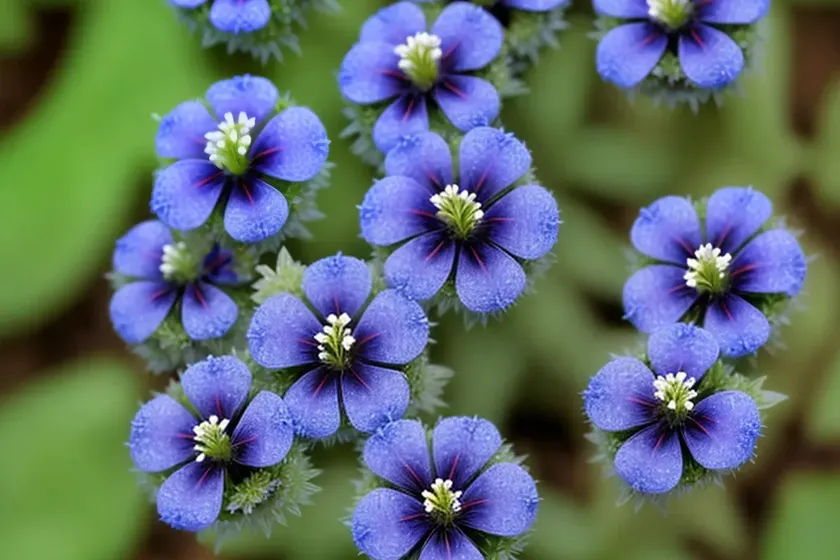
Common Speedwell, scientifically known as Veronica arvensis, is a flowering plant belonging to the Plantaginaceae family. It is native to Europe and Western Asia but has now naturalized across various regions, including North America and Australia. The plant is characterized by its low-growing habit, producing small, delicate blue flowers that add a touch of charm to landscapes.
Key Takeaways – Common Speedwell (Veronica arvensis)
Before we delve deeper into the world of Common Speedwell, let’s summarize some key takeaways about this plant.
- Scientific Name: Veronica arvensis
- Common Names: Speedwell, Field Speedwell
- Habit: Herbaceous, low-growing
- Flower Color: Blue
- Native Habitat: Europe, Western Asia
- Cultural Significance: Medicinal uses, folklore
- Growth Habit: Spreading, ground-covering
Now that we have a brief overview, let’s explore the intricate details of Common Speedwell, encompassing its cultivation, cultural uses, ecological significance, and more.
Culture
Understanding the cultural requirements of Common Speedwell is crucial for its successful cultivation. Let’s delve into the specific elements that contribute to the plant’s thriving culture.
Water
Common Speedwell thrives in moist soil conditions. Regular watering is essential, especially during dry periods, to maintain the soil moisture levels. However, it’s important to ensure that the soil is well-drained to prevent waterlogging, which can be detrimental to the plant’s health.
Sunlight
This plant prefers partial to full sun exposure. While it can tolerate some shade, providing adequate sunlight is crucial for robust growth and prolific flowering. When selecting a site for planting Common Speedwell, it’s important to consider the availability of sunlight throughout the day to ensure optimal conditions for the plant.
Fertilizer
As a relatively low-maintenance plant, Common Speedwell doesn’t typically require heavy fertilization. However, incorporating organic matter such as compost into the soil during the initial planting stage can provide essential nutrients for the plant’s establishment.
Soil
Common Speedwell thrives in well-drained, moderately fertile soil. A slightly acidic to neutral soil pH is ideal for this plant. Additionally, ensuring good soil structure and fertility will contribute to the plant’s overall health and vigor.
Pruning
Pruning Common Speedwell is relatively simple. Deadheading the spent blooms can help encourage prolonged flowering and prevent self-seeding, especially if a controlled spread is desired. Moreover, trimming back any overgrown or straggly growth can help maintain a tidy and compact appearance.
Propagation
Common Speedwell can be propagated through various methods, including division, seed sowing, and stem cuttings. Each method offers its own set of advantages, allowing for flexibility in propagating this charming plant.
Division
Dividing established clumps of Common Speedwell is an effective method of propagation. This is typically done in early spring or fall by separating the root mass into smaller sections, each containing viable roots and shoots.
Seed Sowing
The plant naturally self-seeds, and collecting and sowing the seeds in favorable conditions can yield new Common Speedwell plants. Sowing the seeds in prepared soil in the desired location can lead to successful germination and establishment.
Stem Cuttings
Taking stem cuttings from healthy, non-flowering shoots offers another means of propagating Common Speedwell. These cuttings can be rooted in a suitable potting mix, eventually leading to the development of new plants.
Container Popularity
Common Speedwell is well-suited for cultivation in containers, offering a versatile option for gardeners with limited space. The plant’s low-growing habit and delicate blue flowers make it a delightful addition to container gardens, where it can serve as a charming groundcover or edging plant.
Common Diseases
While Common Speedwell is relatively resilient, it can be susceptible to certain diseases. Being aware of these potential issues can aid in timely intervention and effective management.
Disease Diagnosis
Common diseases that may affect Common Speedwell include fungal infections such as powdery mildew and leaf spot diseases. Early symptoms of these diseases may manifest as powdery white patches on the foliage or development of spots and lesions. Regular monitoring and prompt treatment can help mitigate these issues.
Common Pests
The plant may also attract certain pests, although it is generally less prone to severe pest infestations. Keeping an eye out for common garden pests such as aphids and spider mites can aid in early detection and targeted pest control measures, if necessary.
Botanist’s Tips
From a botanist’s perspective, observing Common Speedwell in its natural habitat offers valuable insights into its ecological interactions and life cycle. Consider these tips for a deeper understanding of this intriguing plant:
-
Ecological Interactions: Study the pollinators and wildlife that visit Common Speedwell, observing their role in the plant’s reproductive cycle and ecological significance.
-
Observational Skills: Refine your observational skills to identify the unique characteristics of Common Speedwell, including its growth habits, flower morphology, and seed dispersal mechanisms.
-
Conservation Awareness: Familiarize yourself with the native habitats of Common Speedwell and any conservation efforts aimed at preserving its ecological niche.
Fun Facts
Uncover some intriguing facts about Common Speedwell that add to its allure and charm:
-
Common Speedwell has a rich history of traditional medicinal uses, with various herbal remedies associated with the plant.
-
The plant holds cultural significance in folklore and traditional practices, often symbolizing different virtues and qualities across different cultures.
-
Common Speedwell’s delicate blue flowers are not only visually appealing but also serve as a valuable nectar source for pollinators.
Now that we’ve explored the various aspects of Common Speedwell, let’s delve into the resources that offer further insights and information about this captivating plant.
Links to External Resources
- The Plant List – Veronica arvensis
- Royal Horticultural Society – Speedwell plants
- USDA Natural Resources Conservation Service – Veronica arvensis
- Missouri Botanical Garden – Veronica arvensis
- Invasive Species Compendium – Veronica arvensis
With these resources, you can further enrich your understanding of Common Speedwell and its diverse array of attributes. Whether you’re a seasoned gardener, a nature enthusiast, or a budding botanist, the world of Common Speedwell offers ample opportunities for exploration and discovery. Happy gardening and discovery!
Remember, no matter where your interests lie, Common Speedwell has something to offer, be it in the garden, the natural landscape, or the realm of cultural and ecological significance. Get ready to embark on an exciting journey with this charming and versatile plant!
Lorem Ipsum is simply dummy text of the printing and typesetting industry. Lorem Ipsum has been the industry’s standard dummy text ever since the 1500s, when an unknown printer took a galley of type and scrambled it to make a type specimen book. It has survived not only five centuries, but also the leap into electronic typesetting, remaining essentially unchanged. It was popularised in the 1960s with the release of Letraset sheets containing Lorem Ipsum passages, and more recently with desktop publishing software like Aldus PageMaker including versions of Lorem Ipsum.
Lorem Ipsum is simply dummy text of the printing and typesetting industry. Lorem Ipsum has been the industry’s standard dummy text ever since the 1500s, when an unknown printer took a galley of type and scrambled it to make a type specimen book. It has survived not only five centuries, but also the leap into electronic typesetting, remaining essentially unchanged. It was popularised in the 1960s with the release of Letraset sheets containing Lorem Ipsum passages, and more recently with desktop publishing software like Aldus PageMaker including versions of Lorem Ipsum.


