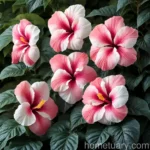
Common Rose Mallow (Hibiscus ‘Everest White’): A Comprehensive Guide to Growing and Caring for this Beautiful Plant
In the world of gardening, few plants are as beloved as the common rose mallow, scientifically known as Hibiscus ‘Everest White’. This stunning flowering shrub is cherished for its large, showy blossoms and its ability to thrive in a variety of growing conditions. Whether you’re a seasoned horticulturalist or a novice gardener, there’s much to learn and appreciate about this versatile and beautiful plant.
In this comprehensive guide, we will explore everything there is to know about the common rose mallow, from its cultural significance to its growth requirements, and from its uses in landscaping to the potential diseases and pests that it may encounter. By the end of this article, you will have a deep understanding of how to care for and propagate the common rose mallow, as well as appreciate its fascinating characteristics and uses in gardens and beyond.
What is the Common Rose Mallow (Hibiscus ‘Everest White’)?
The common rose mallow, or Hibiscus ‘Everest White’, is a cultivar of Hibiscus. This beautiful flowering shrub belongs to the Malvaceae family and is native to warm temperate, subtropical, and tropical regions throughout the world. Known for its large, showy blossoms, the common rose mallow has gained popularity in gardens, landscapes, and even as a potted plant due to its captivating beauty and low-maintenance nature.
Hibiscus ‘Everest White’ specifically stands out due to its pristine white blooms, making it a standout choice for those seeking to add a touch of elegance and purity to their outdoor spaces. This cultivar is a particularly cherished variety for its stunning white blossoms, which impart a sense of serenity and sophistication to any garden or landscape.
Let’s delve deeper into the various aspects of growing and caring for the common rose mallow, so you can successfully cultivate and appreciate this magnificent plant in your own garden.
Key Takeaways – Common Rose Mallow (Hibiscus ‘Everest White’)
Before we dive into the details, here’s a quick overview of the key takeaways for growing and caring for the common rose mallow, Hibiscus ‘Everest White’:
- Culture
- The common rose mallow thrives in warm climates and requires protection from harsh winter conditions.
-
It can be grown in the ground or in containers, making it a versatile plant for various gardening environments.
-
Uses
-
Hibiscus ‘Everest White’ is commonly used in landscaping, as well as in pots and containers to adorn patios and other outdoor living spaces.
-
Water
- Adequate and consistent watering is essential for the healthy growth and flowering of the common rose mallow.
-
It is important to avoid both overwatering and underwatering, as the plant is sensitive to extremes in moisture levels.
-
Sunlight
-
Full sun to partial shade is ideal for the common rose mallow, as it requires ample sunlight to produce abundant blooms.
-
Fertilizer
-
Regular fertilization during the growing season supports the vigorous growth and blooming of Hibiscus ‘Everest White’.
-
Soil
-
Well-draining, nutrient-rich soil is preferred for optimal growth and health of the common rose mallow.
-
Pruning
-
Pruning is necessary to maintain the shape of the plant and encourage new growth, as well as to remove any dead or damaged branches.
-
Propagation
-
The common rose mallow can be propagated through various methods such as seeds, cuttings, and division.
-
Container Popularity
-
Its versatility makes Hibiscus ‘Everest White’ popular for growing in containers, allowing it to grace small spaces with its beauty.
-
Common Diseases
-
Keeping an eye out for common diseases such as fungal infections can help maintain the health of the plant.
-
Disease Diagnosis
-
Early detection and proper treatment are crucial in addressing potential diseases that may affect the common rose mallow.
-
Common Pests
- Regular inspection can help in identifying and addressing common pests that may plague the plant.
Now that we have a glimpse of the essential aspects of growing and caring for the common rose mallow, let’s delve into each of these topics in greater detail.
Culture
Understanding the cultural requirements of the common rose mallow is fundamental to ensuring its successful growth and development. The culture of a plant encompasses its environmental needs, including temperature, humidity, and growing conditions. Here’s what you need to know about the culture of Hibiscus ‘Everest White’:
-
Climate: Hibiscus ‘Everest White’ thrives in warm climates, particularly those resembling its native tropical and subtropical habitats. It is sensitive to cold temperatures and requires protection from frost and freezing conditions. Therefore, if you live in a region with harsh winters, it’s essential to provide adequate shelter or consider growing the plant in containers that can be brought indoors during colder months.
-
Growth Environment: This versatile plant can be grown both in the ground and in containers. In garden beds or borders, it adds a touch of elegance and beauty, while in containers, it becomes a stunning focal point for patios, decks, and other outdoor spaces. The ability to thrive in containers makes Hibiscus ‘Everest White’ an excellent choice for those with limited garden space or those looking to adorn their balconies and terraces with its charm.
Uses
The common rose mallow, Hibiscus ‘Everest White’, has various uses in landscaping, gardening, and beyond. Its striking white blossoms and adaptability make it a sought-after plant for multiple purposes. Here are some common uses of this beautiful cultivar:
-
Landscaping: Hibiscus ‘Everest White’ is often used in landscaping to add a touch of elegance and sophistication to outdoor spaces. Whether planted in groups or as individual specimens, its large white flowers create a stunning visual impact and blend well with other flowering plants and shrubs.
-
Pots and Containers: Due to its ability to thrive in containers, the common rose mallow is a popular choice for adorning patios, balconies, and other outdoor living areas. Its captivating blooms and lush foliage make it a welcome addition to container gardens, adding a touch of natural beauty and charm to urban and suburban environments.
Water
Proper watering is essential for the health and vitality of the common rose mallow. As with most plants, finding the right balance in watering is crucial to prevent issues related to overwatering or underwatering. Here’s what you need to know about watering Hibiscus ‘Everest White’:
-
Consistent Moisture: The common rose mallow thrives when its soil is consistently moist but not waterlogged. It is crucial to establish a regular watering routine, especially during periods of hot and dry weather, to ensure that the plant’s root system remains adequately hydrated.
-
Avoid Waterlogging: While the plant requires moist soil, it is essential to avoid waterlogging, which can lead to root rot and other moisture-related problems. Good drainage is key to preventing water from pooling around the roots, ensuring their health and vigor.
-
Mulching: Applying a layer of organic mulch around the base of the plant can help retain soil moisture, reduce evaporation, and keep the root zone cool. This is especially beneficial during the hot summer months when the plant may require more frequent watering.
Sunlight
Like many flowering plants, adequate sunlight is essential for the common rose mallow to produce an abundance of blooms and maintain overall vigor. Understanding its sunlight requirements is crucial for ensuring its successful growth and flowering. Here’s what you need to know about providing the right amount of sunlight for Hibiscus ‘Everest White’:
-
Full Sun to Partial Shade: Hibiscus ‘Everest White’ thrives in full sun, receiving at least 6 to 8 hours of direct sunlight per day. In regions with intense summer heat, providing some afternoon shade can help protect the plant from excessive sun exposure, particularly during the hottest part of the day.
-
Sunlight for Flowering: Ample sunlight is crucial for the plant to produce an abundance of large, showy blossoms. Inadequate sunlight may result in reduced flowering and overall diminished vigor. Therefore, selecting a well-lit location for planting or positioning containers is important for the optimal growth of Hibiscus ‘Everest White’.
Fertilizer
In addition to water and sunlight, providing proper nutrition to the common rose mallow is essential for supporting its growth and blooming. Regular fertilization helps ensure that the plant has access to essential nutrients needed for healthy development. Here’s what you need to know about fertilizing Hibiscus ‘Everest White’:
-
Balanced Fertilizer: Using a balanced, slow-release fertilizer formulated for flowering shrubs can provide the necessary nutrients for the vigorous growth and blooming of Hibiscus ‘Everest White’. An NPK (nitrogen, phosphorus, and potassium) ratio of 10-10-10 or similar is suitable for promoting healthy foliage and abundant flowers.
-
Fertilization Schedule: During the growing season, which typically spans from spring to early fall, regular fertilization is recommended. Begin fertilizing in early spring as new growth emerges, and continue at monthly intervals until late summer. Avoid fertilizing in late fall and winter, as the plant’s growth slows down during these periods.
-
Application Method: Apply the fertilizer according to the instructions on the product label, and water the plant thoroughly after application to ensure that the nutrients are carried down to the root zone. Overfertilization should be avoided, as it can lead to excessive foliage growth at the expense of flowering.
Soil
The soil in which the common rose mallow is planted plays a critical role in its overall health and well-being. Understanding the soil requirements and providing suitable growing medium are essential for ensuring the success of Hibiscus ‘Everest White’. Here’s what you need to know about the ideal soil conditions for this beautiful cultivar:
-
Well-Draining Soil: The common rose mallow prefers well-draining soil that allows excess water to flow away from the root zone. This is crucial in preventing waterlogging, which can lead to root rot and other moisture-related issues. Mixing organic matter, such as compost or well-rotted manure, into the soil can improve its drainage and nutrient-holding capacity.
-
Nutrient-Rich Soil: Providing a fertile growing medium is essential for supporting the vigorous growth and blooming of Hibiscus ‘Everest White’. Amending the soil with a balanced, slow-release fertilizer at the time of planting can help ensure that the plant has access to essential nutrients throughout the growing season.
-
Soil pH: The common rose mallow thrives in slightly acidic to neutral soil with a pH range of 6.0 to 7.0. Conducting a soil test can help determine the pH of the soil and whether any adjustments need to be made to create an ideal growing environment for the plant.
Pruning
Pruning is an essential aspect of maintaining the health, shape, and beauty of the common rose mallow. Regular trimming and shaping help promote new growth, remove dead or damaged branches, and encourage the plant to produce an abundance of blooms. Here’s what you need to know about pruning Hibiscus ‘Everest White’:
-
Pruning Time: In regions with mild winters, pruning can be carried out in late winter or early spring before new growth begins. In colder climates, it’s best to wait until the last frost has passed before pruning to avoid any potential damage to new growth.
-
Deadheading: Removing spent flowers, a practice known as deadheading, encourages the plant to produce new blooms and prevents the formation of seed pods. This can help prolong the flowering period and keep the plant looking tidy and attractive.
-
Shaping and Thinning: Regular shaping and thinning help maintain the desired form of the common rose mallow and prevent overcrowding. Focus on removing any crossing or overcrowded branches, as well as any dead or diseased wood, to promote air circulation and healthy growth.
Propagation
The ability to propagate the common rose mallow through various methods allows for the expansion of its presence in gardens and landscapes. Whether you’re looking to create new plants for your own garden or share them with others, understanding the propagation techniques can be rewarding. Here’s what you need to know about propagating Hibiscus ‘Everest White’:
-
Seed Propagation: Collecting and sowing seeds from mature Hibiscus ‘Everest White’ plants is one method of propagation. Start seeds indoors in early spring and transplant the seedlings outdoors after the last frost date. Keep in mind that plants grown from seed may not retain all the characteristics of the parent plant.
-
Cutting Propagation: Taking stem cuttings from healthy, established plants is a popular method of propagating Hibiscus ‘Everest White’. Select a young, non-flowering stem, and trim it to create a cutting of about 6 inches in length. Remove the lower leaves and plant the cutting in a well-draining potting mix, keeping it consistently moist until roots develop.
-
Division: For mature plants, division can be a means of creating new plants from the existing root system. Dig up the plant and carefully separate the root ball into sections, ensuring that each division has sufficient roots and healthy growth. Replant the divisions in suitable locations and care for them as you would with established plants.
Container Popularity
The common rose mallow is a popular choice for growing in containers, owing to its adaptability and stunning aesthetic appeal. Cultivating Hibiscus ‘Everest White’ in containers offers several advantages and allows for greater flexibility in its placement. Here’s why this beautiful cultivar is well-suited for container gardening:
-
Versatility: Growing Hibiscus ‘Everest White’ in containers allows for its placement in various outdoor settings, from patios and balconies to garden pathways and entryways. Its versatility makes it a welcome addition to urban and suburban landscapes, as well as larger gardens where it can be showcased as a potted specimen.
-
Space-Saving: For those with limited garden space, containers offer a space-saving solution for cultivating the common rose mallow. Even in small outdoor areas, the plant can thrive and produce its striking white blossoms, bringing natural beauty to compact settings.
-
Seasonal Mobility: Container-grown plants can be moved around as needed, allowing for easy repositioning to ensure they receive optimal sunlight and protection from inclement weather. During colder months, containers can be brought indoors to protect the plants from frost and freezing temperatures.
Common Diseases
While the common rose mallow is relatively resilient, it is susceptible to certain diseases that can impact its overall health and vigor. Being aware of the potential diseases and their symptoms is critical for maintaining the well-being of your Hibiscus ‘Everest White’. Here are some common diseases that may affect this beautiful cultivar:
-
Fungal Infections: Various fungal diseases, such as powdery mildew and leaf spot, can affect the common rose mallow, particularly in humid and poorly ventilated conditions. These diseases often manifest as discolored or spotted leaves, and in the case of powdery mildew, a white powdery substance on the foliage.
-
Root Rot: Overly wet soil conditions can lead to root rot, a condition caused by fungal pathogens that thrive in waterlogged soil. Symptoms of root rot may include yellowing or wilting leaves, stunted growth, and an overall decline in the plant’s health.
-
Bud Drop: Bud drop, a phenomenon where flower buds dry up and fall off before opening, can be caused by stress factors such as fluctuating soil moisture, extreme temperatures, or inadequate sunlight. Maintaining consistent growing conditions and care practices can help prevent bud drop in Hibiscus ‘Everest White’.
Disease Diagnosis
Early detection and proper diagnosis of potential diseases are crucial for implementing effective treatment and preventing the spread of infection. Regular monitoring of the common rose mallow is essential for identifying any signs of disease and taking the appropriate measures to address them. Here’s how to diagnose potential diseases that may affect Hibiscus ‘Everest White’:
-
Visual Symptoms: Observing the plant for any visual symptoms, including discolored or spotted leaves, wilting foliage, or abnormal growth patterns, can help in identifying potential diseases. Keep an eye out for any unusual changes in the appearance or behavior of the plant.
-
Consulting Experts: If you suspect that your Hibiscus ‘Everest White’ may be affected by a disease, consider reaching out to local horticultural extension services or plant pathology experts for assistance. They can provide guidance on disease identification and recommend appropriate treatment options.
-
Prompt Action: Upon confirming the presence of a disease, take prompt action to address it. This may involve adjusting growing conditions, applying targeted treatments, or, in severe cases, removing and disposing of affected plant parts to prevent further spread of the disease.
Common Pests
In addition to diseases, the common rose mallow may also encounter certain pests that can impact its health and appearance. Understanding the common pests and their control methods is essential for safeguarding the well-being of Hibiscus ‘Everest White’. Here are some pests to be aware of when caring for this beautiful cultivar:
-
Aphids: These small, soft-bodied insects may cluster on the undersides of leaves and feed on plant sap, potentially causing distorted growth and a weakened appearance. Natural predators, such as ladybugs and lacewings, can help control aphid populations, or insecticidal soaps can be used for treatment.
-
Whiteflies: Whiteflies are tiny, winged insects that can often be seen flying around plant foliage. They feed on plant sap and produce honeydew, leading to the development of sooty mold. Insecticidal sprays or oils can help manage whitefly infestations on Hibiscus ‘Everest White’.
-
Scale Insects: These pests appear as small, raised bumps on plant stems and leaves and may excrete a sticky substance known as honeydew. Control measures for scale insects may involve physical removal, as well as the use of horticultural oils to suffocate and suppress their populations.
Understanding the signs of pest infestations and promptly addressing any issues that arise can help protect the common rose mallow from the damaging effects of these unwanted visitors.
Botanist’s Tips
As a botanist who appreciates the beauty and resilience of the common rose mallow, I offer the following tips for successfully growing and caring for Hibiscus ‘Everest White’:
-
Sunlight Exposure: Ensure that Hibiscus ‘Everest White’ receives ample sunlight, particularly during the flowering season, to encourage the production of large, showy blossoms.
-
Consistent Watering: Maintain consistent moisture levels in the soil to support the plant’s growth and flowering, while avoiding excessive waterlogging or prolonged dry spells.
-
Fertilization Schedule: Follow a regular fertilization schedule during the growing season to provide the necessary nutrients for the healthy development of Hibiscus ‘Everest White’.
-
Pruning Techniques: Practice regular pruning to shape the plant, remove dead or damaged growth, and encourage new flowering wood to enhance its overall appearance.
-
Early Disease Detection: Keep a watchful eye on the plant for any signs of potential diseases, and take prompt action if symptoms are observed to prevent the spread of infection.
-
Pest Monitoring: Regularly inspect the common rose mallow for signs of pest activity, and employ appropriate control measures